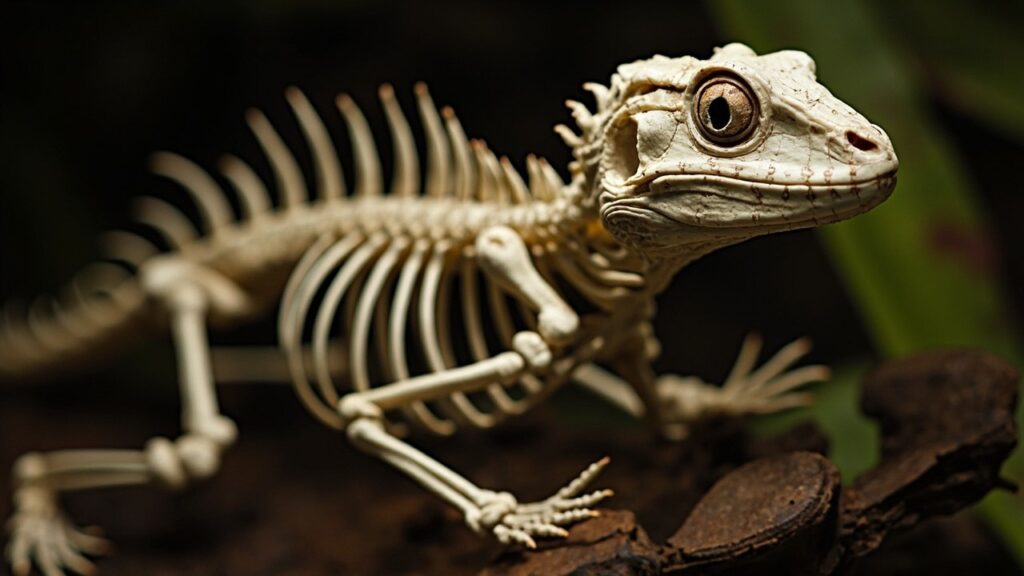
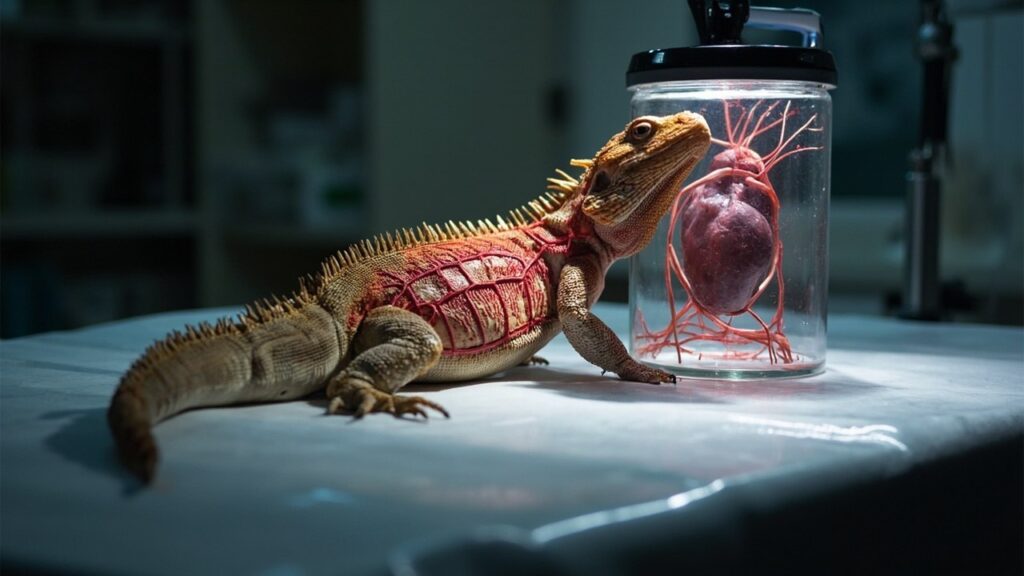
A Shared Vertebrate Plan
Reptiles have a central nervous system made up of the brain and spinal cord, together with peripheral nerves that carry information to and from the body. This broad arrangement is shared with other vertebrates, but its proportions and specialisations differ among turtles, crocodilians, lizards, snakes and tuatara. Nervous tissue coordinates movement, feeding, reproduction and responses to changing conditions rather than acting as a single, uniform system.
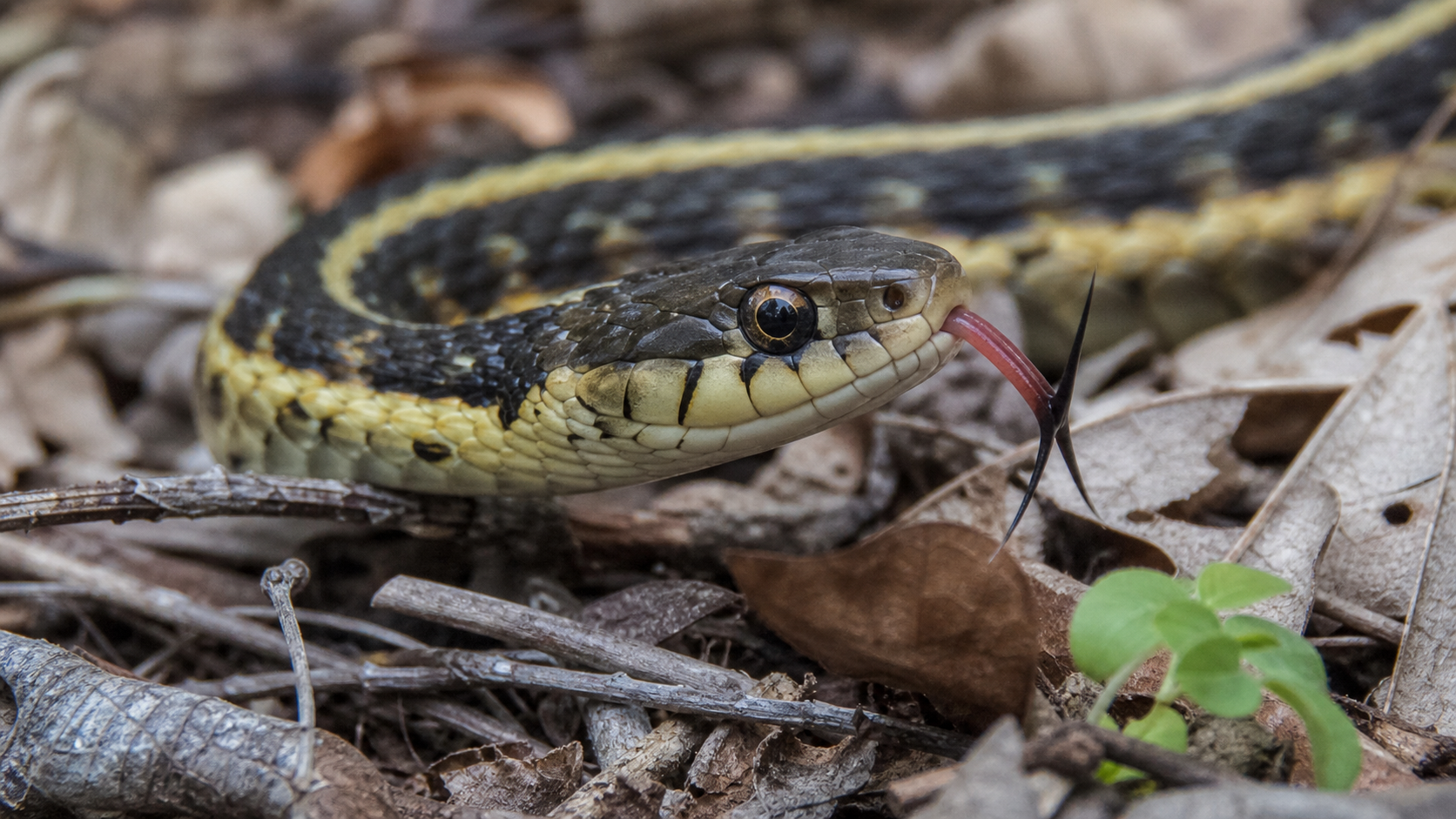
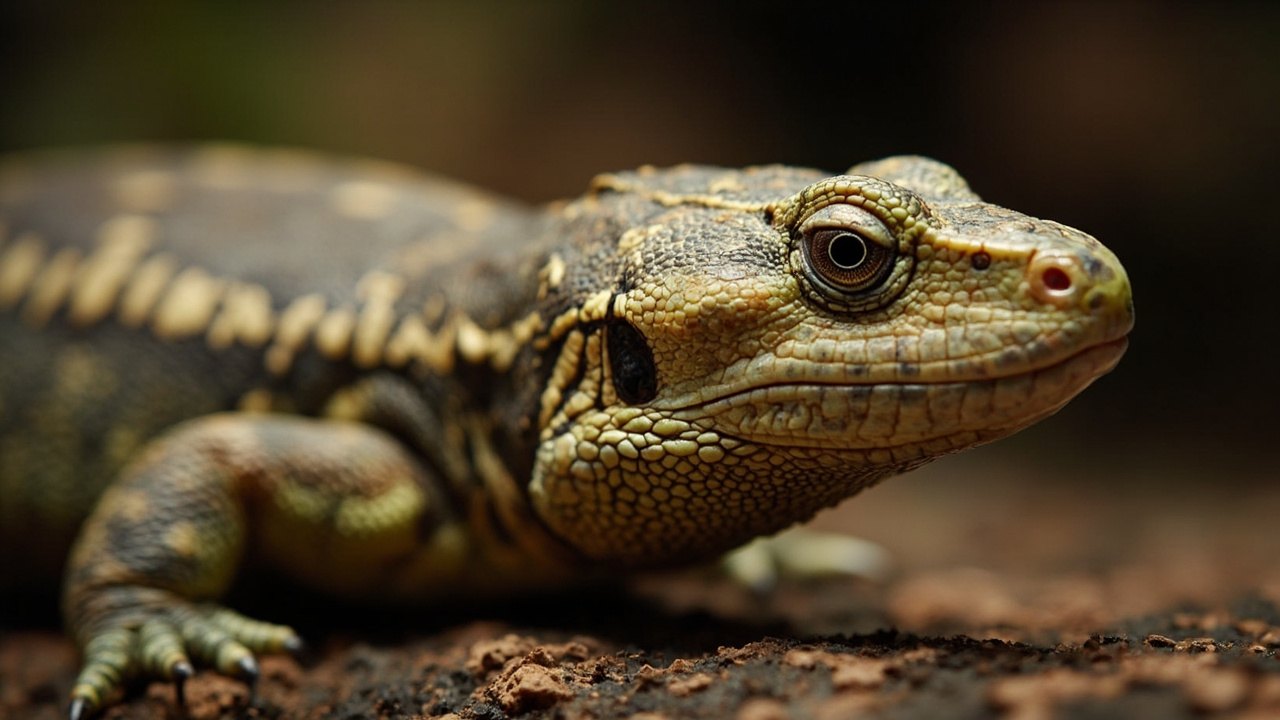
Sensory Systems Fit the Species
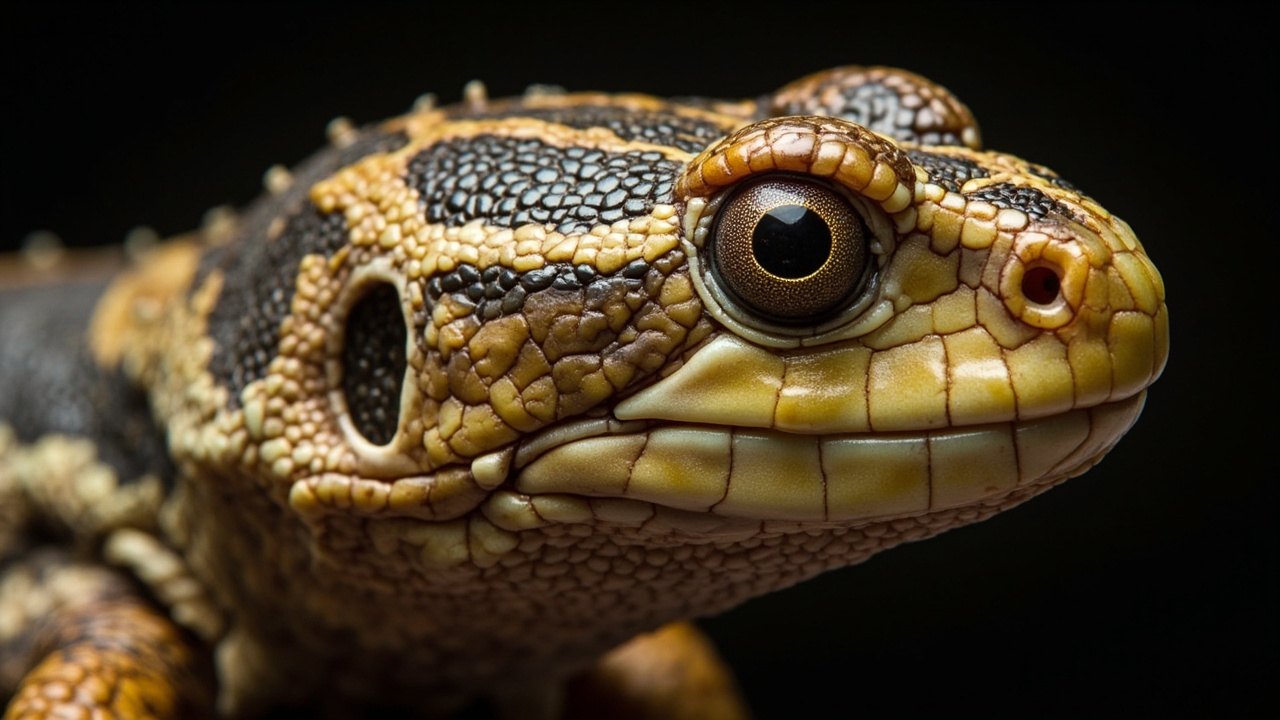
Vision, hearing, touch, chemical sensing and temperature sensing are important in different combinations. Snakes and many lizards use the tongue to transfer chemical particles to the vomeronasal organ. Pit organs detect infrared radiation in some snakes, including pit vipers and some boas and pythons, but they are not a feature of all snakes. A sensory ability is useful only in the ecological context in which it evolved.
Automatic and Learned Responses
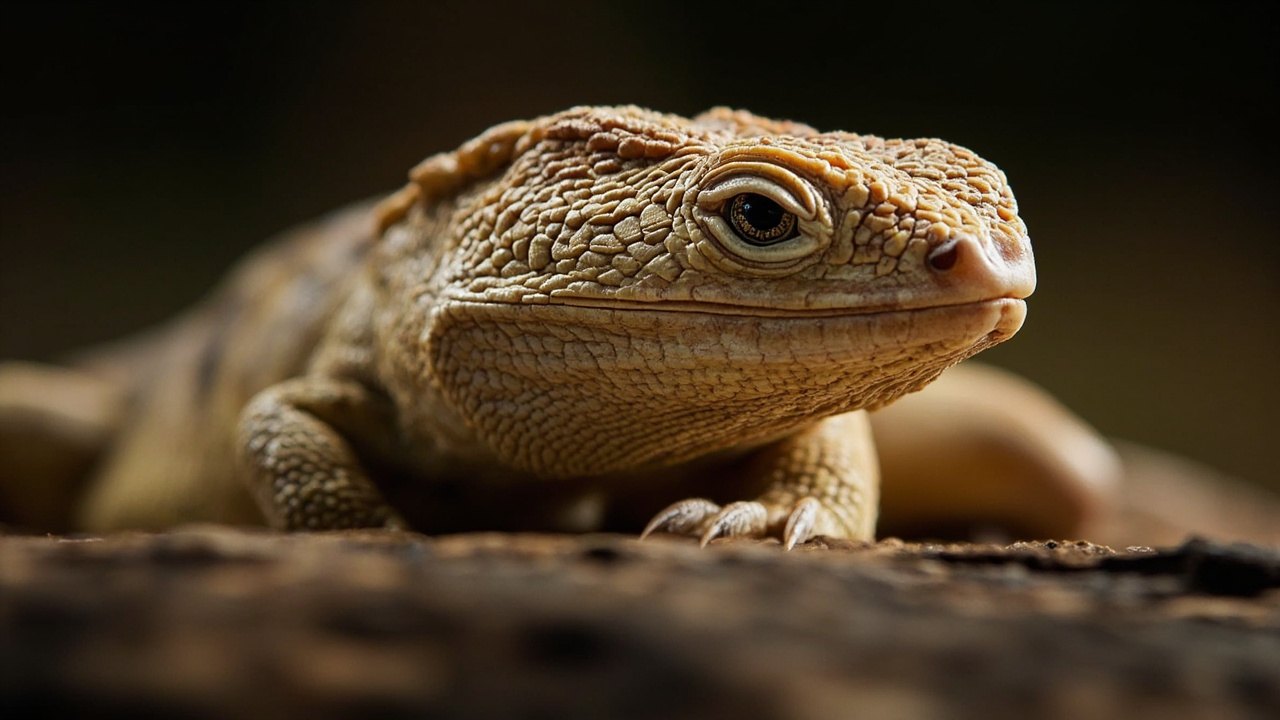
Neural pathways also help regulate breathing, circulation and digestion without constant conscious control. Reptiles can learn associations and adjust behaviour, although the best tests depend on the species and the question being asked. Comparing a reptile brain directly with a mammal brain can hide those differences. It is more useful to ask how a particular animal detects information, makes choices and responds in its own habitat.
Signals Travel Through Linked Systems
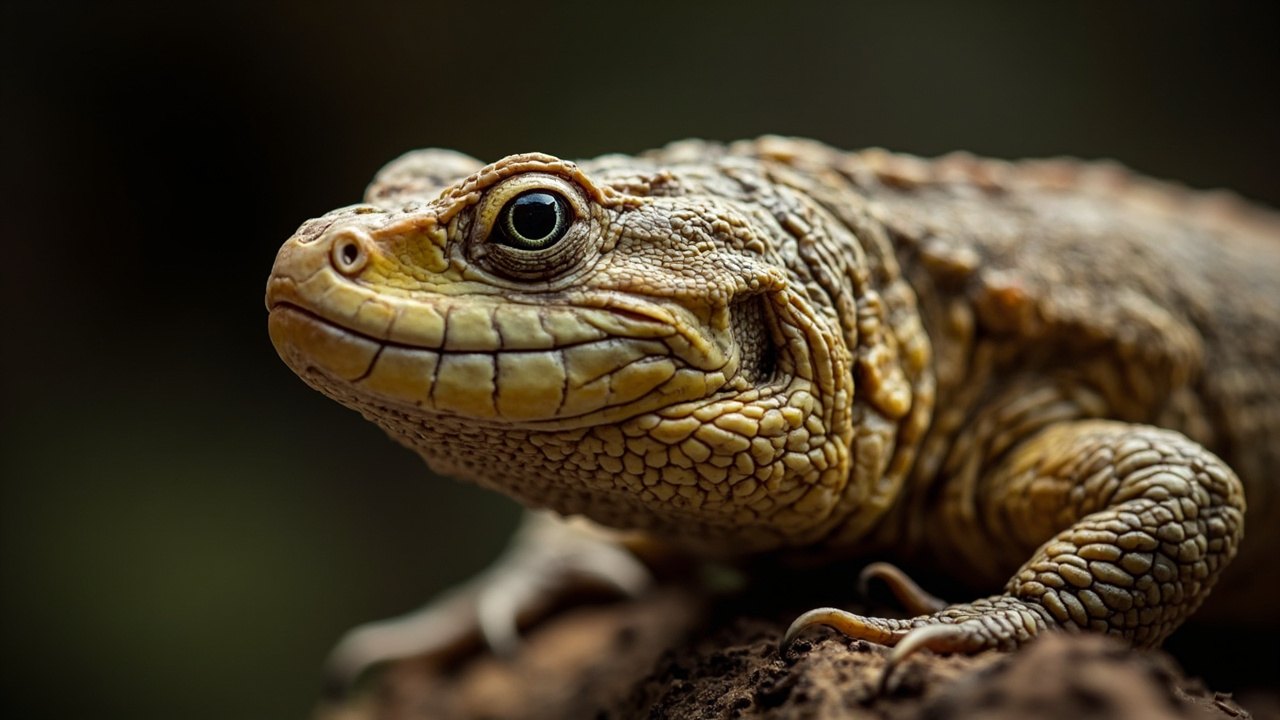
Sensory receptors collect information, nerves carry it and the brain and spinal cord help coordinate a response. A movement can involve visual input, chemical cues, balance, muscle control and automatic regulation at the same time. Looking at one organ in isolation can therefore miss the system that allows a reptile to feed, avoid danger or find shelter.
Different Senses Serve Different Tasks
Vision, vibration, chemical detection and heat sensitivity are useful in different combinations across reptiles. An ability that is well developed in a particular snake or lizard should not be assigned to every reptile. A species’ habitat and daily activity help explain which information it needs and how it uses that information.
Behaviour Needs Whole-Animal Context
Stillness, hiding or a sudden response can reflect normal activity, temperature, stress or illness. In captive care, measured conditions and a health history provide better evidence than trying to judge a nervous system from one reaction. Persistent changes should be assessed with reptile-qualified veterinary advice.
Sources and review notes
Reviewed 23 August 2026. Fossils, anatomy and family trees become more interesting—not less—when uncertainty is made visible. We have separated well-supported observations from interpretations that may change as new specimens and studies appear.
Reference starting points: The Reptile Database, PubMed-indexed research, and Smithsonian natural-history resources. Conservation status, taxonomy and local laws can change, so check the linked databases and the relevant local authority for current information.
Spotted something we should revisit? Send Reptile Explorer a correction—thoughtful reader feedback is always welcome.