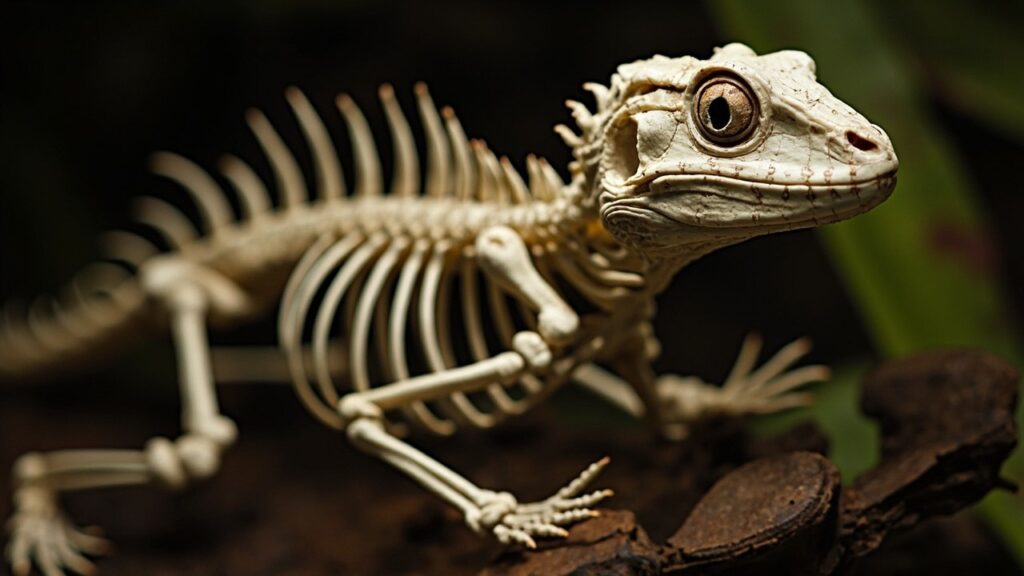
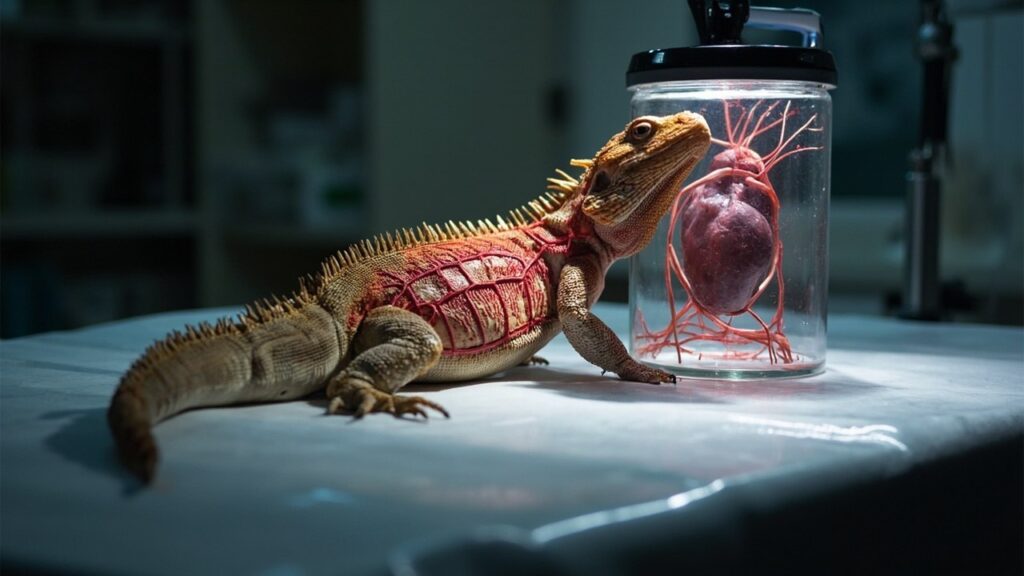
Reptiles Breathe Air with Lungs
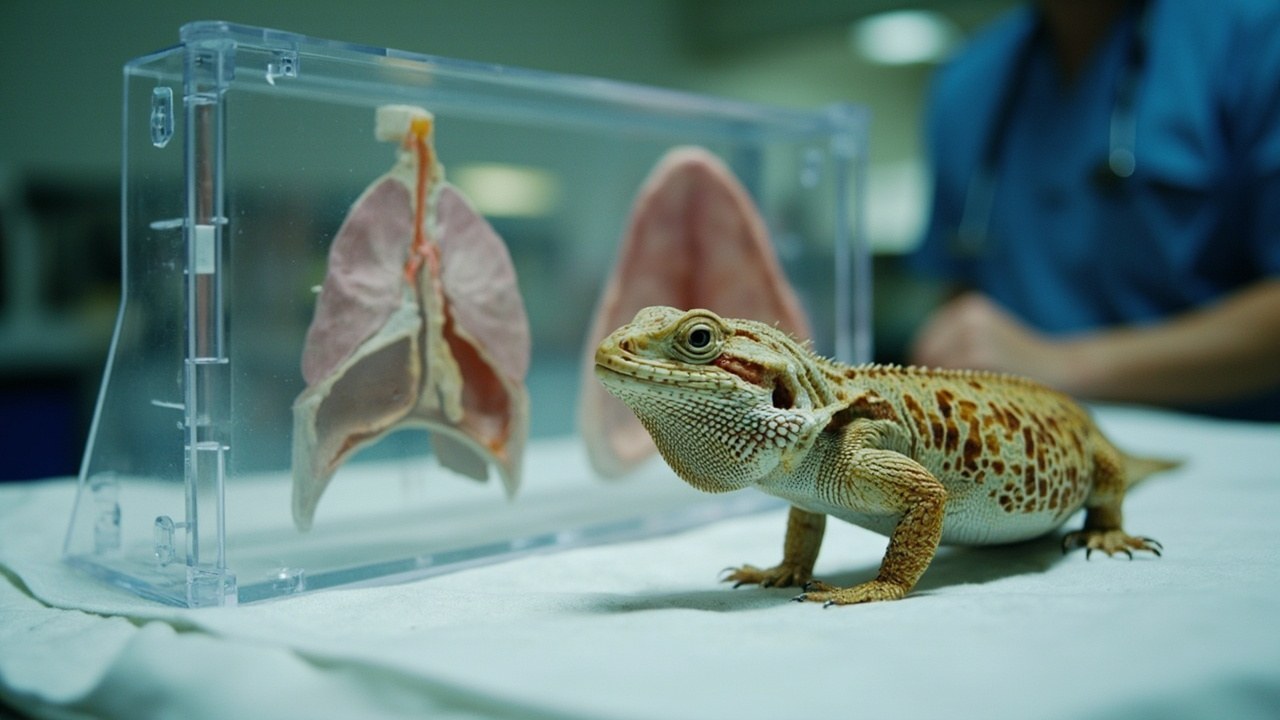
Living reptiles rely on lungs for air breathing, but their lung shape and internal structure differ widely. Many lizards and turtles have paired lungs, while many snakes have one dominant functional lung that runs along the body. Gas exchange occurs in small internal chambers, often called faveoli, rather than in the alveoli characteristic of mammalian lungs.
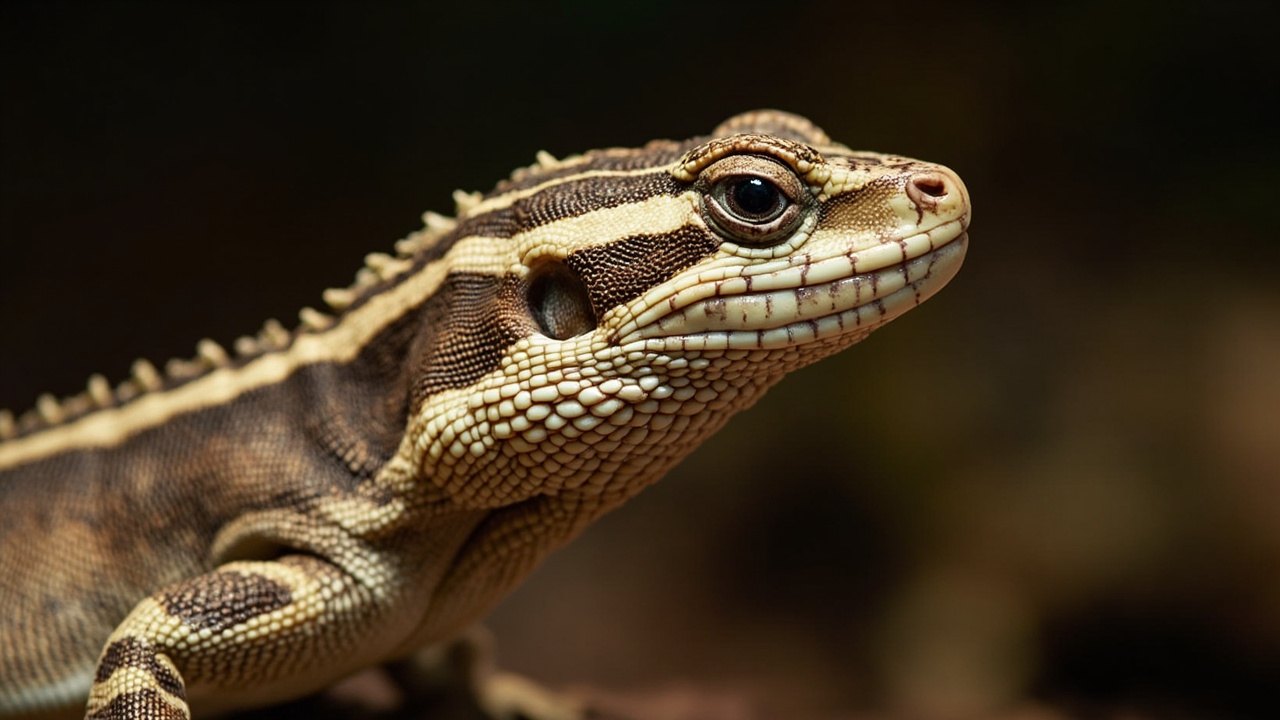
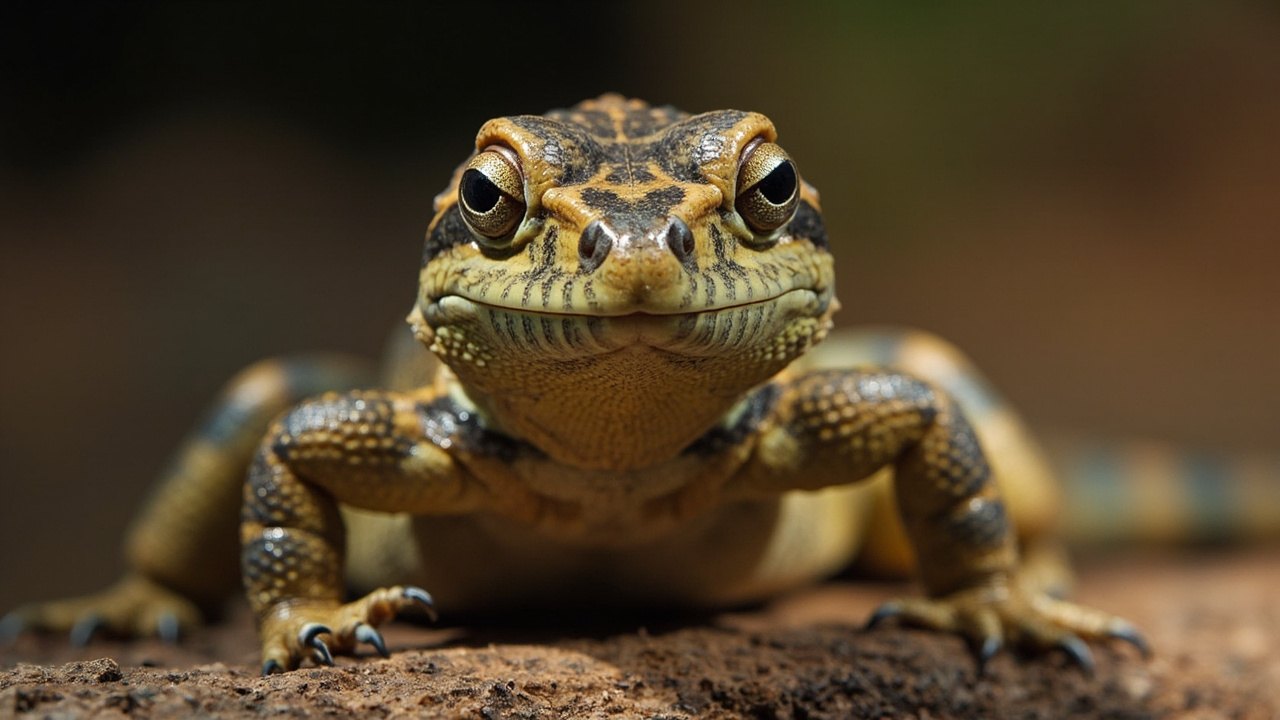
Ventilation Takes Different Forms
Many reptiles move air by using ribs and body-wall muscles. Turtles use specialised muscles around the shell and limb girdles because the shell prevents the kind of chest expansion used by many other animals. Crocodilians use a diaphragmaticus muscle to pull the liver backward in a hepatic-piston mechanism. These are solutions to the same problem, not steps on a single scale of complexity.
Breathing Changes with Activity and Temperature
Breathing rate can change with temperature, activity, diving and digestion. That normal flexibility does not mean visible respiratory effort should be ignored in a captive animal. Persistent open-mouth breathing, wheezing, discharge or marked lethargy should be assessed by a reptile-qualified veterinarian. Good ventilation, correct temperature ranges and suitable humidity support normal respiratory health, but the correct settings are species-specific.
Breathing Supports More Than Resting Life
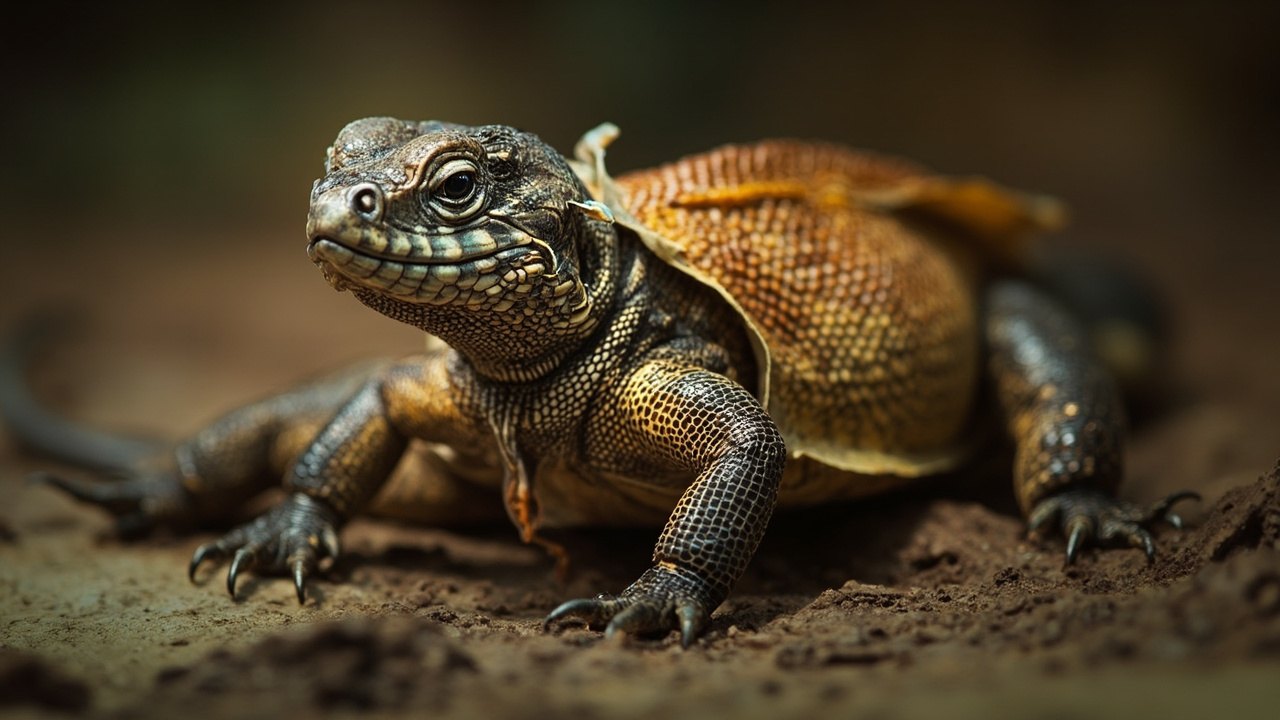
Reptiles adjust ventilation while moving, digesting, diving or resting. A snake’s long body, a turtle’s rigid shell and a crocodilian’s aquatic habits place different physical limits on how air moves. These differences explain why the same basic need for oxygen can be met by different muscles and body movements.
Some aquatic reptiles can remain submerged for long periods, but they still breathe air and must surface. Dive duration changes with activity, temperature, body size and the species involved. A video of one long dive should not be used to claim that a reptile can stay underwater indefinitely.
Normal Variation Has Limits
Breathing rate can change after exercise or with temperature, but laboured breathing is different from ordinary variation. Persistent open-mouth breathing, wheezing, bubbling around the nostrils, discharge or weakness warrants a reptile-qualified veterinary assessment. These signs cannot be diagnosed accurately from a single image.
Husbandry Affects Respiratory Health
Enclosure temperature, ventilation, humidity, cleanliness and stress can all influence health. Correct conditions are specific to the species and should be measured rather than inferred from a room thermostat. A general reptile care chart is not a substitute for reliable information about the individual animal.
Sources and review notes
Reviewed 23 August 2026. Fossils, anatomy and family trees become more interesting—not less—when uncertainty is made visible. We have separated well-supported observations from interpretations that may change as new specimens and studies appear.
Reference starting points: The Reptile Database, PubMed-indexed research, and Smithsonian natural-history resources. Conservation status, taxonomy and local laws can change, so check the linked databases and the relevant local authority for current information.
Spotted something we should revisit? Send Reptile Explorer a correction—thoughtful reader feedback is always welcome.