Shared patterns, important differences
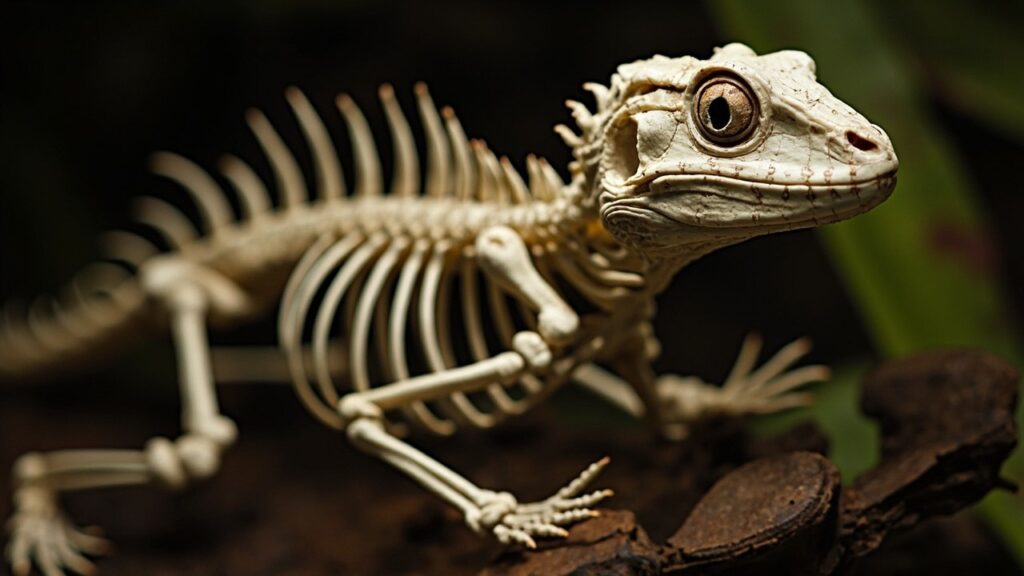
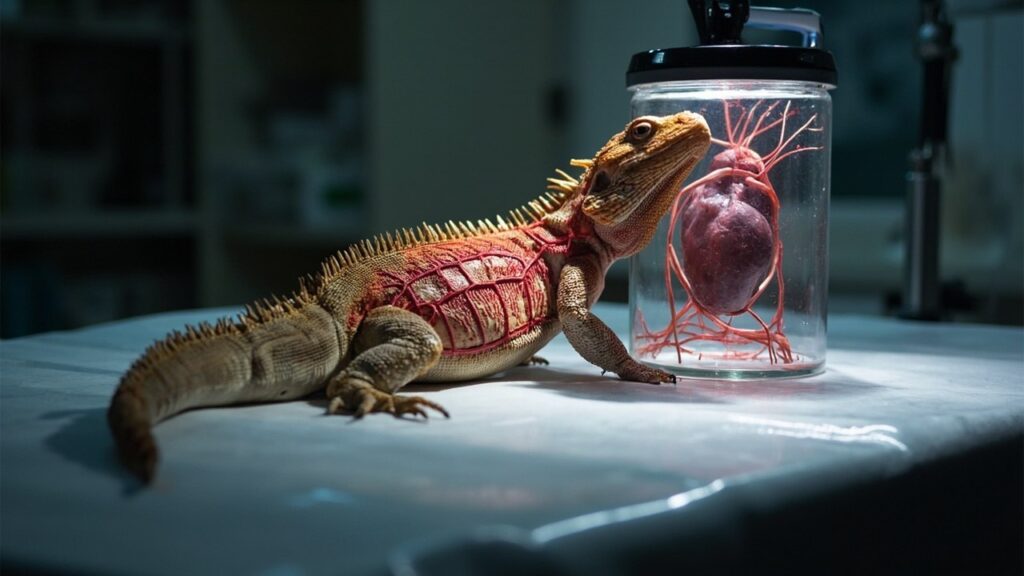
Reptiles are a diverse group, so reproductive anatomy differs among turtles, crocodilians, tuatara, snakes, and lizards. Females typically have ovaries and oviducts that connect with the cloaca. Males have testes and ducts that also connect with the cloaca. These shared features are modified in different ways across lineages and should not be reduced to one universal diagram.
Internal fertilization has several forms
Fertilization is internal in living reptiles. Male snakes and lizards have paired copulatory organs called hemipenes, while male turtles and crocodilians have a single penis. Male tuatara lack an intromittent organ and transfer sperm through cloacal contact. Courtship, timing, mate choice, and sperm storage differ widely among species. Some species also reproduce by parthenogenesis, but it is a limited trait found in certain lineages rather than a general reptile strategy.
Egg laying and live birth
Oviparous species lay eggs, while viviparous species carry developing young until birth. These modes occur across different reptile groups, especially among squamates. Environmental cues such as temperature, rainfall, and day length can influence breeding cycles, but the relevant cues are species-specific. In captivity, suspected egg binding, prolonged straining, or sudden decline in condition requires prompt advice from a reptile-experienced veterinarian.
Reproductive Anatomy Reflects Lineage
Snakes and lizards have paired hemipenes, while turtles and crocodilians have a single penis. Tuatara use cloacal contact. These differences are useful for understanding evolutionary relationships, but they are not a safe method for a hobbyist to sex or handle an animal. Sex identification can require species-specific expertise and may not be possible from an exterior view alone.
Internal fertilisation does not produce one standard breeding pattern. Courtship, sperm storage, egg retention, live birth and nest care occur in different combinations across reptiles. A documented trait in one species should not be presented as a rule for its whole group.
Development Needs Context
Egg-laying and live birth have evolved in several reptile lineages. Some species show temperature-dependent sex determination, while others use genetic sex determination. The timing and environmental conditions that affect development differ, so an incubation claim must name the relevant species.
Health Concerns Need Professional Care
Persistent straining, swelling, prolapse, weakness or a suspected retained egg can be urgent. Do not attempt to manipulate an animal’s reproductive anatomy at home. A reptile-qualified veterinarian can assess the animal and the husbandry conditions safely.
Sources and review notes
Reviewed 23 August 2026. Fossils, anatomy and family trees become more interesting—not less—when uncertainty is made visible. We have separated well-supported observations from interpretations that may change as new specimens and studies appear.
Reference starting points: The Reptile Database, PubMed-indexed research, and Smithsonian natural-history resources. Conservation status, taxonomy and local laws can change, so check the linked databases and the relevant local authority for current information.
Spotted something we should revisit? Send Reptile Explorer a correction—thoughtful reader feedback is always welcome.