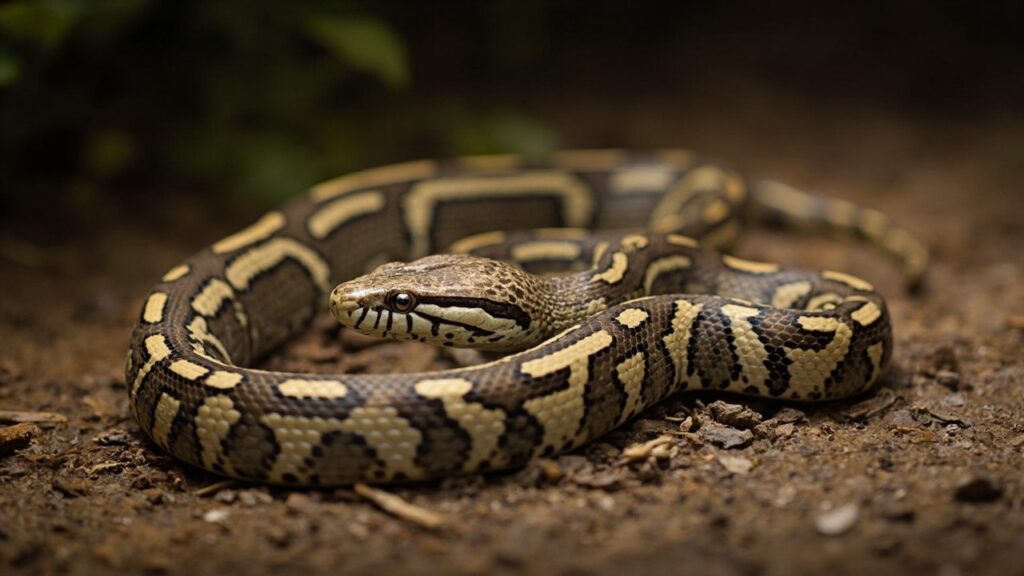
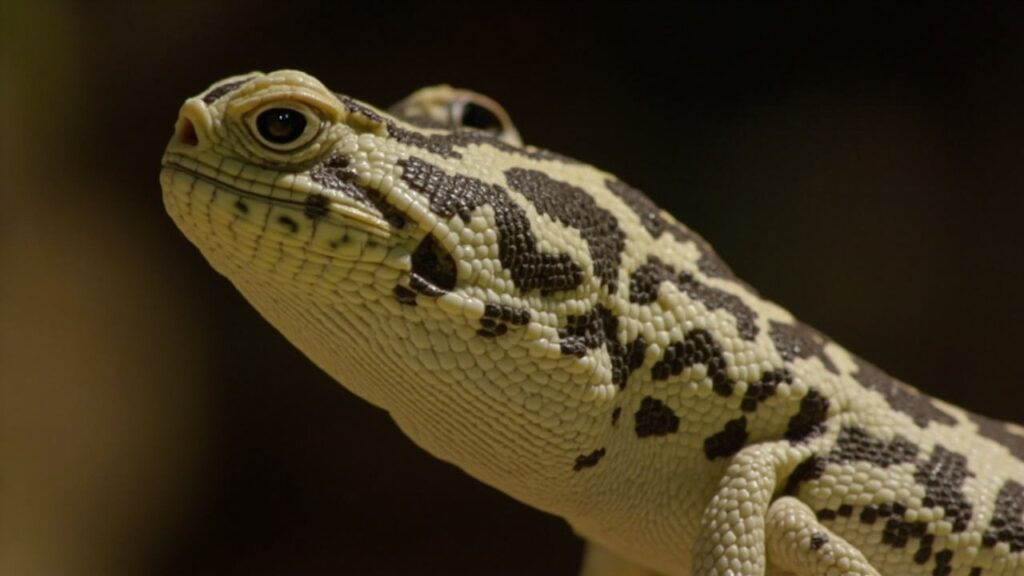
Egg laying is common, not universal
Most living reptiles lay eggs, a reproductive mode called oviparity. Turtles, crocodilians, tuatara, and most lizards and snakes are oviparous. Some lizards and snakes retain embryos inside the body and give live birth. The diversity of reptile reproduction is one reason that broad claims about a single “reptile egg” often fail.
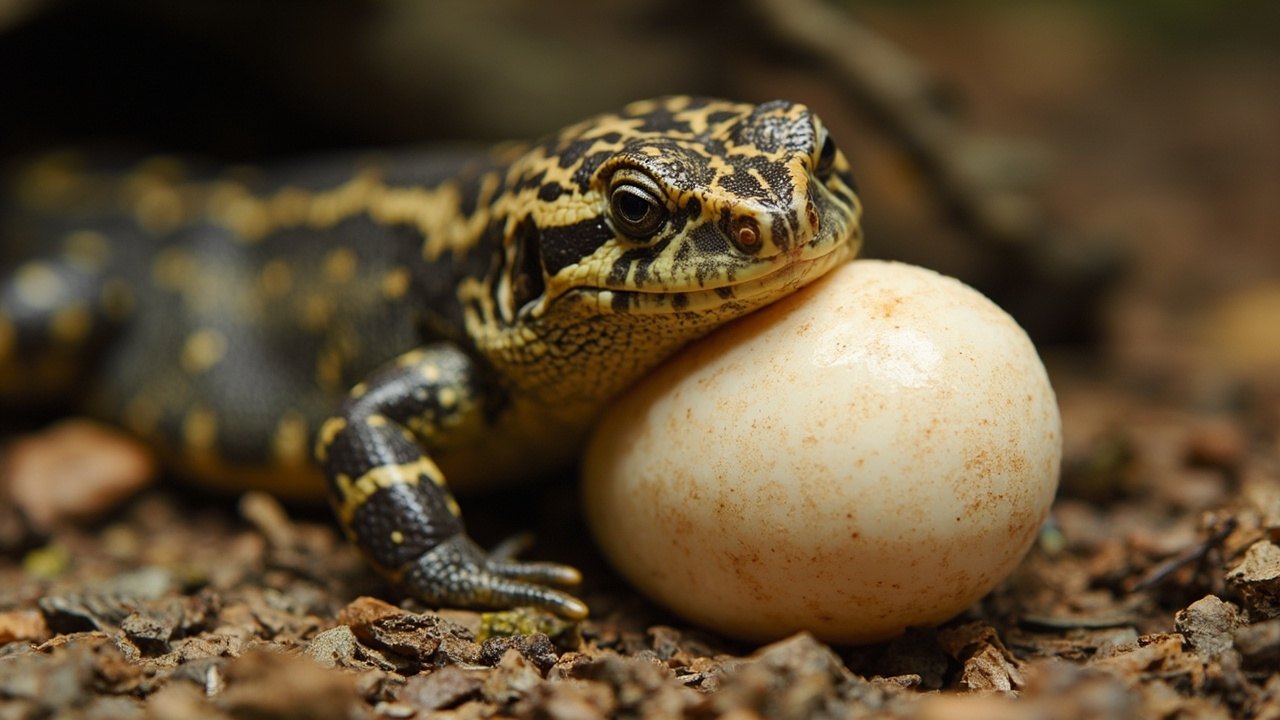
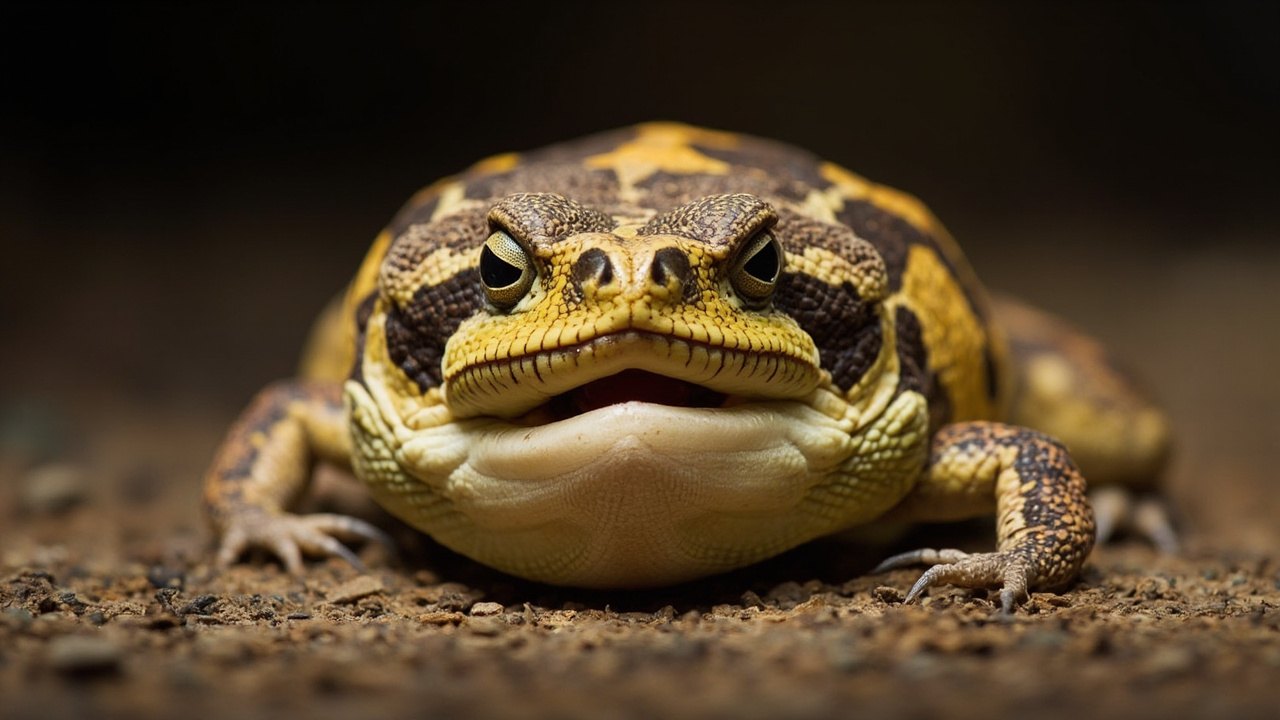
Eggs and nests vary by species
Reptile eggs may have flexible, leathery shells or more rigid, calcified shells. Females may bury eggs in soil, use decaying vegetation, attach them to protected surfaces, or guard a nest. Crocodilians are notable for building and protecting nests, whereas many other reptiles leave eggs after laying. Nest placement affects temperature, moisture, gas exchange, and exposure to predators.
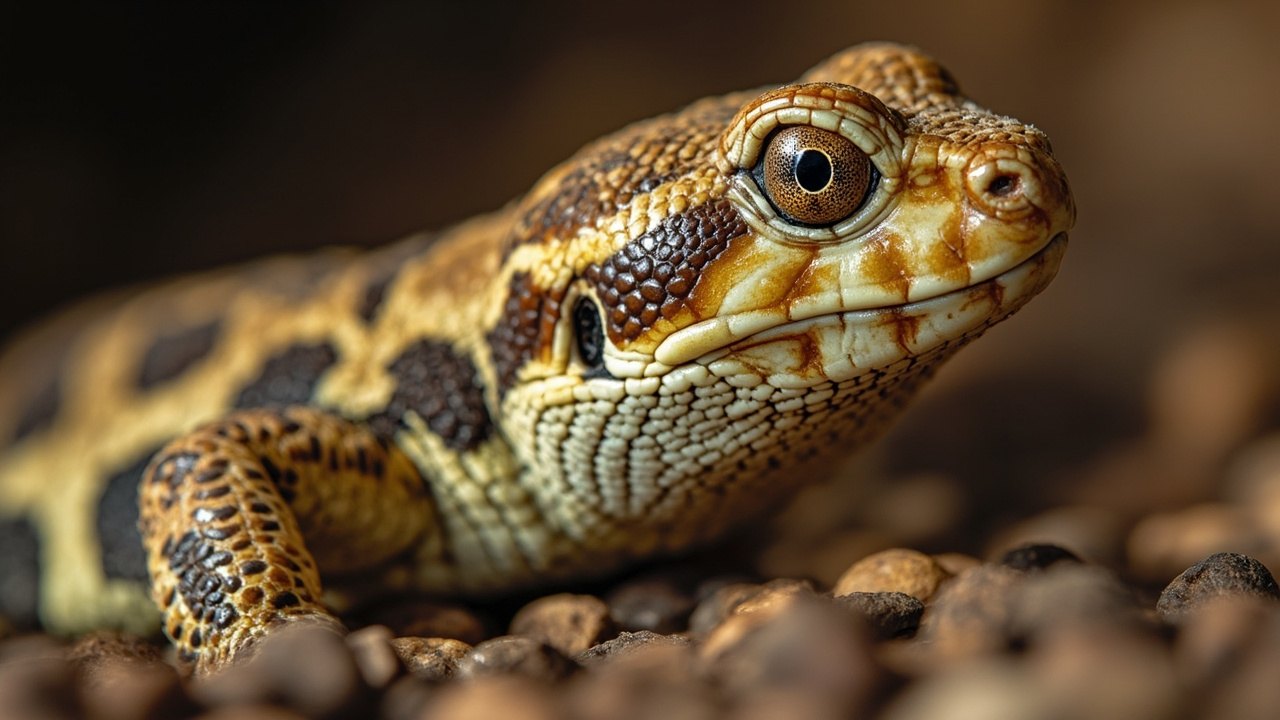
Incubation is not a fixed countdown
Development time depends on species and environmental conditions. Temperature can influence the speed of development, and in some reptiles it also influences the sex of hatchlings. It does not do so in every species. Hatchlings use an egg tooth or similar temporary structure to break the shell. Wild nests should be left undisturbed unless work is being done by authorized conservation professionals.
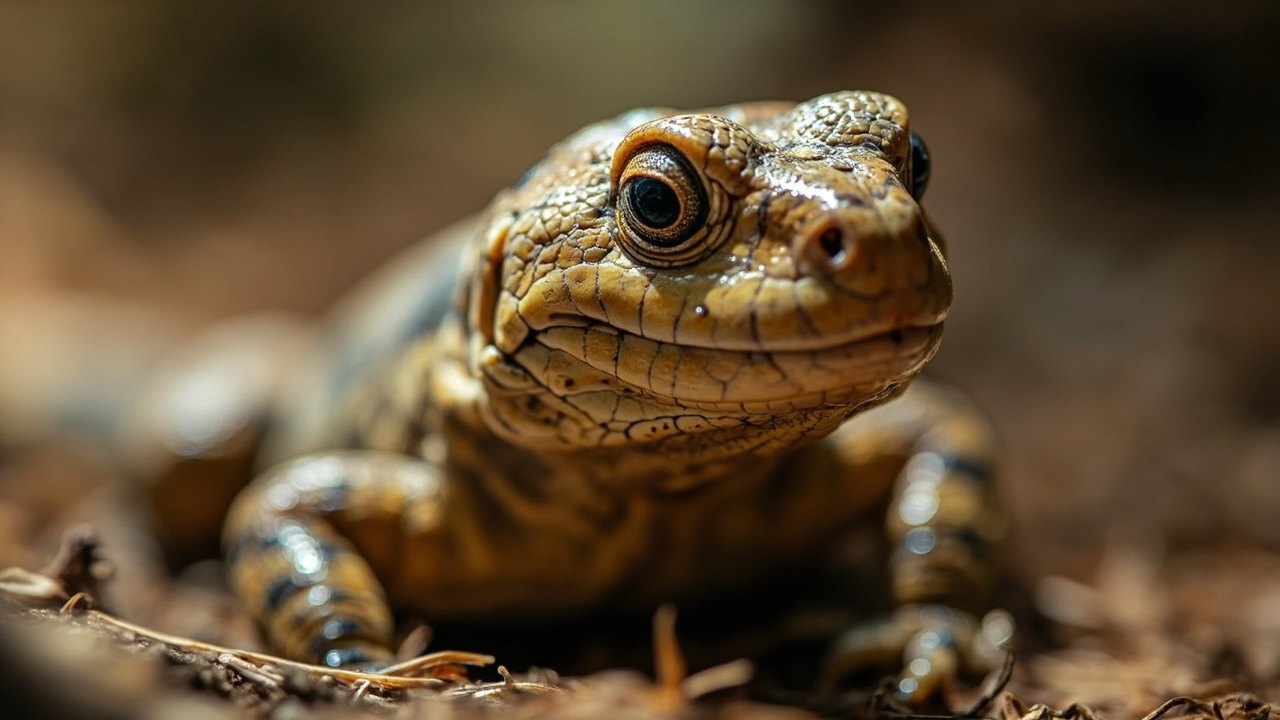
Nest Conditions Affect More Than Timing
Temperature, moisture, oxygen exchange and the position of the nest can influence embryonic development. The relevant conditions differ among species, and natural nests can vary across a beach, forest floor or wetland edge. A single incubation number copied from another reptile does not describe the needs of an unfamiliar egg clutch.
Temperature-dependent sex determination occurs in some reptile groups, including many turtles and crocodilians, but it is not universal. The outcome depends on the species and on the timing and pattern of temperatures during development. It should not be reduced to a simple claim that warm eggs always produce one sex.
Wild Nests Are Not a Photography Prop
Digging into a nest, handling eggs or moving them for a photograph can disrupt development and attract predators. Many nesting reptiles are protected, and authorized conservation teams use methods designed for the species and site. A distant observation that leaves the nest undisturbed is the responsible option.
Captive Incubation Needs Species-Specific Advice
Keepers should not guess at incubation settings, rotate eggs or use untested equipment. A suitable plan includes verified parent species, stable and measured conditions, records of laying dates and access to veterinary help if problems occur. Hatching does not end the work because young reptiles have their own housing, nutrition and health needs.
Sources and review notes
Reviewed 23 August 2026. Reptile biology is wonderfully variable. We have avoided turning one species, photograph or dramatic observation into a rule for an entire group, and we have used cautious wording where evidence or local conditions differ.
Reference starting points: The Reptile Database, The IUCN Red List of Threatened Species, and PubMed-indexed research. Conservation status, taxonomy and local laws can change, so check the linked databases and the relevant local authority for current information.
Spotted something we should revisit? Send Reptile Explorer a correction—thoughtful reader feedback is always welcome.