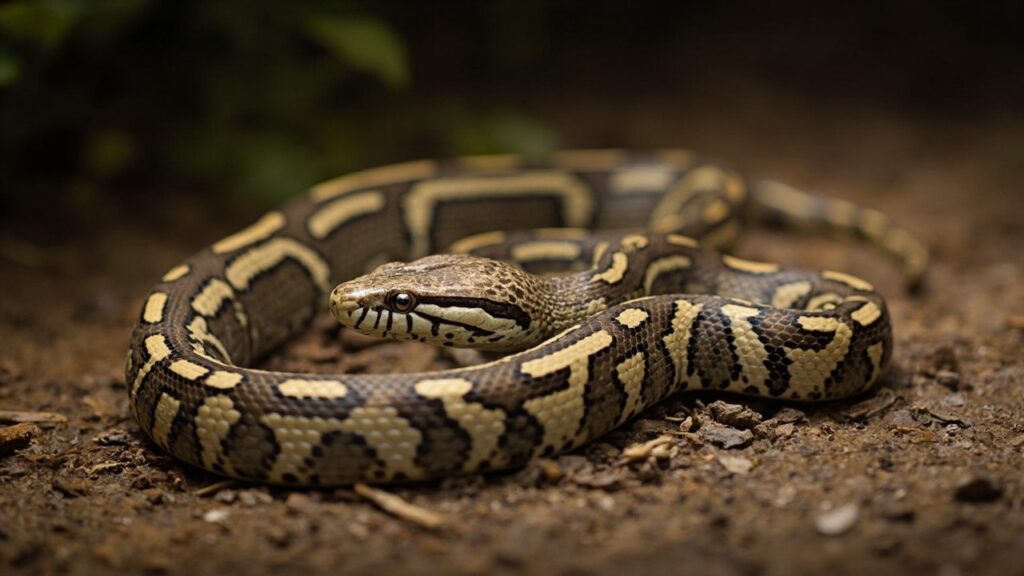
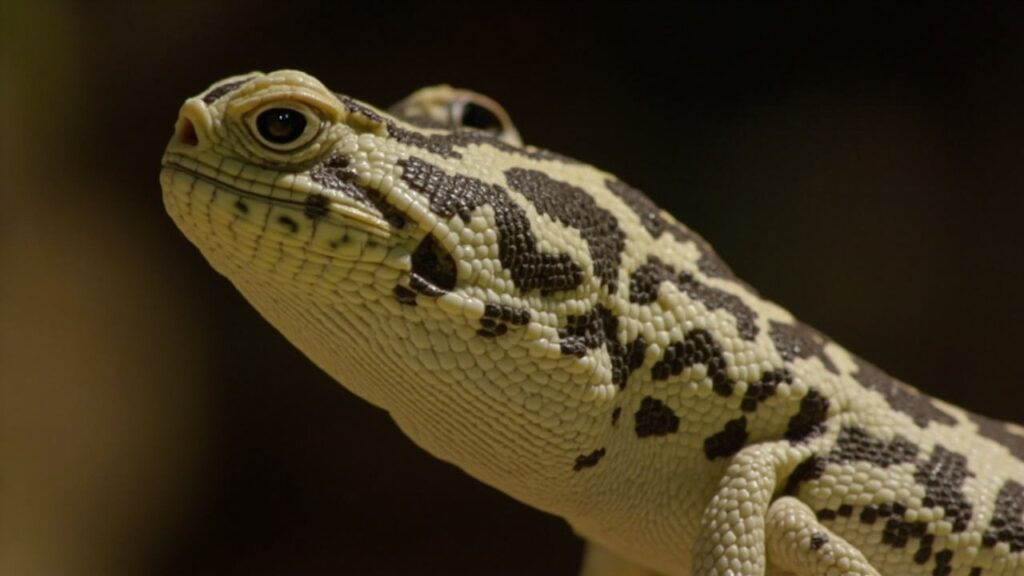
Snakes used in snake-charming performances are not dancing to music. A cobra’s raised posture and tracking movement are better understood as responses to the nearby person, moving instrument, vibration, and perceived threat.

What snakes can detect
Snakes do not have external ears like ours, but they can detect vibrations and some airborne sound. In a performance, the motion of the pungi and the charmer is usually a much more immediate cue than a melody. The snake is not being hypnotized or enjoying a song.

Respect the cultural context
Snake charming has cultural histories in several regions and should not be treated as a cartoon. At the same time, close handling of venomous snakes can be dangerous for people and stressful for animals. It is not a practice to imitate, film for spectacle, or use as a reason to acquire wildlife.

A careful conclusion
The myth is not that snakes respond to their surroundings. They do. The mistake is claiming that the music controls them. Their behaviour is best explained by sensory cues and defensive awareness, not musical appreciation.

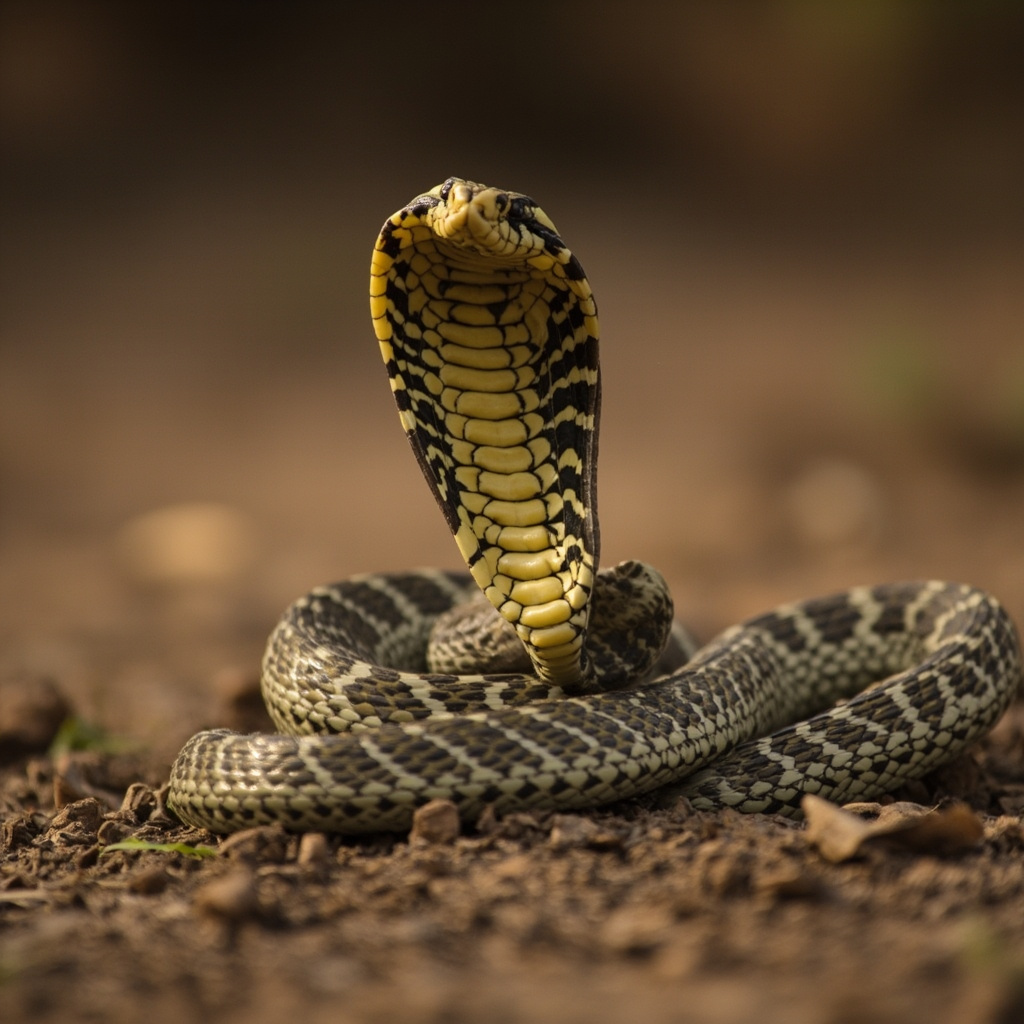
A Raised Cobra Is Responding Defensively
In a snake-charming display, a cobra may raise its body and follow the position of the performer or instrument. That posture helps the snake keep a potential threat in view. It is not evidence that the snake understands a tune or chooses to dance. A cobra can strike from a defensive position, which is why a performance should never be copied or approached as a harmless demonstration.
Hearing Is More Complex Than the Myth
Snakes lack external ears, but they can detect vibrations and some airborne sounds through structures connected to the inner ear. Their sensory world differs from human hearing, and visual movement may be especially immediate during a close performance. The accurate correction is not that snakes perceive nothing. It is that a melody does not give a performer special control over a snake’s behaviour.
Wildlife Welfare Comes Before Spectacle
Repeated handling, confinement, transport and close contact can stress a snake and create serious risk for people. Wildlife laws and animal-welfare rules differ by country, and cultural history does not remove the need for safety or humane treatment. A safer way to learn about snakes is through accredited educators, natural-history resources and observation at a distance in places where wildlife viewing is permitted.
Sources and review notes
Reviewed 23 August 2026. Reptile biology is wonderfully variable. We have avoided turning one species, photograph or dramatic observation into a rule for an entire group, and we have used cautious wording where evidence or local conditions differ.
Reference starting points: The Reptile Database, The IUCN Red List of Threatened Species, and PubMed-indexed research. Conservation status, taxonomy and local laws can change, so check the linked databases and the relevant local authority for current information.
Spotted something we should revisit? Send Reptile Explorer a correction—thoughtful reader feedback is always welcome.