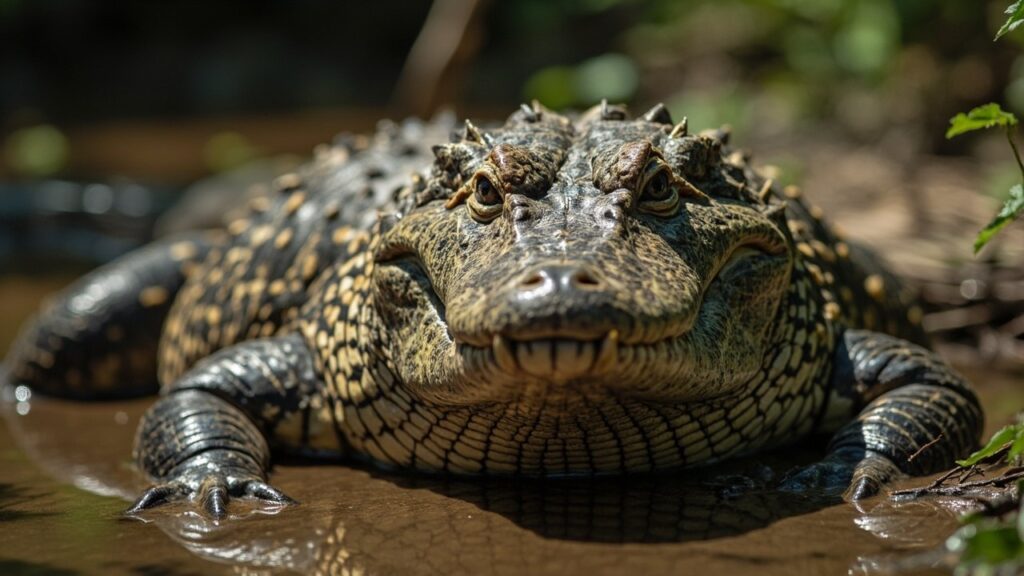
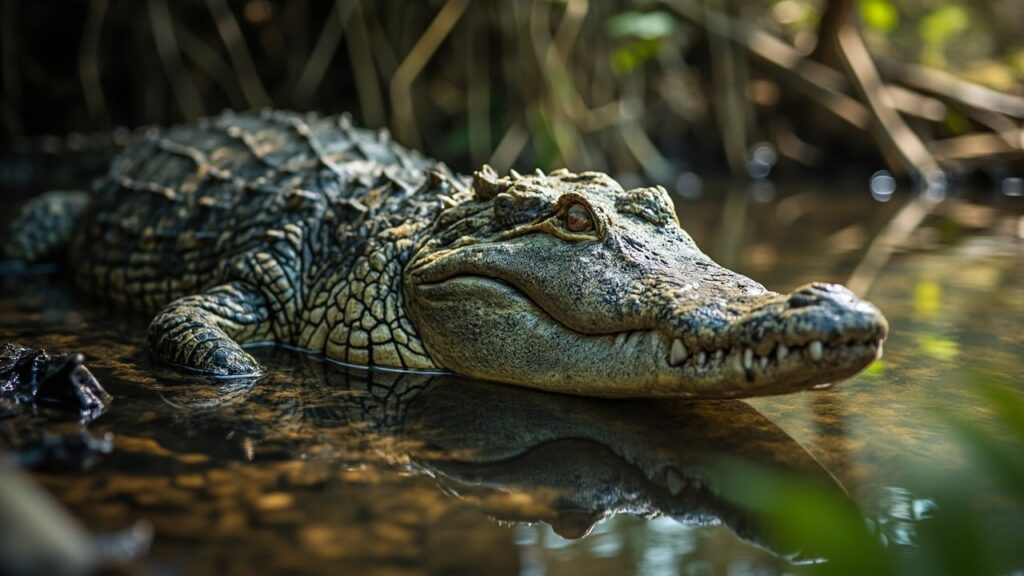
A Species With a Narrow Wild Range
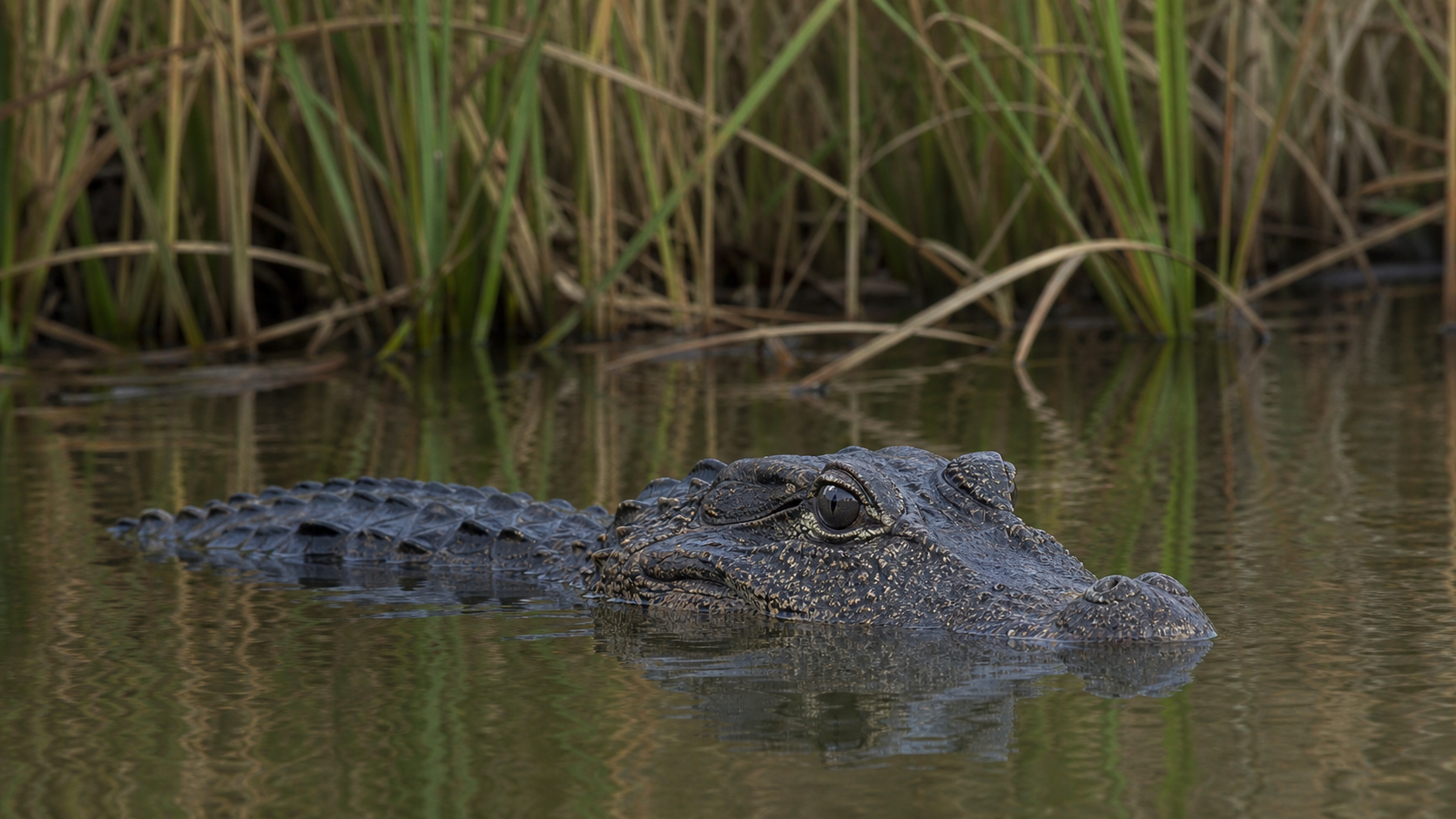
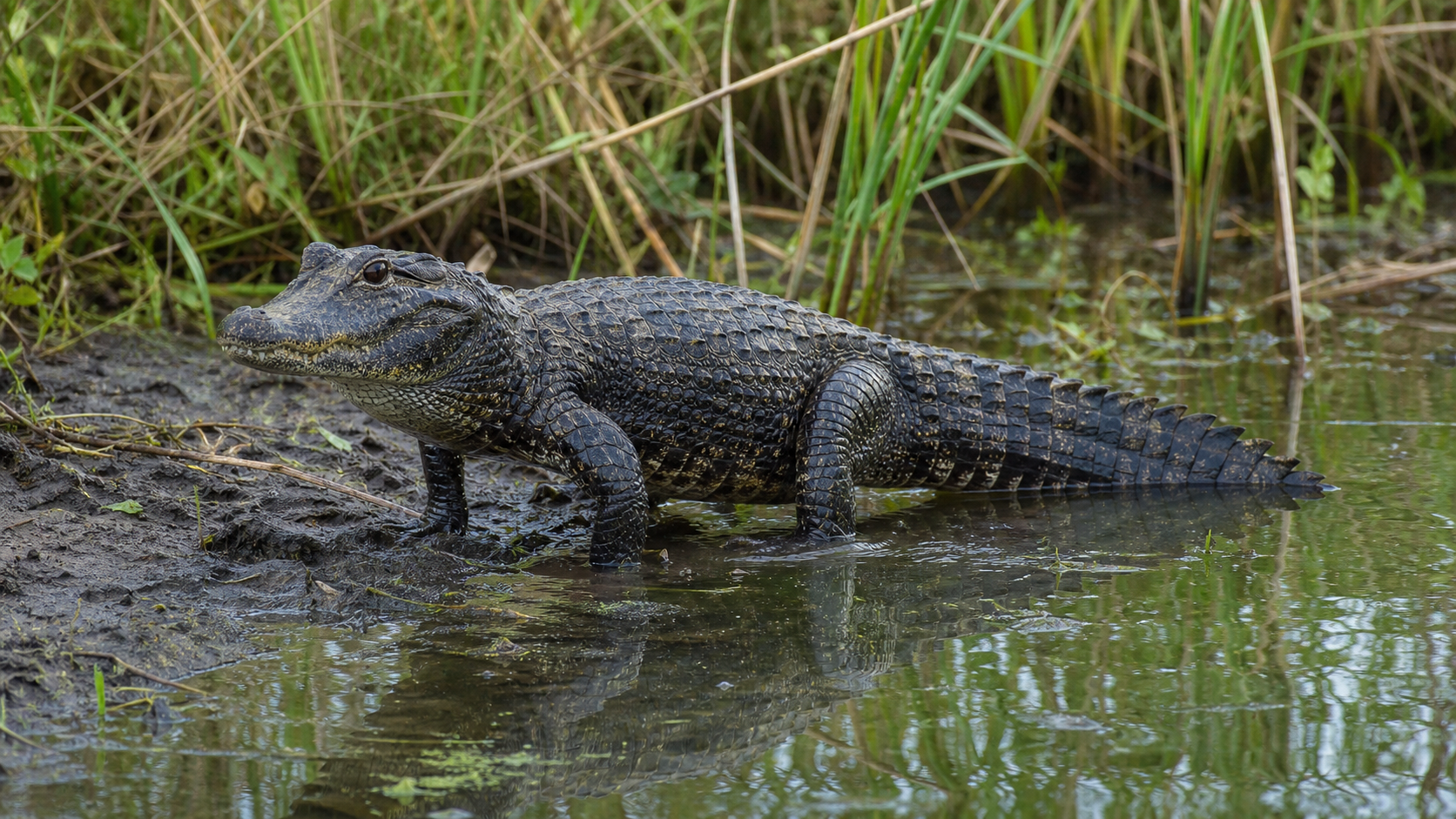
The Chinese alligator, Alligator sinensis, is endemic to China and survives in a small part of its former lower-Yangtze wetland landscape. Ponds, marshes, waterways, and adjoining land all matter because the species needs a functioning freshwater habitat rather than an isolated enclosure of water.
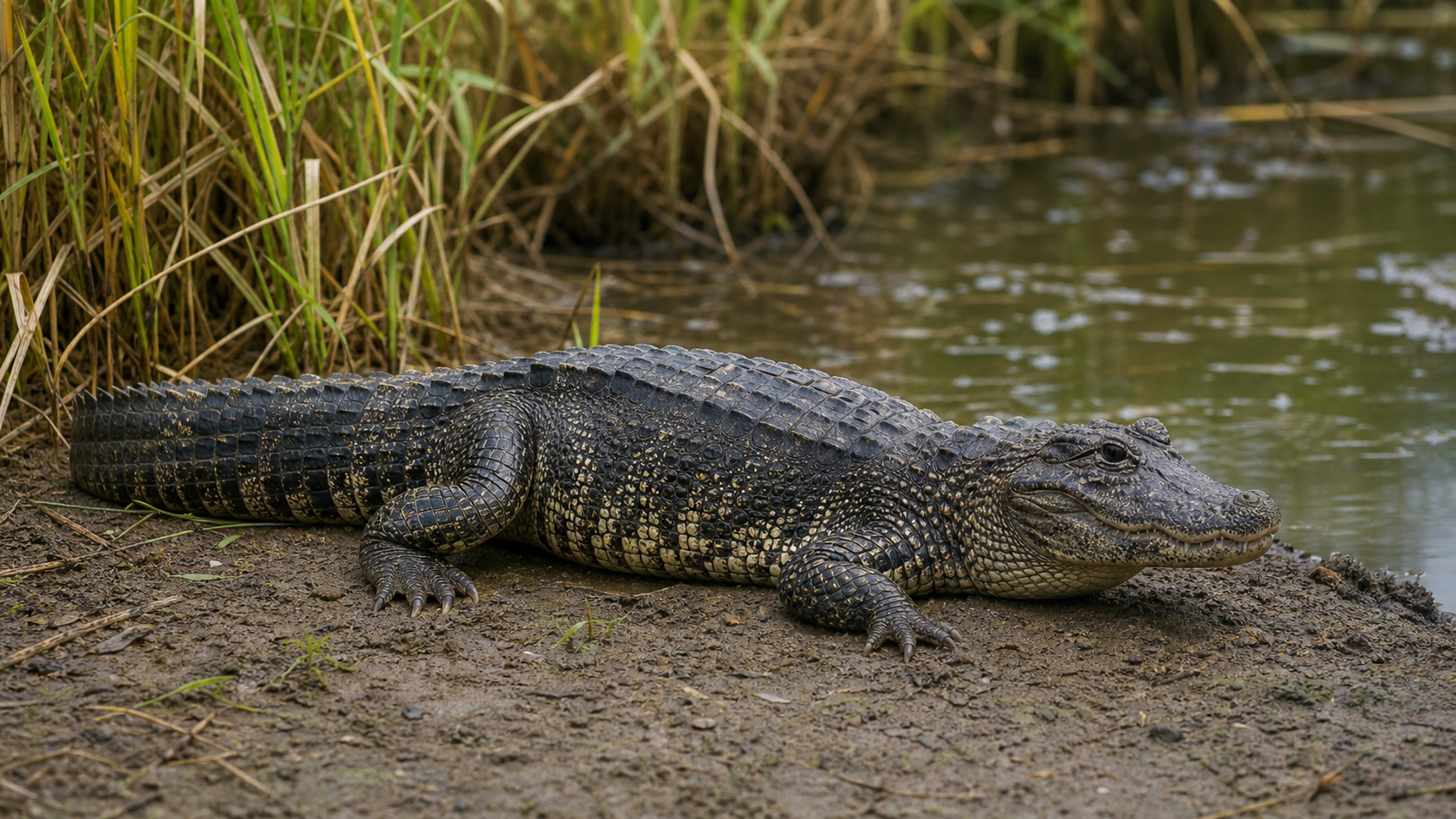
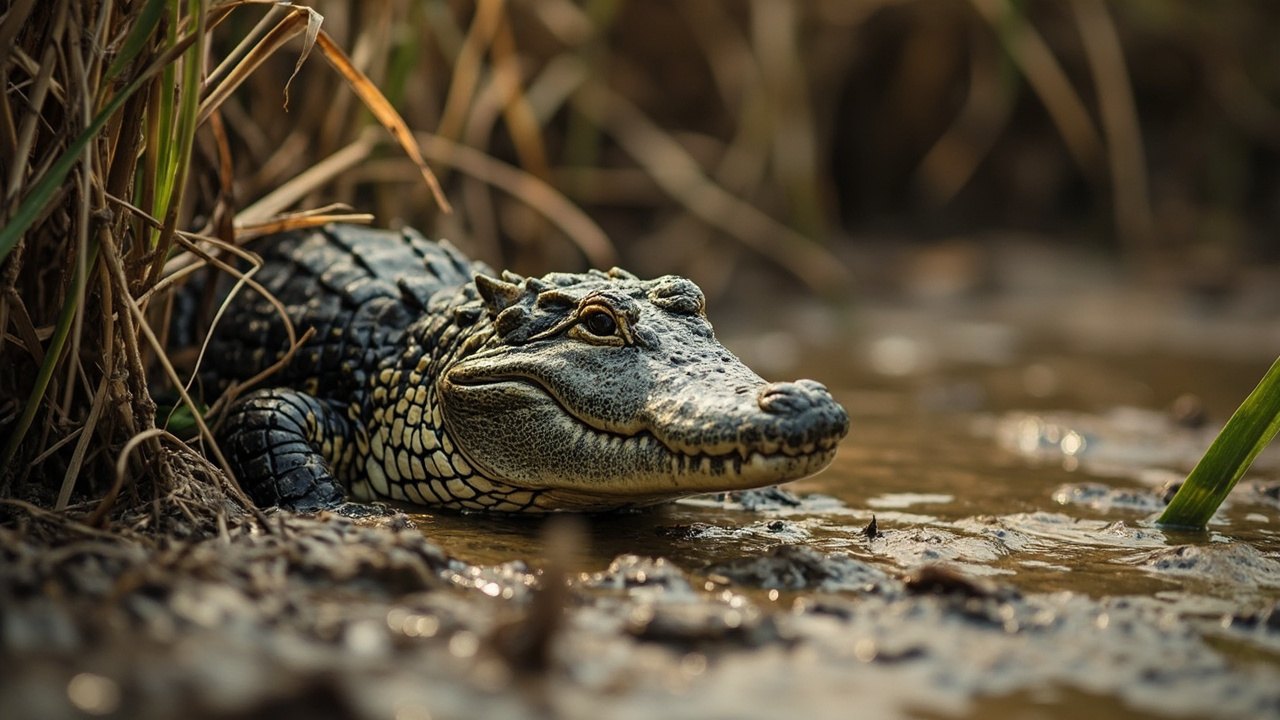
Why Captive Breeding Is Not Enough
Captive breeding has kept a large assurance population alive, but a captive population is not the same as a secure wild one. A released animal still needs suitable habitat, adequate food, low conflict risk, and a population structure that can persist without continual replacement.
Recovery Requires Long-Term Work
Recovery efforts should combine habitat restoration with careful site selection, genetic and health safeguards, post-release monitoring, and local participation. Measuring success means following animals and habitat conditions over time, not simply counting the number released.
Freshwater Habitat Includes More Than Open Water
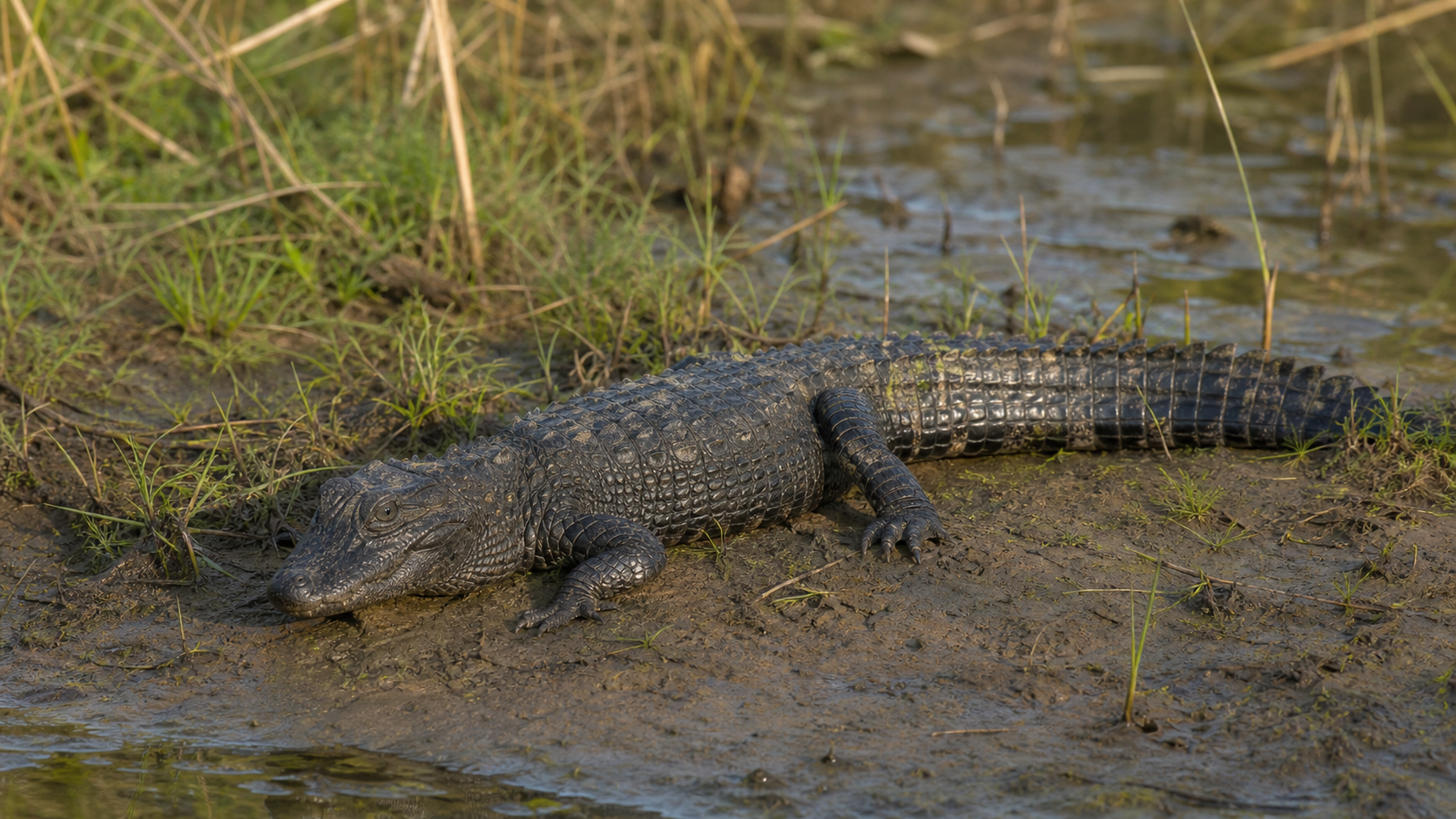
Chinese alligators use a wetland mosaic rather than a single pond in isolation. Water depth, seasonal water levels, vegetated margins, bank structure, burrow sites and nearby land use can affect whether a place supports a resident population. In the remaining range, many suitable areas occur within a heavily altered agricultural landscape. This makes habitat protection a practical land and water management issue as well as a wildlife issue.
What a Reintroduction Programme Must Test
Releasing captive-bred animals can support recovery only when a site has been assessed and the cause of the original decline is being addressed. Monitoring should examine survival, movements, use of habitat, breeding and interactions with the resident environment. It also needs to identify problems such as unsuitable water conditions, conflict with local land use or poor connection between wetlands. A release count is a starting point, not proof that a self-sustaining wild population has been established.
Wild Recovery Remains the Main Measure
Captive populations provide an important safeguard against extinction, especially for a species with a very small wild range. Their long-term conservation value is greatest when they are linked to secure habitat, sound genetic and health management, research and local participation. The most meaningful outcome is not the size of a breeding facility. It is whether Chinese alligators can persist and reproduce in protected, functioning wetlands within their native range.
Sources and review notes
Reviewed 23 August 2026. Care works best when it starts with the exact species in front of you. We checked this article against current veterinary husbandry guidance, but measured enclosure conditions and a reptile-experienced veterinarian should guide decisions for an individual animal.
Reference starting points: Merck Veterinary Manual: reptile management and husbandry, CDC: healthy handling around reptiles and amphibians, and The Reptile Database. Conservation status, taxonomy and local laws can change, so check the linked databases and the relevant local authority for current information.
Spotted something we should revisit? Send Reptile Explorer a correction—thoughtful reader feedback is always welcome.