
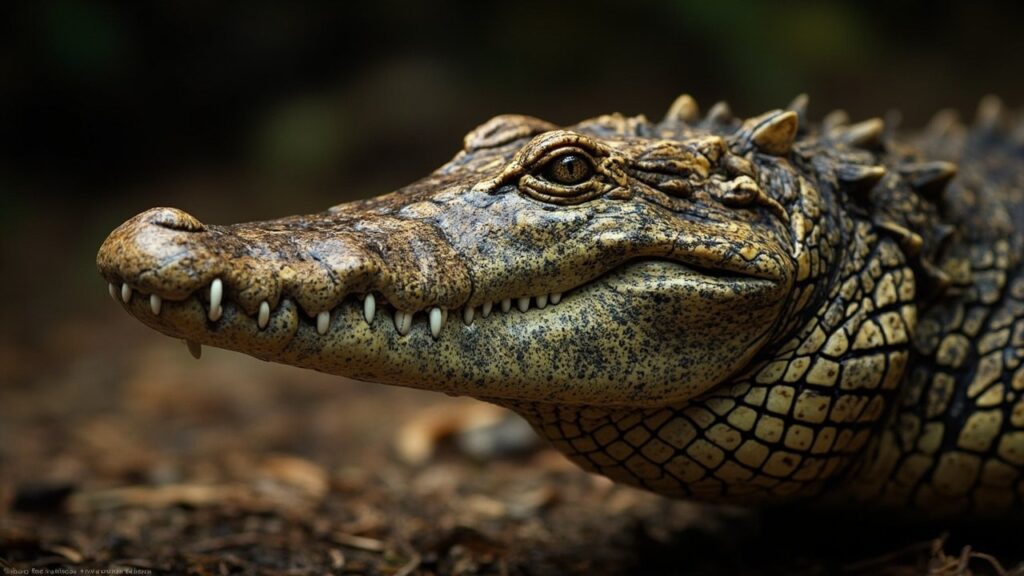
Orinoco Crocodiles of the Orinoco River
The Orinoco crocodile survives in fragmented river populations in Colombia and Venezuela. Past hunting and continuing habitat pressures have reduced its range.
The Orinoco crocodile survives in fragmented river populations in Colombia and Venezuela. Past hunting and continuing habitat pressures have reduced its range.
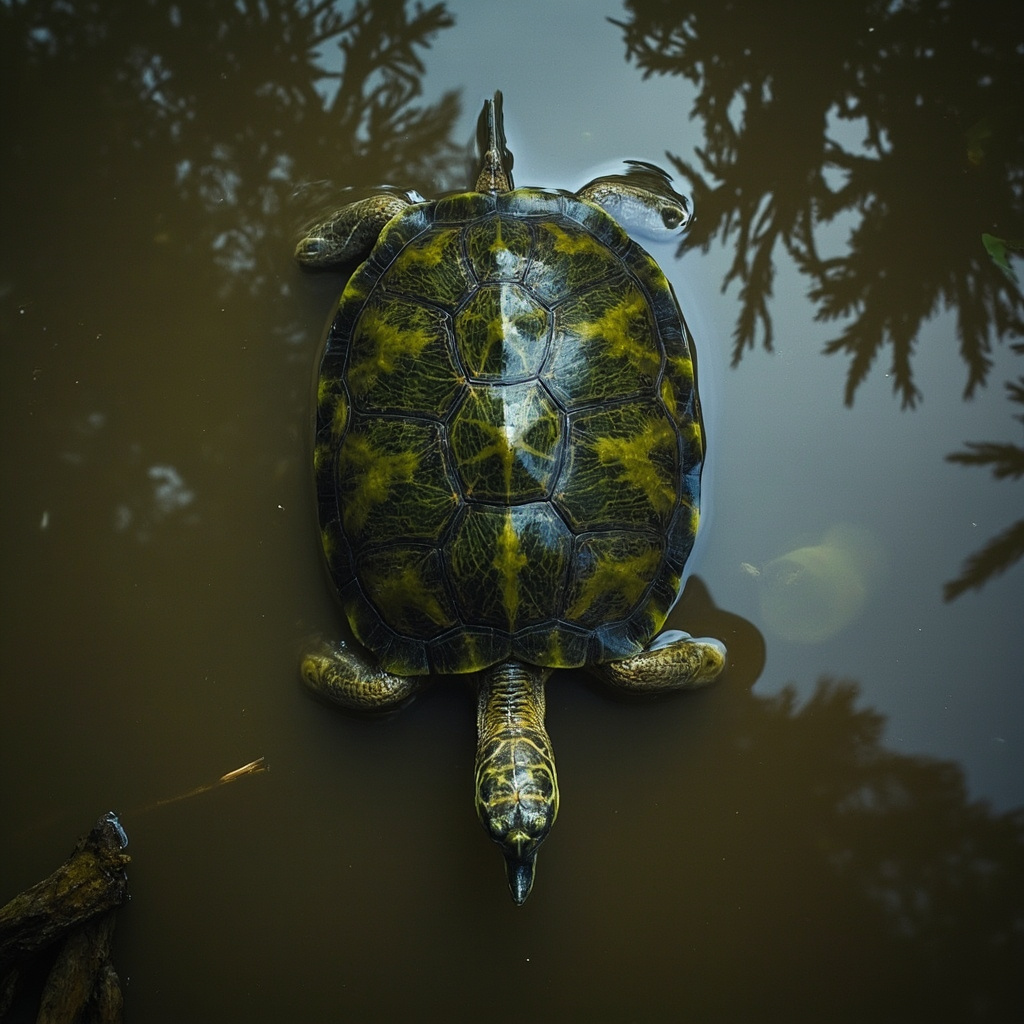
Amazon matamatas are freshwater ambush turtles whose flattened heads and textured shells provide camouflage. They surface through a snorkel-like snout and use rapid suction feeding.
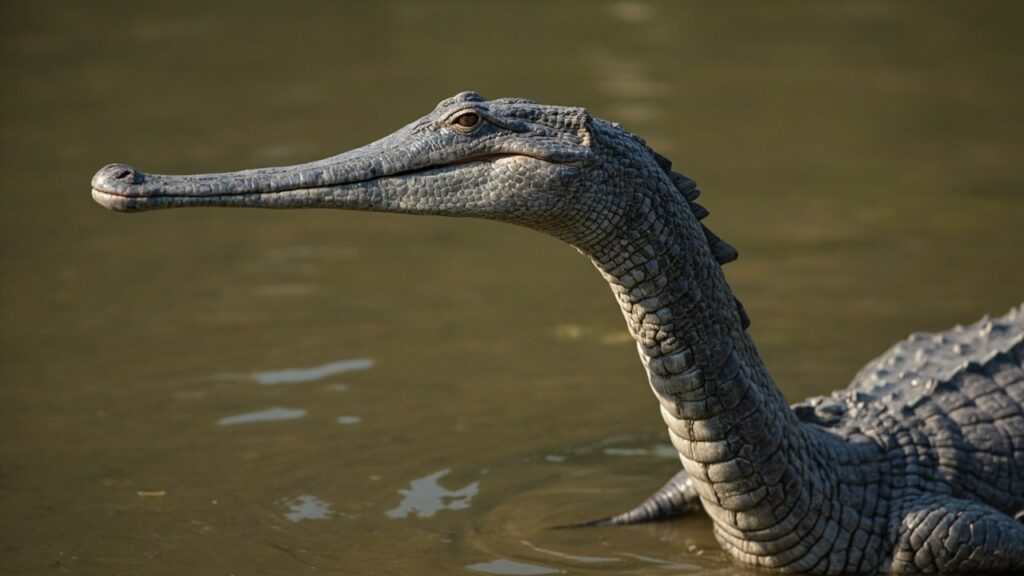
Gharials are fish-eating crocodilians of the Ganges basin. Dams, fishing nets and altered river habitat continue to threaten wild populations.
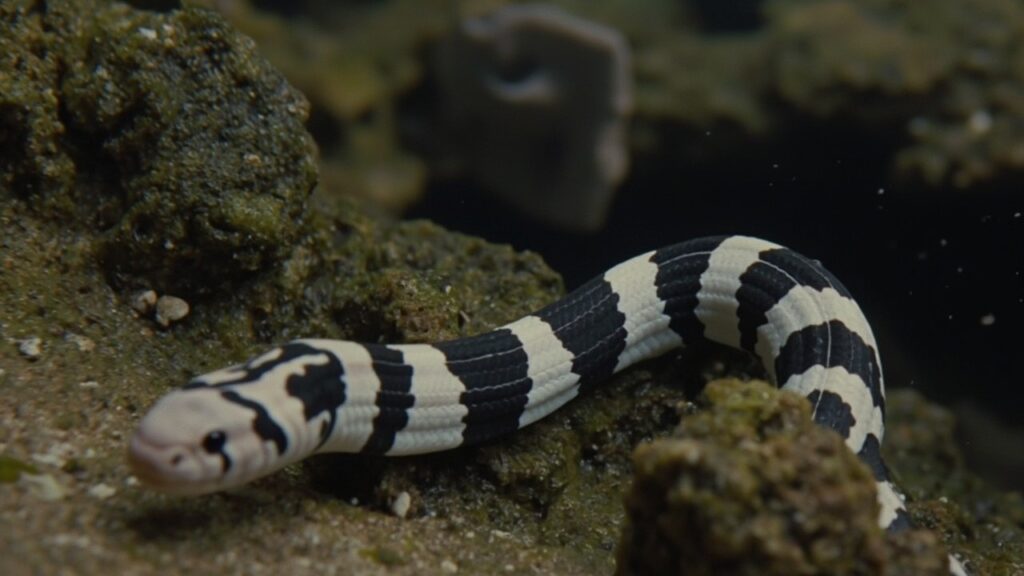
Sea kraits forage at sea and return to land to rest, digest, mate and lay eggs. Intertidal habitat supports movement between these environments.
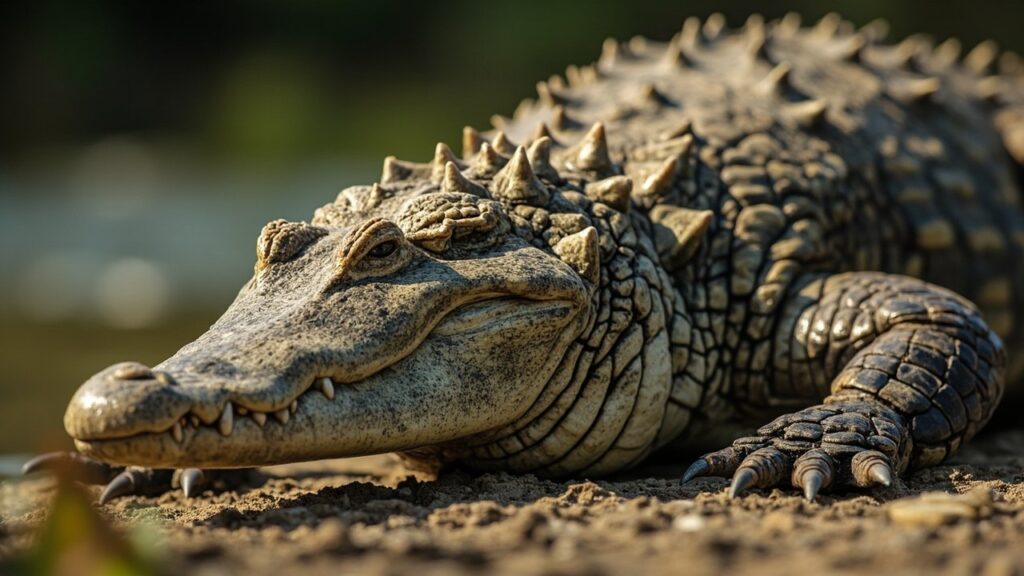
Estuarine crocodiles use rivers, deltas, mangroves and coastal waters. Habitat use, movement and diet vary with age, season and location.
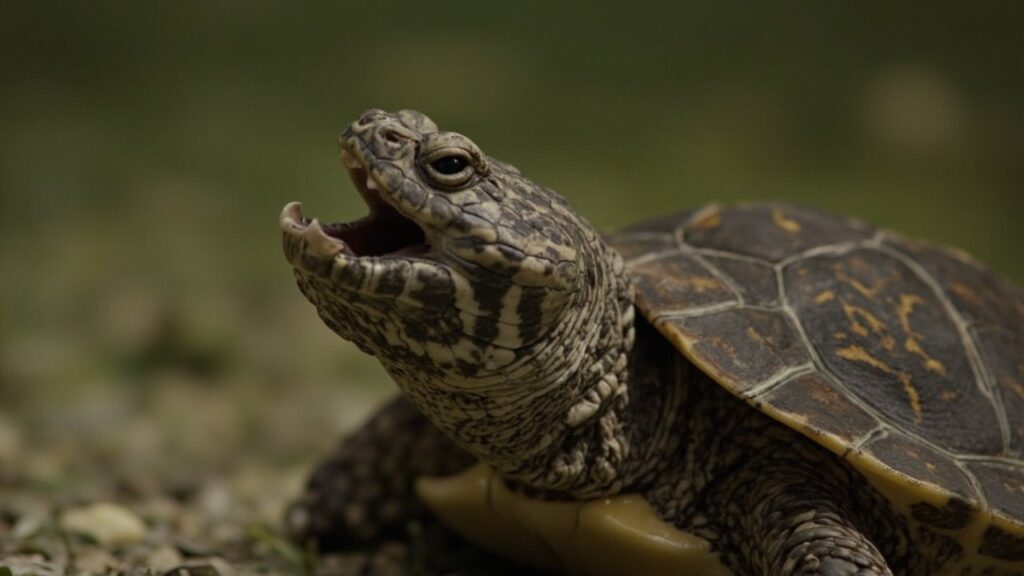
The Amazon basin supports several freshwater turtle species with different ranges, diets and conservation needs. Many depend on seasonal floodplains and exposed nesting beaches.
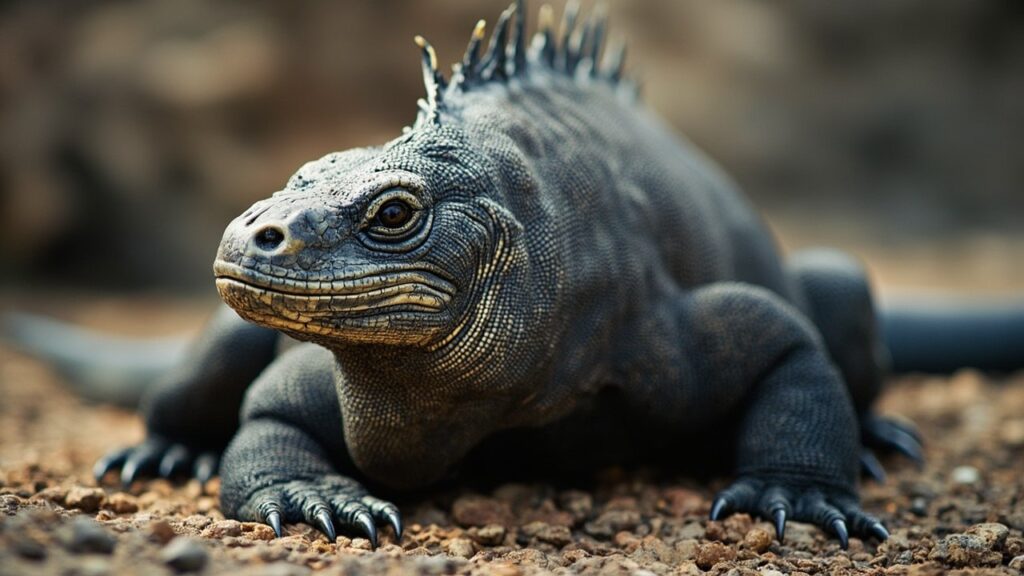
Marine iguanas are endemic to the Galapagos and feed mainly on marine algae. Salt glands, flattened tails and post-dive basking help them forage along volcanic coasts.
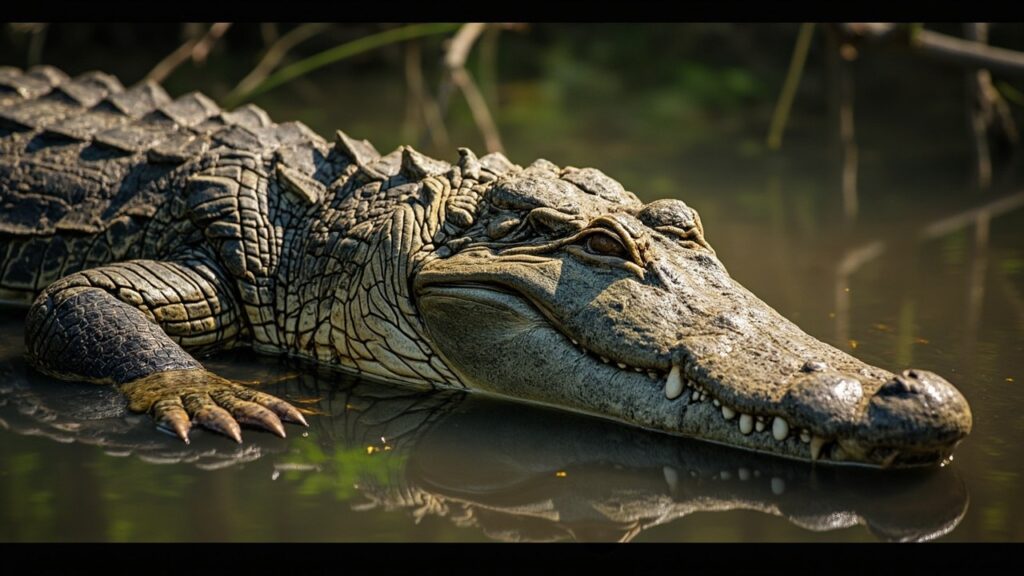
In the heart of the mangroves, saltwater crocodiles reign supreme, their ancient survival tactics sparking curiosity about their future in a changing world.
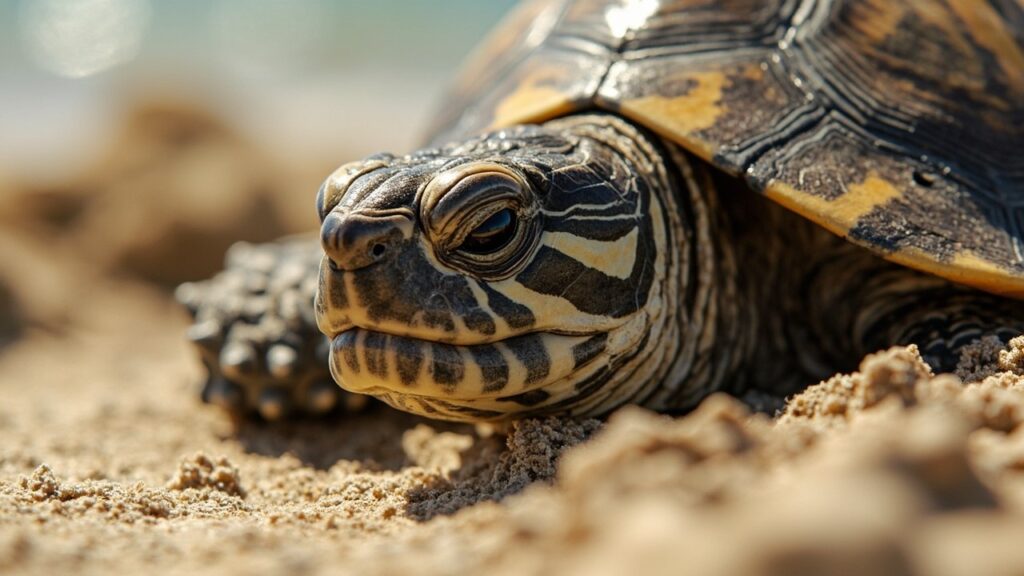
Sea turtle nesting varies by species and beach. Incubation conditions, artificial light, obstacles and vehicle tracks can affect hatchlings.
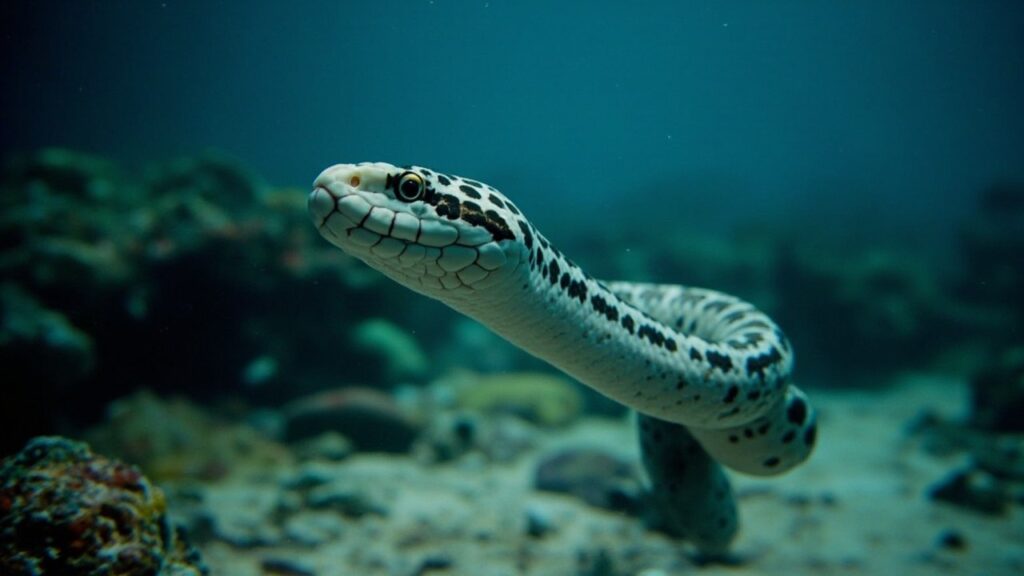
Sea snakes spend most or all of their lives at sea, while sea kraits regularly return to land. Both are air-breathing venomous reptiles and should be observed without handling.