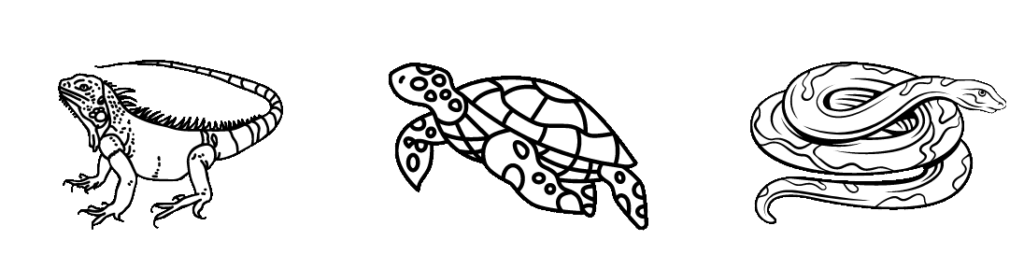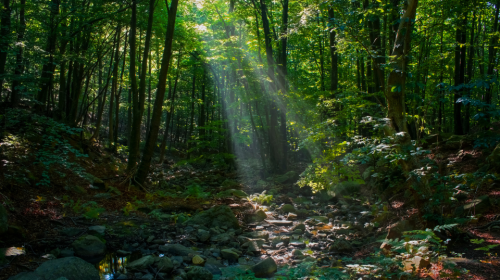
Rainforests
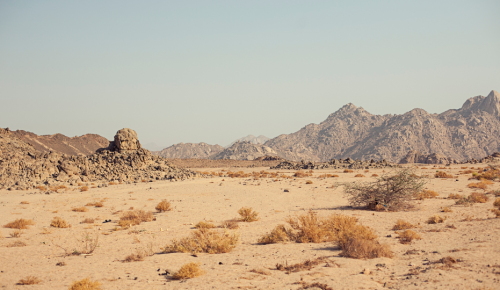
Deserts
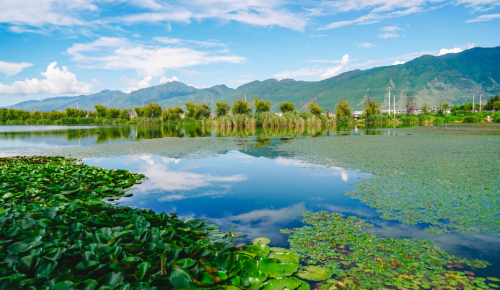
Wetlands
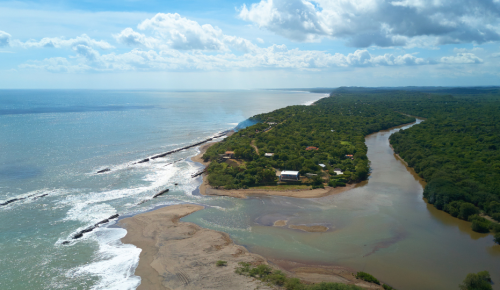
Oceans and Rivers
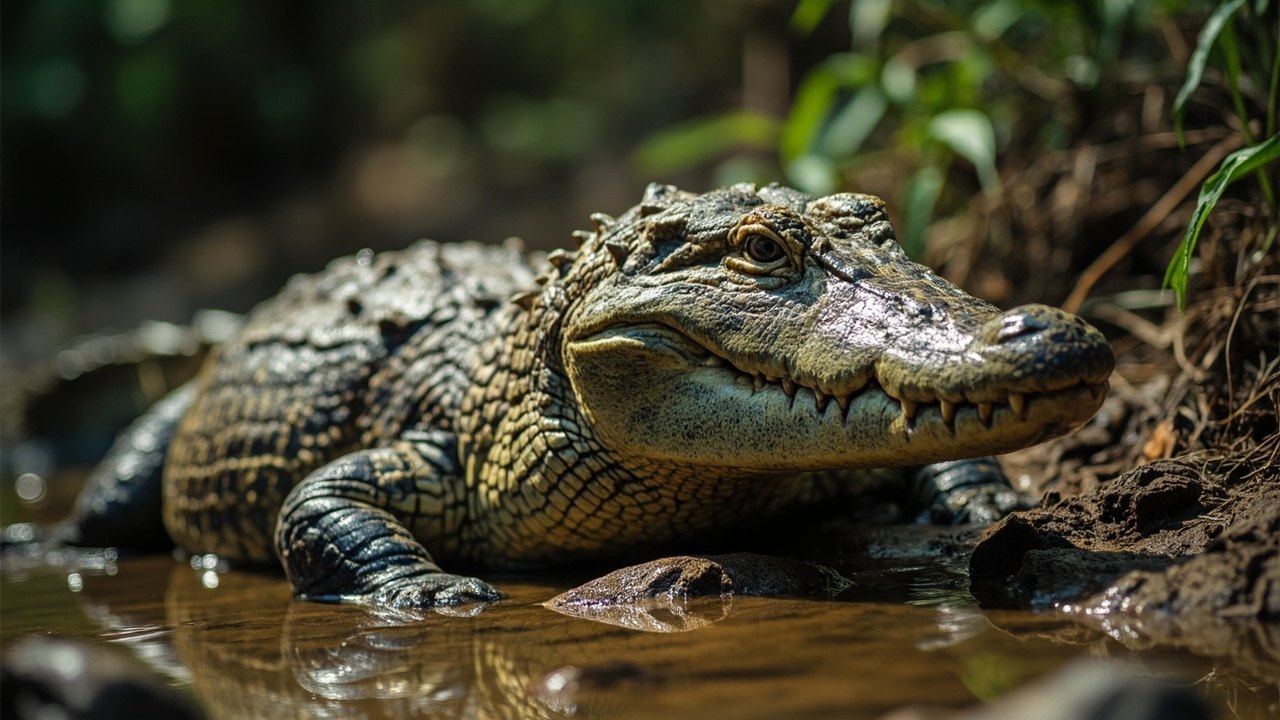
New Guinea Crocodiles of Island Rivers
The New Guinea freshwater crocodile uses swamps, lakes, marshes and rivers in northern New Guinea. It should be distinguished from...
More Habitat Info
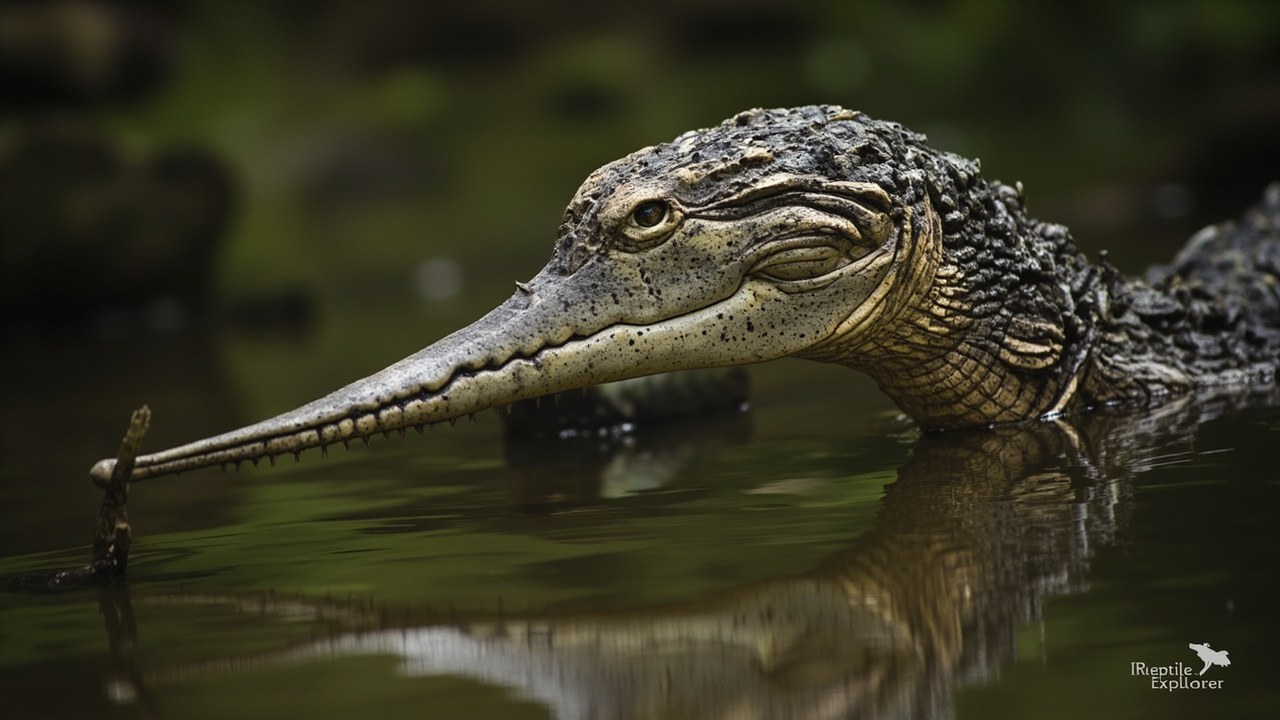
False Gharials of Sumatra’s Swamps
False gharials live in peat swamps and slow blackwater rivers in Sumatra. Wetland loss and entanglement in fishing gear threaten...
More Habitat Info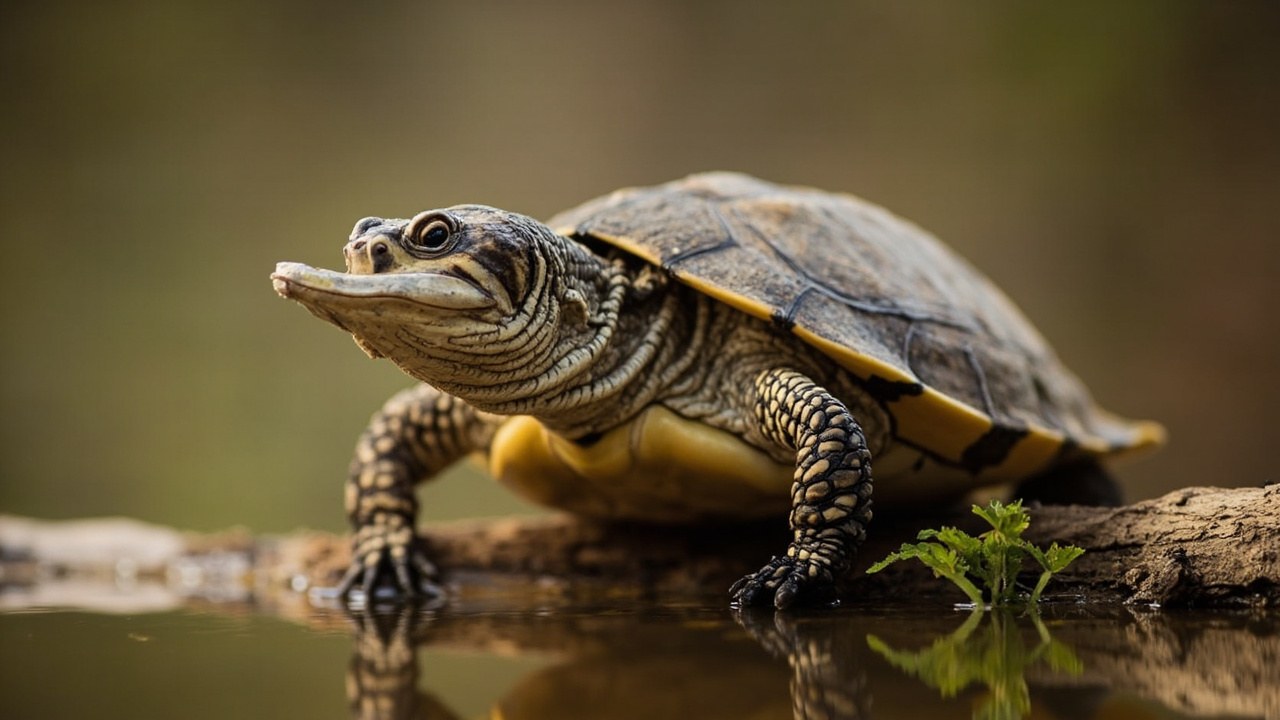
Fitzroy River Turtles of Australian Waterways
The Fitzroy River turtle is endemic to central Queensland’s Fitzroy drainage. Cloacal respiration helps it remain underwater, but clean, oxygen-rich...
More Habitat Info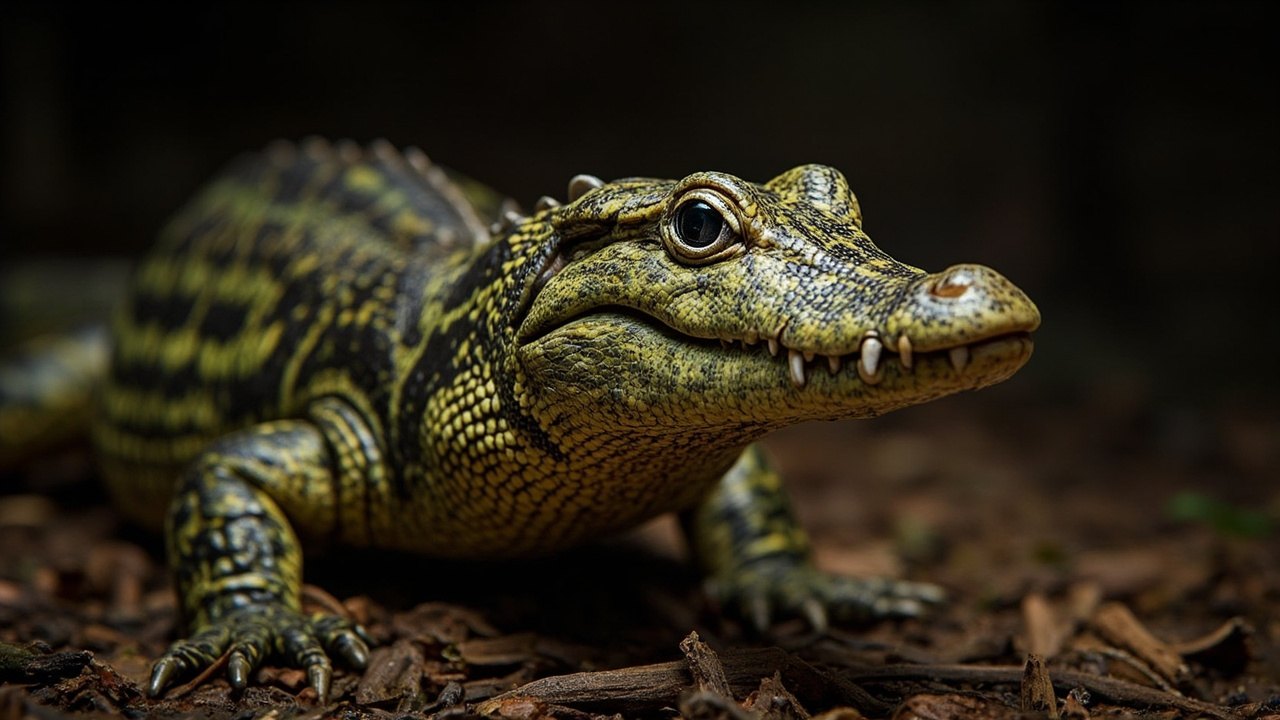
Dwarf Caimans of the Orinoco Floodplains
Cuvier’s dwarf caiman occurs across Amazon and Orinoco drainages, using forest streams, swamps, flooded forest and ponds. It is not...
More Habitat Info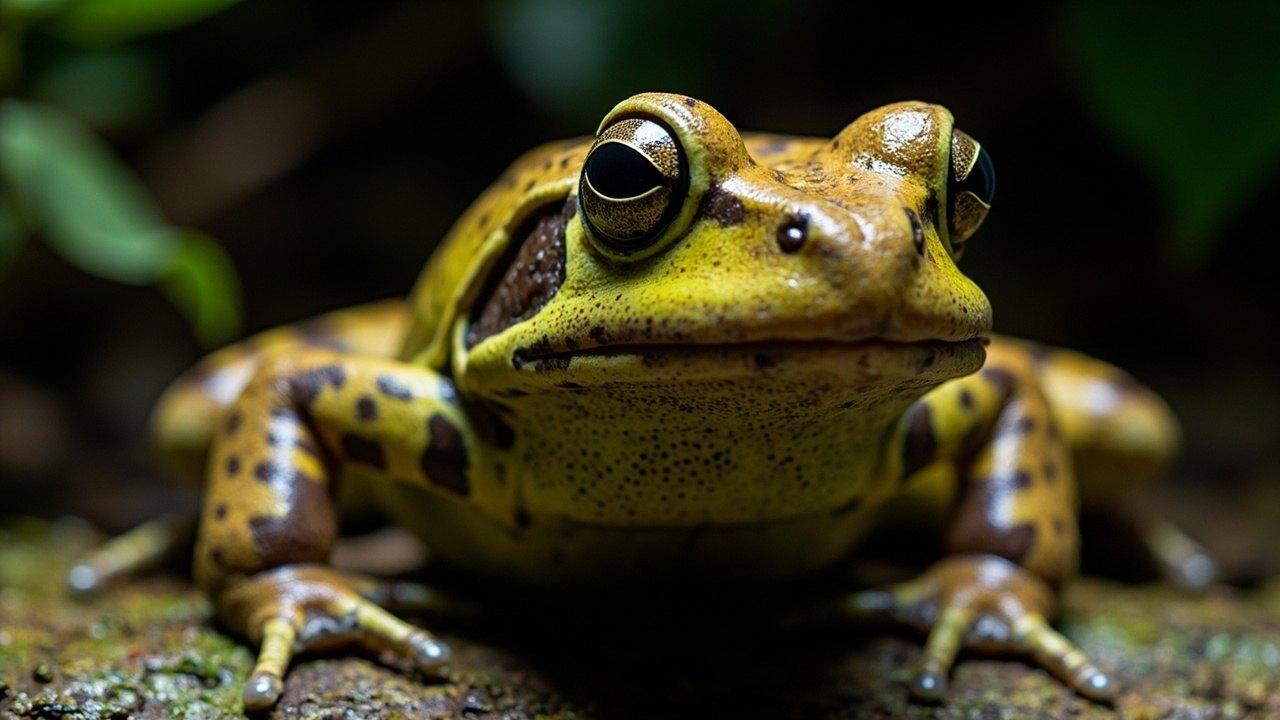
Goliath Frogs of Cameroon and Equatorial Guinea
Goliath frogs live beside fast-flowing rainforest streams in Cameroon and Equatorial Guinea. Hunting, forest loss, sedimentation and stream disturbance threaten...
More Habitat Info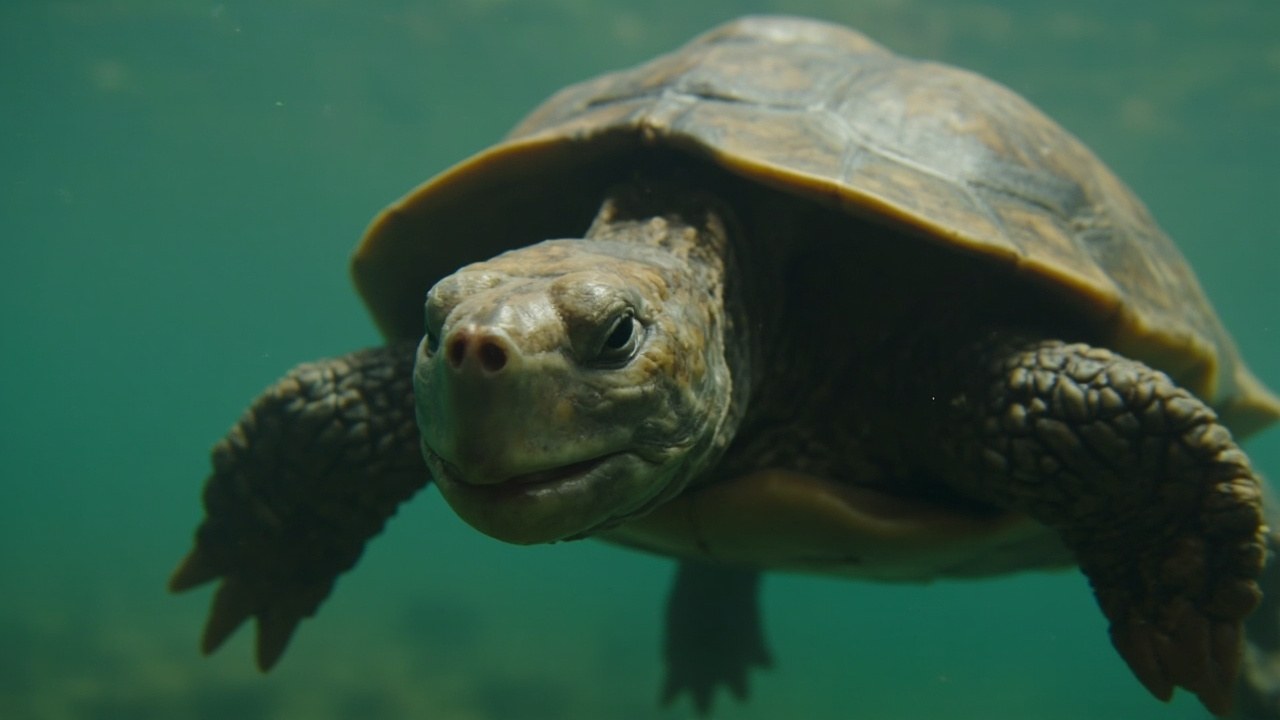
Pig-Nosed Turtles of New Guinea’s Rivers
Pig-nosed turtles inhabit rivers and wetlands of New Guinea and northern Australia. Egg harvest, collection and habitat change threaten populations.
More Habitat Info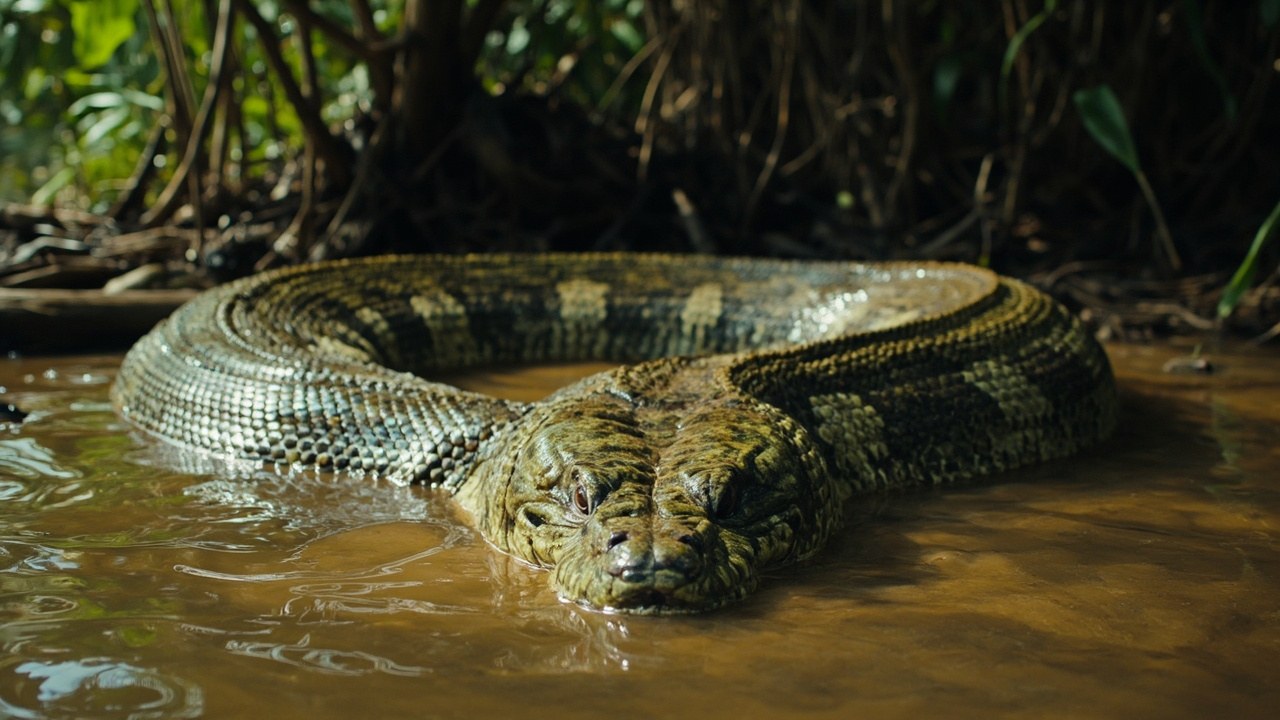
Anacondas of the Amazon River Basin
Anacondas occupy rivers, wetlands and flooded forests across tropical South America. Their ecology varies by species, habitat and seasonal water...
More Habitat Info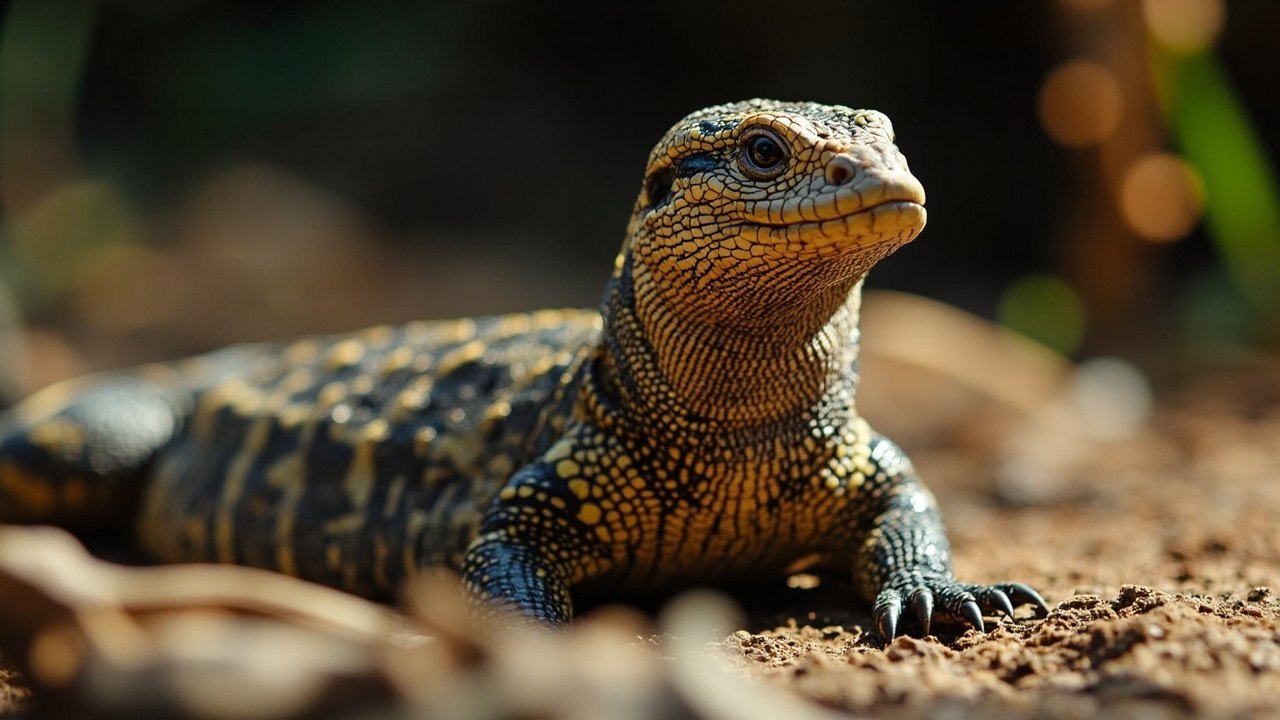
Nile Monitors of the Nile Basin
Nile monitors use rivers, wetlands and shorelines across much of sub-Saharan Africa. Diet, habitat use and conflict vary by location.
More Habitat Info