Understanding the Anatomy of Our Scaly Friends
- Home
- Reptile Anatomy
The World of Reptilian Physiology
Informational Resources
How Reptile Muscles Support Movement
Reptile muscles power movement, feeding, breathing and posture. Their arrangement and performance vary with body form, temperature and activity.
More Reptile InfoReproduction in Reptiles: Anatomy and Variation
Reptile reproductive anatomy differs among turtles, crocodilians, tuatara, snakes and lizards. Internal fertilisation, egg laying, live birth and reproductive timing...
More Reptile InfoReptile Skin: Scales, Scutes and Osteoderms
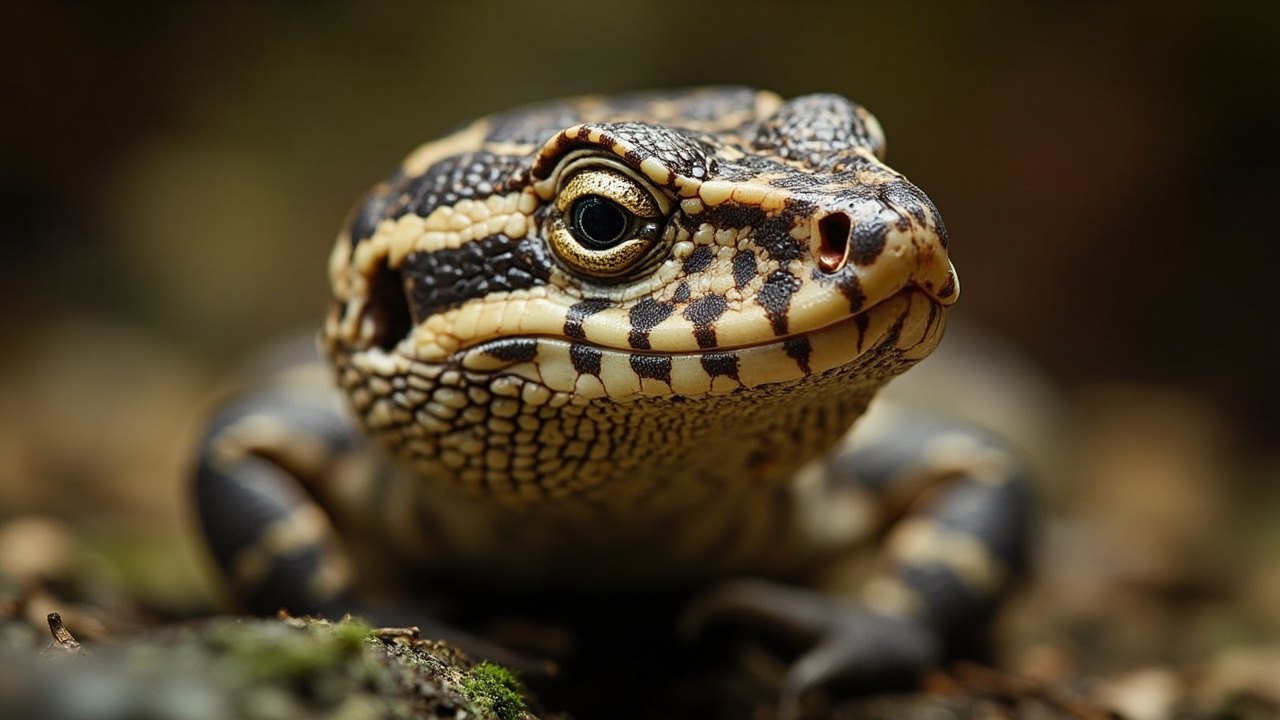
Reptile skin includes scales, scutes and, in some groups, bony osteoderms. Structure and shedding patterns vary by lineage and habitat.
More Reptile InfoReptile Sensory Organs: Sight, Sound and Chemical Cues
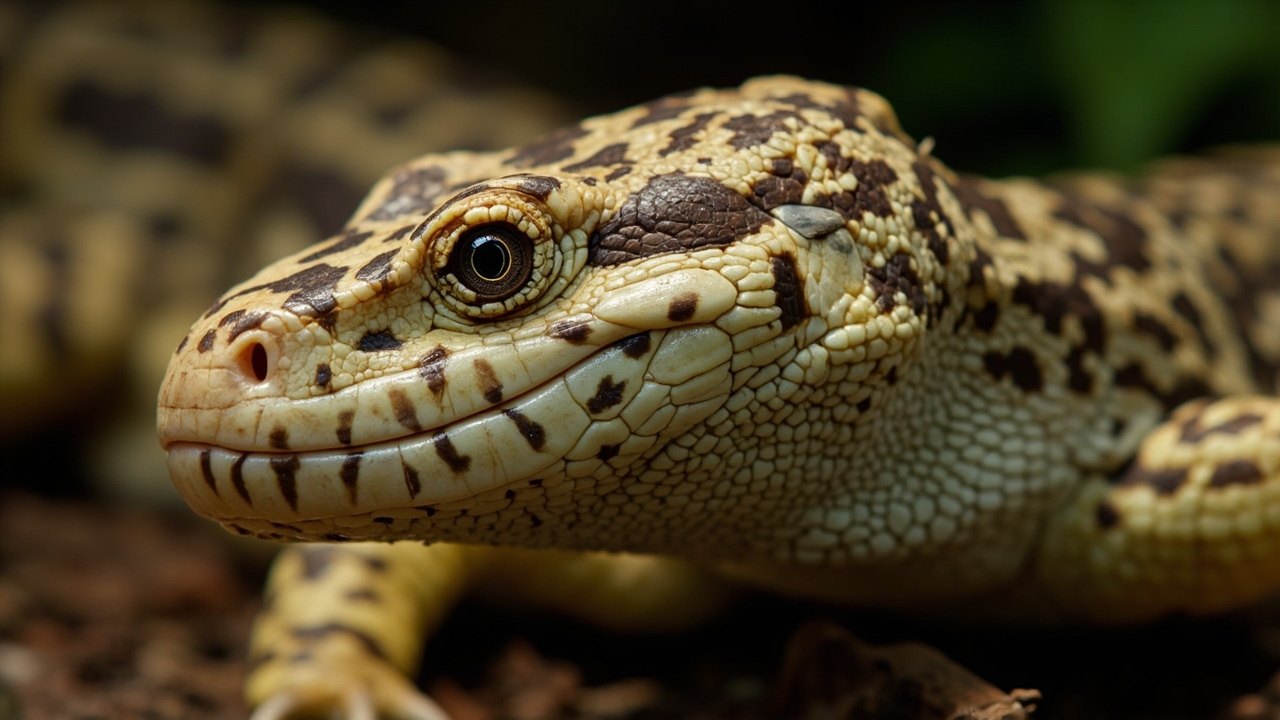
Reptile eyes, ears, chemical-sensing organs and heat receptors vary across lineages. No single sensory description applies to every turtle, crocodilian,...
More Reptile InfoThe Reptile Nervous System: Senses, Signals and Control
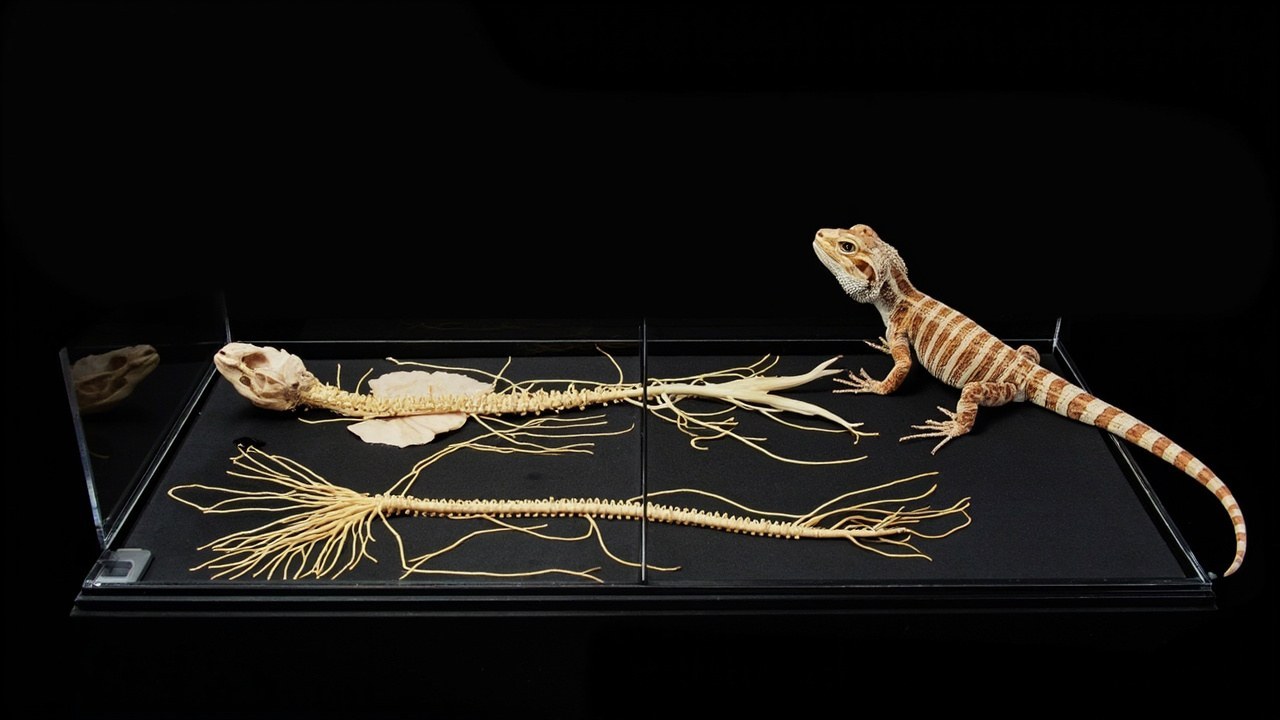
Reptile nervous systems process visual, chemical, tactile and other signals. Specialized senses occur in some lineages, not all reptiles.
More Reptile InfoReptile Digestion: Diet Shapes the Digestive Tract
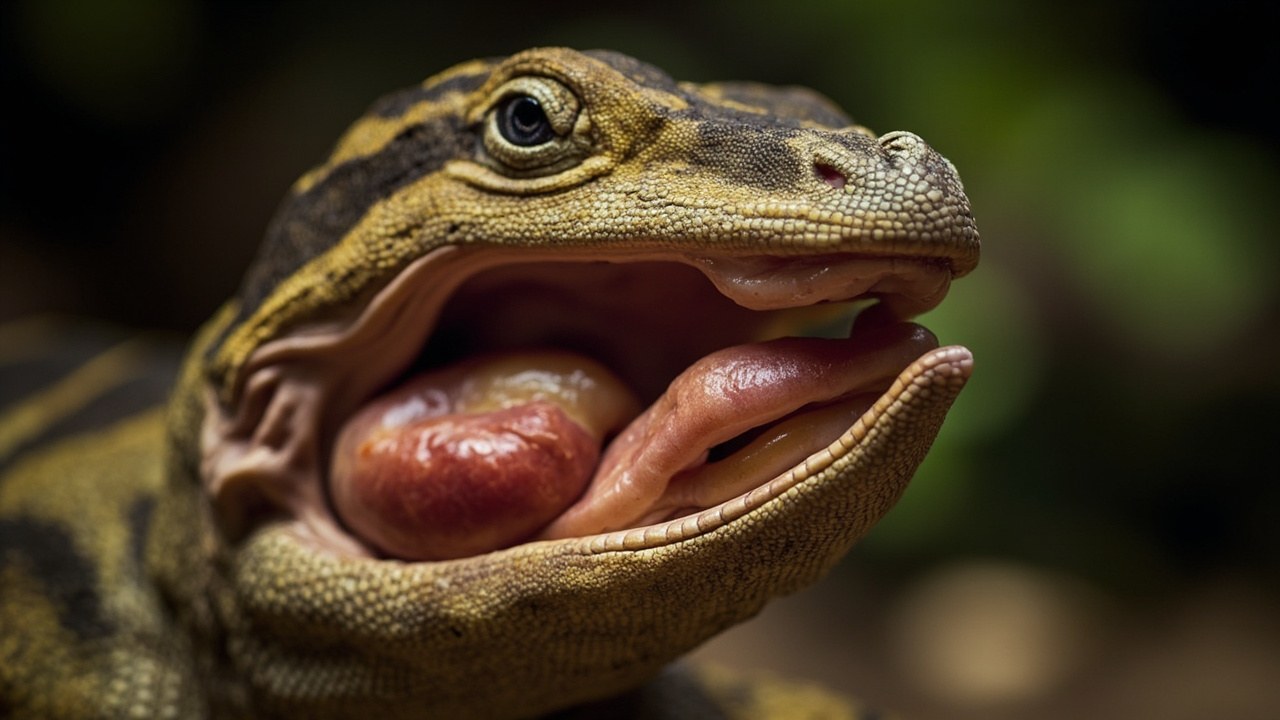
Reptile digestive tracts reflect diet and feeding pattern. Herbivorous species often rely on enlarged gut regions and microbial fermentation.
More Reptile InfoHow Reptiles Breathe: Diverse Lung and Ventilation Systems
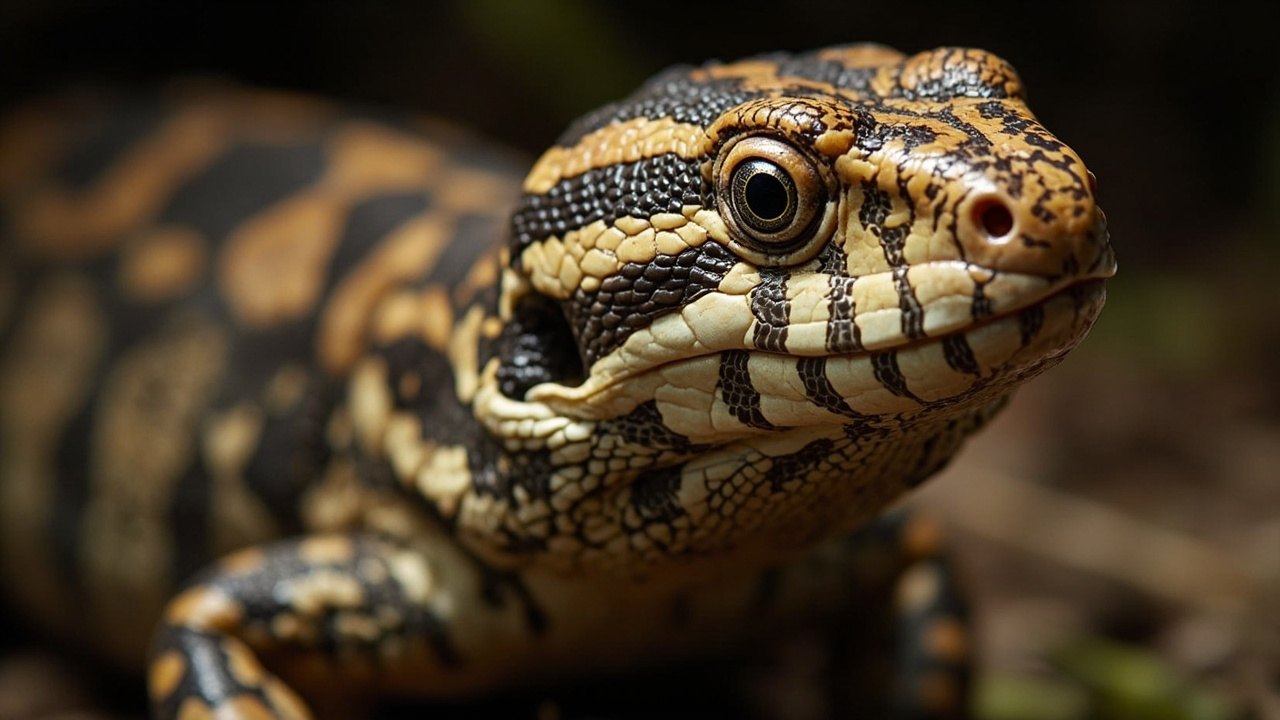
Reptile ventilation varies among lineages. Most use movements of the ribs and body wall, while some turtles and crocodilians use...
More Reptile InfoReptile Circulation: Hearts, Shunts and Oxygen Delivery
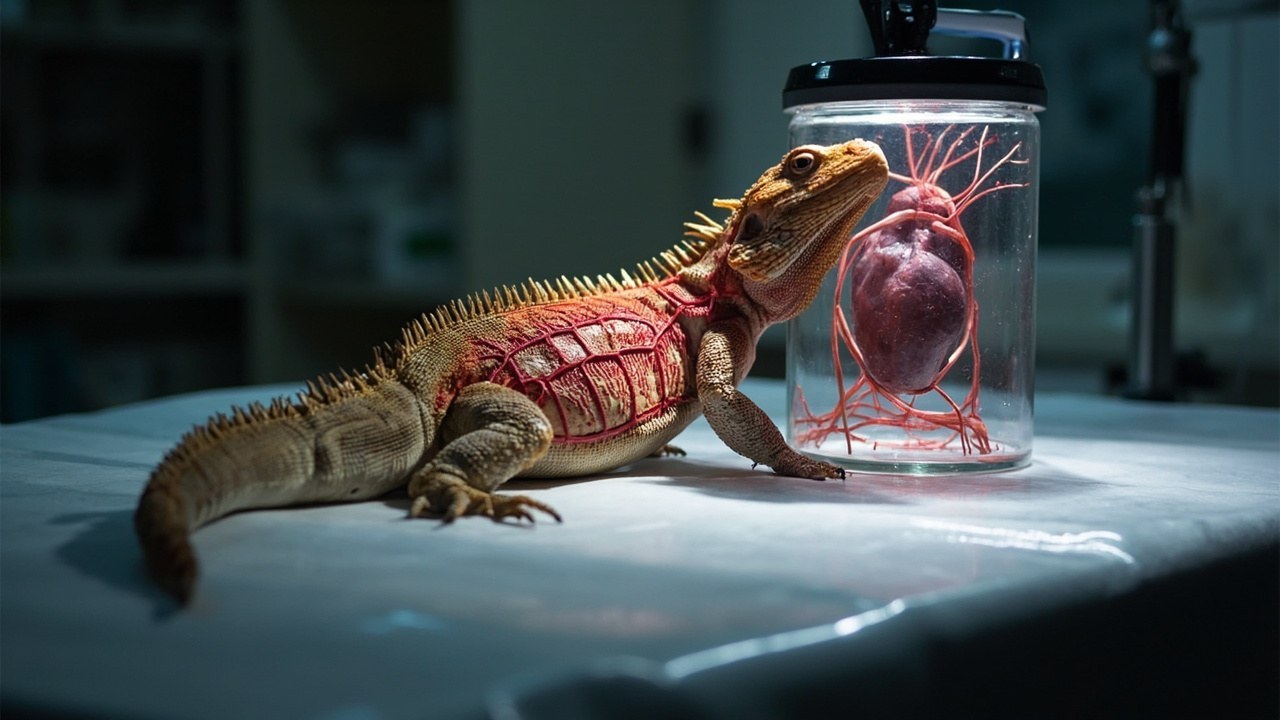
Reptile circulation varies among lineages. Heart structure and blood-flow shunts help meet demands for breathing, digestion and activity.
More Reptile InfoWhy Trust Us?
- Expertise
- Comprehensive Services
- Personalized Approach
- Trusted Reputation
- Education and Support
- Ethical Practices
- Trusted Reputation
- Education and Support
- Ethical Practices
Frequently Asked Questions
Reptile Anatomy is the study of the internal and external structures of reptiles, including their skeletal, muscular, digestive, and reproductive systems. Understanding reptile anatomy is crucial for veterinarians, researchers, and enthusiasts to diagnose illnesses, conduct research, and ensure the overall health and well-being of reptiles in captivity or the wild.
Reptile Anatomy is essential for various reasons. It helps in identifying abnormalities, diagnosing diseases, and designing appropriate treatment plans. Additionally, a thorough understanding of reptile anatomy aids in the conservation efforts of endangered species by providing insights into their physiological adaptations and ecological roles.
Reptile Anatomy services benefit a wide range of professionals and enthusiasts, including veterinarians, herpetologists, zookeepers, pet owners, educators, and researchers. These services cater to anyone seeking to deepen their understanding of reptile biology or requiring specialized knowledge for veterinary care, conservation projects, or educational programs.
Reptile Anatomy services encompass a variety of offerings tailored to meet the diverse needs of clients. This may include anatomical consultations, dissections, specimen preparation, comparative anatomical studies, educational workshops, and customized training sessions. These services are designed to provide comprehensive insights into reptile morphology and physiology.
Reptile Anatomy services are typically conducted by experienced professionals with expertise in reptile biology and anatomy. Depending on the specific service, procedures may involve hands-on dissections, diagnostic imaging, specimen preservation, or virtual demonstrations. These services are performed with meticulous attention to detail and adherence to ethical and scientific standards.
Reptile Anatomy services are available through reputable institutions, veterinary clinics, research laboratories, and specialized consulting firms like Reptile Explorer. Clients can inquire about services, schedule consultations, or request tailored solutions to meet their specific needs. Additionally, online resources, publications, and educational platforms may offer valuable insights into reptile anatomy for enthusiasts seeking self-directed learning opportunities.
Contact us today!