
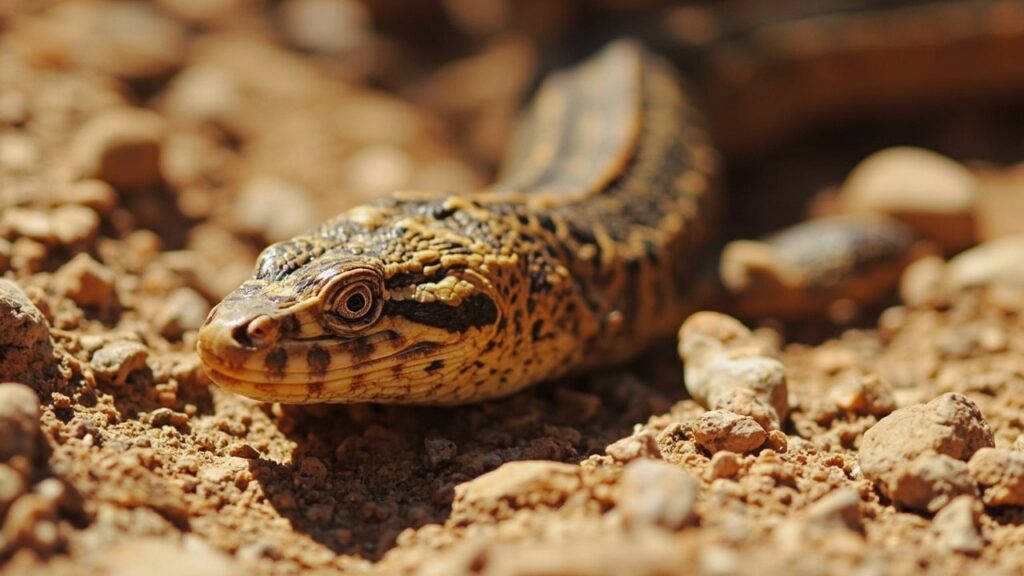
Reptiles in Extreme Habitats
Reptiles in deserts, mountains and cold regions use behaviour and physiology to manage heat, water and seasonal limits. Adaptations vary.
Reptiles in deserts, mountains and cold regions use behaviour and physiology to manage heat, water and seasonal limits. Adaptations vary.
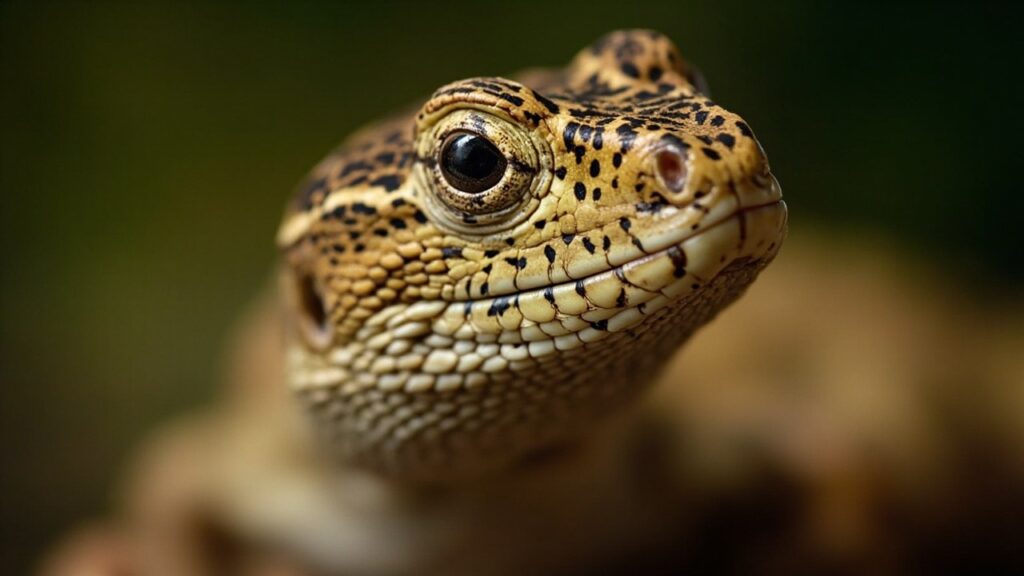
Reptile senses vary among species and habitats. Vision, hearing, vibration, chemical cues and heat sensitivity provide different information to turtles, crocodilians, snakes and lizards.
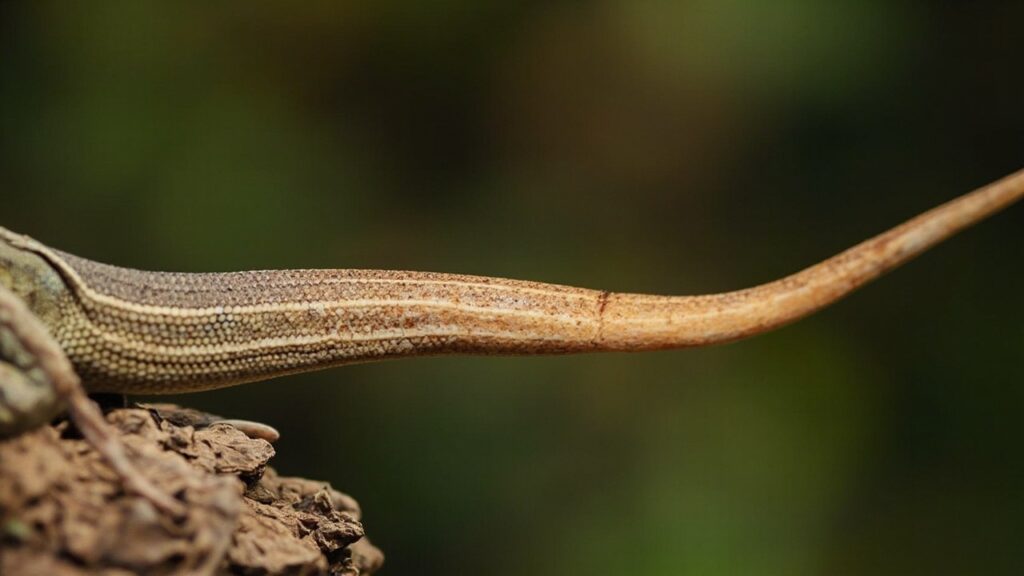
Many lizards can regrow part of a lost tail, but the replacement differs from the original. Regeneration is limited in other reptile groups.
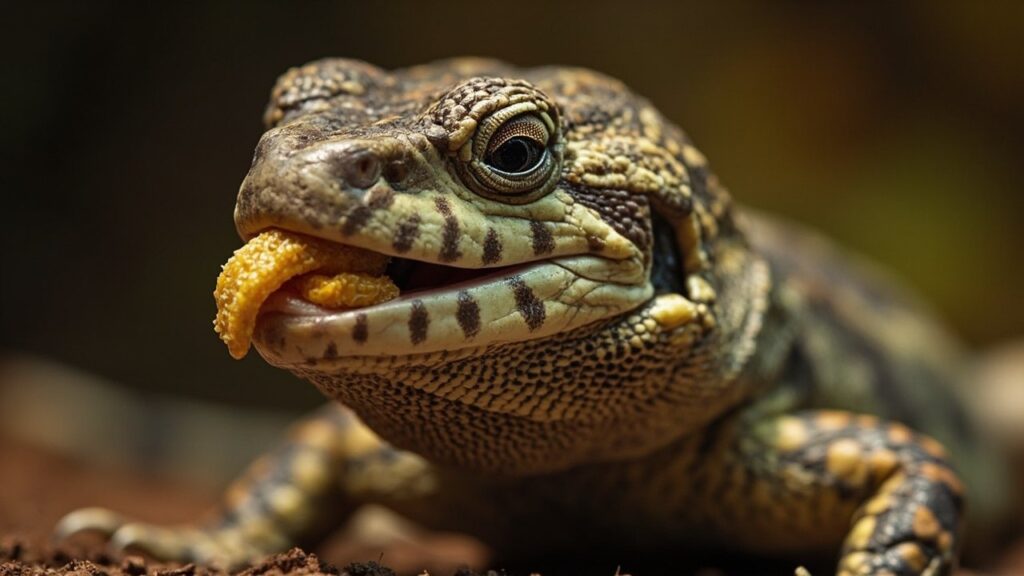
Some reptiles specialize on prey such as ants, snails, fish or eggs. Captive diets must match the biology and nutritional needs of each species.
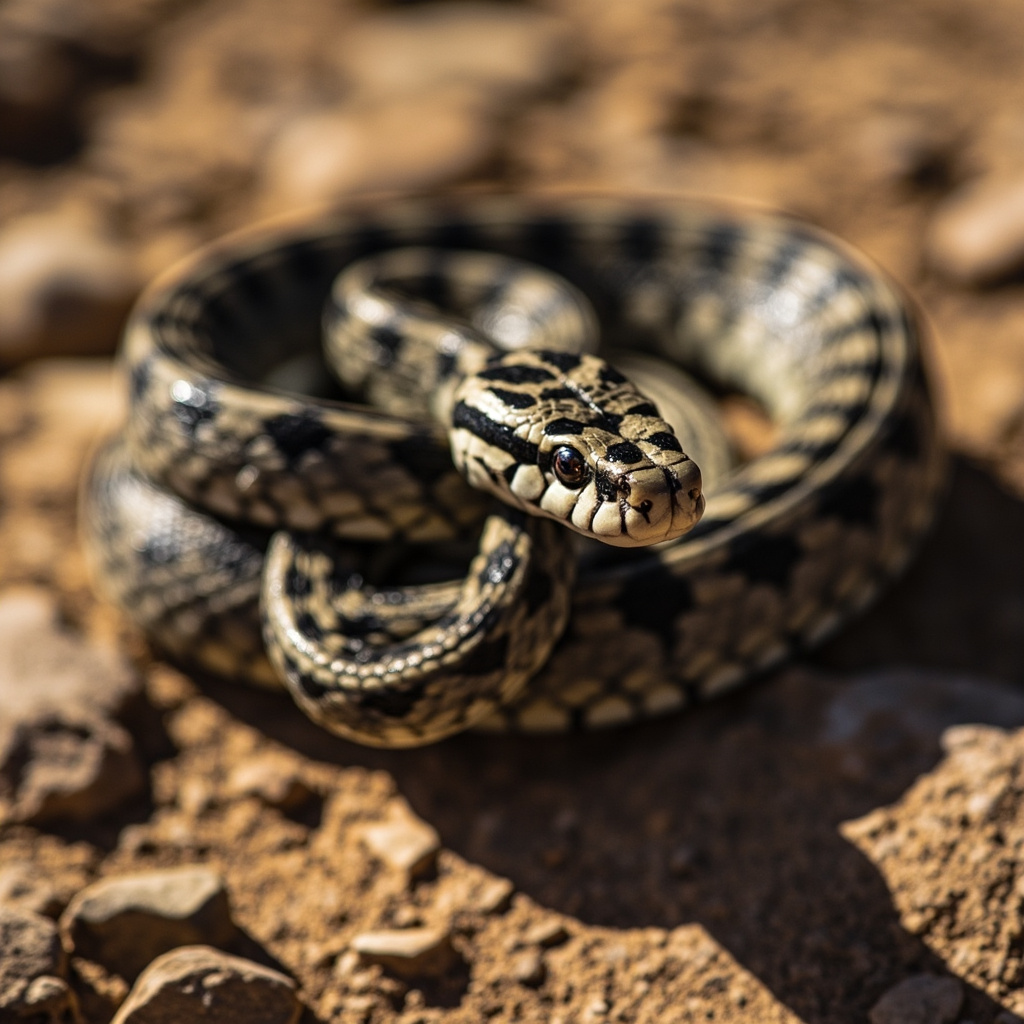
Risk from a venomous reptile depends on species, dose, bite location, health and treatment time. Safe practice is to avoid handling.
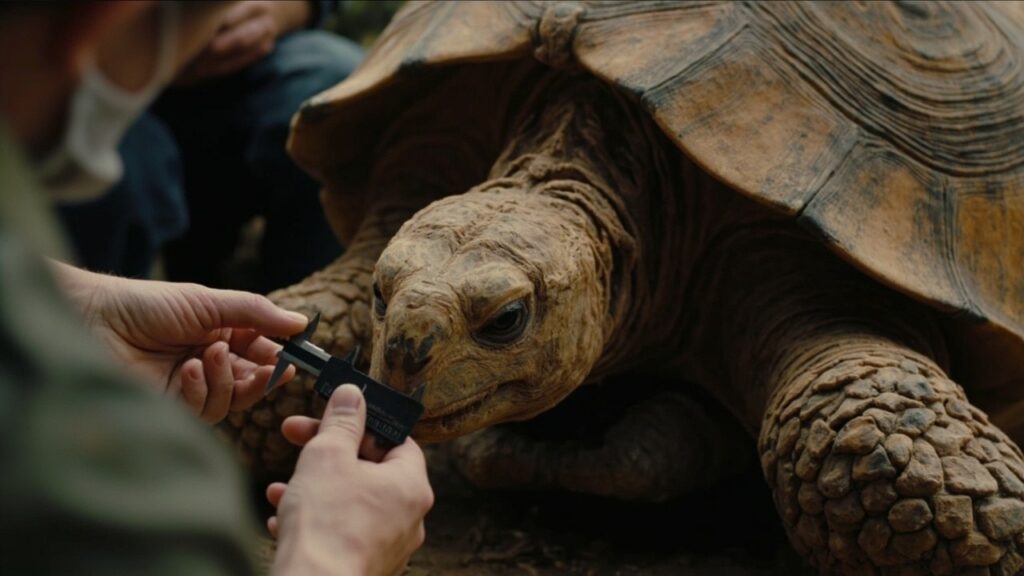
Reptile lifespans range from a few years to many decades. Reliable estimates depend on known-age records and species-specific evidence rather than size or anecdote.
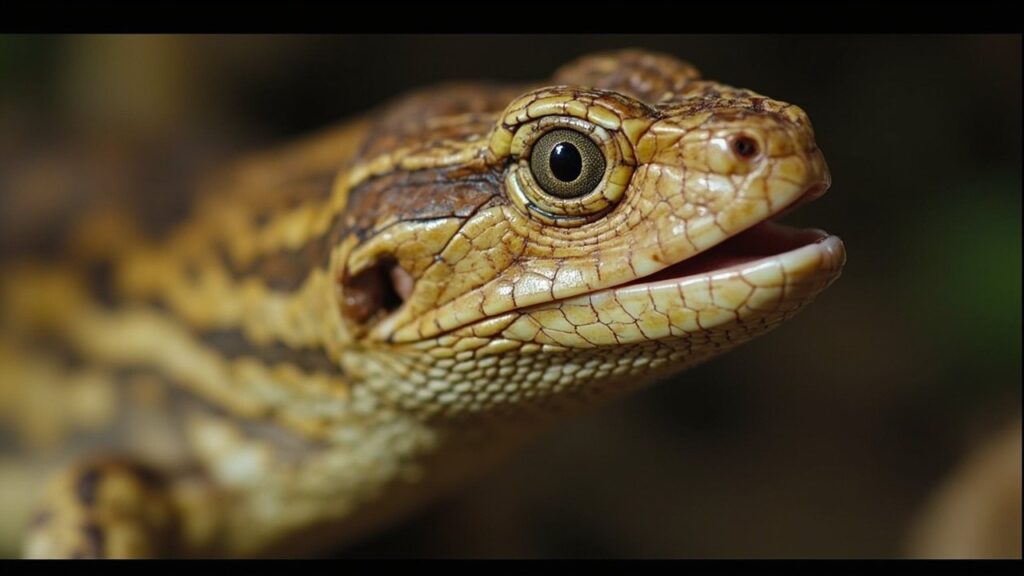
Reptile speed varies with species, body size, temperature, terrain, motivation and distance. Short bursts do not represent sustained travel.
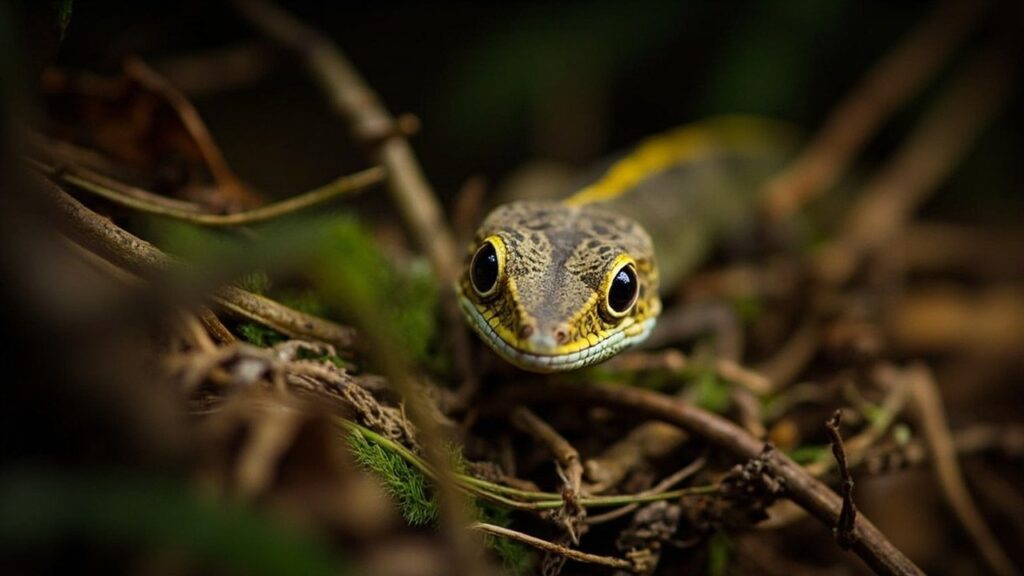
Reptile camouflage can involve colour, pattern, body shape, posture and behaviour. Its effectiveness depends on habitat and viewing conditions.
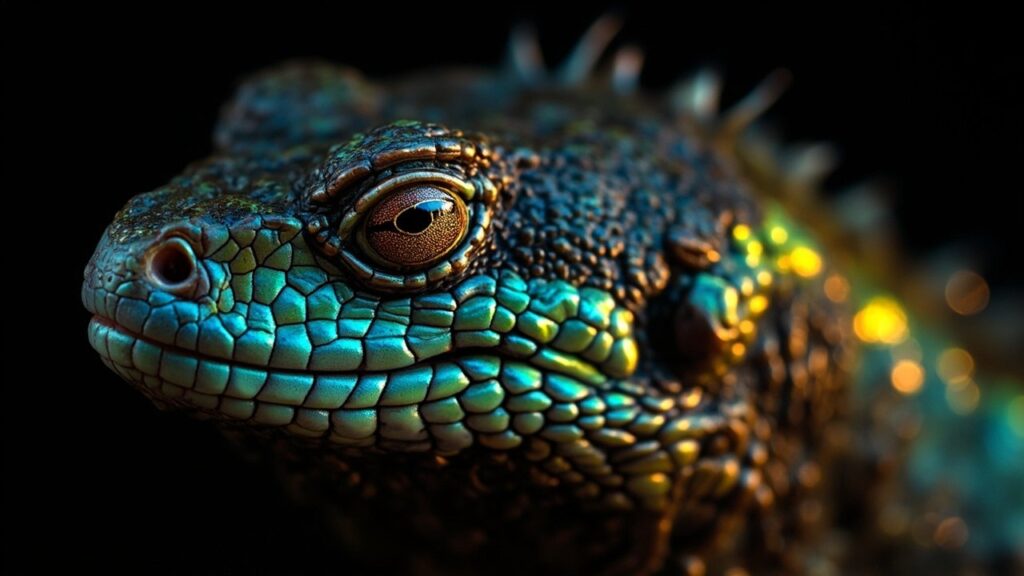
Iridescence in some reptile scales comes from microscopic structures that reflect light at different wavelengths and viewing angles.
Saltwater crocodiles are the largest living reptiles, leatherbacks the largest turtles, reticulated pythons the longest snakes and green anacondas the heaviest snakes.