
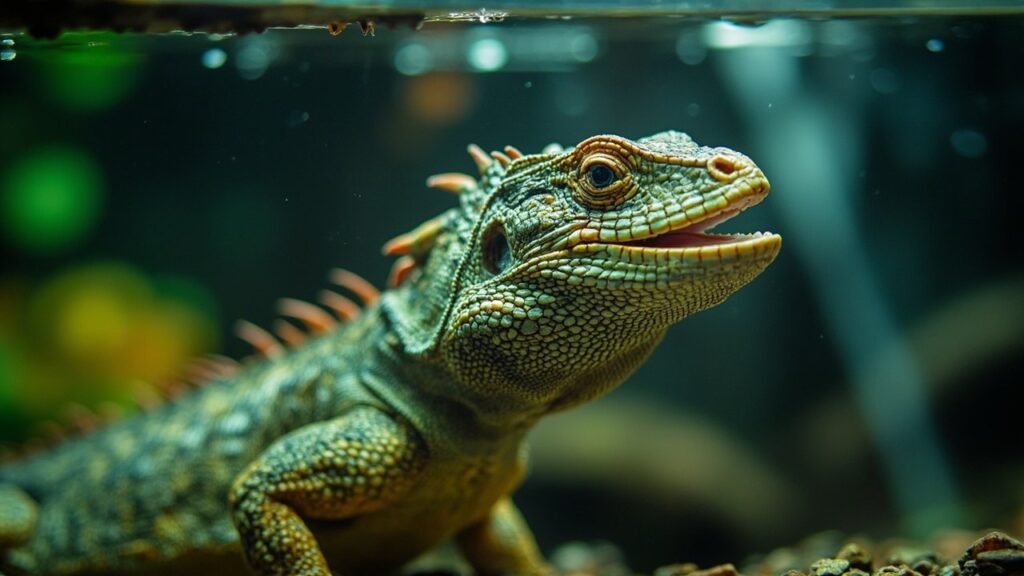
Chinese Water Dragons: Breath-Holding Swimmers
Chinese water dragons are air-breathing lizards that can swim and hide underwater by holding their breath. They must return to the surface to breathe.
Chinese water dragons are air-breathing lizards that can swim and hide underwater by holding their breath. They must return to the surface to breathe.
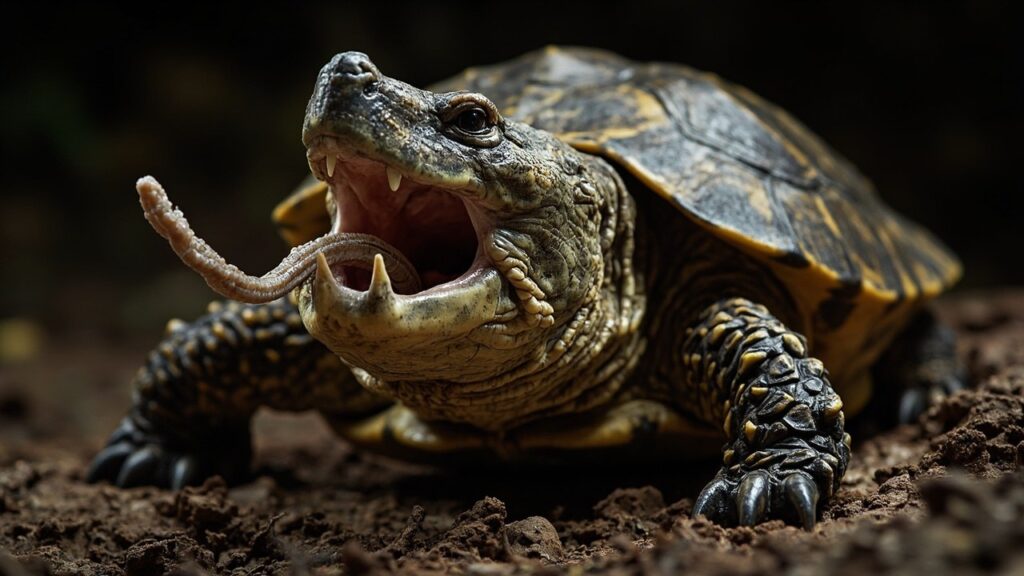
Alligator snapping turtles use a mobile, worm-like tongue appendage as a lure while waiting with the mouth open for nearby prey.
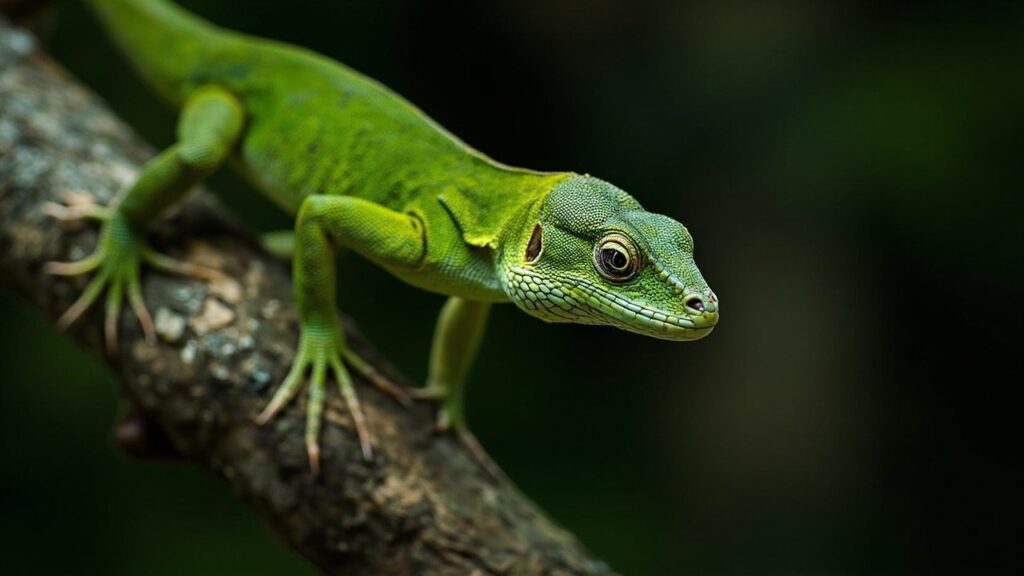
Emerald tree monitors are arboreal lizards that use strong limbs, curved claws and a prehensile tail to move and forage in trees.
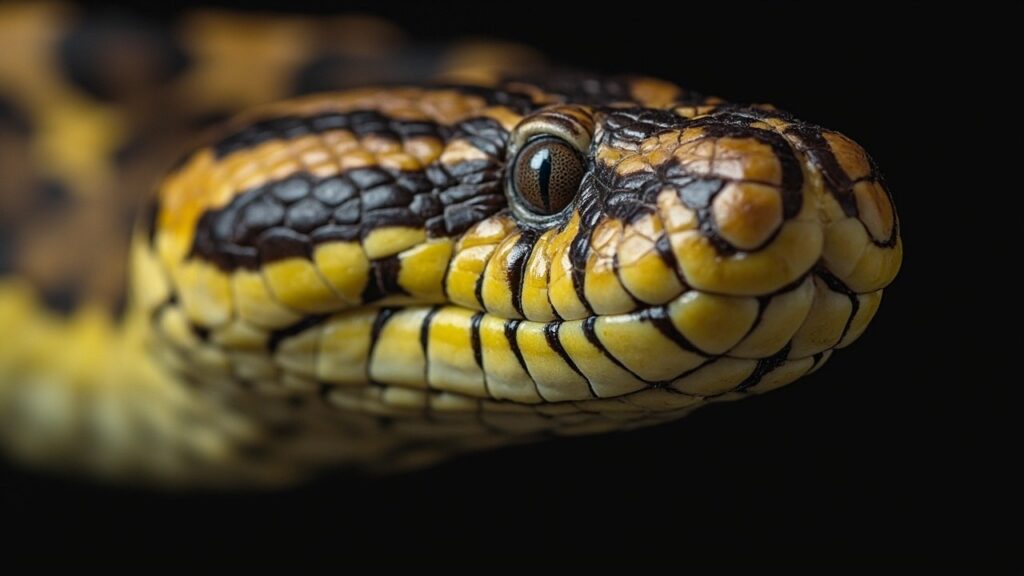
Boa constrictors detect thermal contrast with heat-sensitive receptors in their labial scales. Unlike pit vipers, they do not have external labial or loreal pit organs.
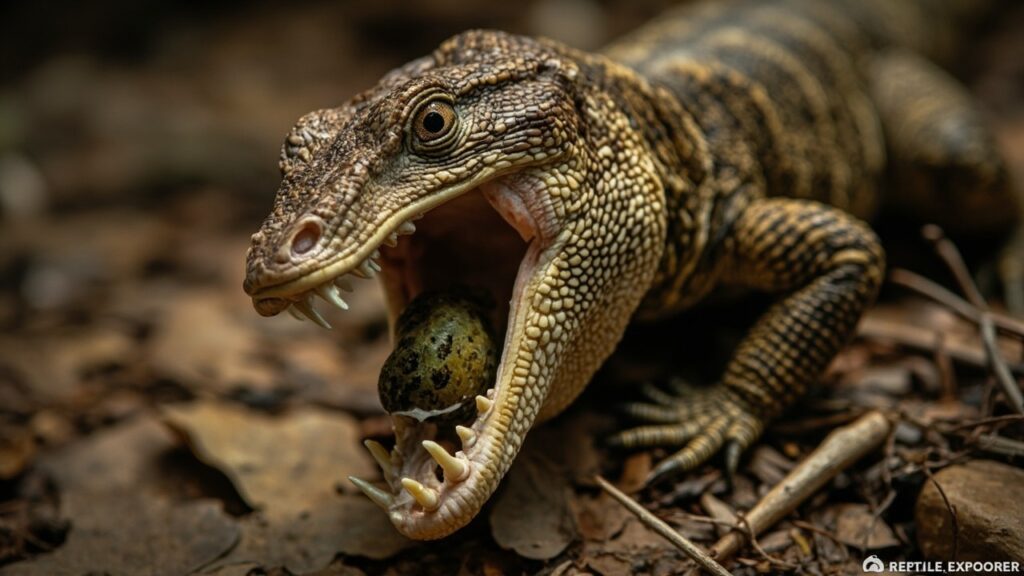
Caiman lizards use rounded rear teeth and strong jaws to crush snails and other hard-shelled prey. They are semi-aquatic lizards of northern South American wetlands.
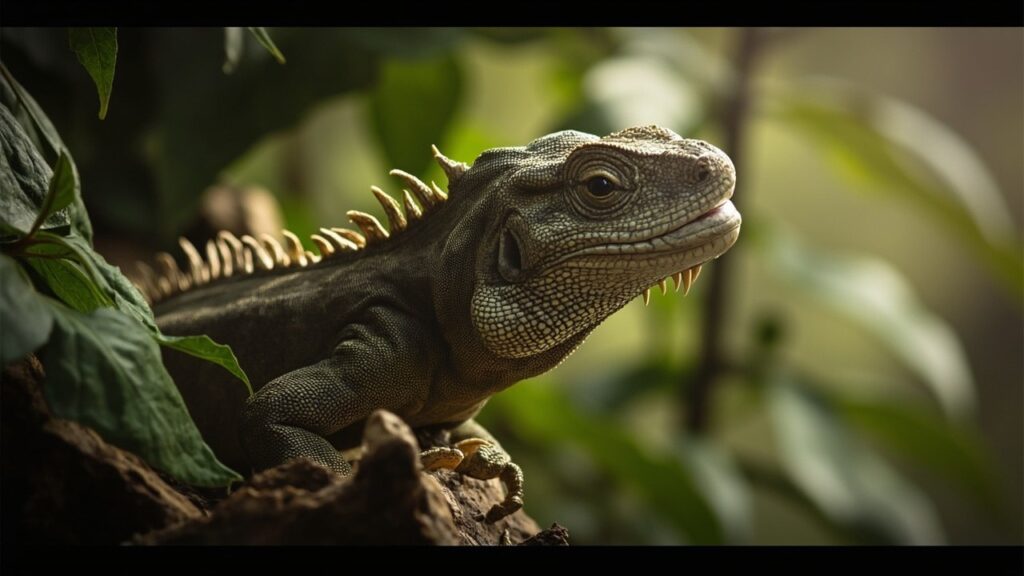
Rhinoceros iguanas have enlarged scales on the snout. Their development and function are not fully resolved and may vary among individuals.
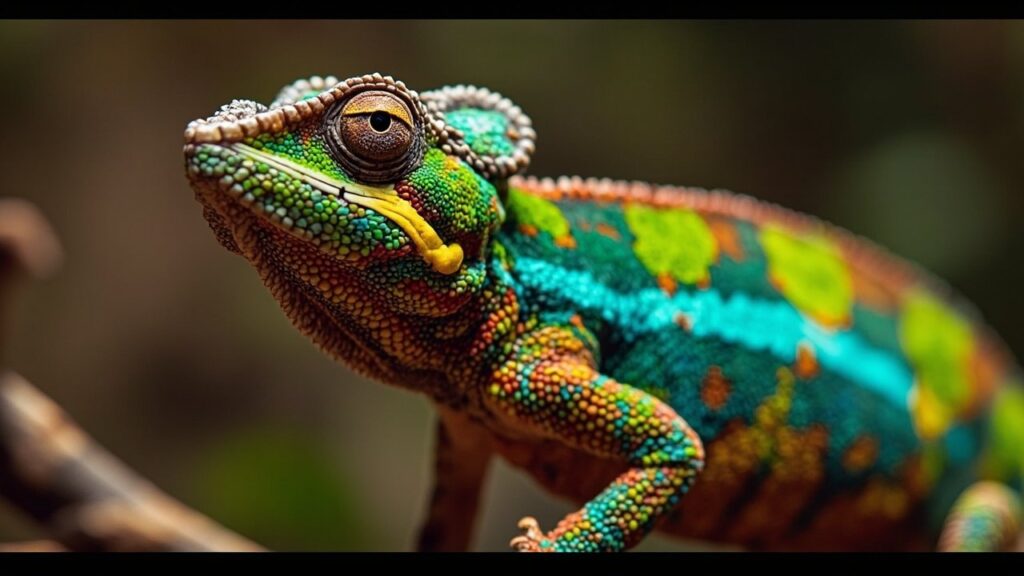
Panther chameleons change colour through skin structures that alter reflected light. Social state, temperature and lighting can affect appearance.
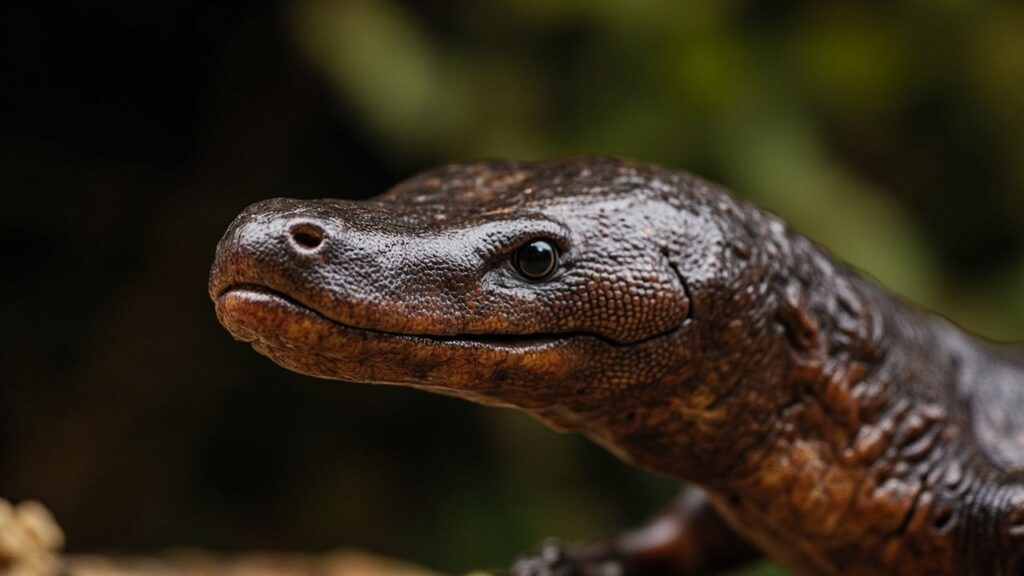
Hellbenders are fully aquatic salamanders of cool, clean rivers in eastern North America. Sedimentation, pollution and damaged streambeds reduce the habitat available to this amphibian.
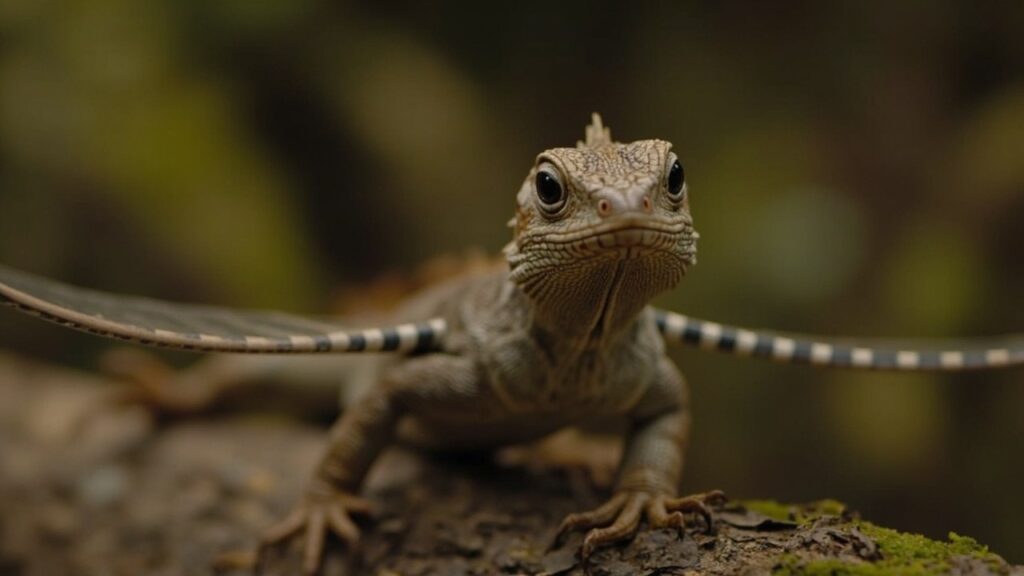
Draco lizards glide between trees using rib-supported membranes. Their limbs, body and tail help steer and land within connected forest canopies.
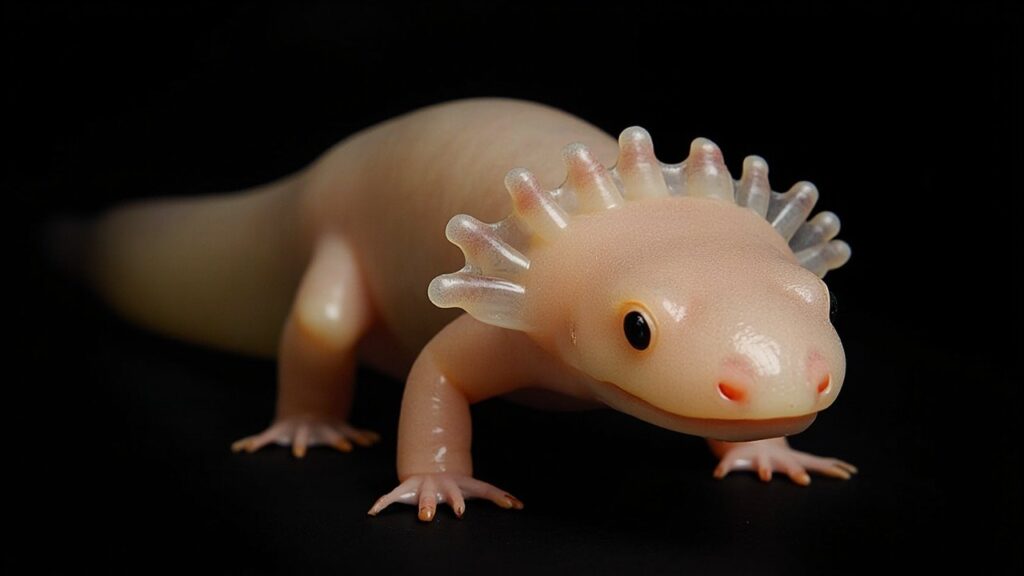
Axolotls can regenerate limbs and parts of the spinal cord and heart, making them useful research models. Wild axolotls are Critically Endangered in their native Xochimilco habitat.