
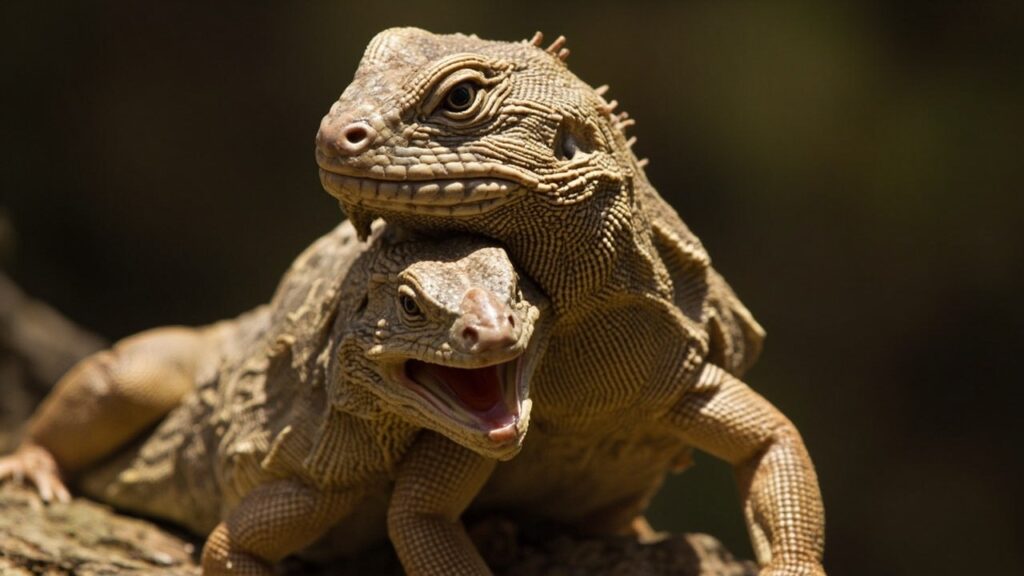
Armadillo Girdled Lizards: A Defensive Tail-Gripping Posture
Armadillo girdled lizards may curl into a ring and grip the tail when threatened, shielding the softer underside with armoured scales.

Armadillo girdled lizards may curl into a ring and grip the tail when threatened, shielding the softer underside with armoured scales.
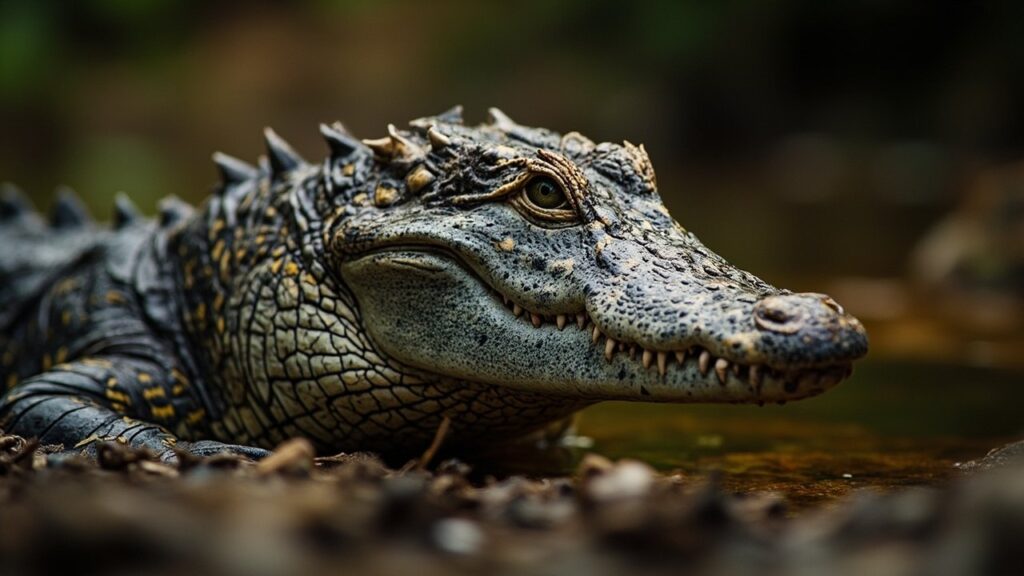
Chinese alligators survive in a small, fragmented part of the lower Yangtze region. Recovery depends on protected wetlands, careful release programmes and long-term monitoring.
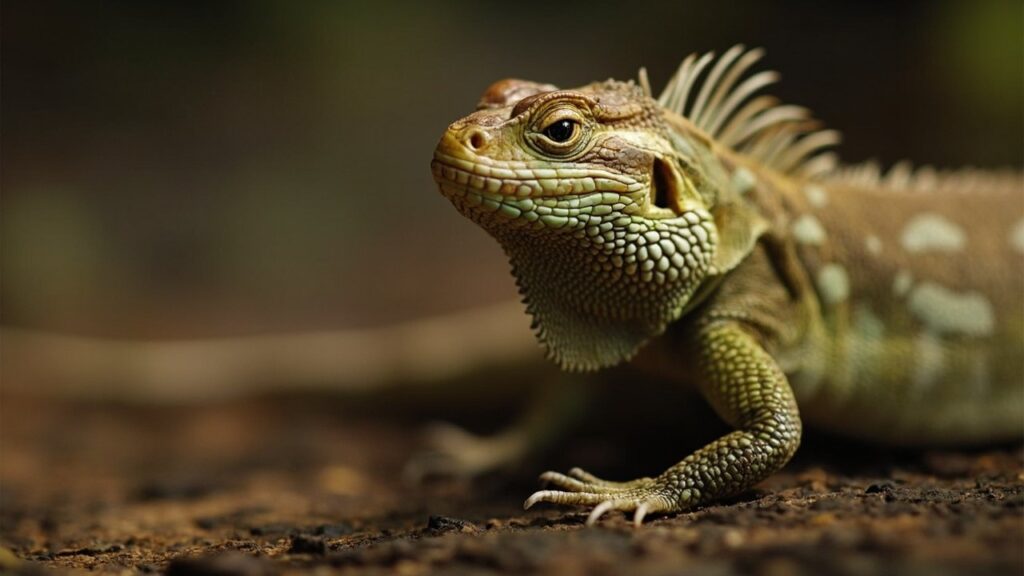
Many lizards can regrow part of a lost tail, but the replacement differs from the original in bone, muscle and scale structure. Ability varies by species.
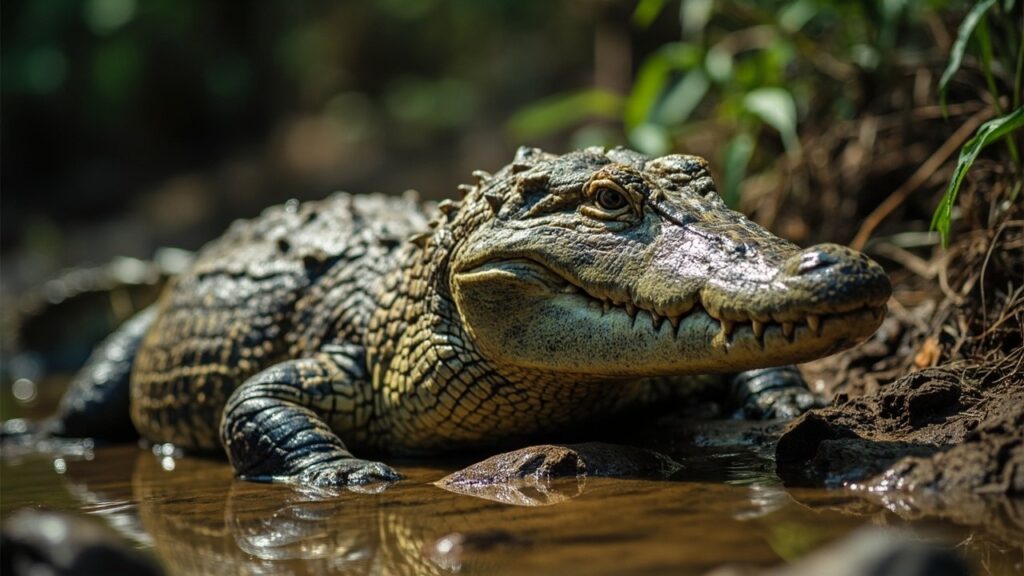
The New Guinea freshwater crocodile uses swamps, lakes, marshes and rivers in northern New Guinea. It should be distinguished from saltwater crocodiles and observed only from a safe distance.
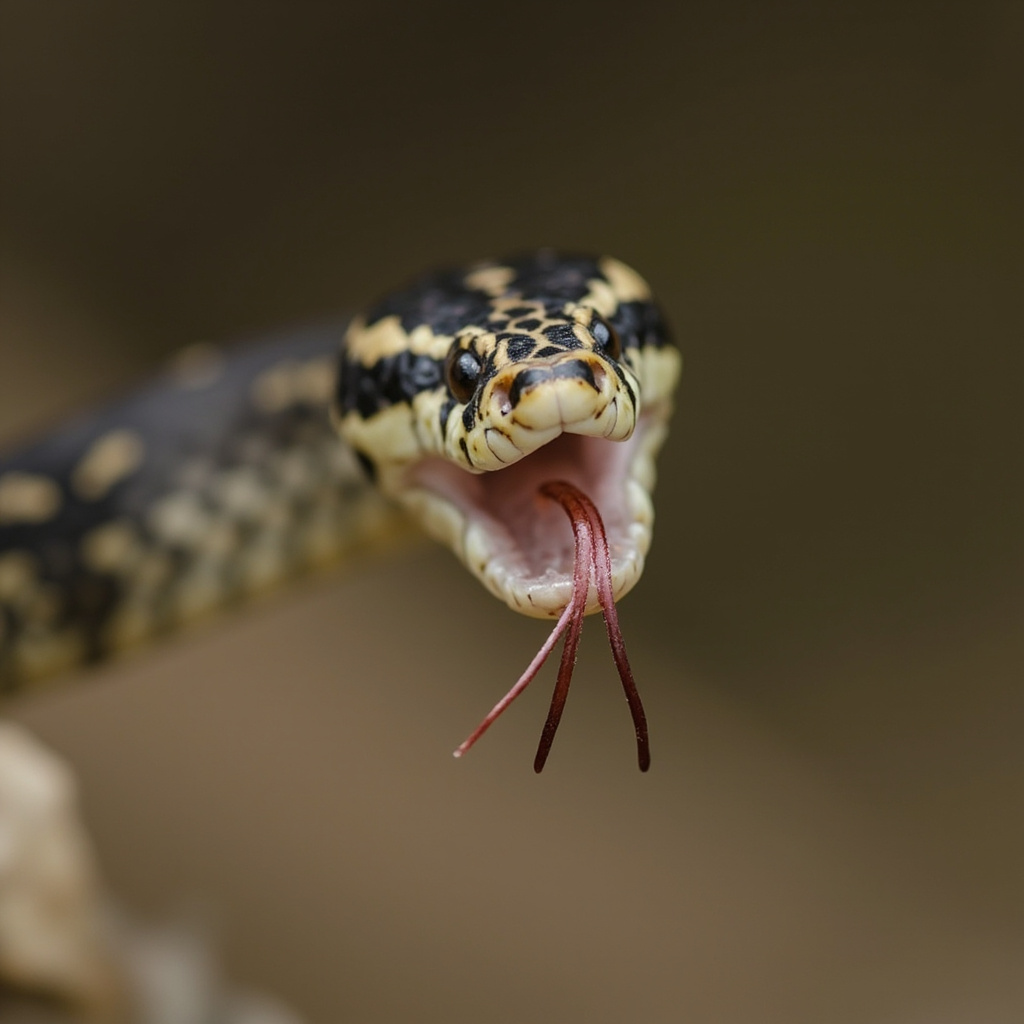
A snake’s forked tongue collects chemical particles and transfers them to the vomeronasal organ. The two tips help the animal compare signals and follow a trail.
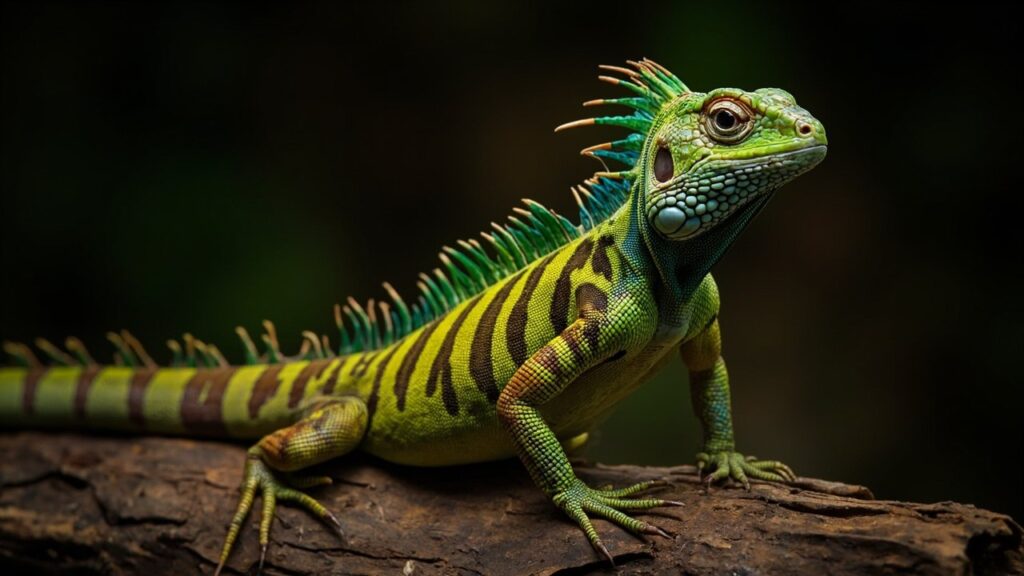
Plumed basilisks can run short distances across water using rapid hind-limb strokes and specialized feet before switching to swimming.
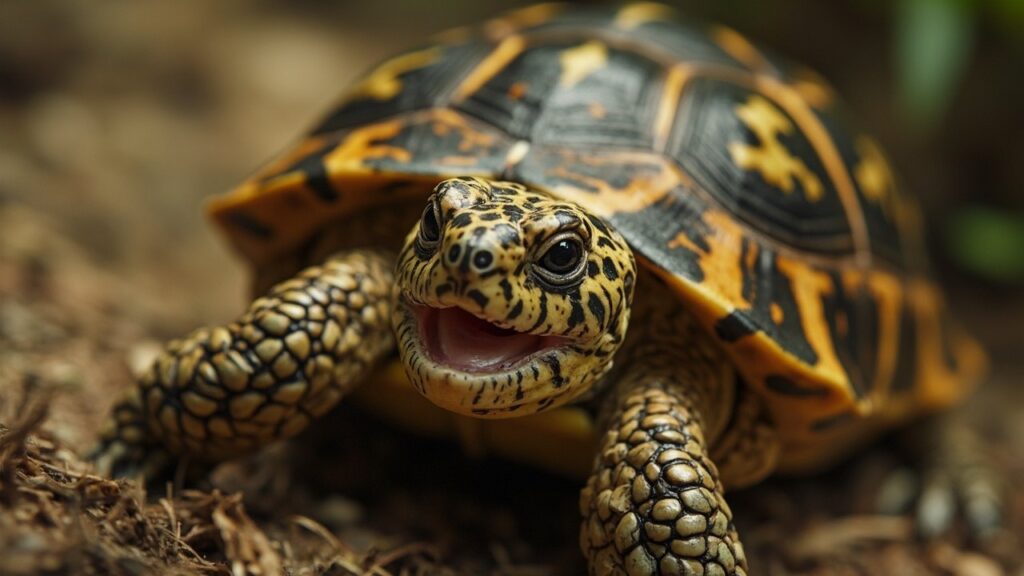
A tortoise cannot leave its shell. The shell is living bone joined to the spine and ribs, with skin and keratin covering its outer surface.
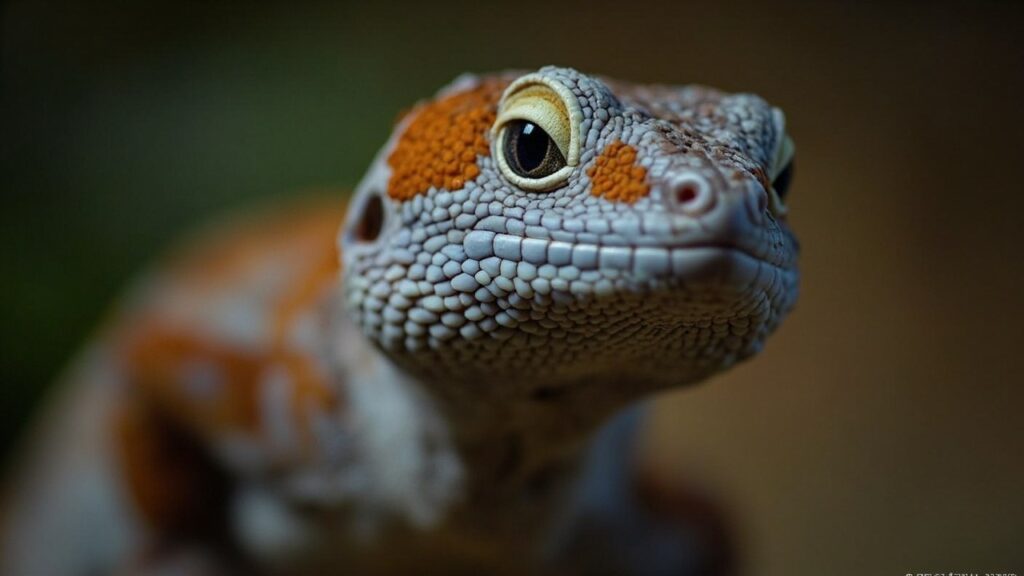
Tokay geckos use loud calls in territorial and reproductive contexts. Call structure and response vary with sex, setting and individual.
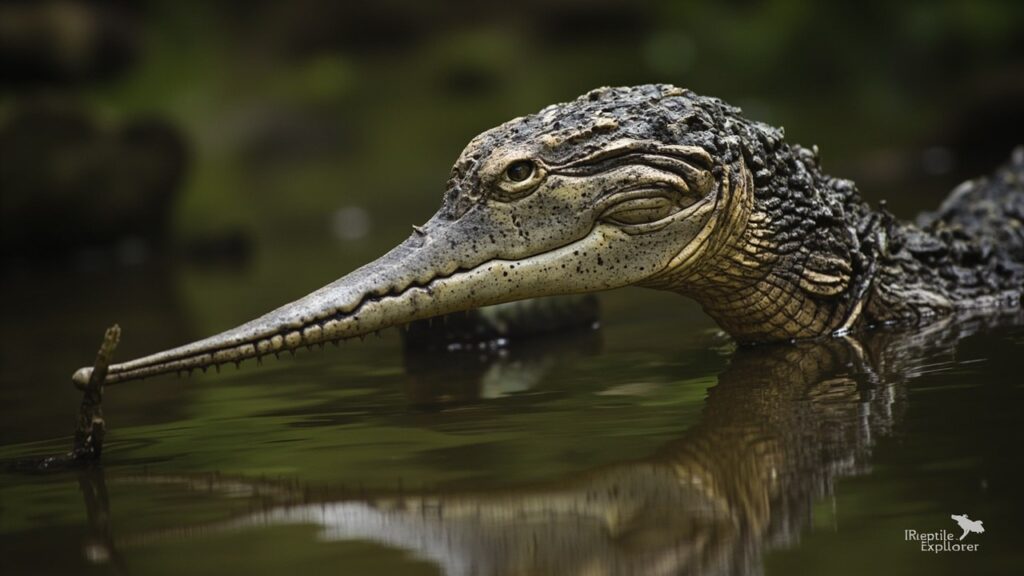
False gharials live in peat swamps and slow blackwater rivers in Sumatra. Wetland loss and entanglement in fishing gear threaten the species.
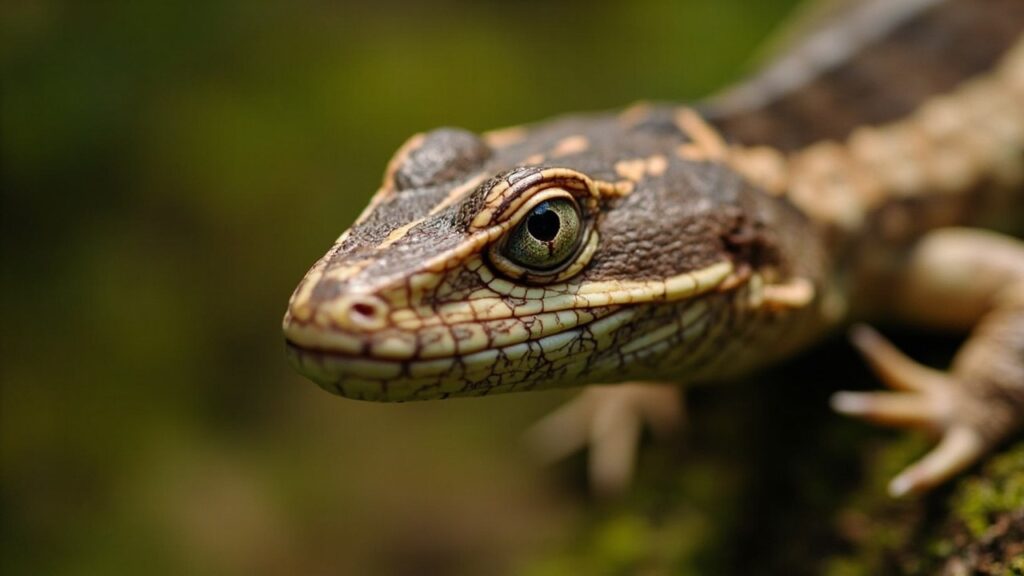
Reptiles use basking, shade, water, burrows and posture to regulate body temperature. Captive animals need a measured thermal gradient matched to the species.