
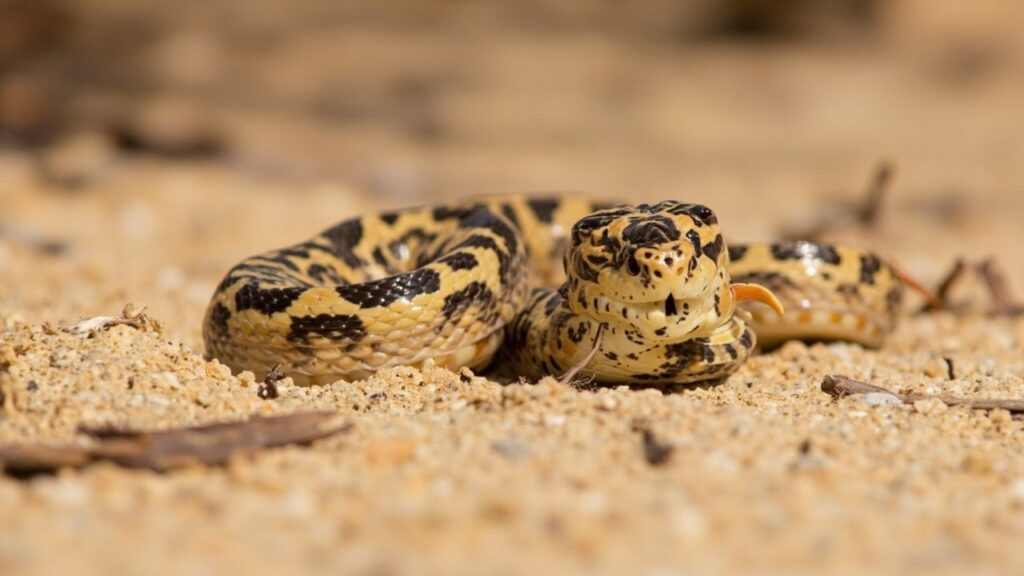
Desert Horned Vipers: Sidewinding on Sand
Desert horned vipers use sidewinding to cross loose sand and may partly bury themselves while waiting for prey. Their venom is medically significant.

Desert horned vipers use sidewinding to cross loose sand and may partly bury themselves while waiting for prey. Their venom is medically significant.
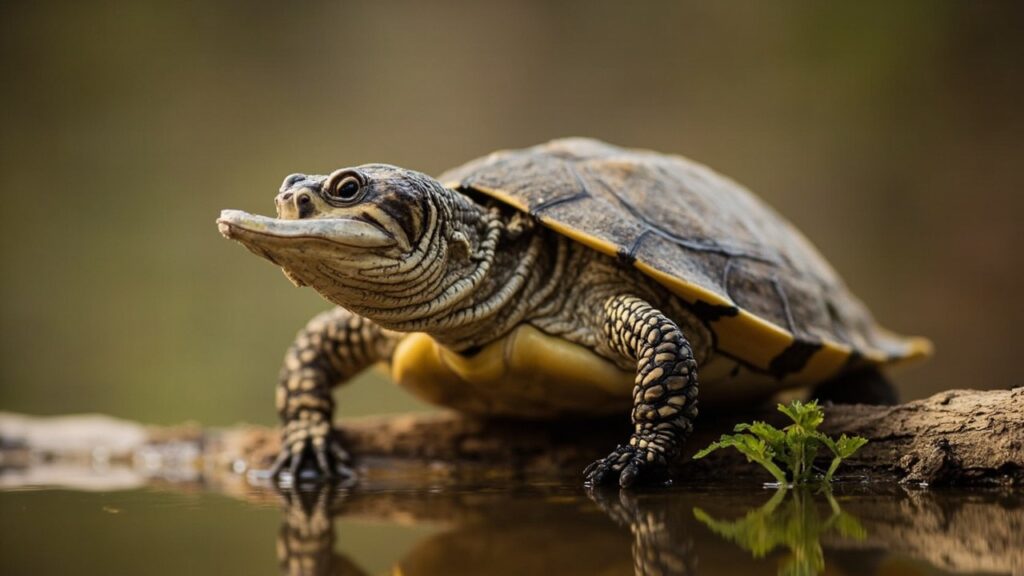
The Fitzroy River turtle is endemic to central Queensland’s Fitzroy drainage. Cloacal respiration helps it remain underwater, but clean, oxygen-rich flowing water remains necessary.
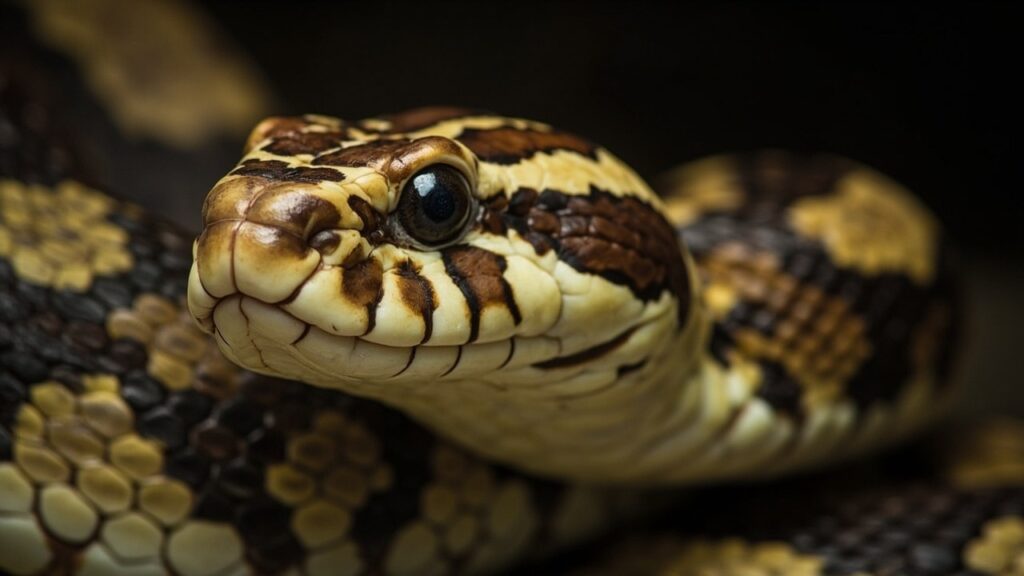
Snakes do not unhinge their jaws. Mobile skull bones, elastic tissues and independently moving lower jaws let them swallow relatively large prey.
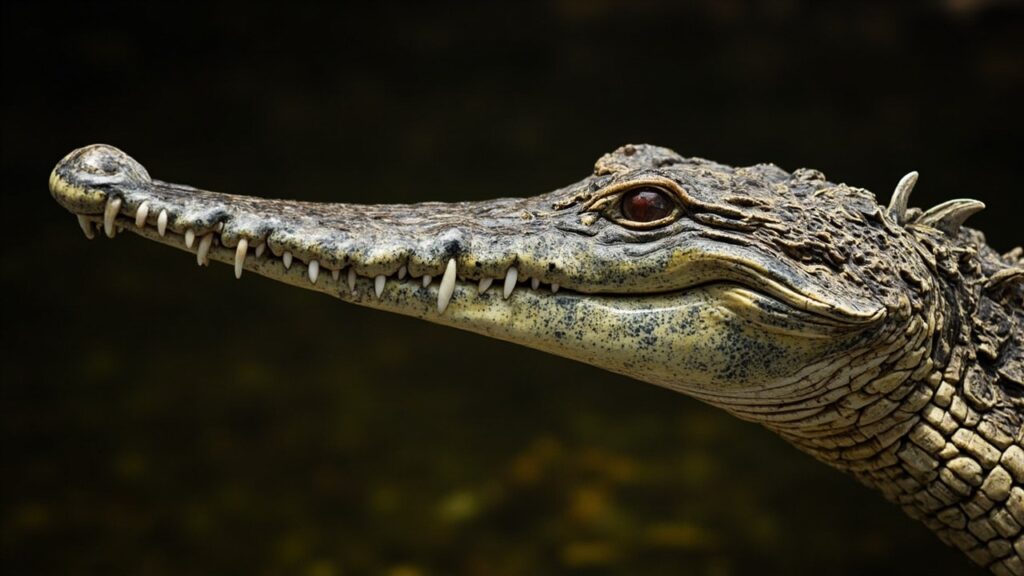
Gharials have a long, narrow snout suited to catching fish. Wild populations depend on large, connected rivers with suitable sandbanks.
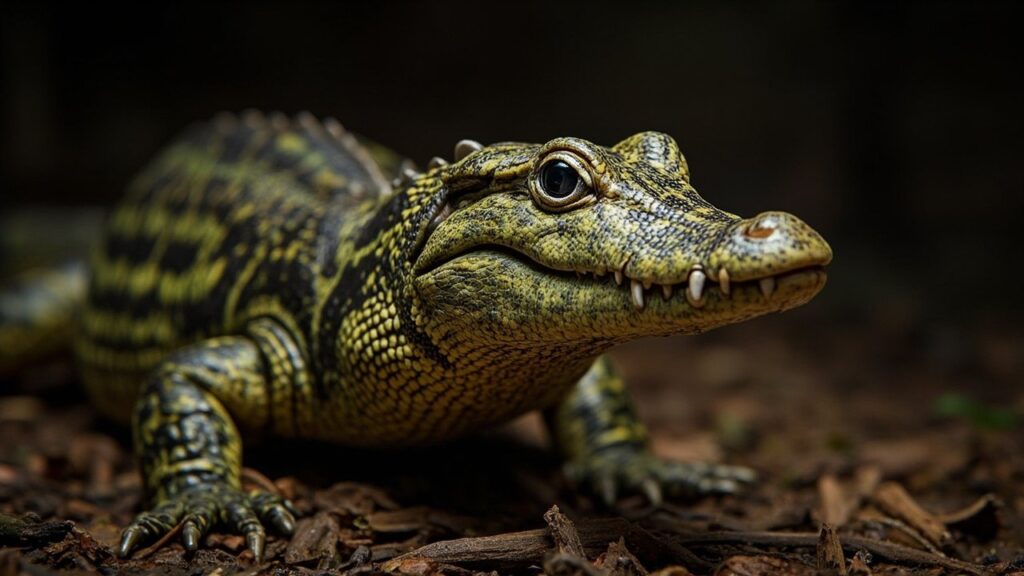
Cuvier’s dwarf caiman occurs across Amazon and Orinoco drainages, using forest streams, swamps, flooded forest and ponds. It is not limited to Orinoco floodplains.
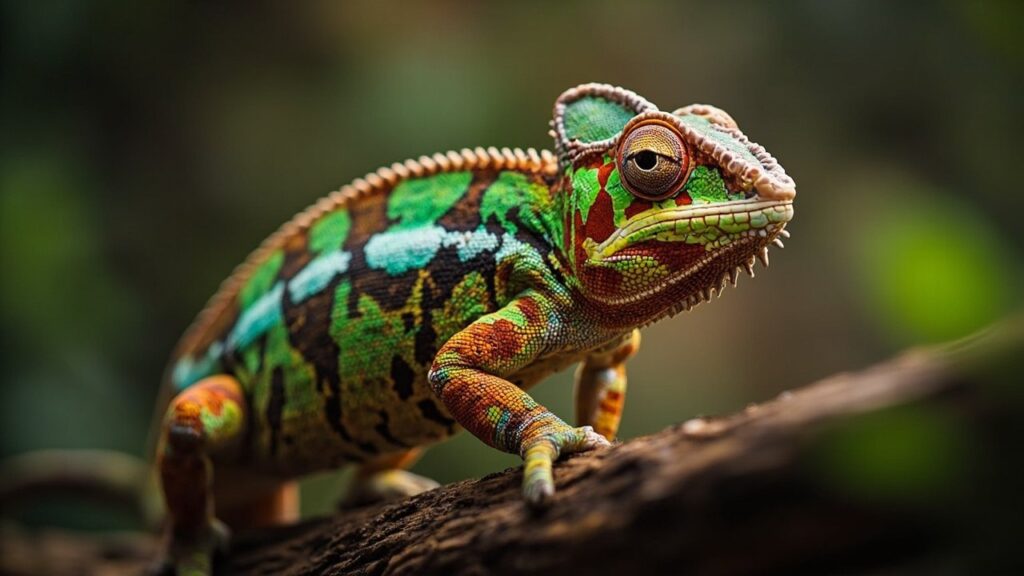
Chameleon colour changes can aid signalling, temperature control and camouflage. A colour alone does not reliably reveal an animal’s mood.
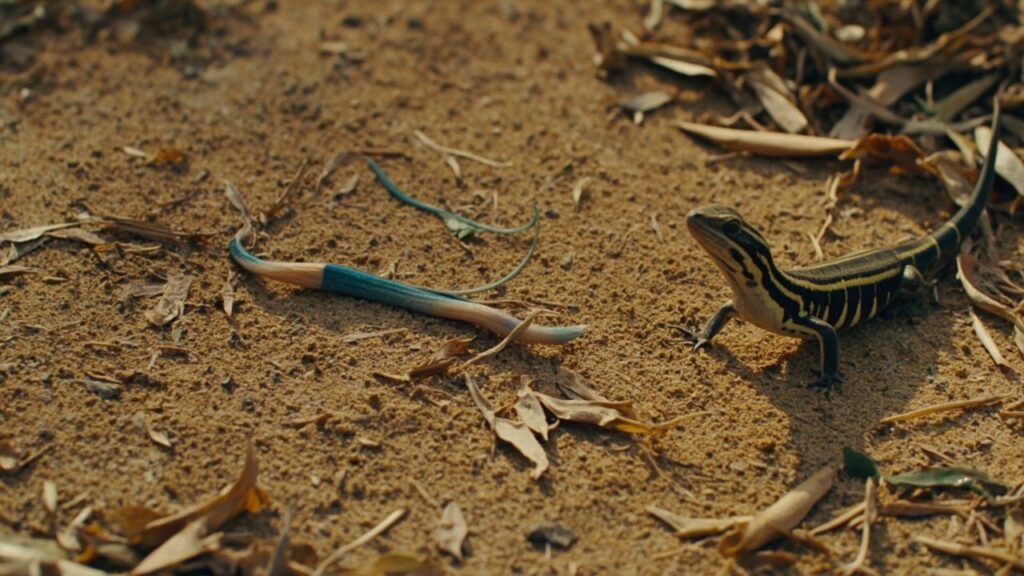
Many skinks can shed part of the tail to escape a predator. Regrowth produces a structurally different tail and carries costs for energy, movement and reproduction.
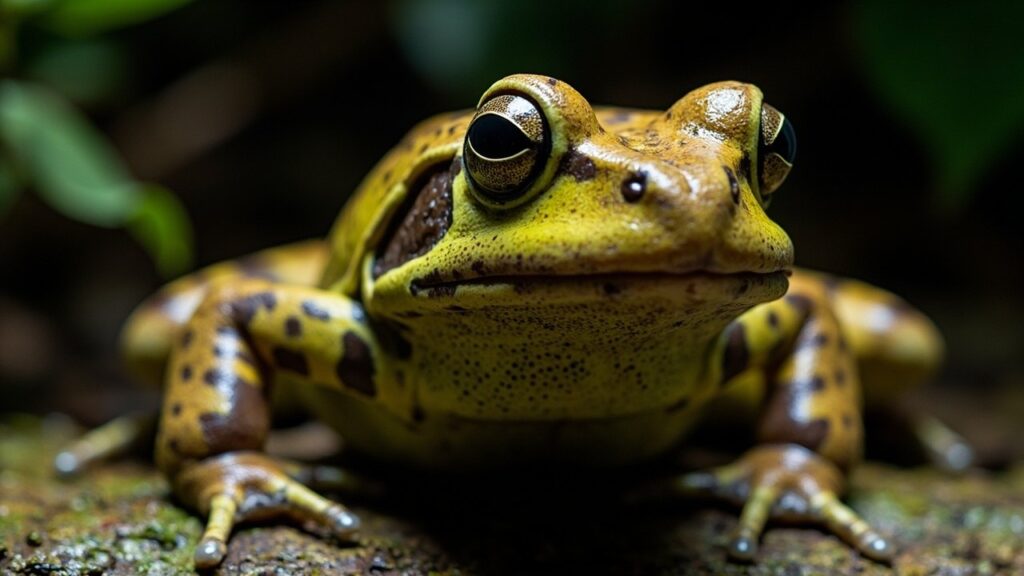
Goliath frogs live beside fast-flowing rainforest streams in Cameroon and Equatorial Guinea. Hunting, forest loss, sedimentation and stream disturbance threaten this Endangered amphibian.
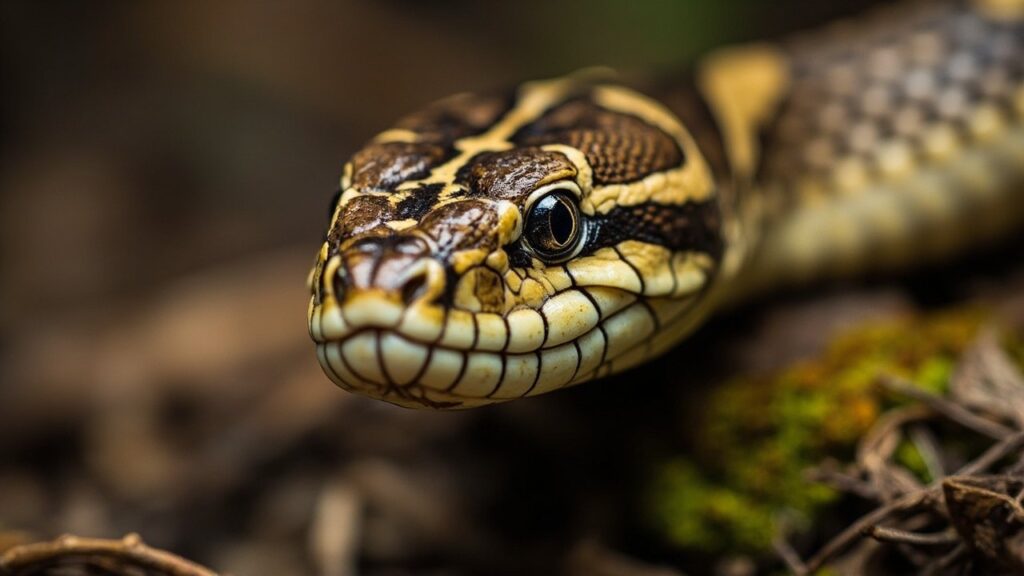
Most snakes are not venomous, and appearance alone cannot reliably identify danger. Unknown snakes should be given space, and any bite should receive urgent medical assessment.
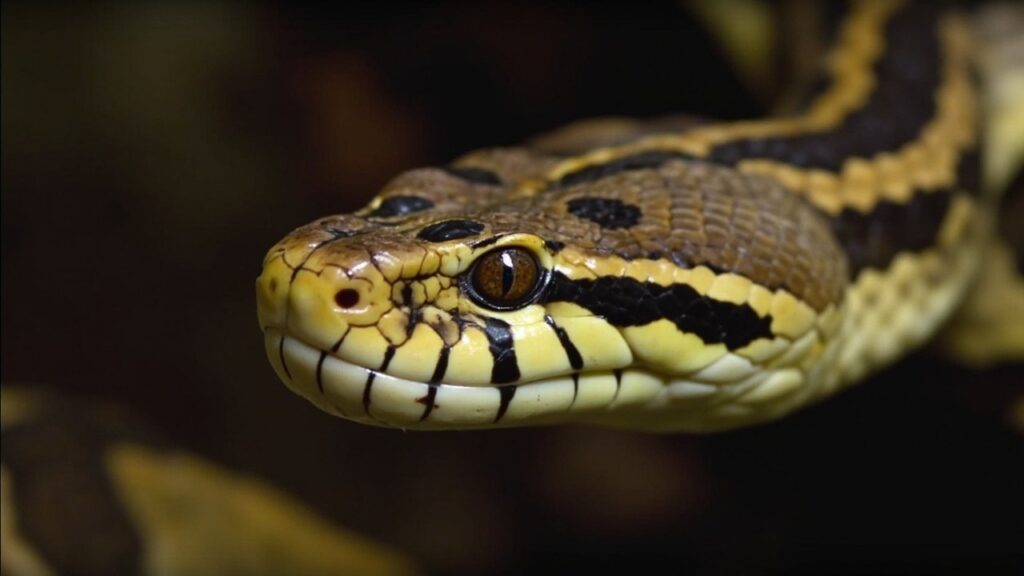
Snakes detect ground vibration and some airborne sound, but lack external ears and eardrums. Their hearing system uses the inner ear, skull and lower jaw.