
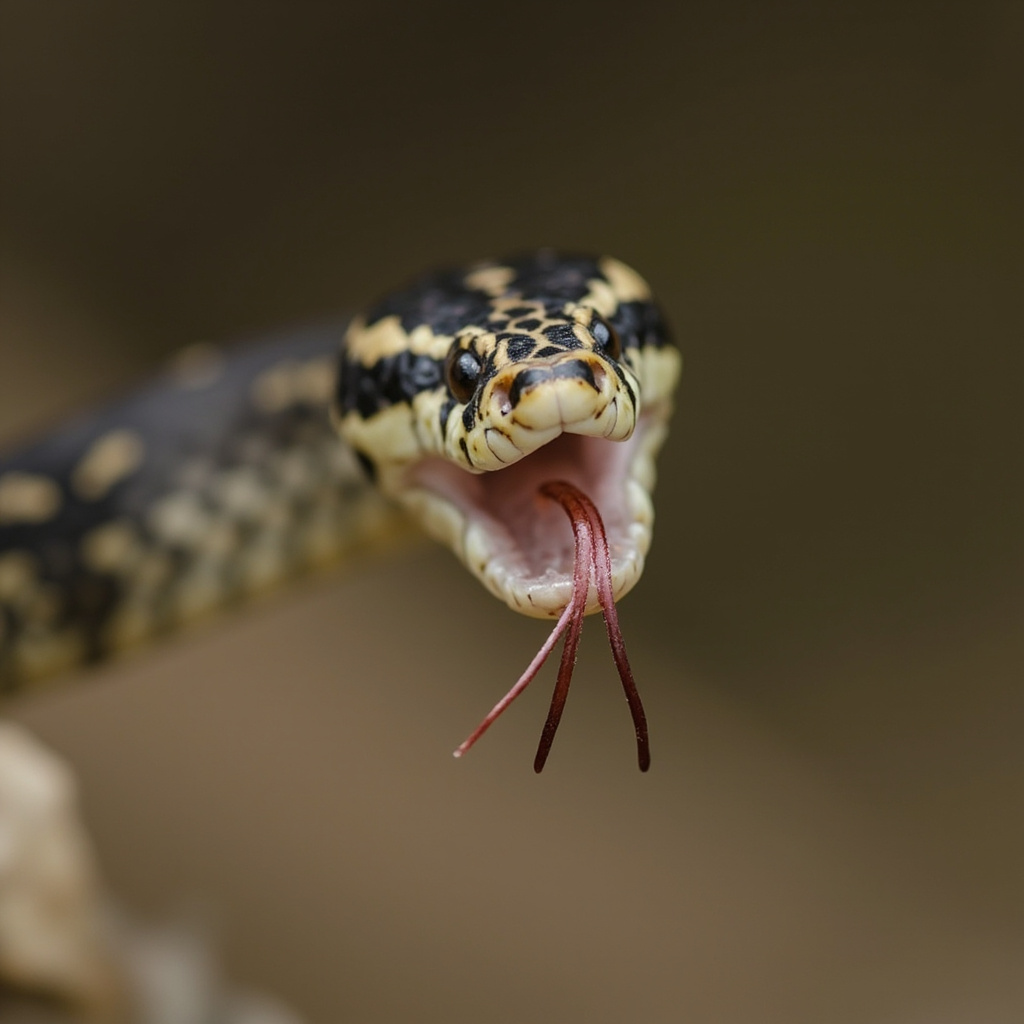
What a Snake’s Tongue Actually Does
A snake’s forked tongue collects chemical particles and transfers them to the vomeronasal organ. The two tips help the animal compare signals and follow a trail.
A snake’s forked tongue collects chemical particles and transfers them to the vomeronasal organ. The two tips help the animal compare signals and follow a trail.

A tortoise cannot leave its shell. The shell is living bone joined to the spine and ribs, with skin and keratin covering its outer surface.
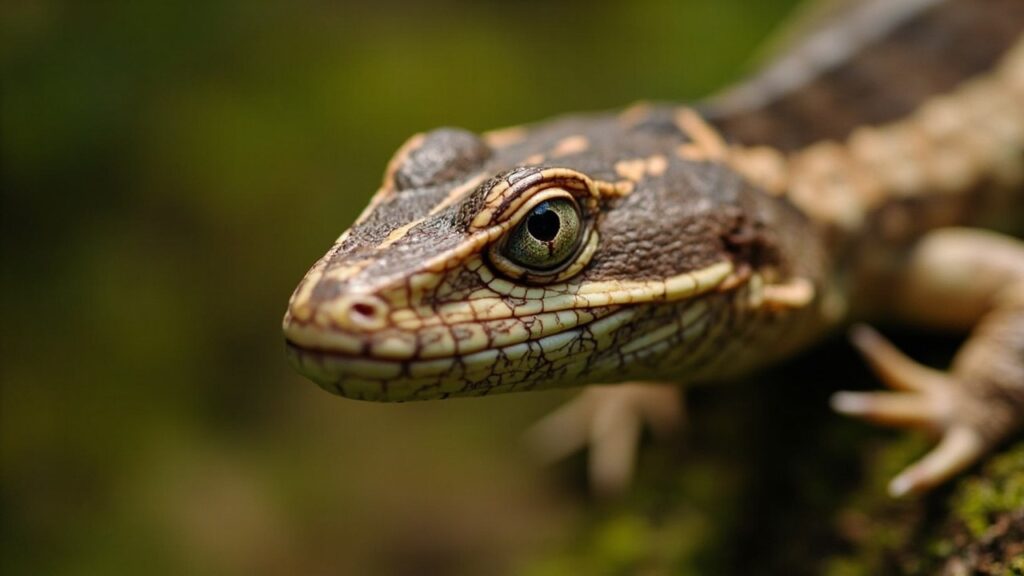
Reptiles use basking, shade, water, burrows and posture to regulate body temperature. Captive animals need a measured thermal gradient matched to the species.
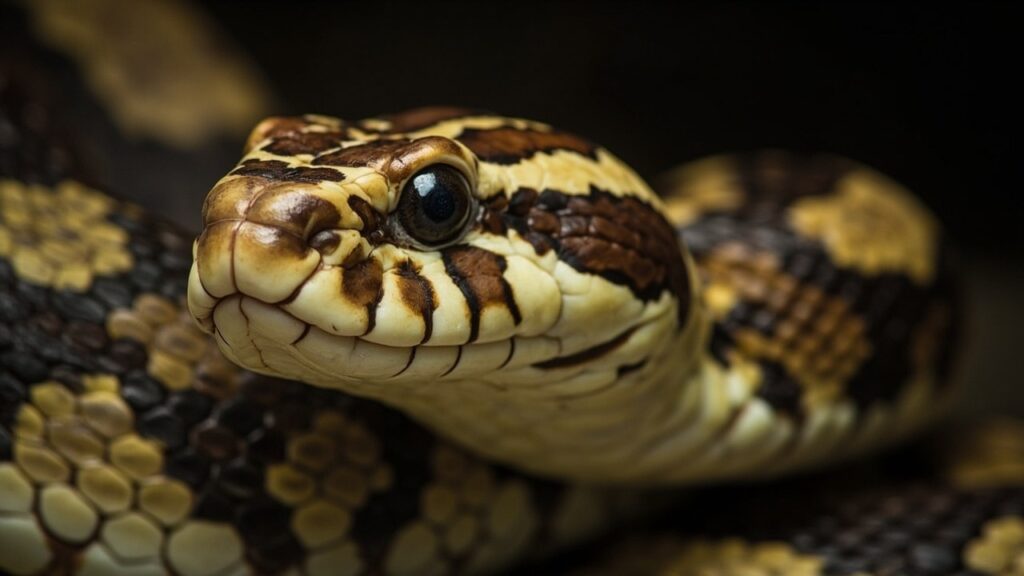
Snakes do not unhinge their jaws. Mobile skull bones, elastic tissues and independently moving lower jaws let them swallow relatively large prey.
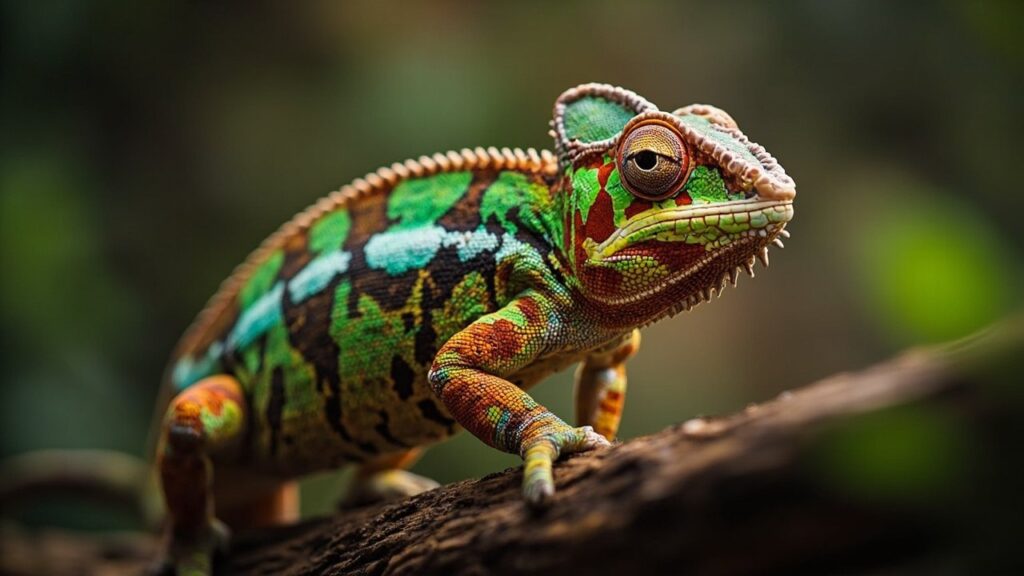
Chameleon colour changes can aid signalling, temperature control and camouflage. A colour alone does not reliably reveal an animal’s mood.
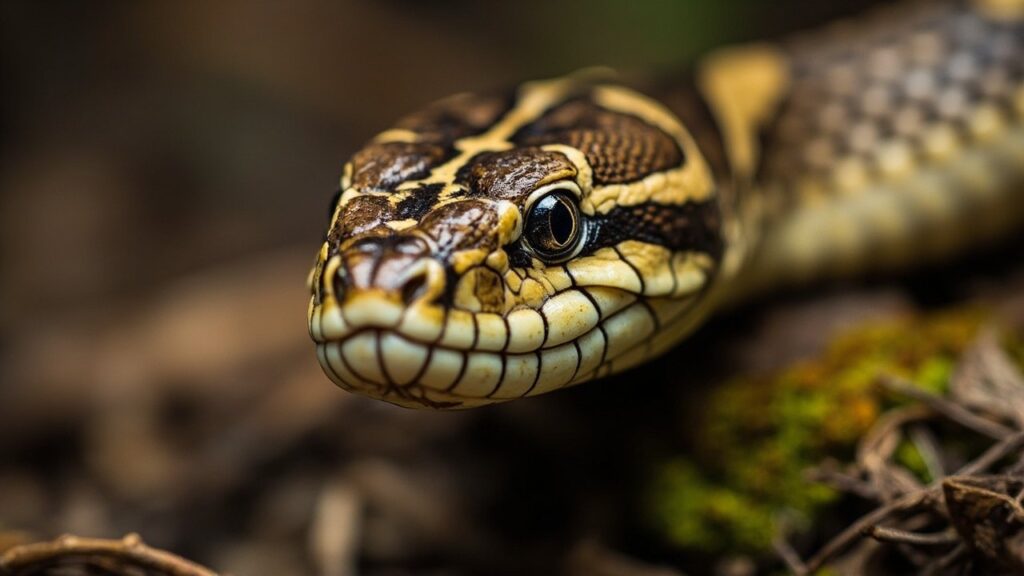
Most snakes are not venomous, and appearance alone cannot reliably identify danger. Unknown snakes should be given space, and any bite should receive urgent medical assessment.
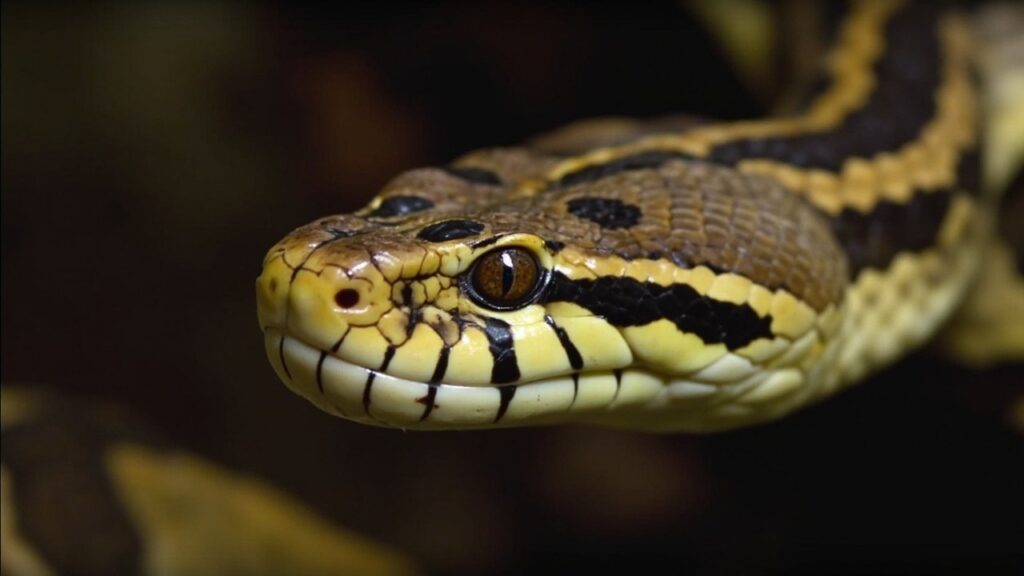
Snakes detect ground vibration and some airborne sound, but lack external ears and eardrums. Their hearing system uses the inner ear, skull and lower jaw.
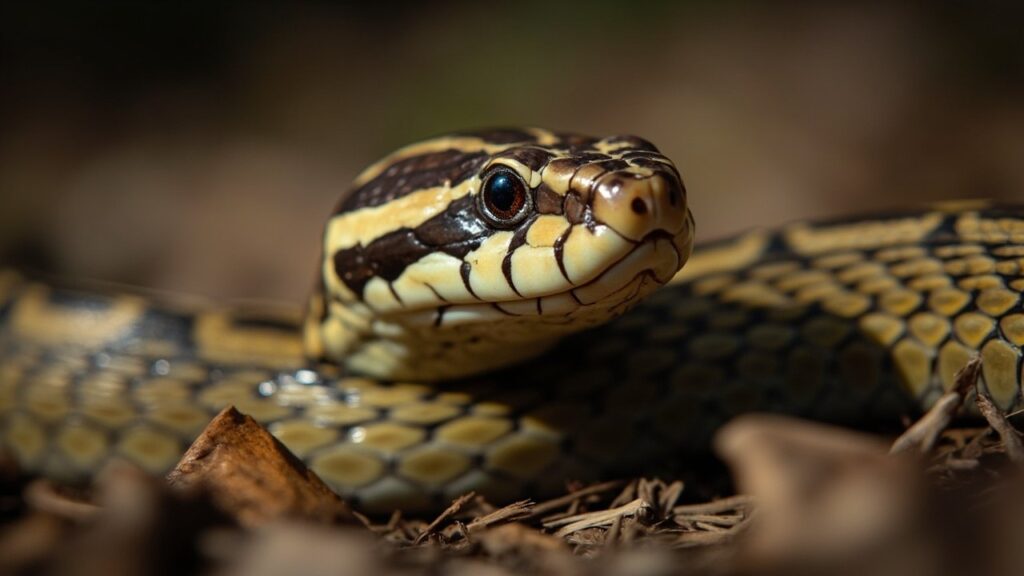
Snake size alone does not predict risk. Venom, defensive behaviour, species, location and the circumstances of an encounter all matter.
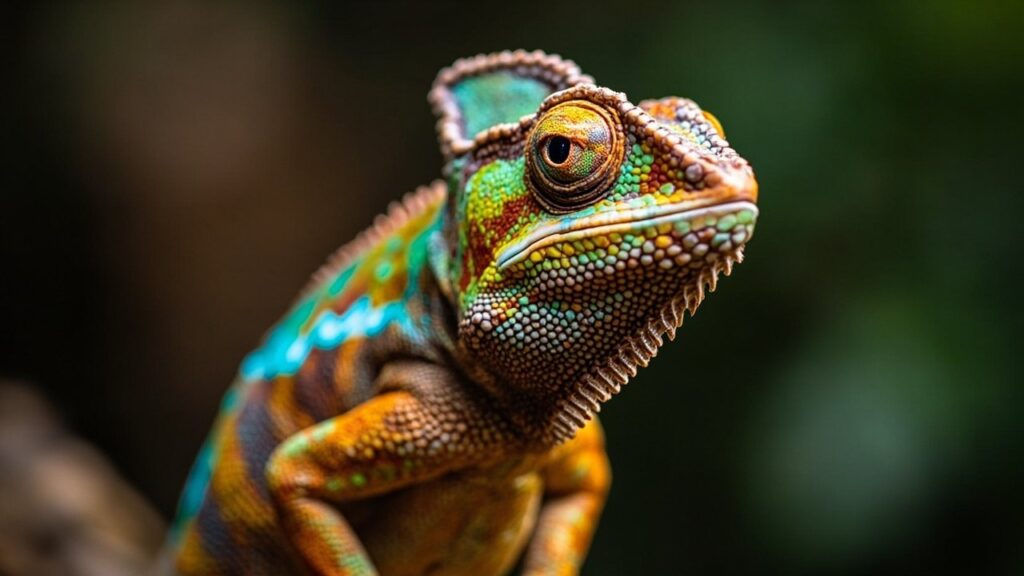
Chameleons change colour through structural and pigment changes in skin cells. Signals, temperature, light and stress can influence the result.
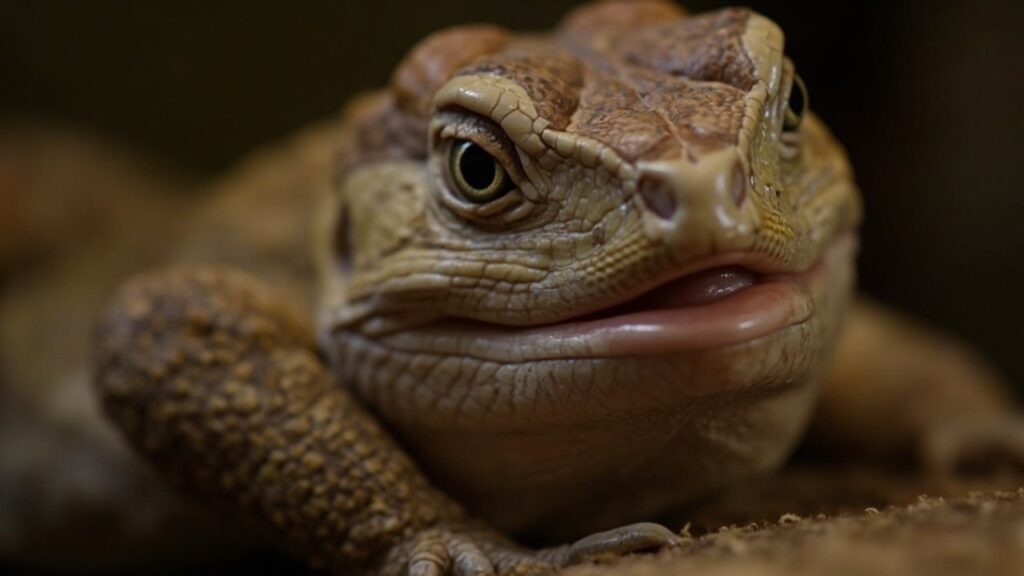
Research supports pain, stress and basic affective responses in reptiles, but evidence for complex emotions remains limited and species-specific.