
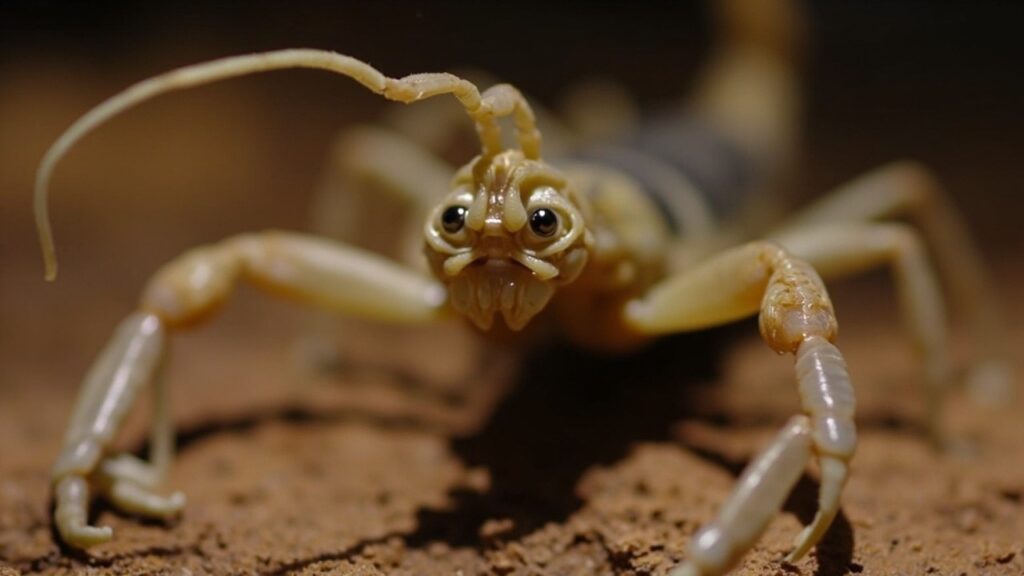
Does Scorpion Size Predict Danger?
Scorpion size is not a reliable measure of medical risk. Venom effects vary by species, dose, individual response and access to treatment.
Scorpion size is not a reliable measure of medical risk. Venom effects vary by species, dose, individual response and access to treatment.
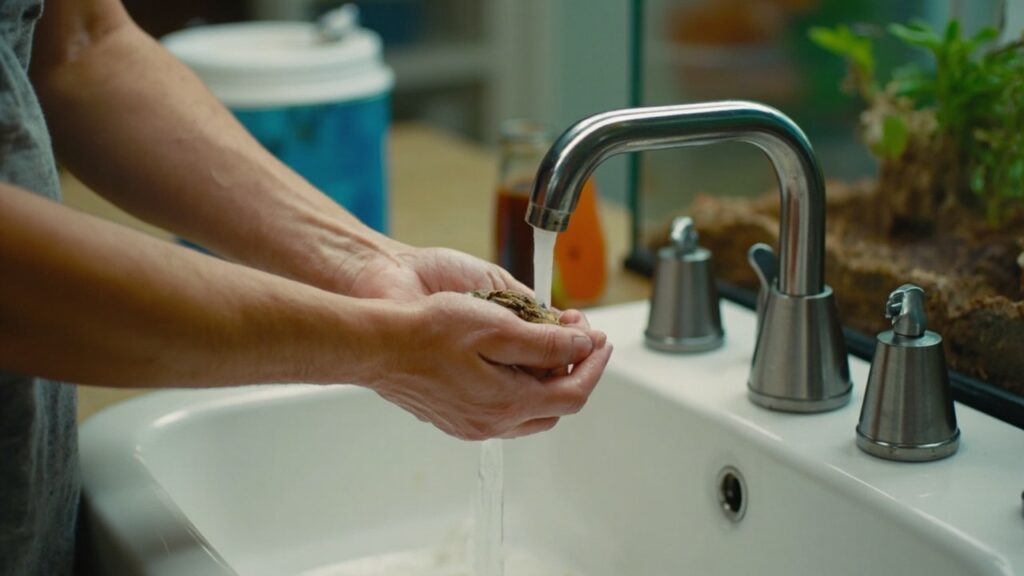
Reptiles can carry Salmonella even when healthy. Handwashing, separate cleaning areas and no contact for children under five reduce household risk.
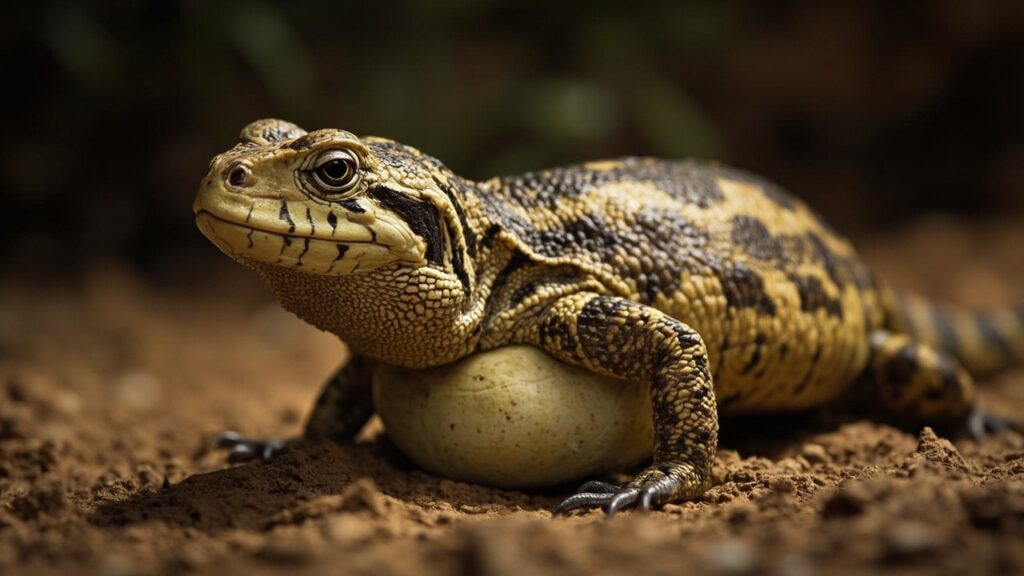
Reptile eggs vary in shell structure, clutch size and incubation needs. Temperature, moisture and gas exchange affect development.
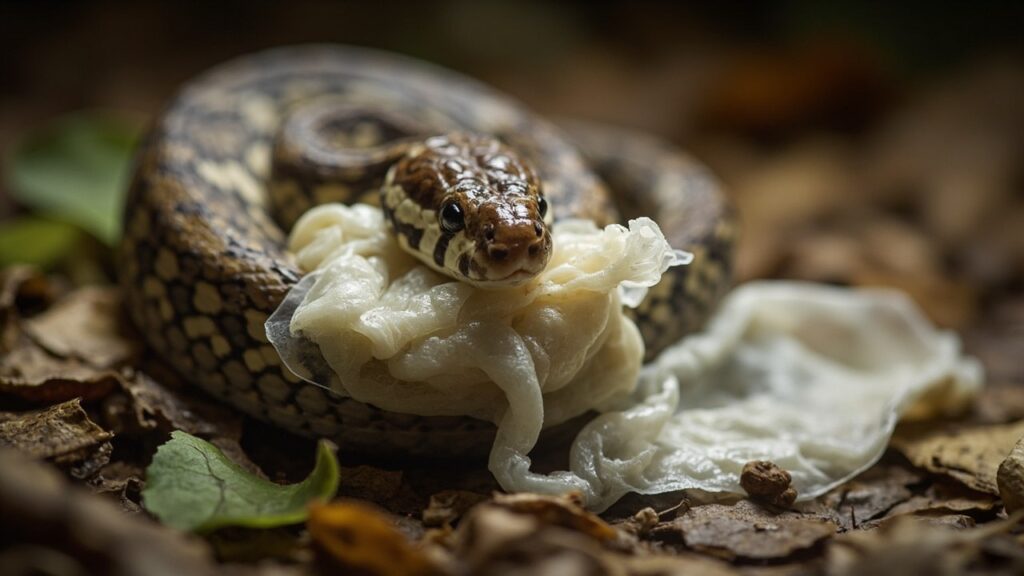
Reptiles periodically replace the outer layers of their skin. Shedding patterns differ among snakes, lizards, turtles and crocodilians, and retained shed should never be pulled forcefully.
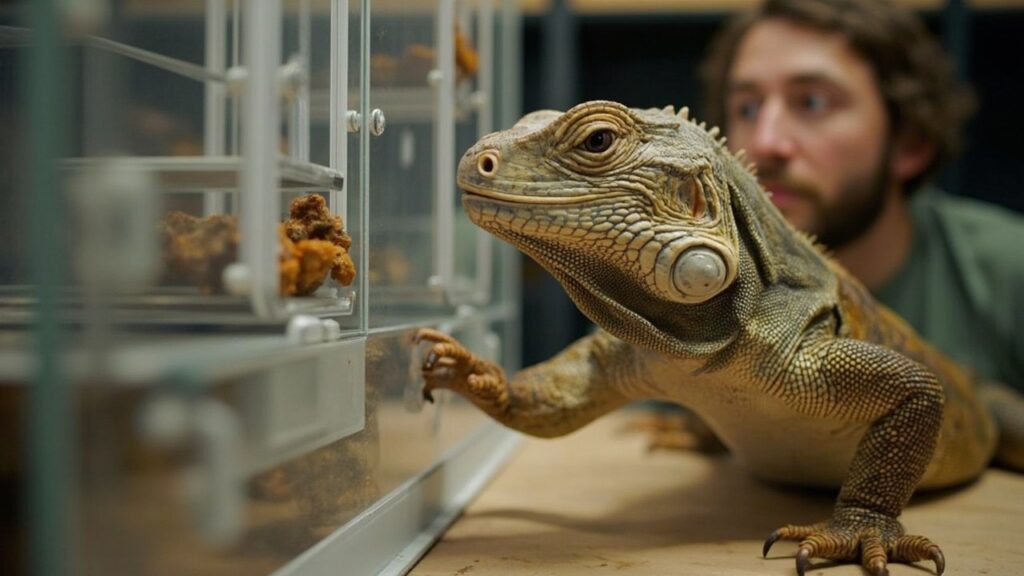
Studies document learning, memory, navigation and flexible behaviour in selected reptiles. Results must be interpreted through each species’ senses, motivation and ecology.
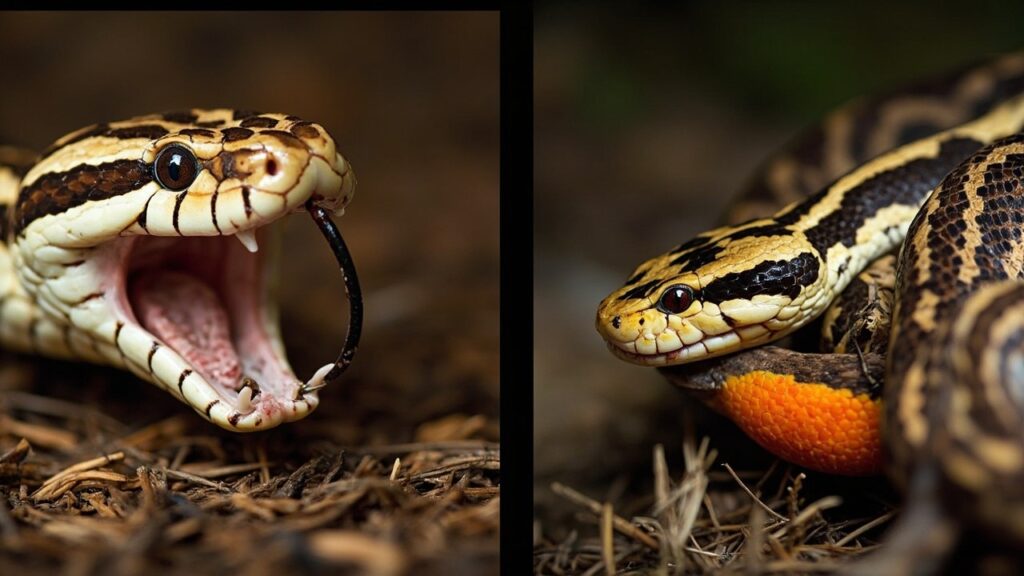
Venom is delivered through a bite, sting or wound, while poison causes harm when eaten, inhaled or absorbed. The terms describe exposure routes, not a simple danger ranking.
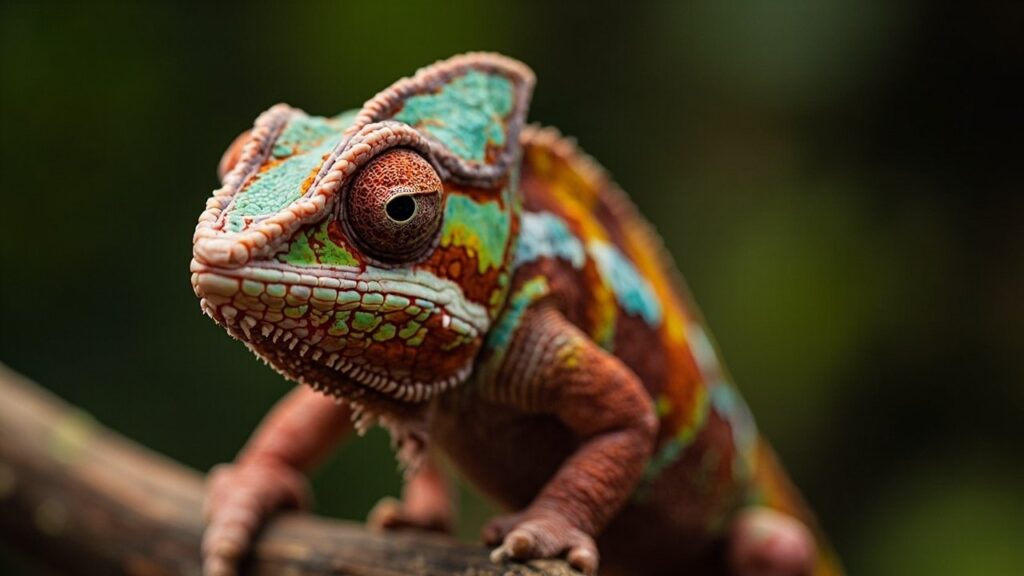
Chameleons change colour for several reasons, including social signalling, temperature and camouflage. Their available colours and patterns are limited by species and physiology.
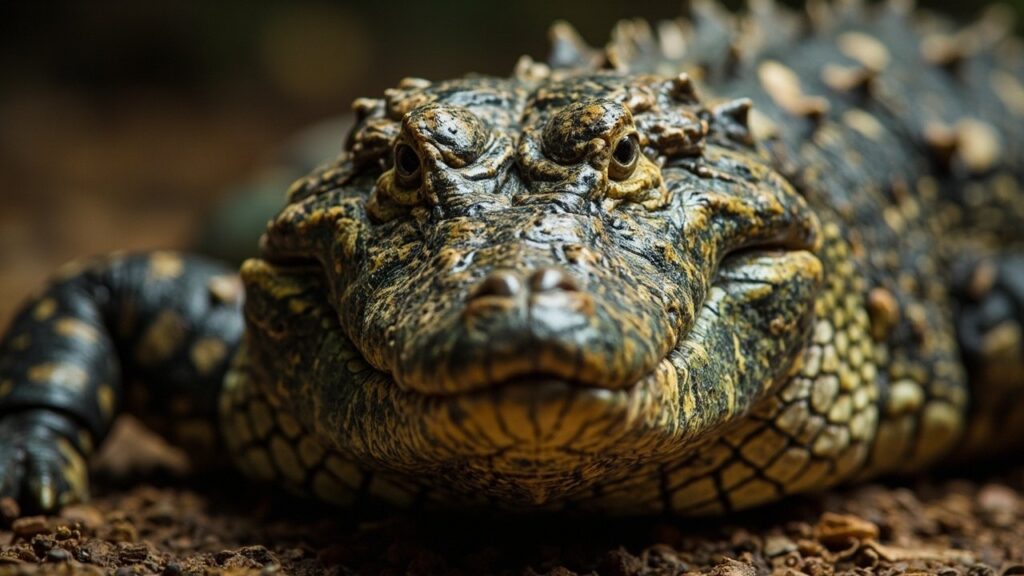
Crocodile behaviour includes hunting, basking, courtship, nesting and parental care. Aggression depends on species, season and context.
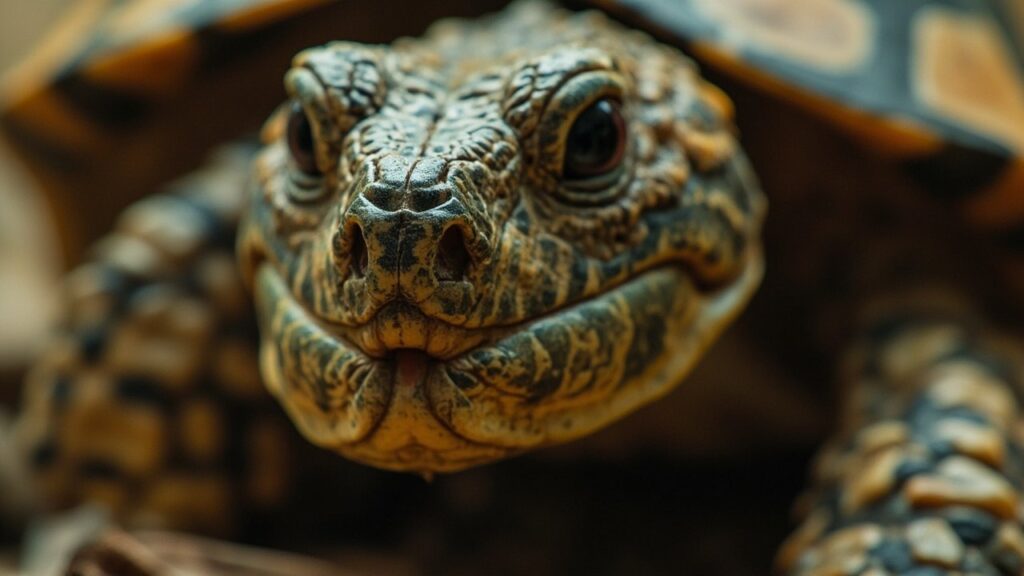
Turtle and tortoise lifespans vary widely by species and living conditions. Reliable ages come from documented records or long-term field studies, not shell rings or unsupported anecdotes.
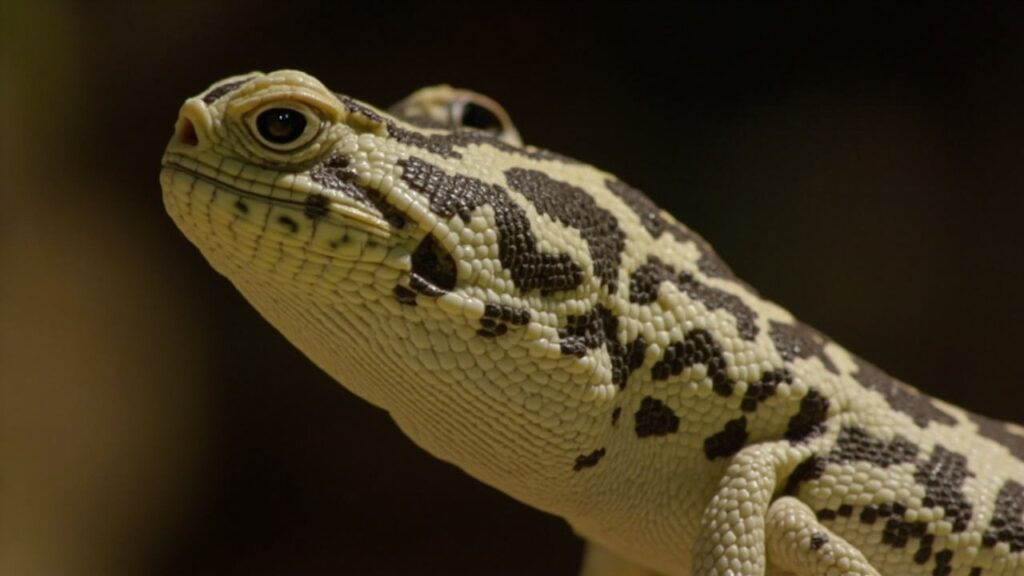
Many lizards can shed and regrow part of a tail, but the replacement is not an exact copy of the original. Regrowth changes the skeleton, muscles, scales and function.