
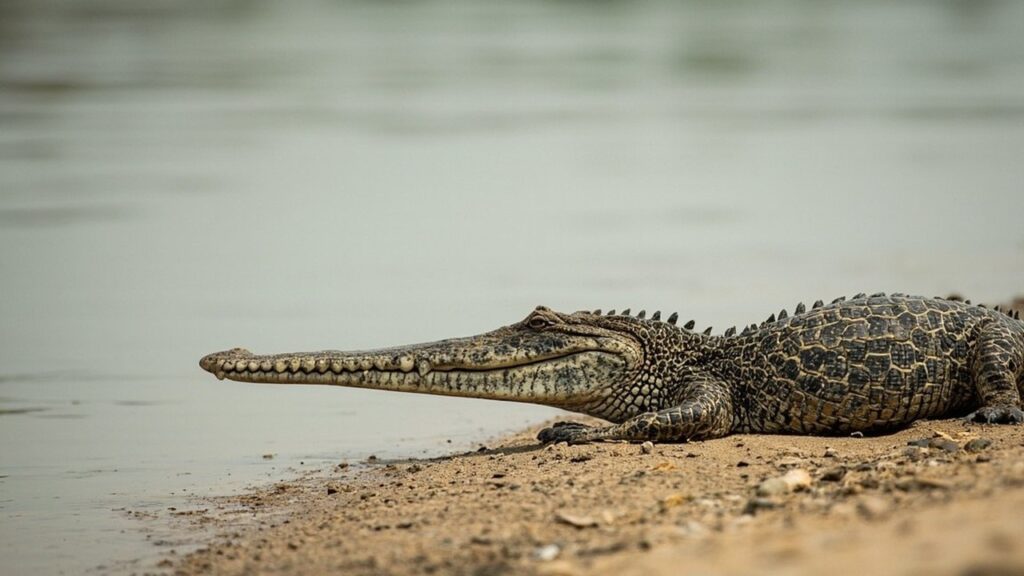
Gharials: Critically Endangered River Specialists
Gharials are Critically Endangered river specialists that need connected waterways, fish, basking sites and sandbanks for nesting.

Gharials are Critically Endangered river specialists that need connected waterways, fish, basking sites and sandbanks for nesting.
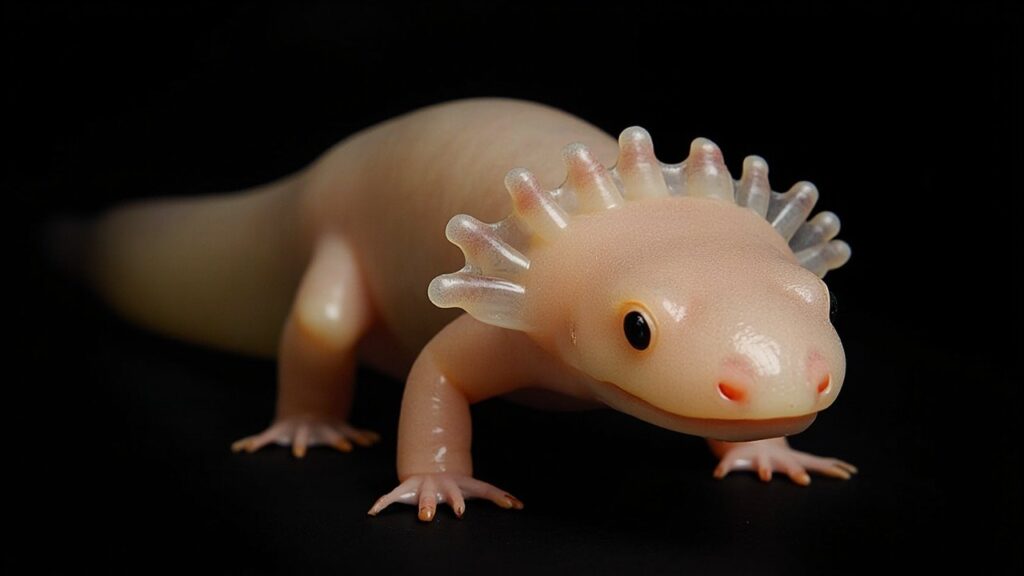
Axolotls can regenerate limbs and parts of the spinal cord and heart, making them useful research models. Wild axolotls are Critically Endangered in their native Xochimilco habitat.
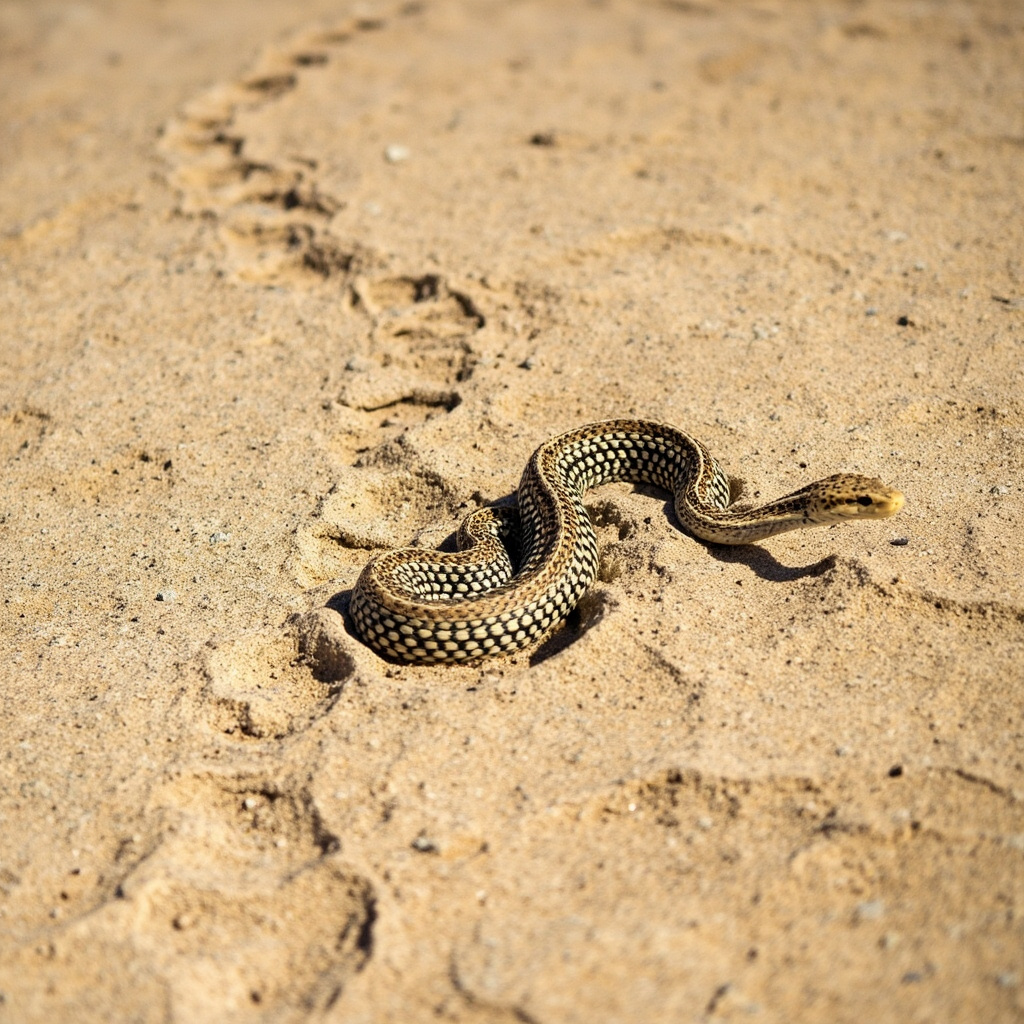
Sidewinder rattlesnakes cross loose Mojave sand with a gait that keeps most of the body off the ground while small sections maintain traction.
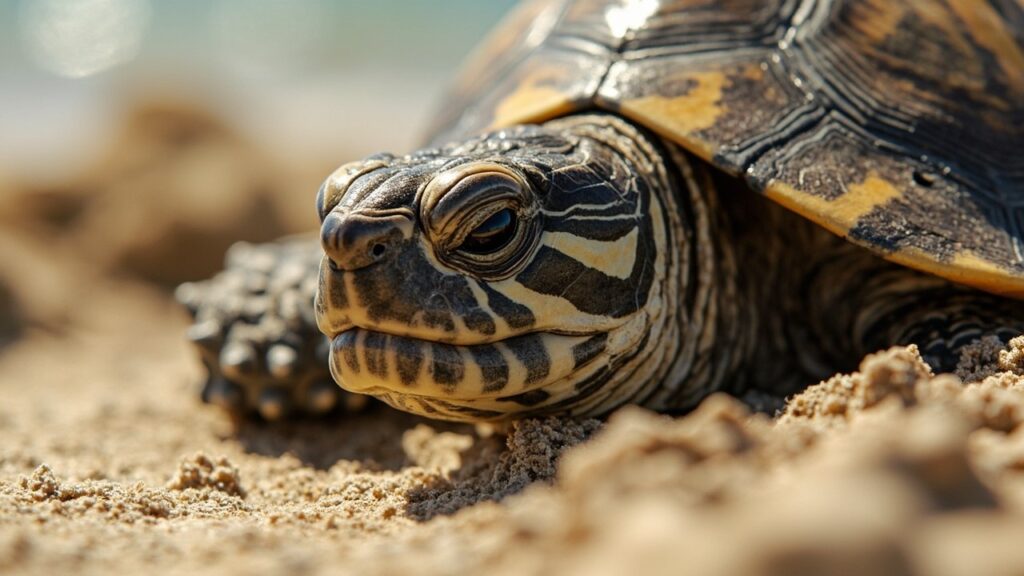
Sea turtle nesting varies by species and beach. Incubation conditions, artificial light, obstacles and vehicle tracks can affect hatchlings.
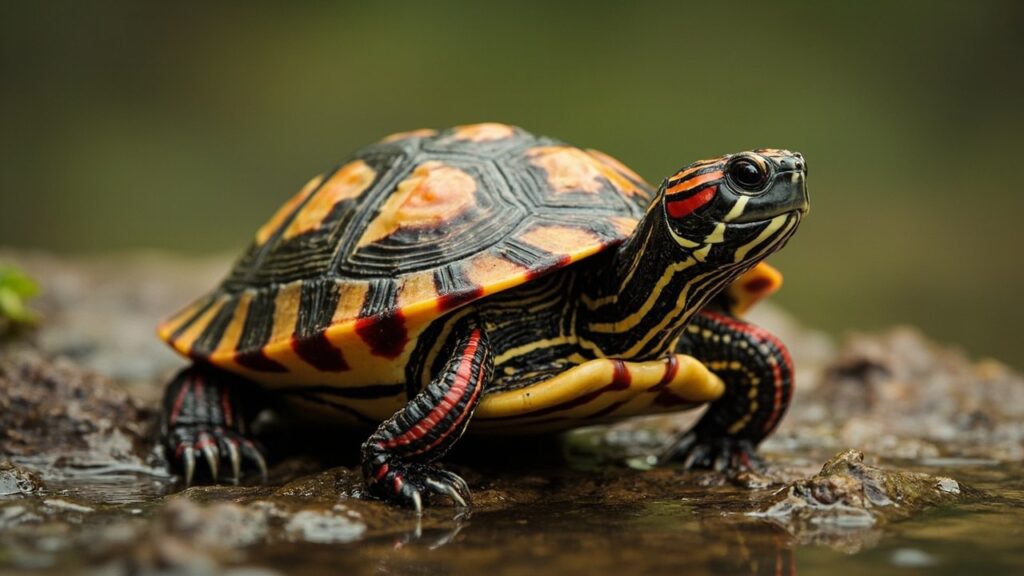
Painted turtles are widespread North American freshwater turtles that bask near ponds, lakes and slow water. Legal rules vary by region.
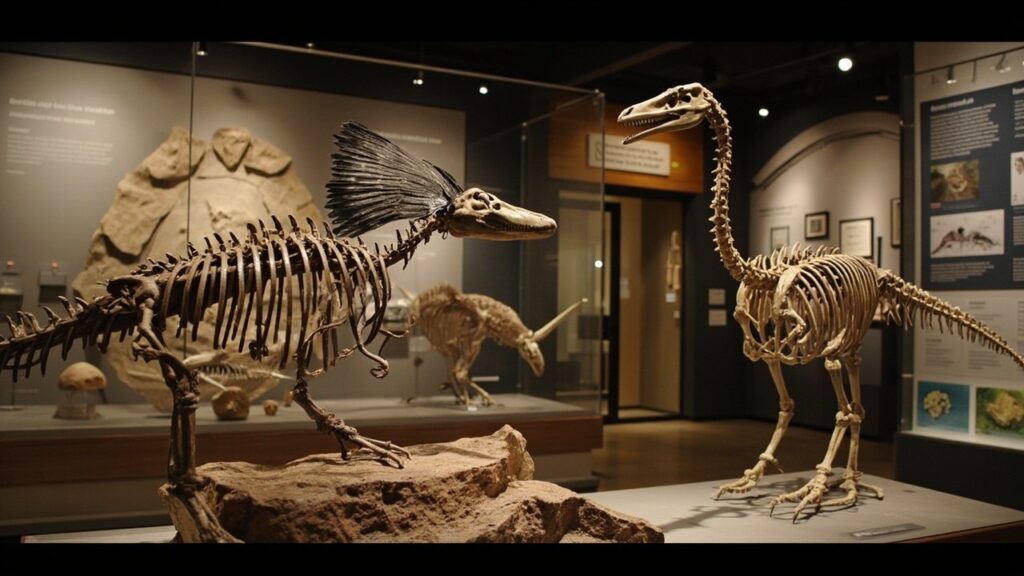
Modern birds are a surviving lineage of theropod dinosaurs. Fossils record the gradual appearance of feathers, specialised wrists, lighter skeletons and other traits linked to flight.
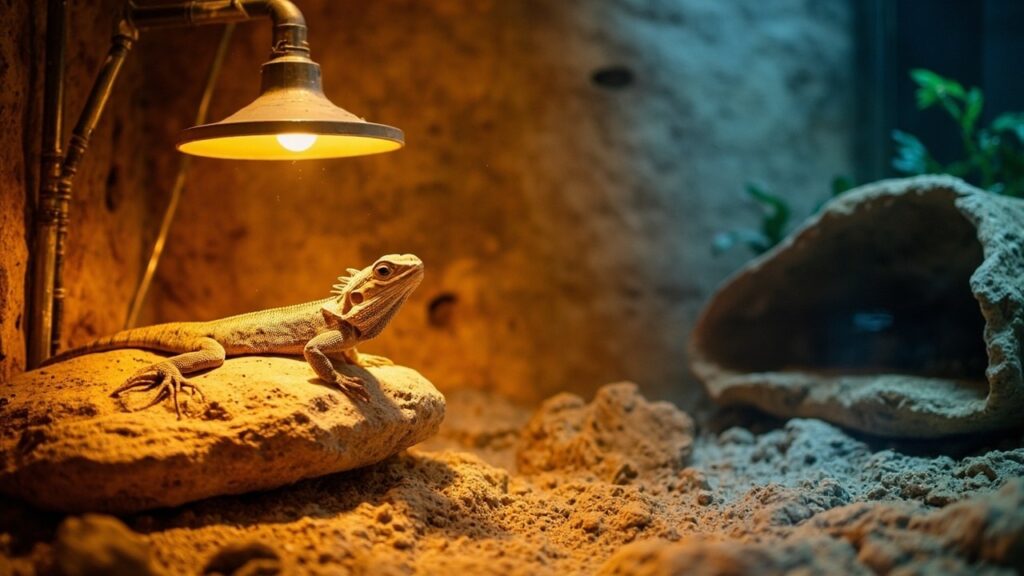
A measured temperature gradient gives reptiles access to warmer and cooler areas. The targets, equipment and monitoring method must match the species and enclosure.
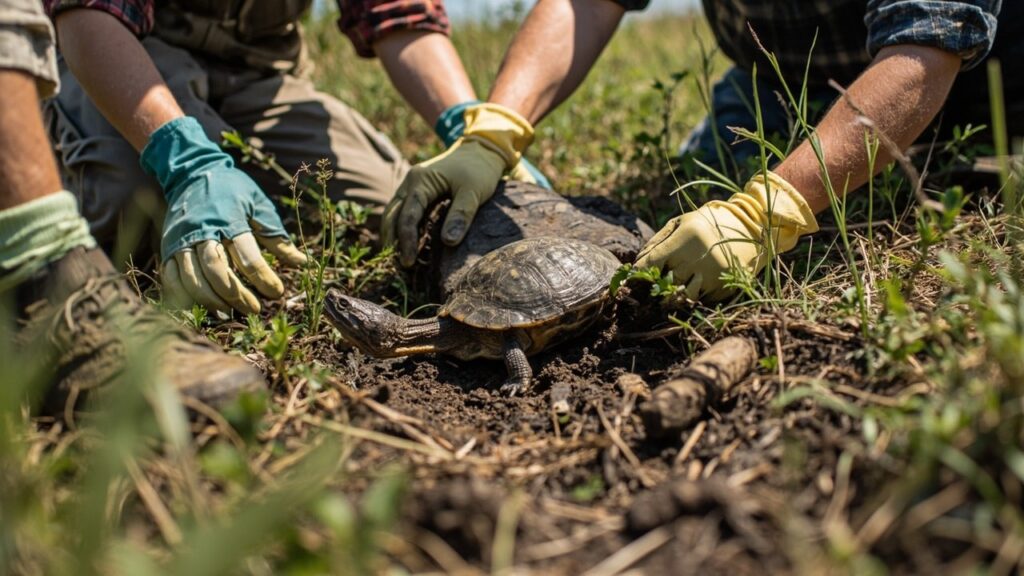
Reptile habitat restoration should rebuild specific features such as nesting ground, refuges, basking sites, native prey and movement corridors. Baseline surveys and repeated monitoring are needed to measure results.
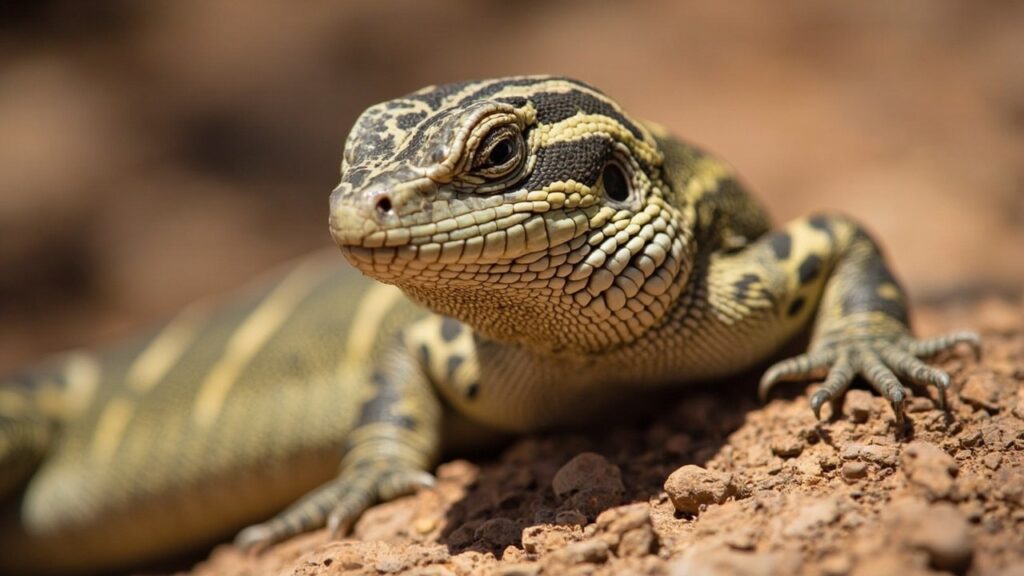
Arizona’s desert reptiles use shade, burrows, rock crevices and seasonal activity patterns to manage heat and drought. Roads, habitat conversion and illegal collection can still harm populations.
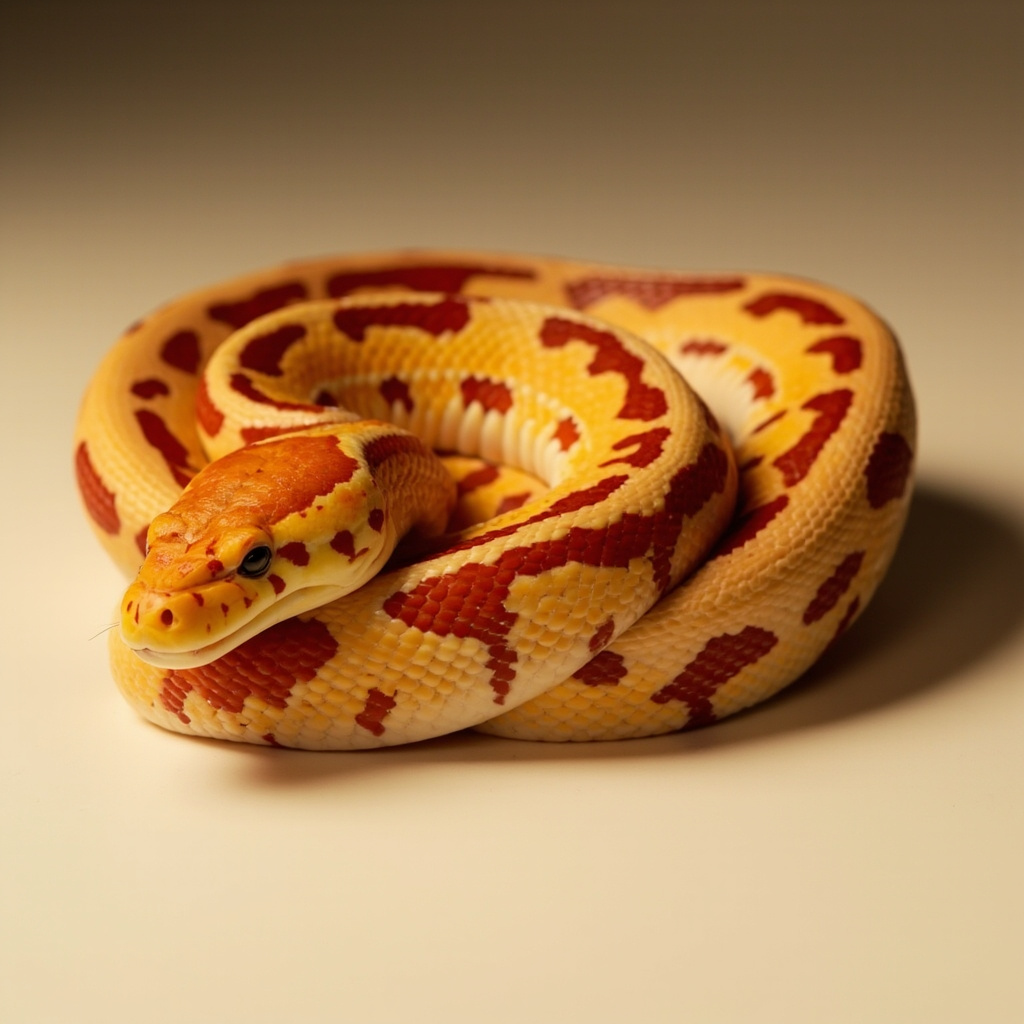
Corn snakes are often manageable in captivity, but they are not low-maintenance pets. They need secure housing, a proper thermal gradient, appropriate food, routine cleaning and long-term veterinary planning.