
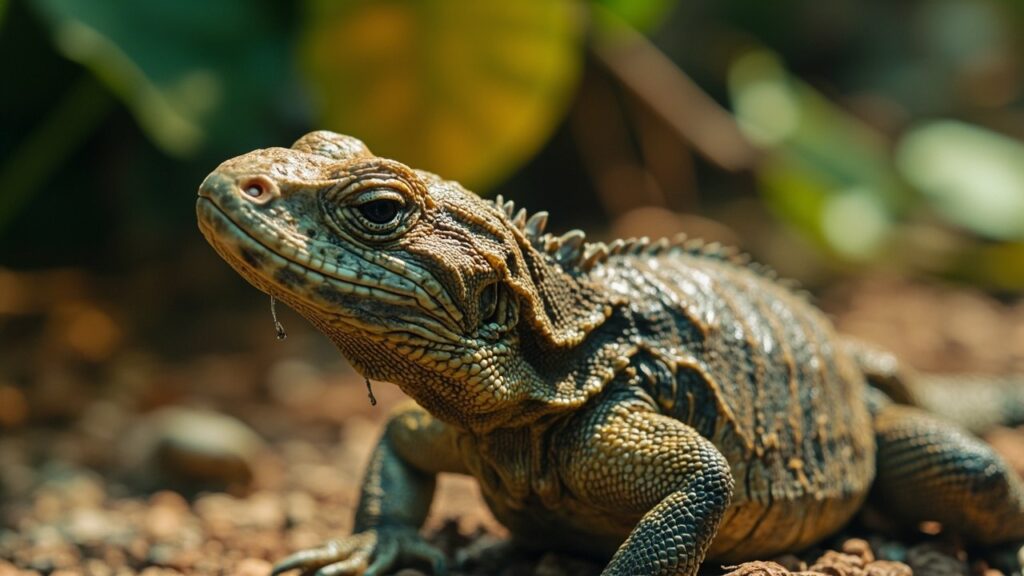
Summer Basking and Hydration for Pet Reptiles
Warm weather can raise enclosure temperatures quickly. Check basking and cool areas, provide species-appropriate water and humidity, and prevent uncontrolled sun exposure.

Warm weather can raise enclosure temperatures quickly. Check basking and cool areas, provide species-appropriate water and humidity, and prevent uncontrolled sun exposure.
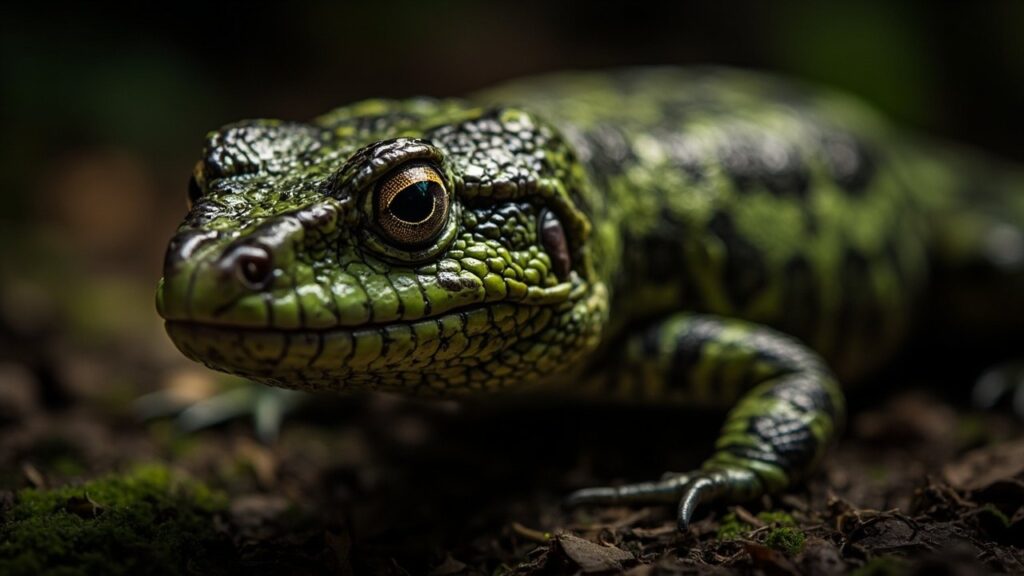
Borneo’s rainforests, peat swamps, rivers and mangroves support reptiles with varied habitat needs. Many are difficult to detect and survey.
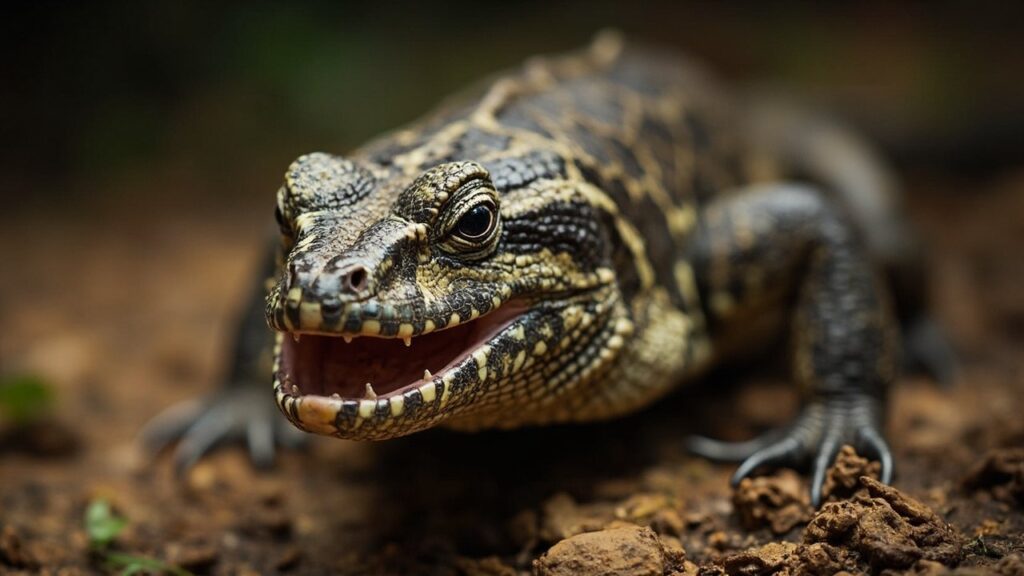
The Okavango Delta supports many reptiles and amphibians across floodplains, channels and dry islands. Seasonal flooding shapes where species live and breed.
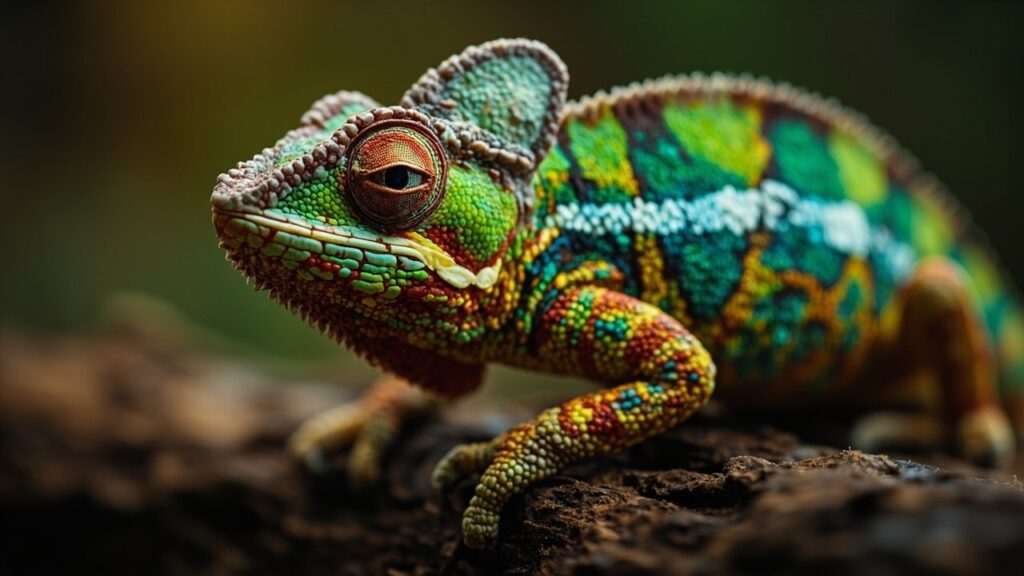
Chameleons change colour for communication, temperature regulation and camouflage. The range and speed of change differ among species.
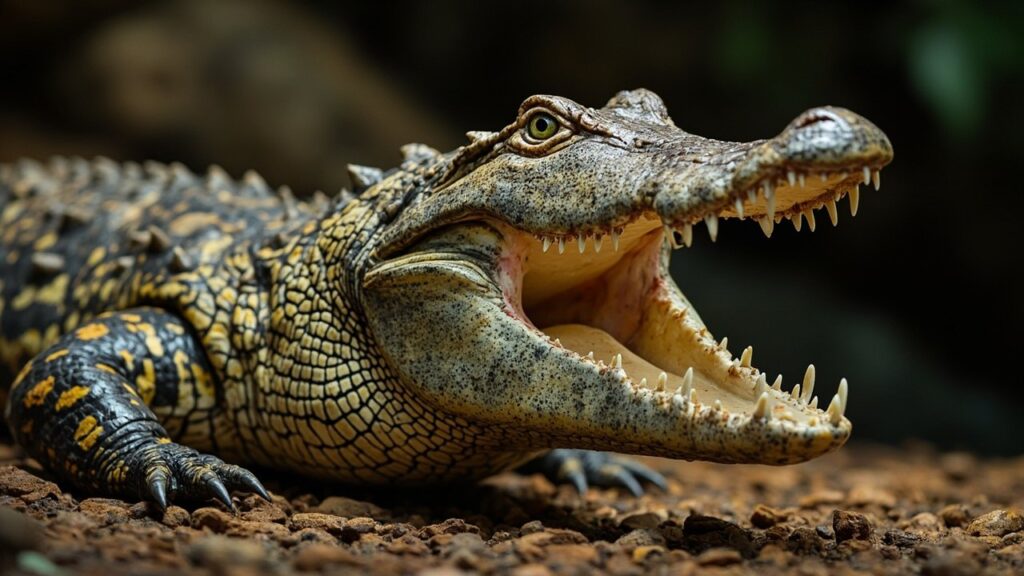
Caimans are a varied group of Central and South American crocodilians. Species differ in size, habitat, diet and conservation status.
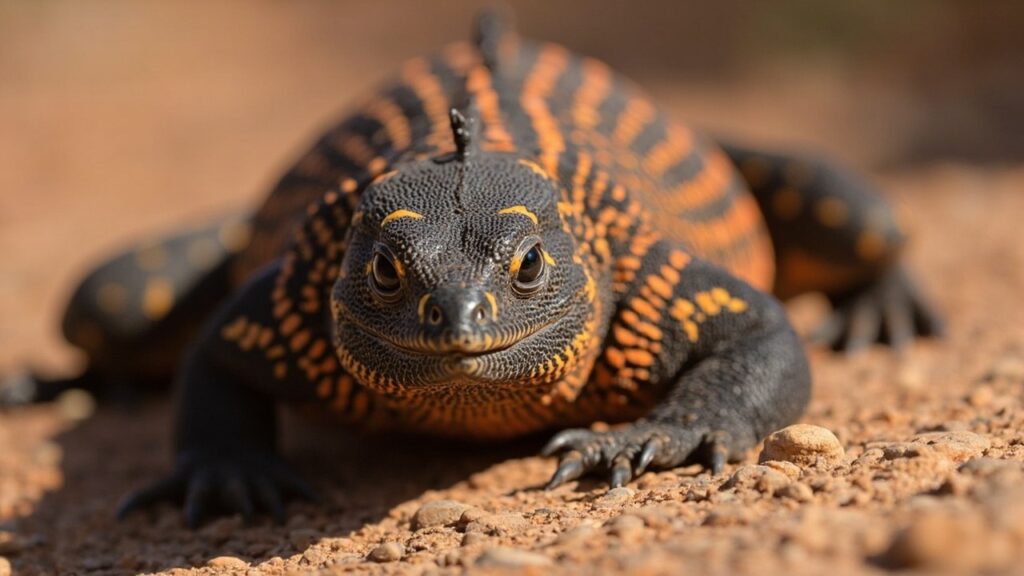
Gila monsters cope with seasonal food scarcity by storing fat in their bodies and tails. They spend much of the year sheltered in underground refuges.
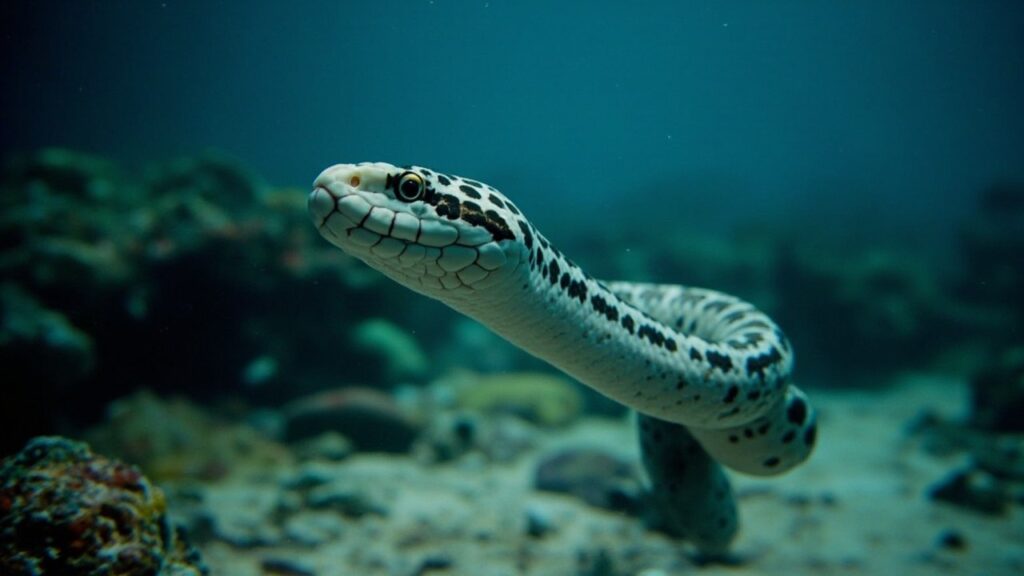
Sea snakes spend most or all of their lives at sea, while sea kraits regularly return to land. Both are air-breathing venomous reptiles and should be observed without handling.
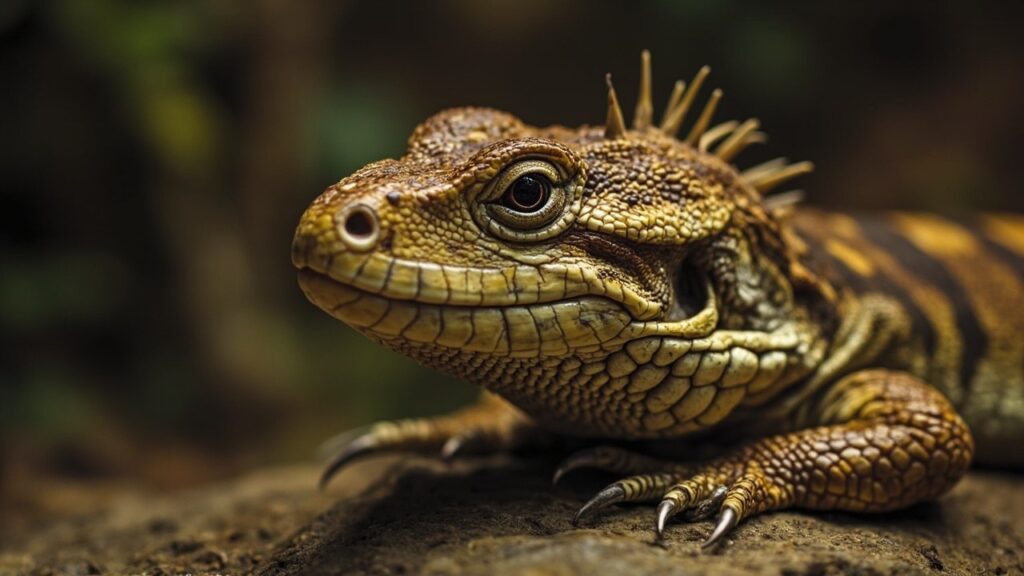
Reptile anatomy reflects ancestry, habitat and function. Shells, limb reduction, skull form and breathing systems evolved along different paths.
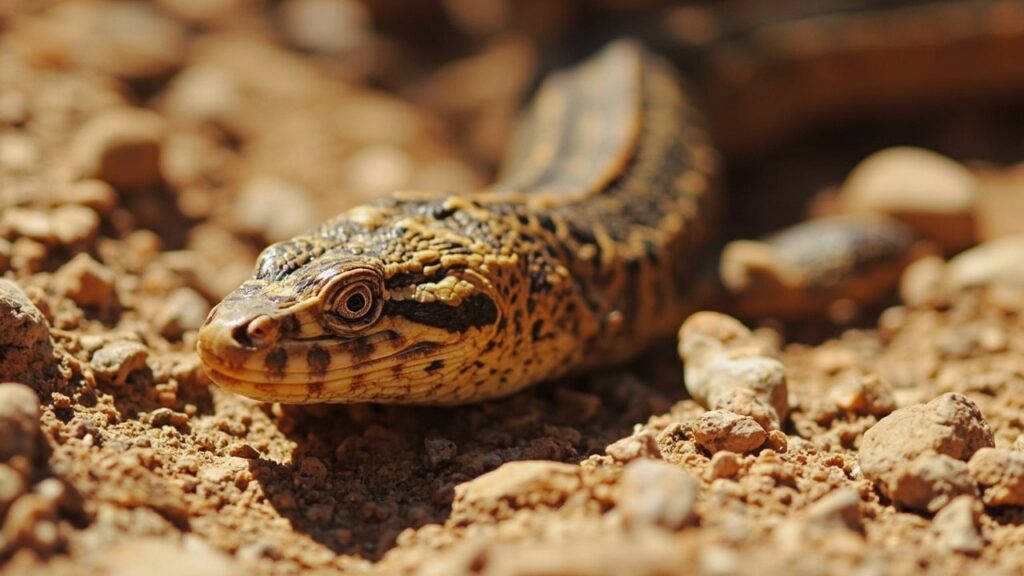
Reptiles in deserts, mountains and cold regions use behaviour and physiology to manage heat, water and seasonal limits. Adaptations vary.
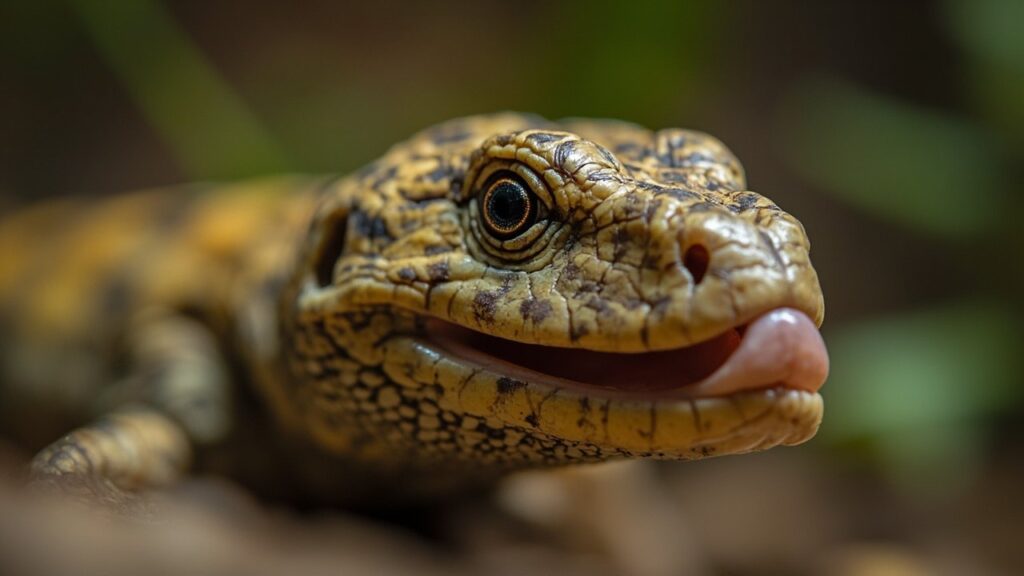
Basking, camouflage, escape, feeding and social behaviour can improve survival or reproduction, but their value depends on context.