
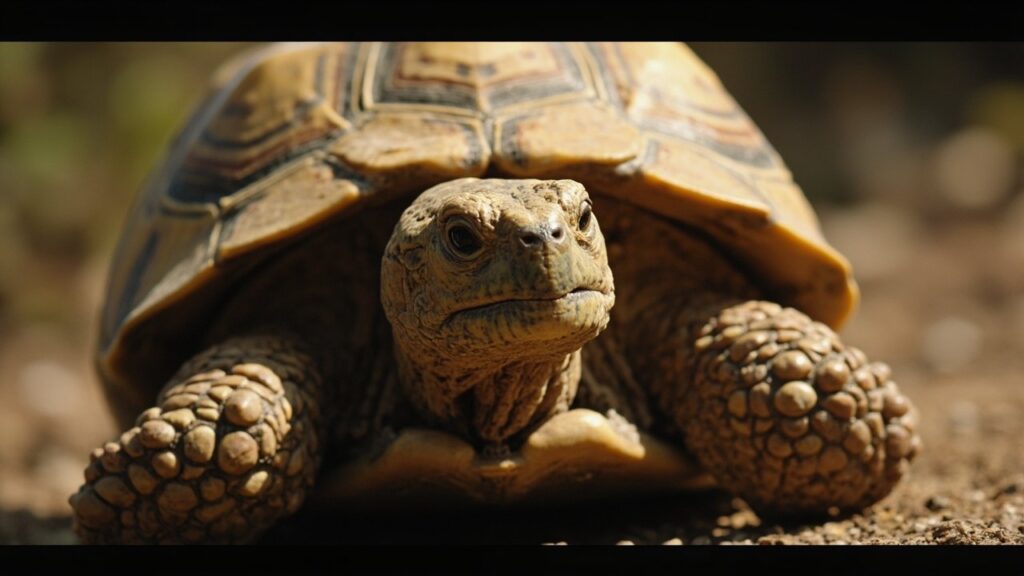
African Spurred Tortoises: A Long-Term Commitment
African spurred tortoises are large, long-lived animals from dry parts of the Sahel. Their size and burrowing require long-term planning.

African spurred tortoises are large, long-lived animals from dry parts of the Sahel. Their size and burrowing require long-term planning.
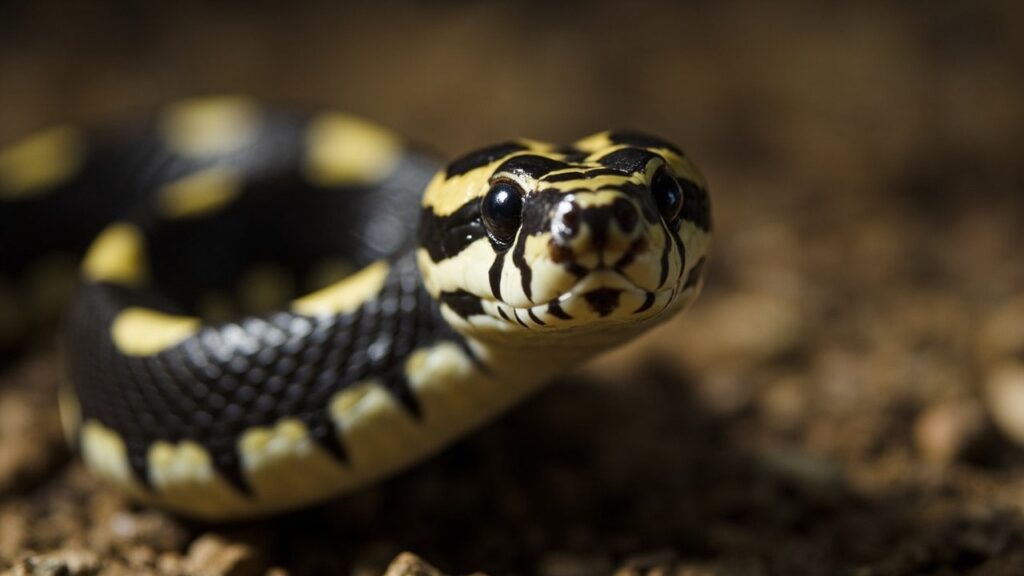
Snakes diversified into aquatic, burrowing, arboreal and terrestrial forms. Their skulls, senses and movement patterns vary with habitat and prey.
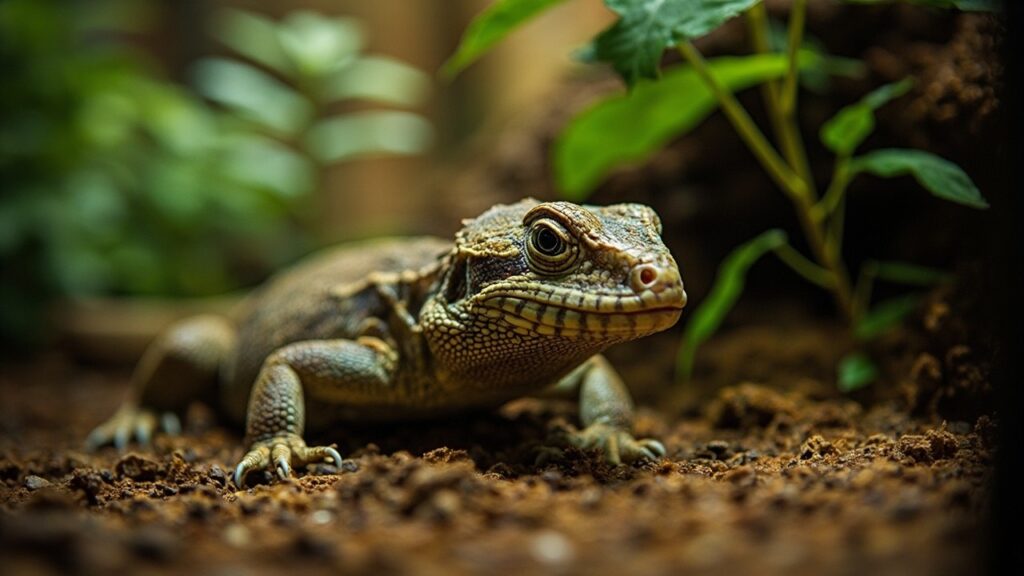
Pet reptile humidity needs differ by species, life stage and enclosure design. Measure conditions inside the enclosure, not the room.
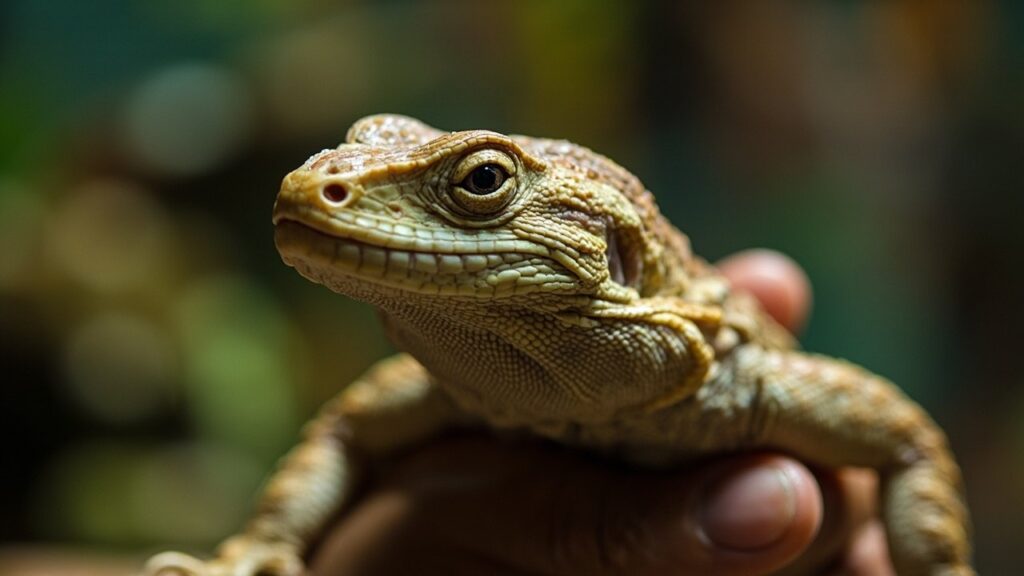
Captive breeding can support recovery when programmes maintain genetic diversity, animal welfare, disease safeguards and a suitable plan for release or long-term care.
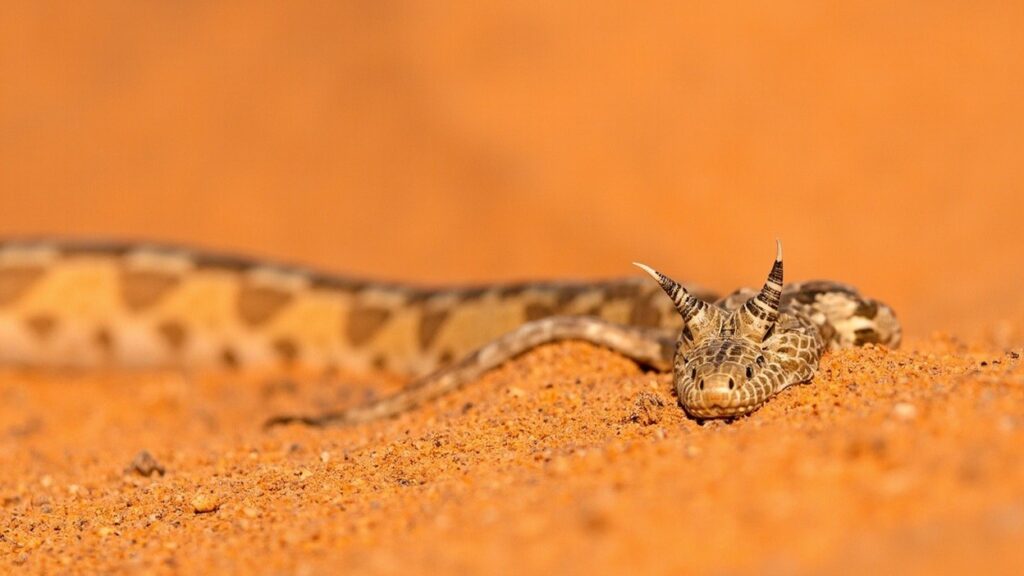
The Kalahari’s dunes, savanna and scrub support reptiles adapted to heat, seasonal rainfall and limited surface water.
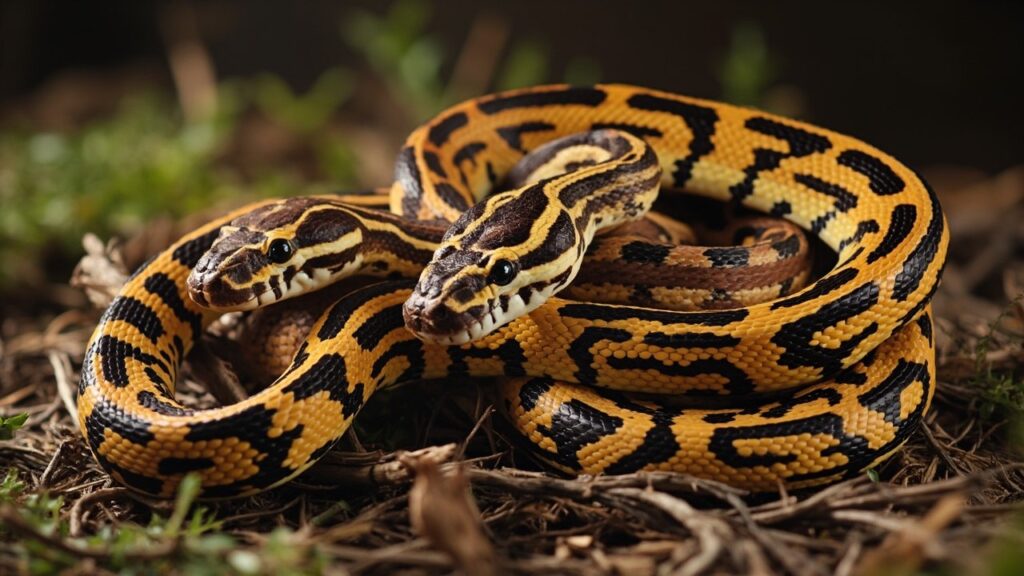
Kingsnake colours and markings vary by species, locality and individual. Captive morphs reflect selective breeding and should not be confused with natural adaptations or used to identify wild snakes.
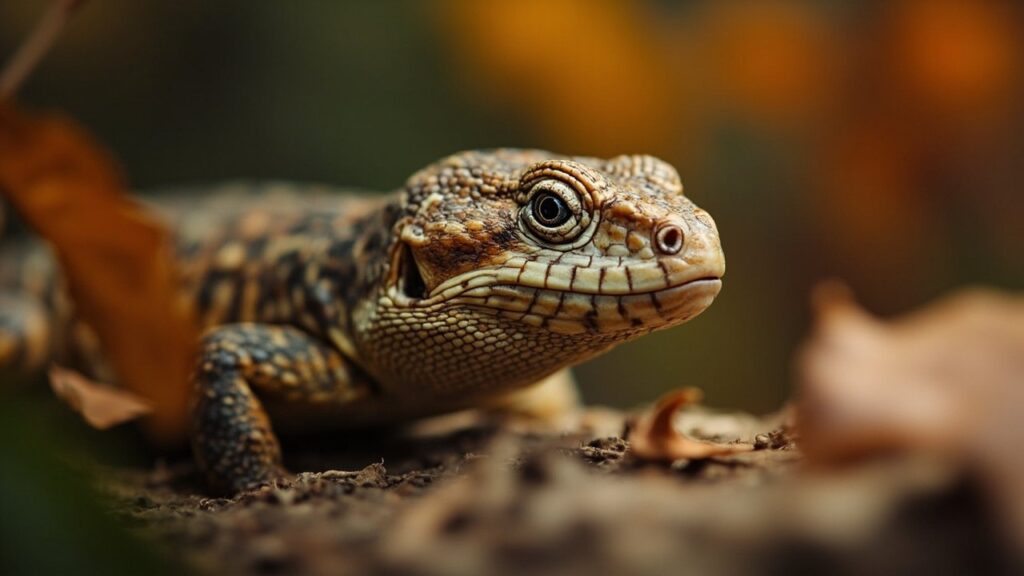
Brumation is not appropriate for every pet reptile. Species, health, body condition and veterinary guidance should be assessed before any seasonal husbandry change.
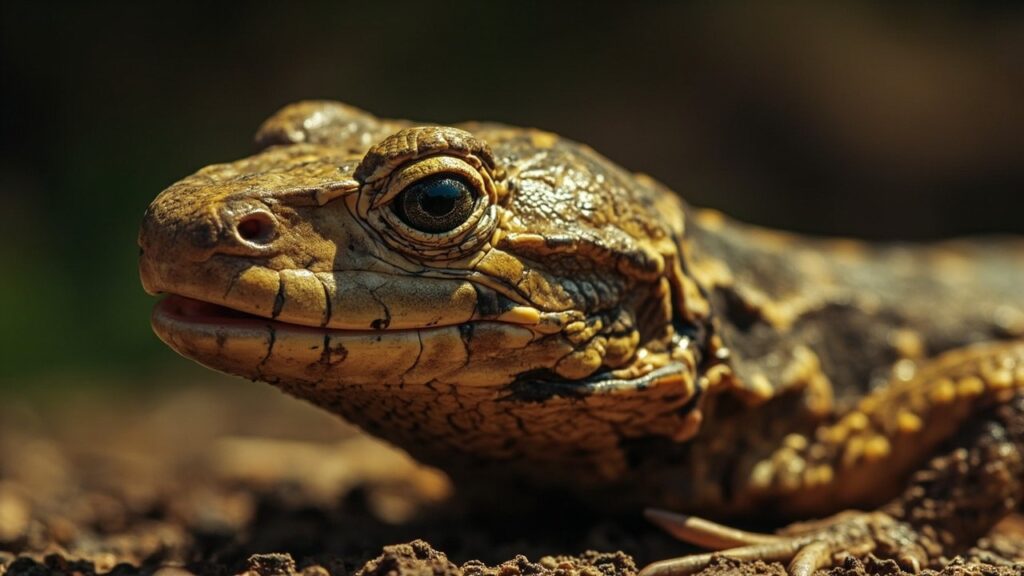
The Congo Basin includes rainforest, rivers, swamps and forest edges across Central Africa. Its reptile communities vary by habitat and location.
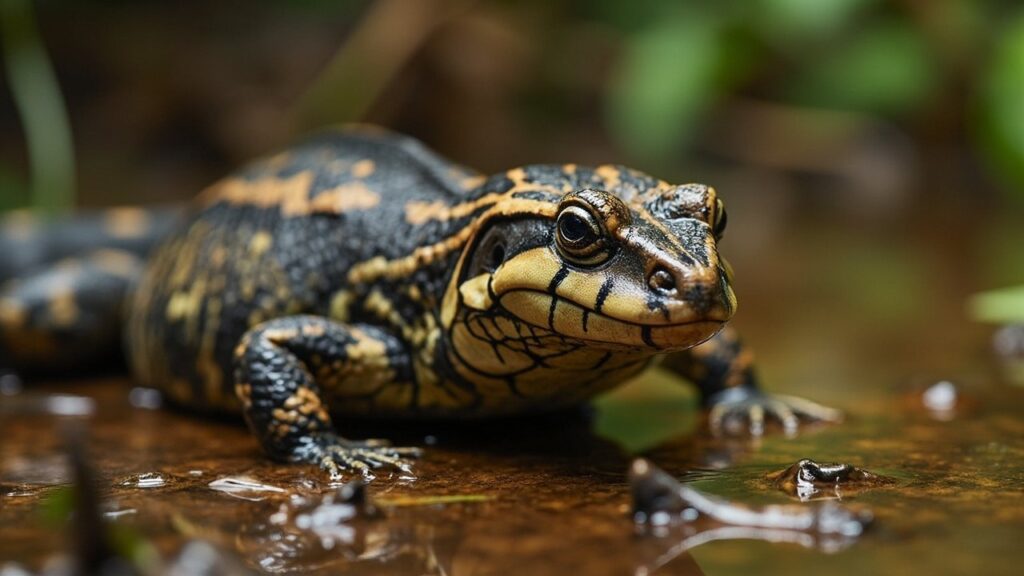
The Pantanal’s flood cycle creates shifting habitat for caimans, turtles, snakes and lizards. Fire, drainage and land use can alter these wetland communities.
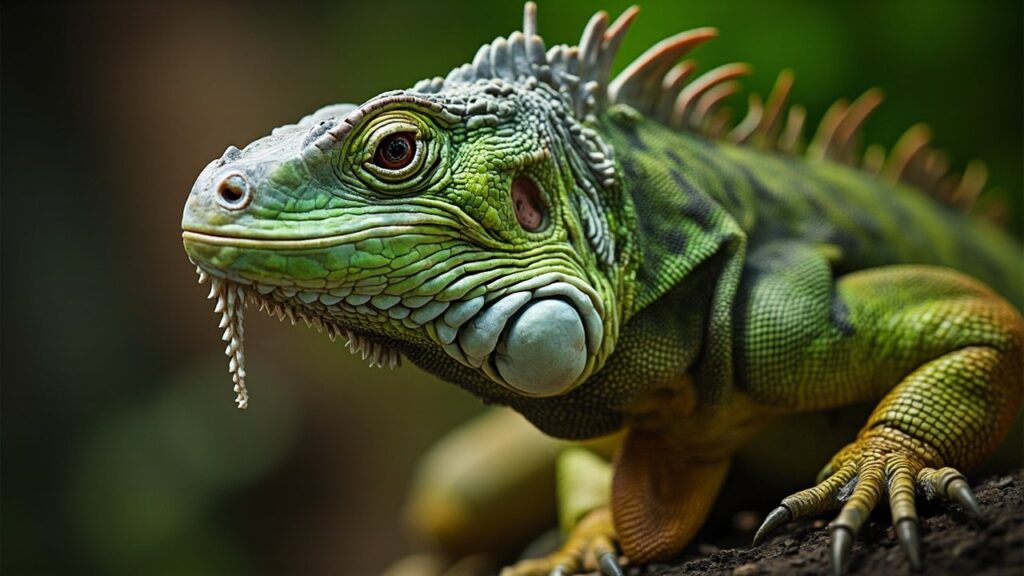
Green iguanas are largely arboreal herbivores native to tropical Central and South America. They use trees, waterways and dense vegetation.