
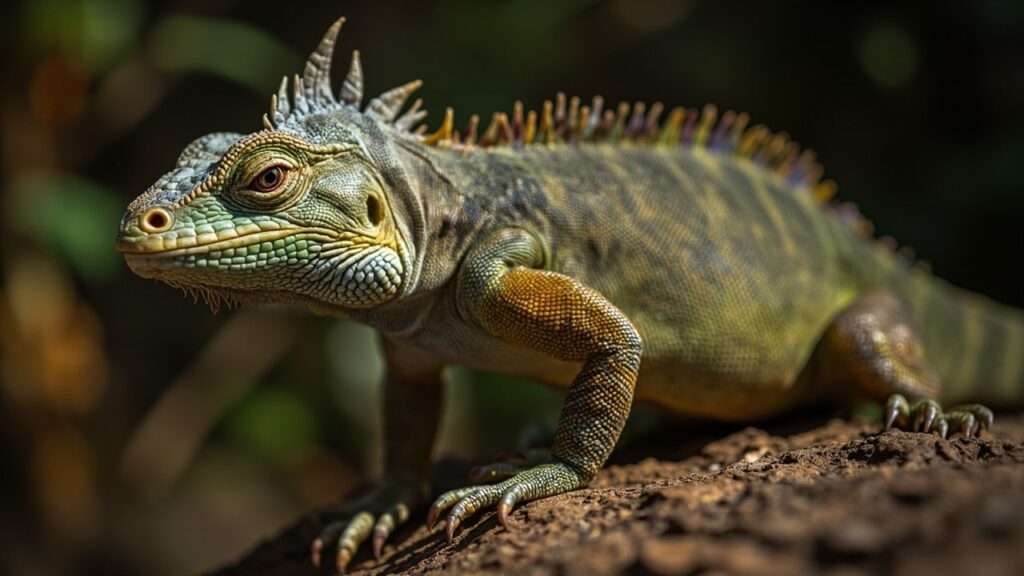
Fiji Crested Iguana Conservation and Translocation
Fiji crested iguana translocations follow invasive-species control and habitat restoration. Health screening, careful release planning and long-term monitoring determine whether populations persist.

Fiji crested iguana translocations follow invasive-species control and habitat restoration. Health screening, careful release planning and long-term monitoring determine whether populations persist.
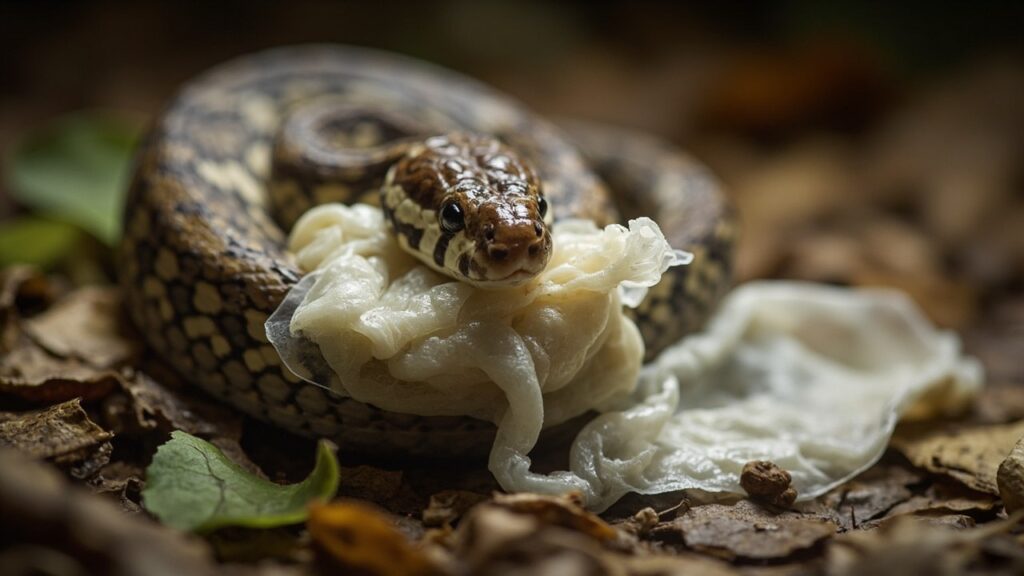
Reptiles periodically replace the outer layers of their skin. Shedding patterns differ among snakes, lizards, turtles and crocodilians, and retained shed should never be pulled forcefully.
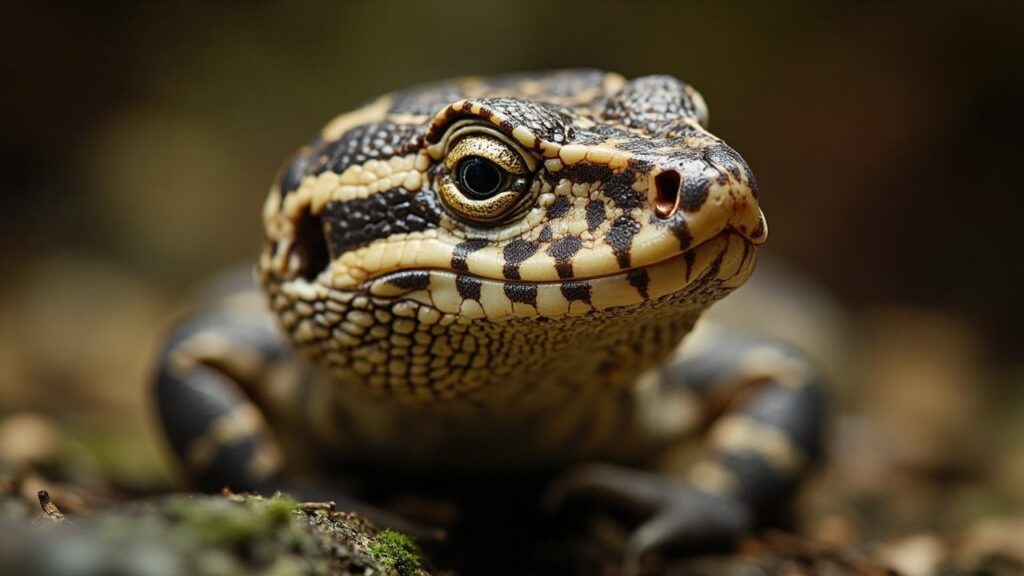
Reptile skin includes scales, scutes and, in some groups, bony osteoderms. Structure and shedding patterns vary by lineage and habitat.
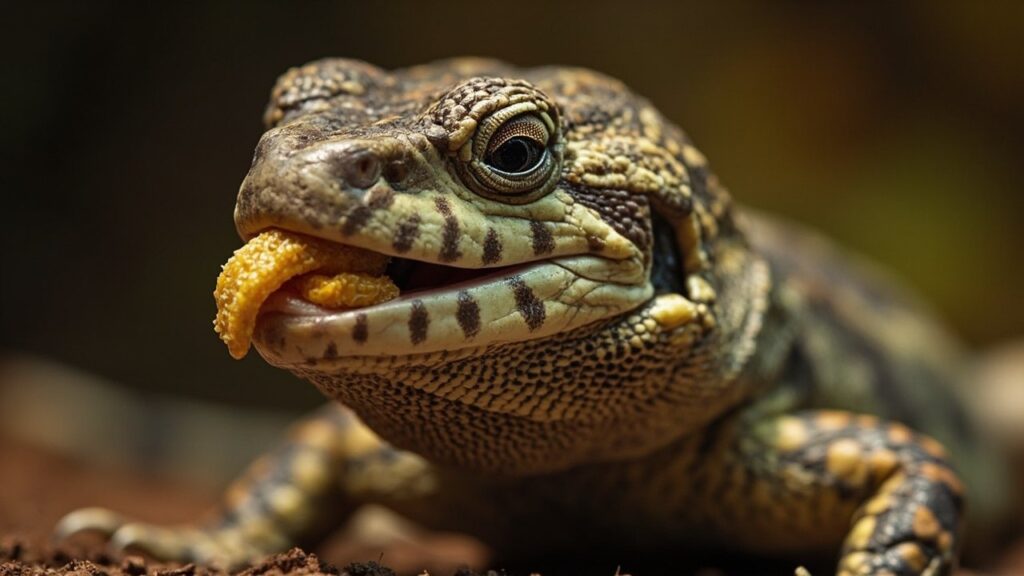
Some reptiles specialize on prey such as ants, snails, fish or eggs. Captive diets must match the biology and nutritional needs of each species.
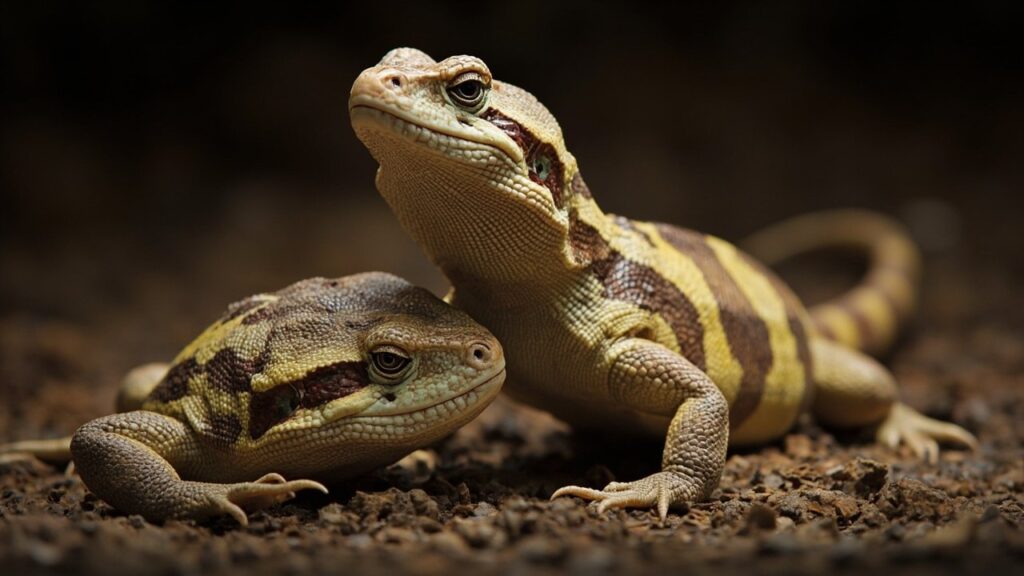
Reptile social behaviour ranges from brief breeding encounters to communal nesting, parental care and longer family associations. Grouping in the wild does not automatically justify shared captive housing.
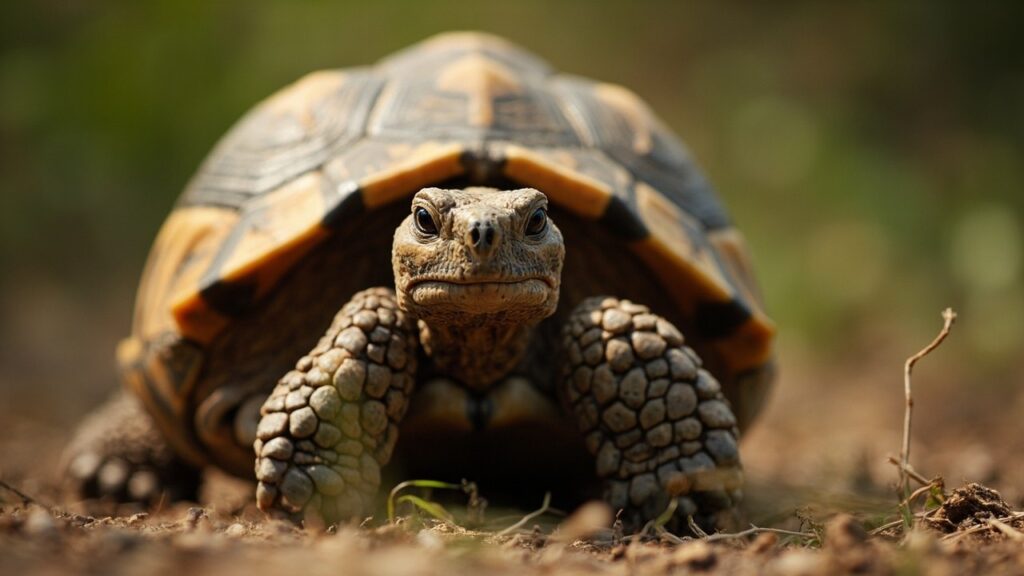
The ploughshare tortoise survives in a small dry-forest range in northwestern Madagascar. Anti-poaching work, habitat protection and reduced demand from illegal collectors are all needed.
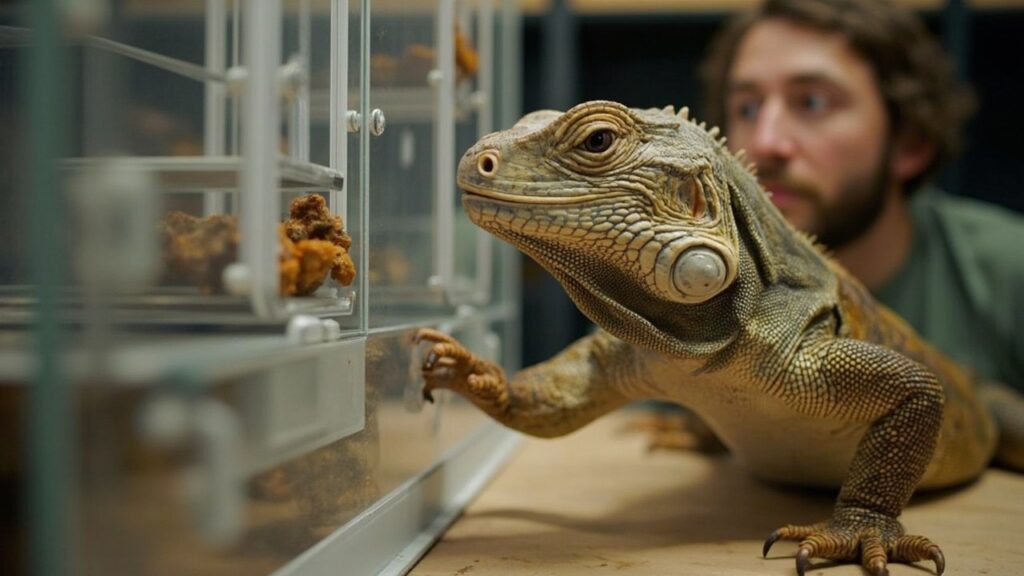
Studies document learning, memory, navigation and flexible behaviour in selected reptiles. Results must be interpreted through each species’ senses, motivation and ecology.
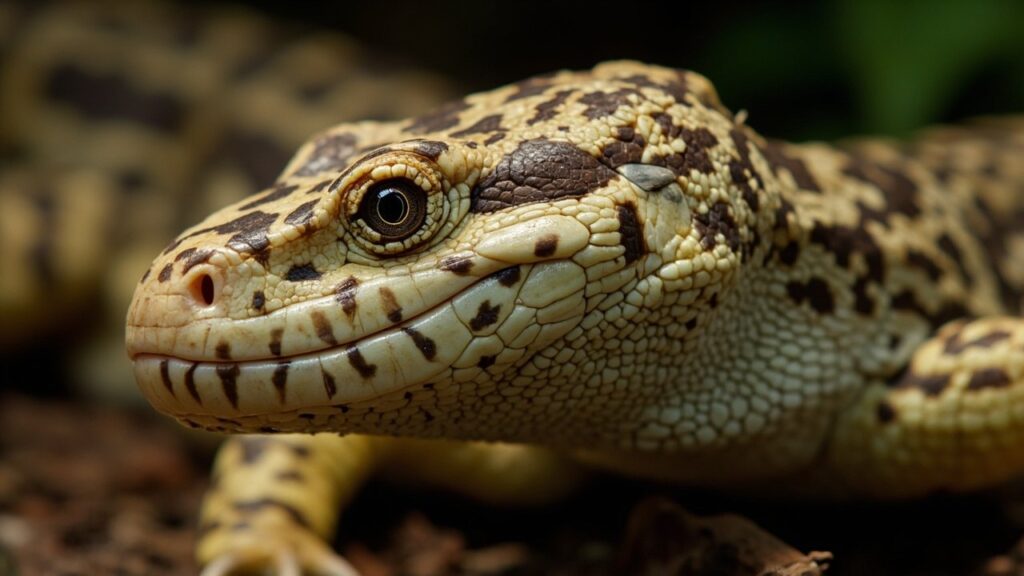
Reptile eyes, ears, chemical-sensing organs and heat receptors vary across lineages. No single sensory description applies to every turtle, crocodilian, snake or lizard.
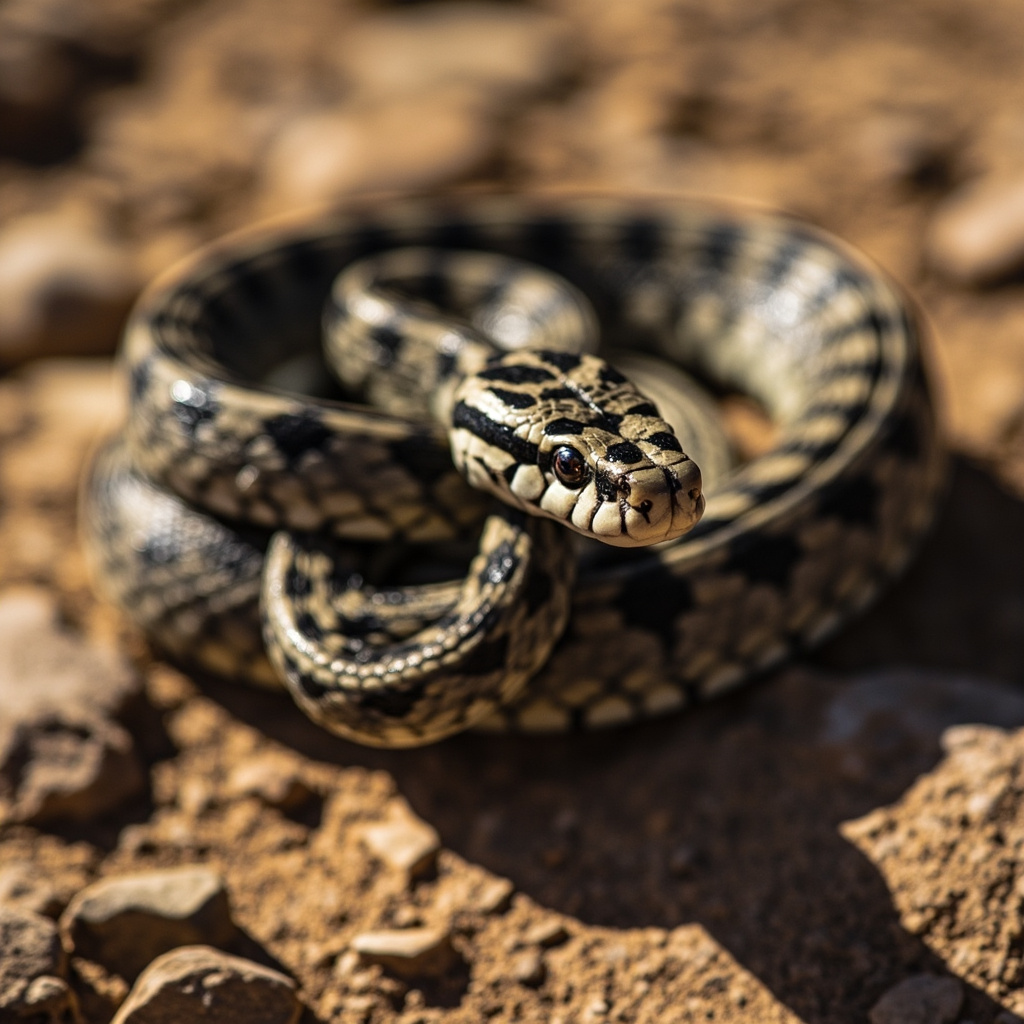
Risk from a venomous reptile depends on species, dose, bite location, health and treatment time. Safe practice is to avoid handling.
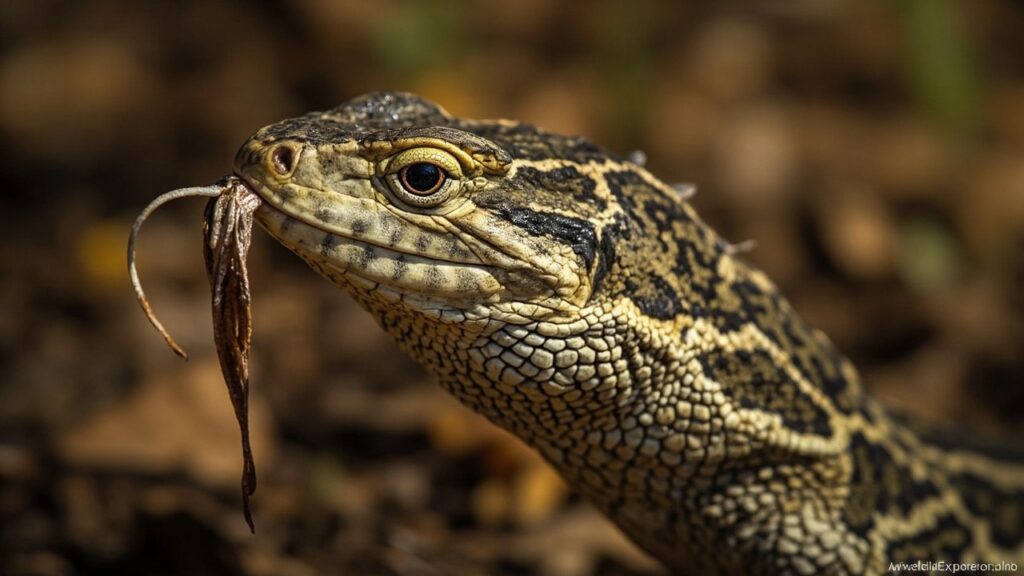
Reptiles act as both predators and prey. Camouflage, ambush, venom, constriction, escape and tail loss are among the strategies shaped by habitat and body size.