
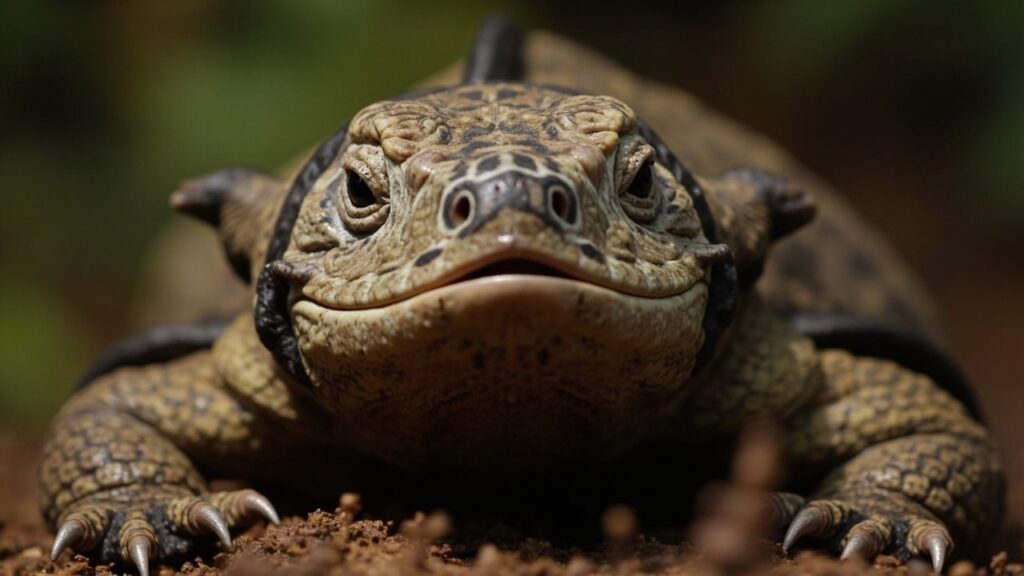
Tuatara Recovery in New Zealand
Tuatara recovery in New Zealand includes island protection, invasive mammal control, translocation and long-term population monitoring.

Tuatara recovery in New Zealand includes island protection, invasive mammal control, translocation and long-term population monitoring.
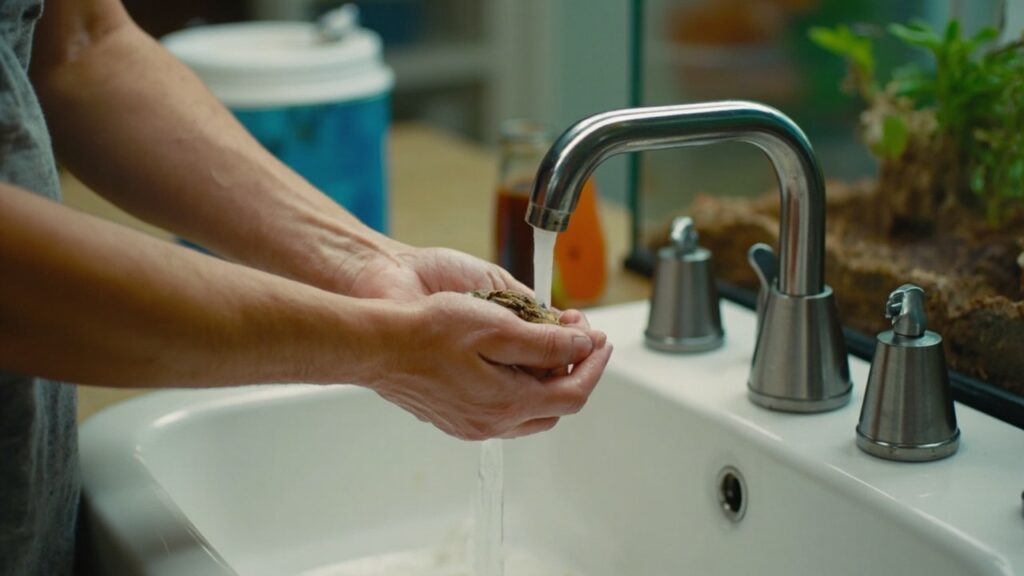
Reptiles can carry Salmonella even when healthy. Handwashing, separate cleaning areas and no contact for children under five reduce household risk.
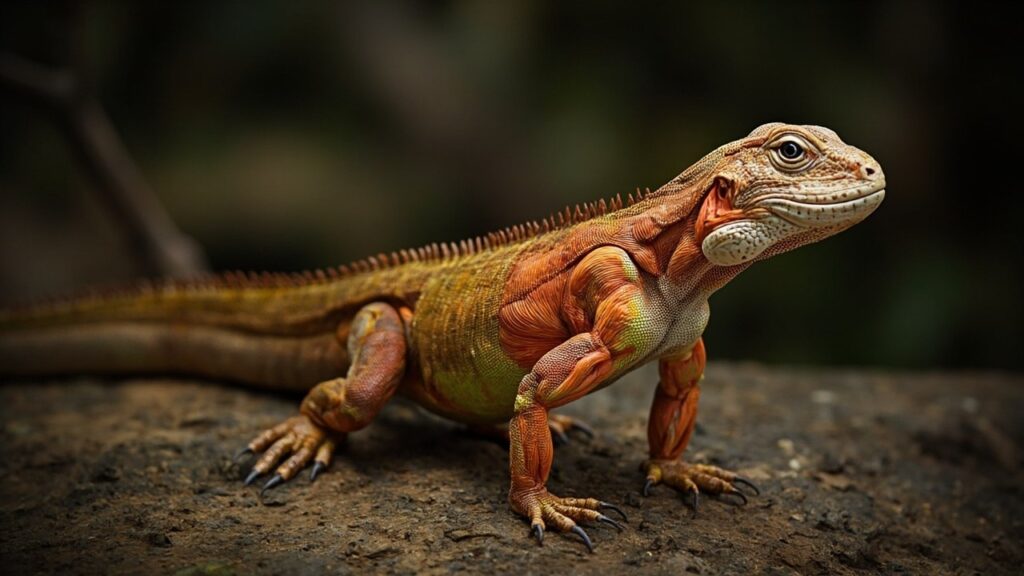
Reptile muscles power movement, feeding, breathing and posture. Their arrangement and performance vary with body form, temperature and activity.
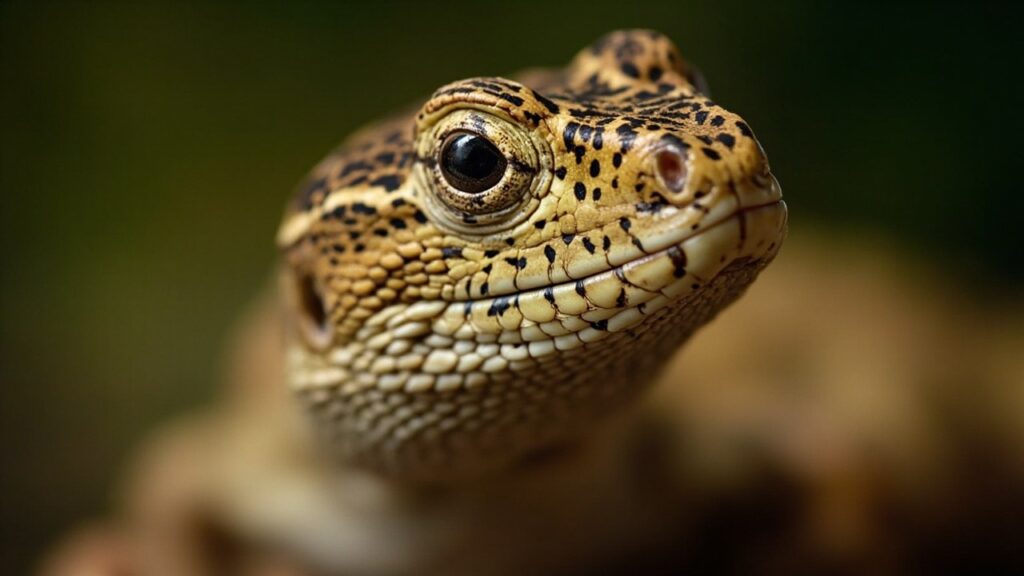
Reptile senses vary among species and habitats. Vision, hearing, vibration, chemical cues and heat sensitivity provide different information to turtles, crocodilians, snakes and lizards.
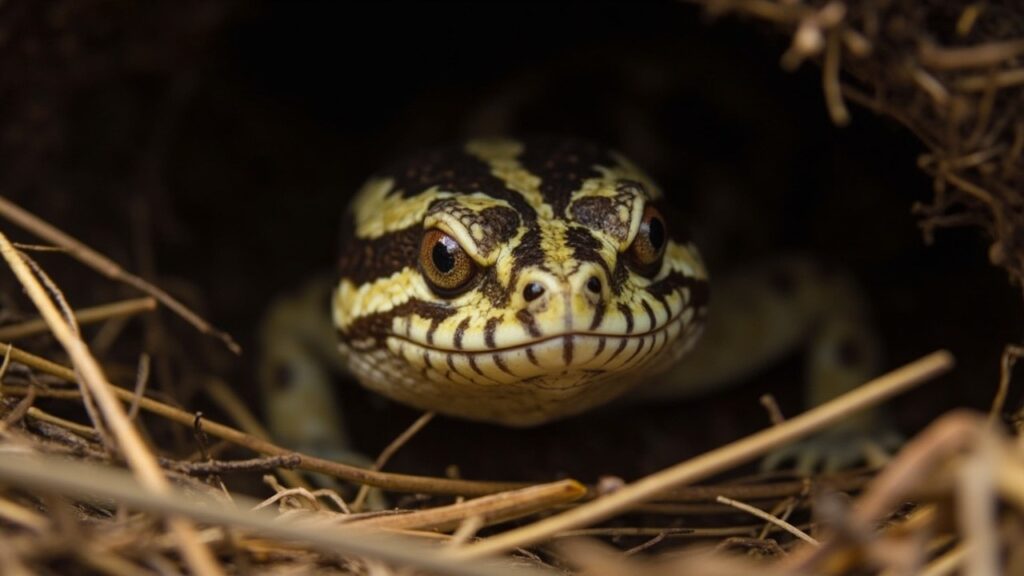
Brumation and aestivation are forms of reduced activity linked to seasonal cold, heat or drought. Timing and depth vary by species, population and local conditions.
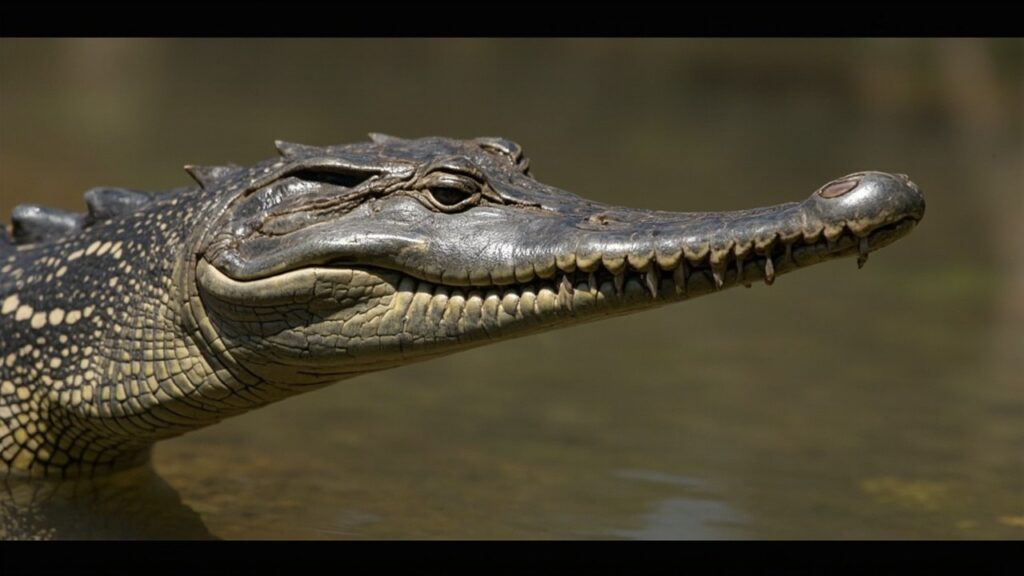
Gharial recovery in India and Nepal includes nest protection, captive rearing, releases, safer fishing practices and river habitat protection.
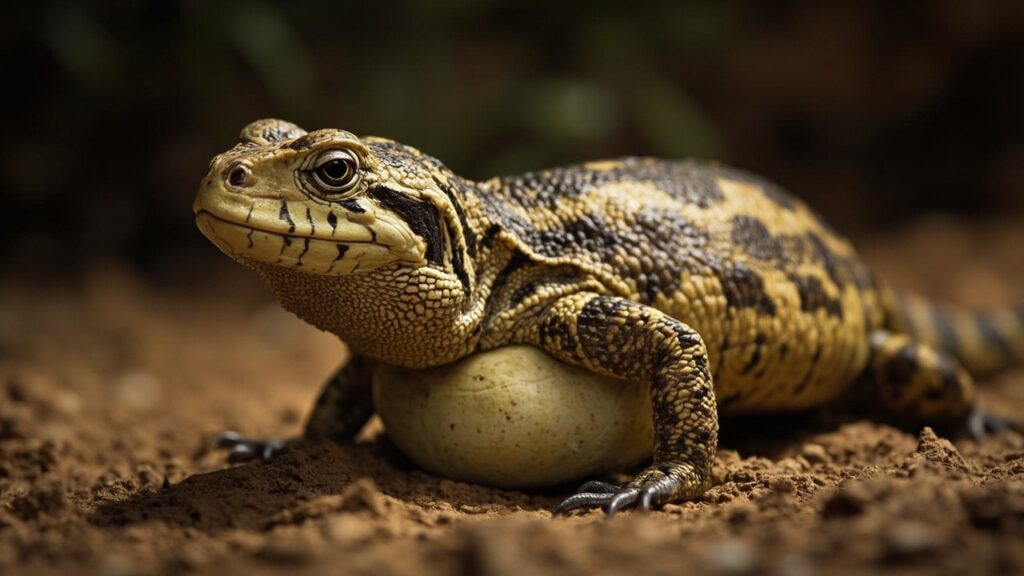
Reptile eggs vary in shell structure, clutch size and incubation needs. Temperature, moisture and gas exchange affect development.
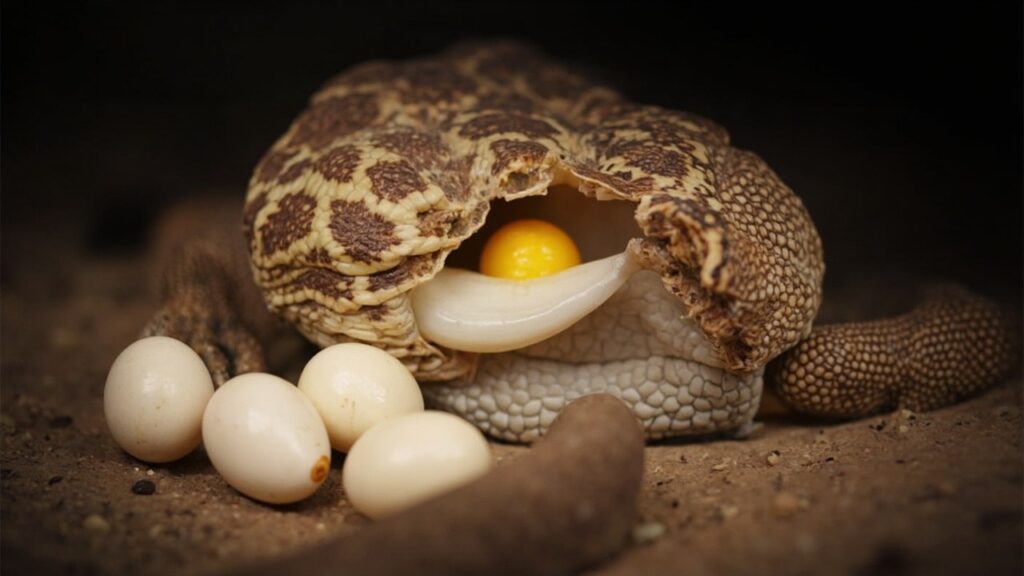
Reptile reproductive anatomy differs among turtles, crocodilians, tuatara, snakes and lizards. Internal fertilisation, egg laying, live birth and reproductive timing all vary by lineage.
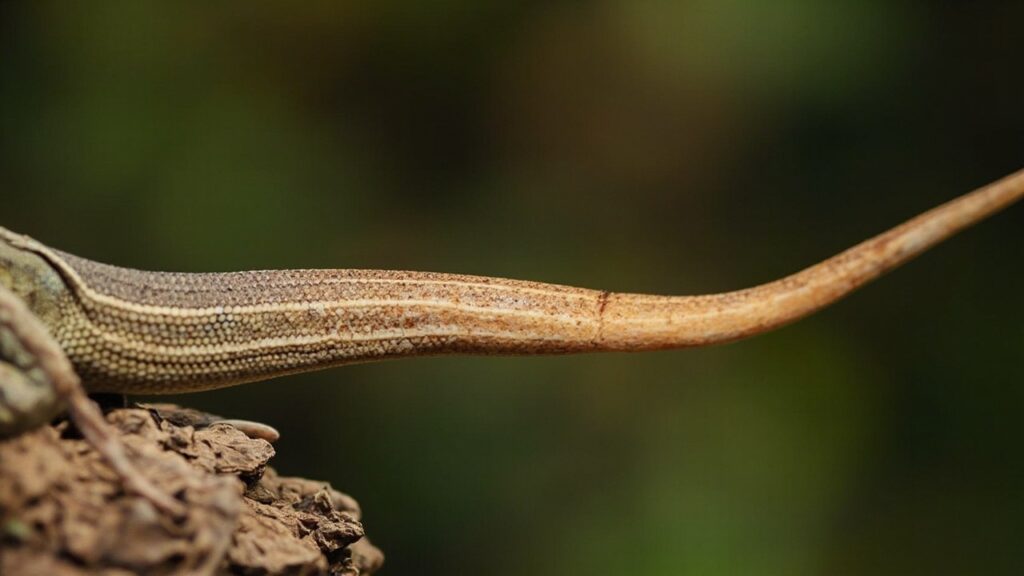
Many lizards can regrow part of a lost tail, but the replacement differs from the original. Regeneration is limited in other reptile groups.
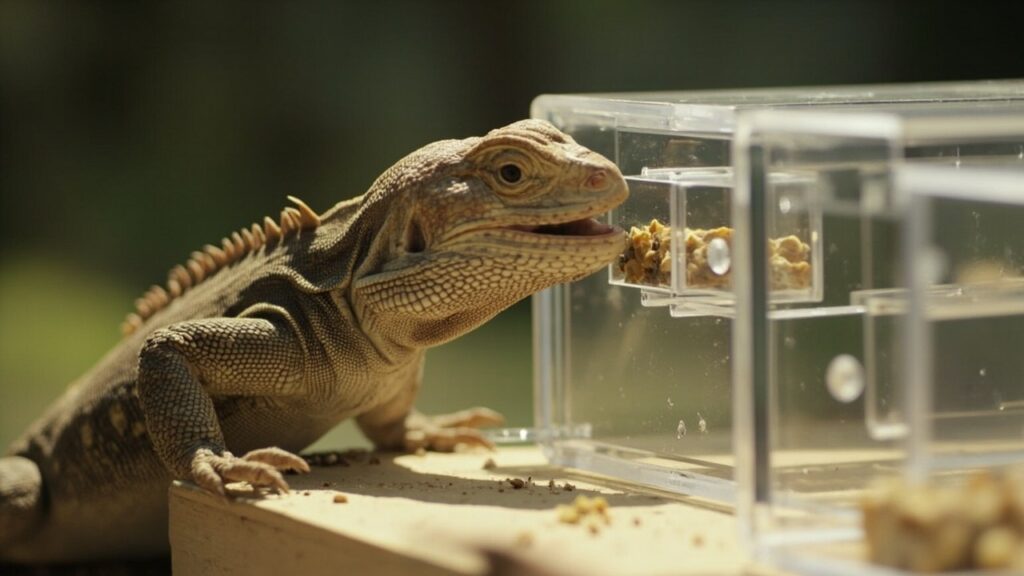
Studies document learning and memory in several reptile species, but performance varies with task, temperature, motivation and study design.