
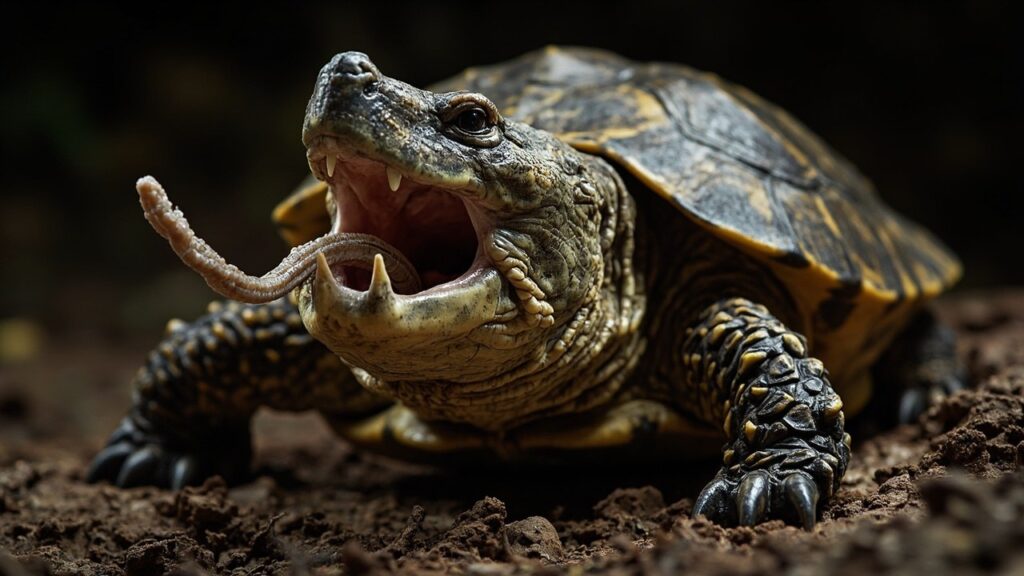
Alligator Snapping Turtles: A Lure-Like Tongue
Alligator snapping turtles use a mobile, worm-like tongue appendage as a lure while waiting with the mouth open for nearby prey.

Alligator snapping turtles use a mobile, worm-like tongue appendage as a lure while waiting with the mouth open for nearby prey.
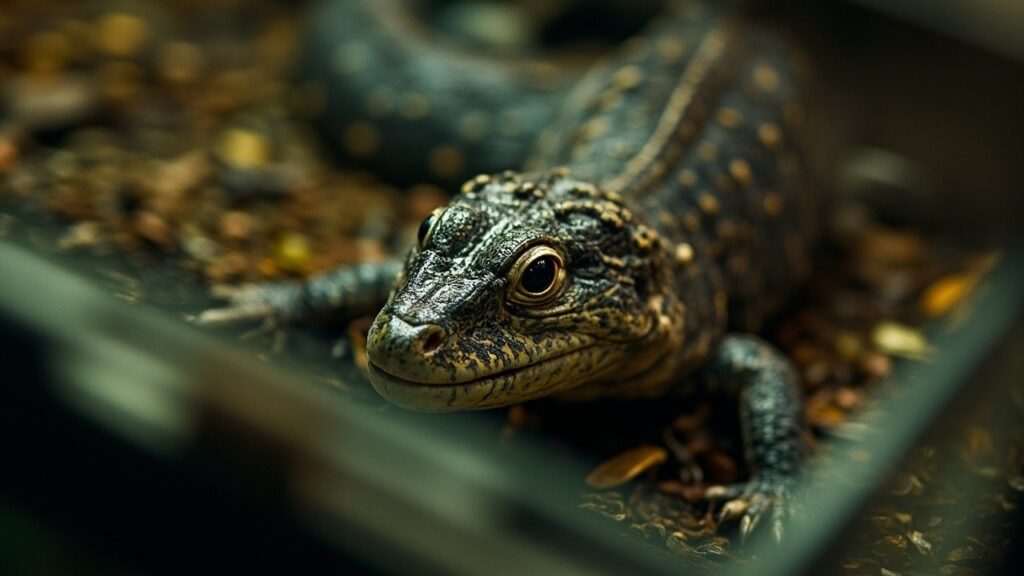
Asian water monitors use wetlands, rivers and human-modified habitats in the Mekong region. Their presence alone is not a direct measure of pollution.
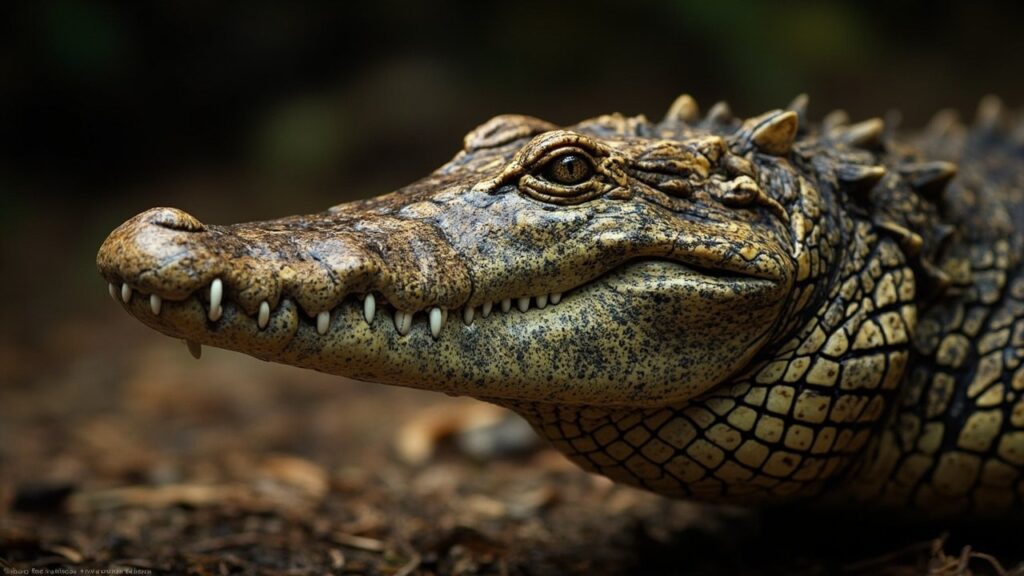
The Orinoco crocodile survives in fragmented river populations in Colombia and Venezuela. Past hunting and continuing habitat pressures have reduced its range.
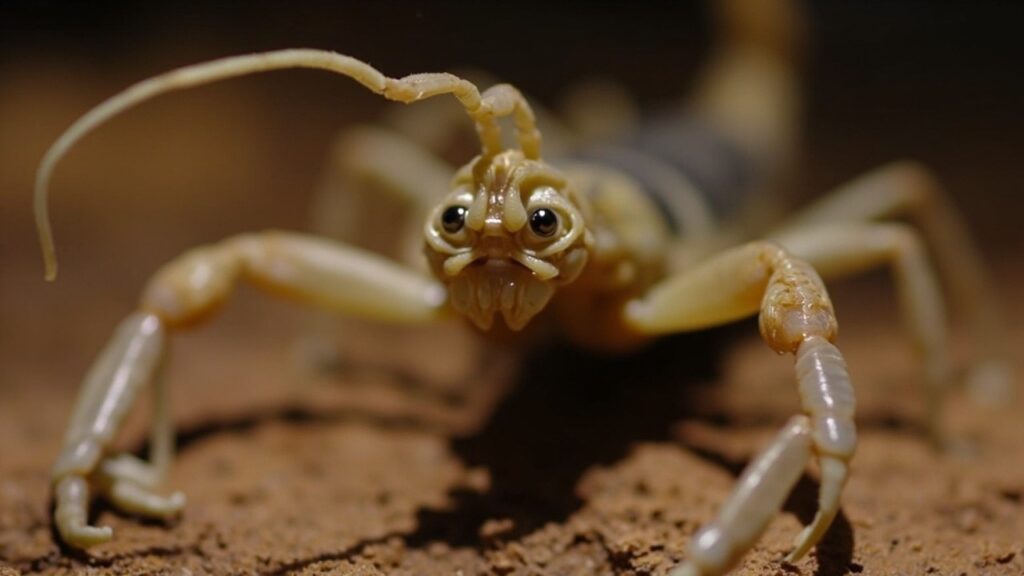
Scorpion size is not a reliable measure of medical risk. Venom effects vary by species, dose, individual response and access to treatment.
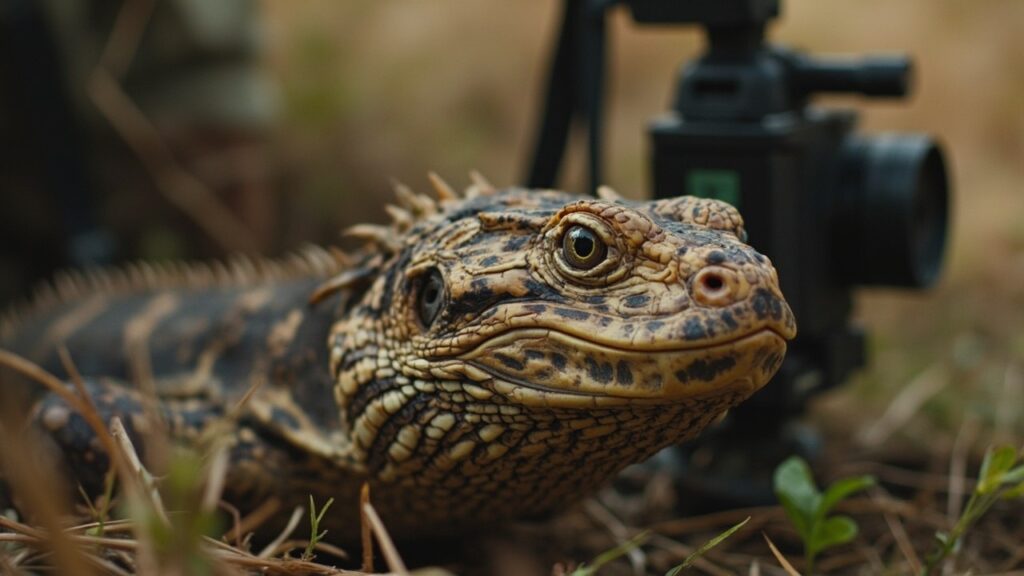
International reptile conservation works best when specialists, agencies, communities and site managers share clear goals, field evidence and long-term monitoring. Claims of success should distinguish plans from measured outcomes.
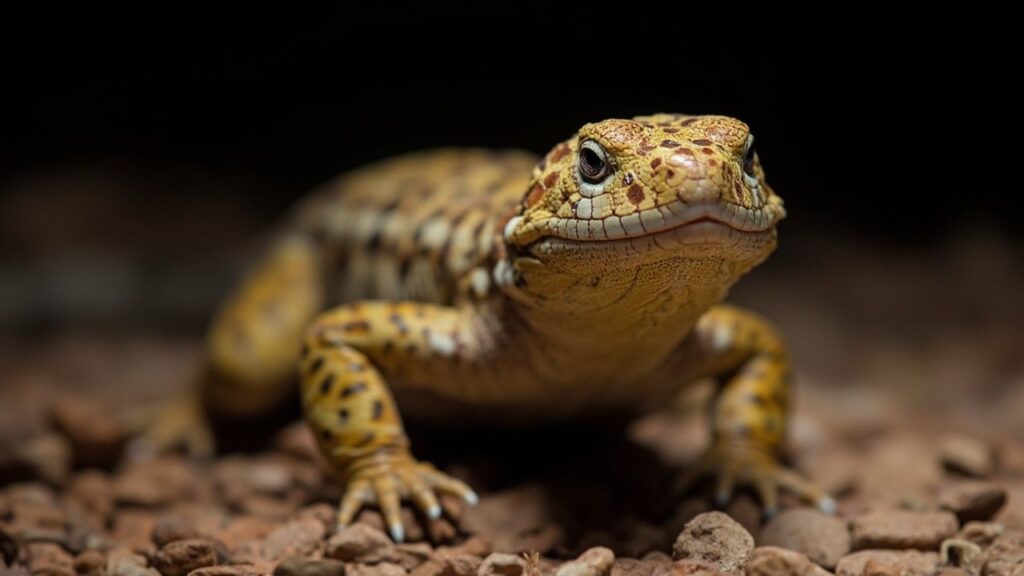
Mojave Desert reptiles follow different daily schedules. Some are active at night, while others use daylight, shade, burrows or ground cover.
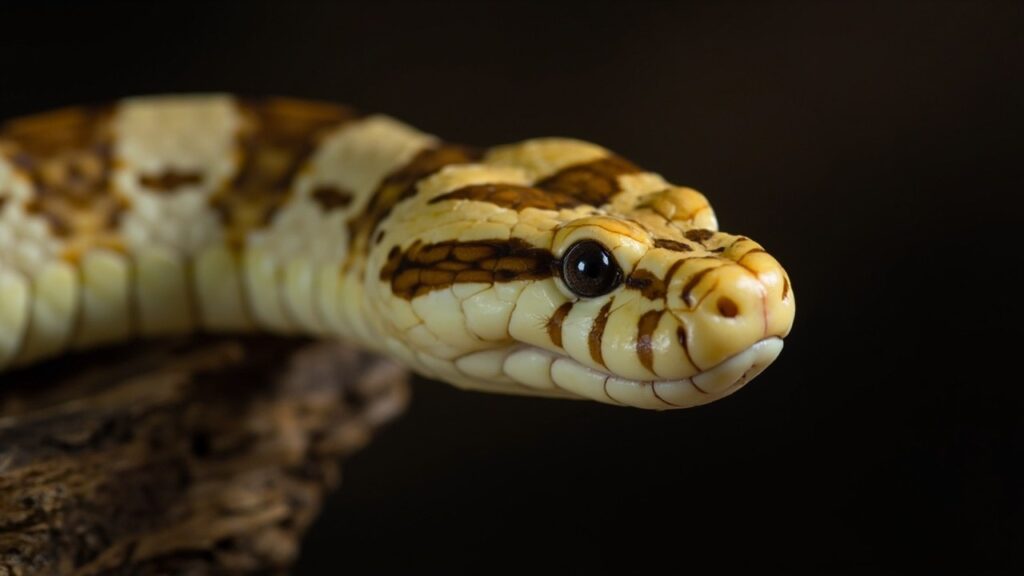
Britain’s smooth snake is a protected, nonvenomous heathland specialist. Habitat management, licensed monitoring and careful reporting support conservation without disturbing or collecting wild animals.
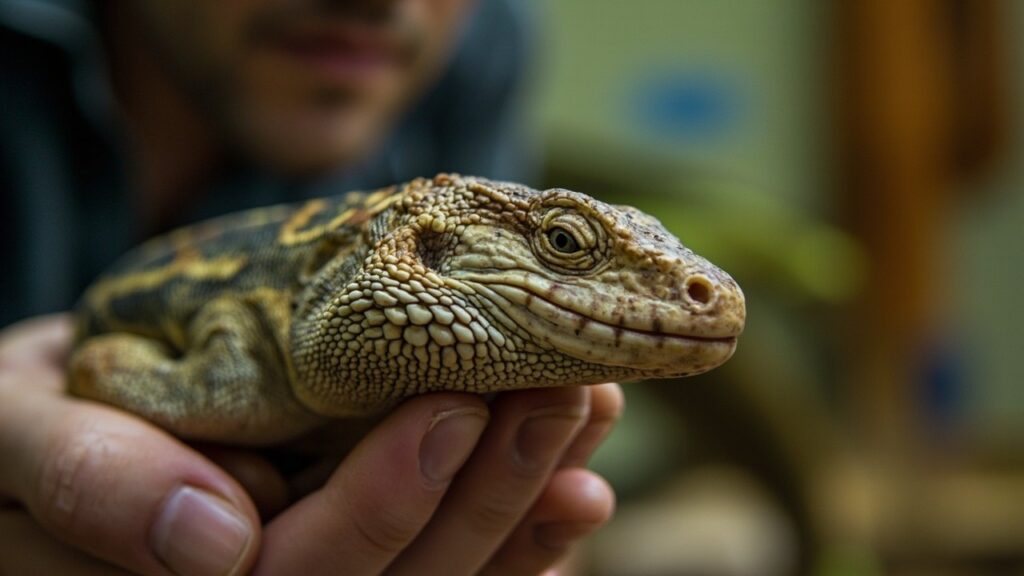
Routine observation and veterinary care can identify seasonal health changes early. Records of weight, appetite, shedding and enclosure conditions give useful context.
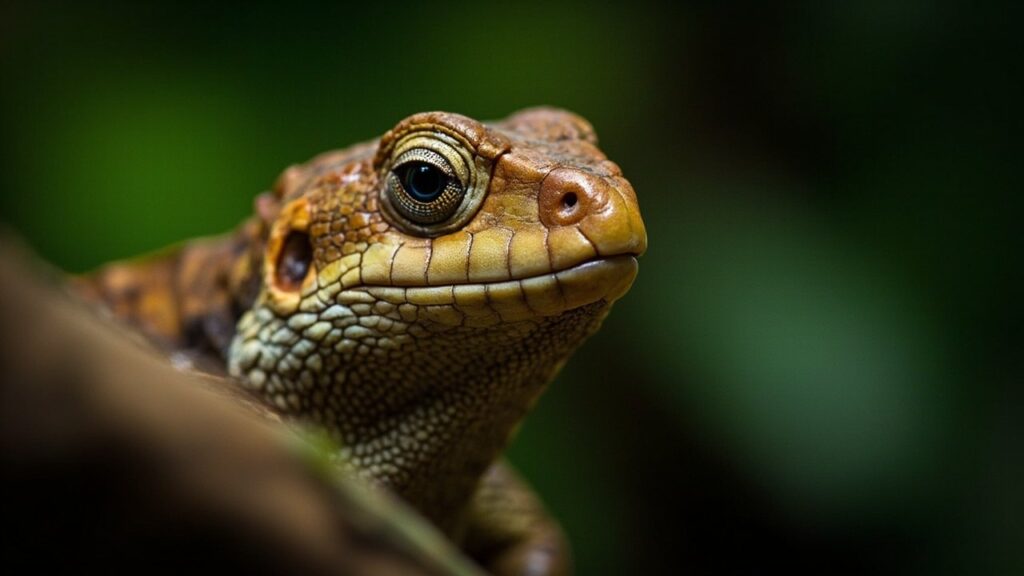
Ecuador’s cloud forests change sharply with elevation, rainfall and geography. Many reptiles and amphibians have small or localized ranges.
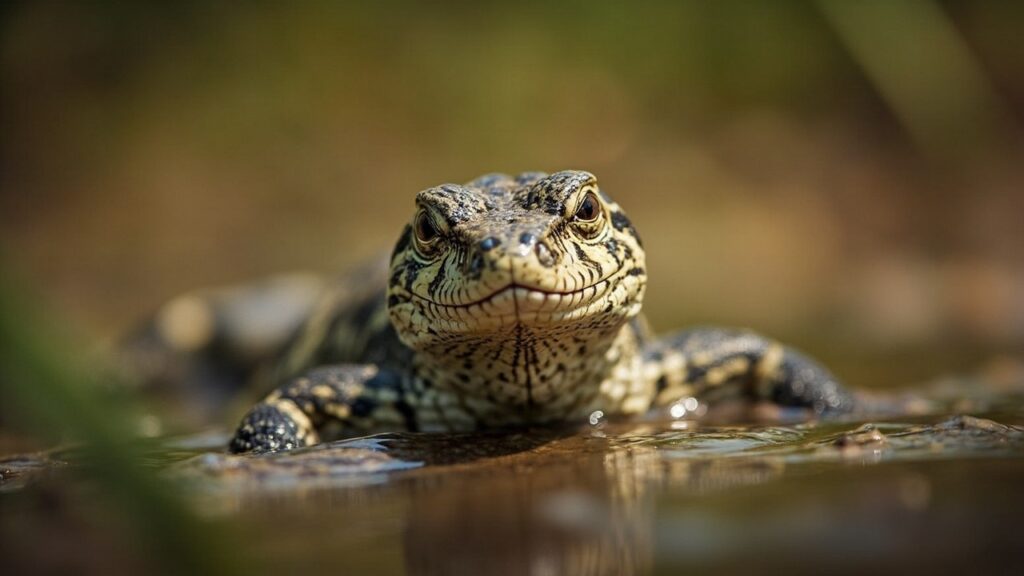
The Camargue’s marshes, ponds and canals support native turtles and other reptiles. Habitat change, invasive species and road deaths can affect them.