
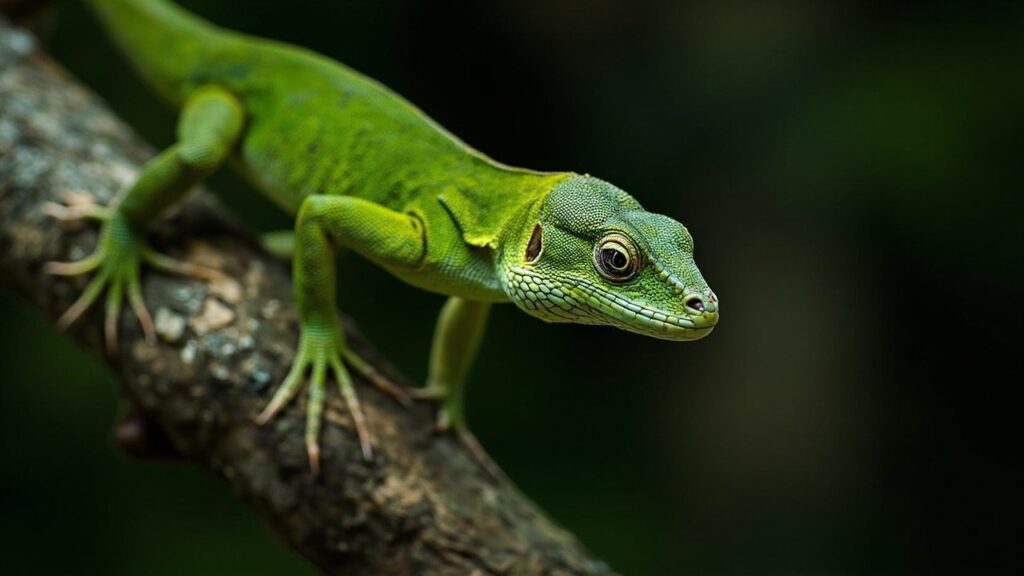
Emerald Tree Monitors: Arboreal Hunters
Emerald tree monitors are arboreal lizards that use strong limbs, curved claws and a prehensile tail to move and forage in trees.

Emerald tree monitors are arboreal lizards that use strong limbs, curved claws and a prehensile tail to move and forage in trees.
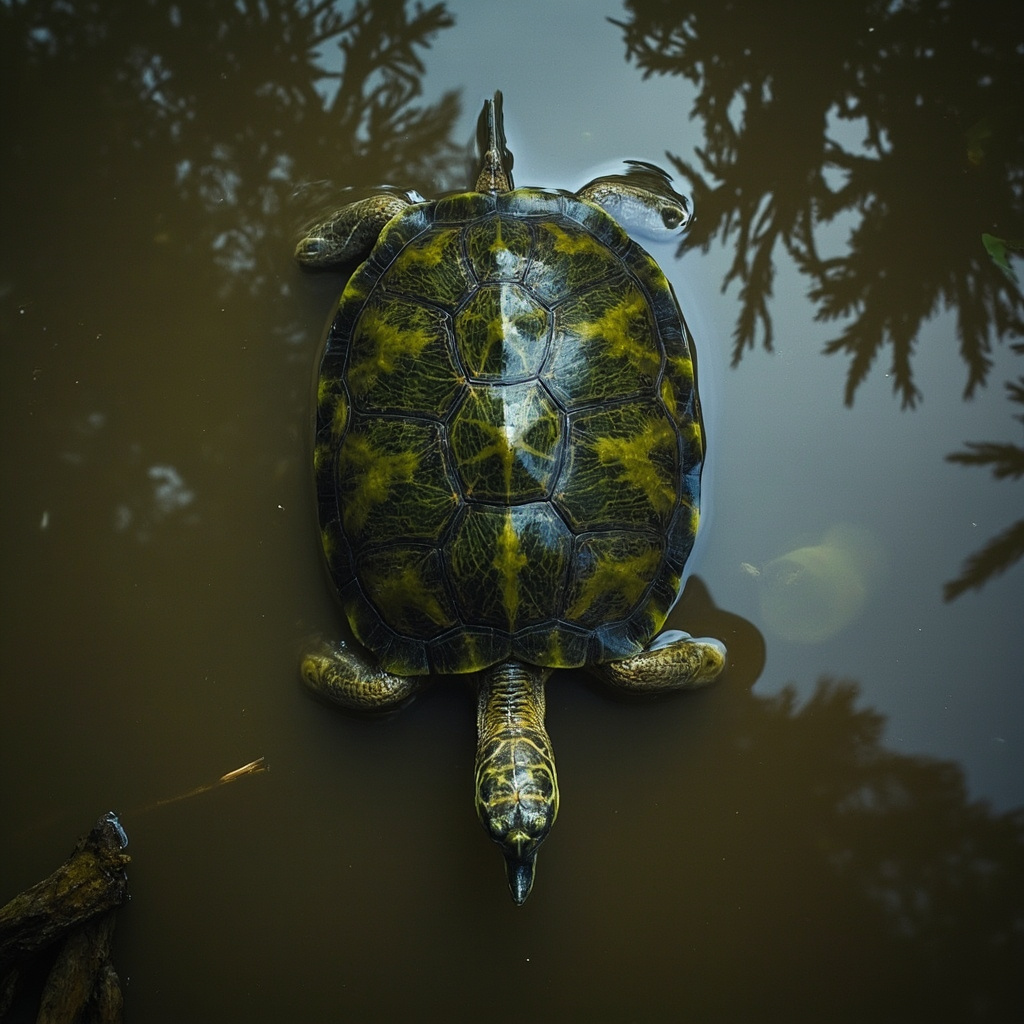
Amazon matamatas are freshwater ambush turtles whose flattened heads and textured shells provide camouflage. They surface through a snorkel-like snout and use rapid suction feeding.
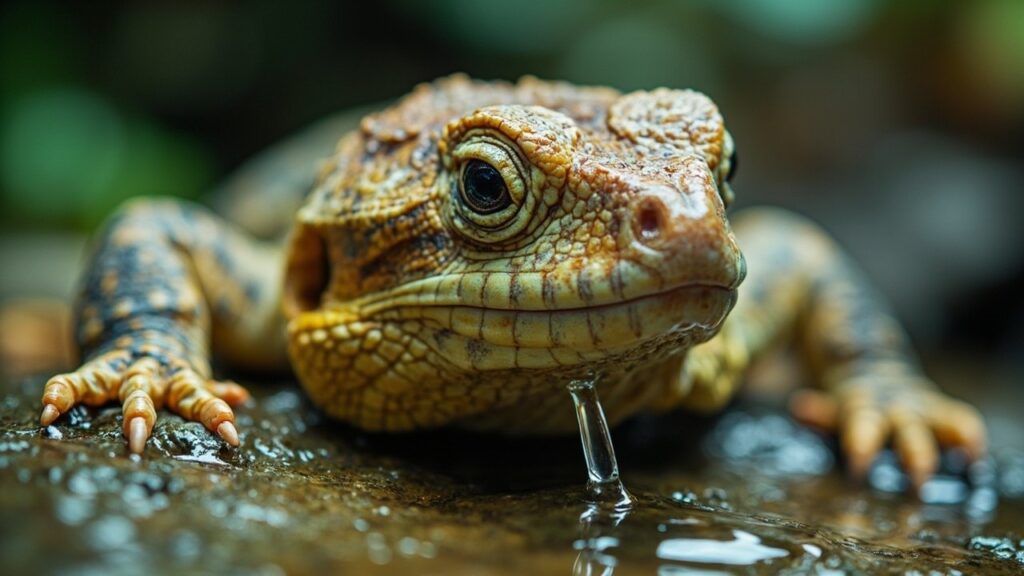
Reptile hydration needs vary by species. Water dishes, misting, humidity, diet and routine observation must be matched to the animal and enclosure.
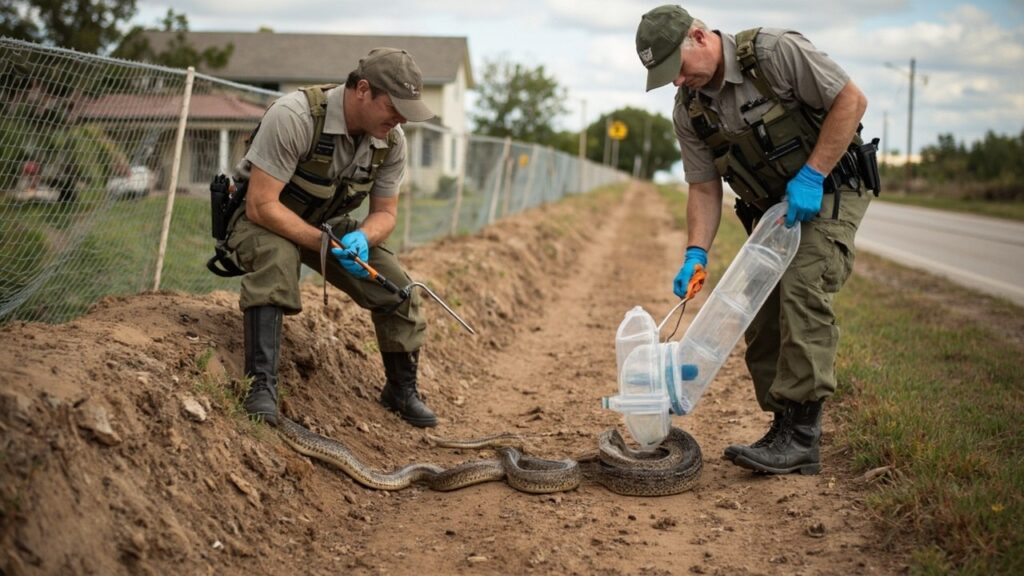
Reducing conflict between people and reptiles depends on habitat planning, public safety guidance, waste control and locally appropriate response.
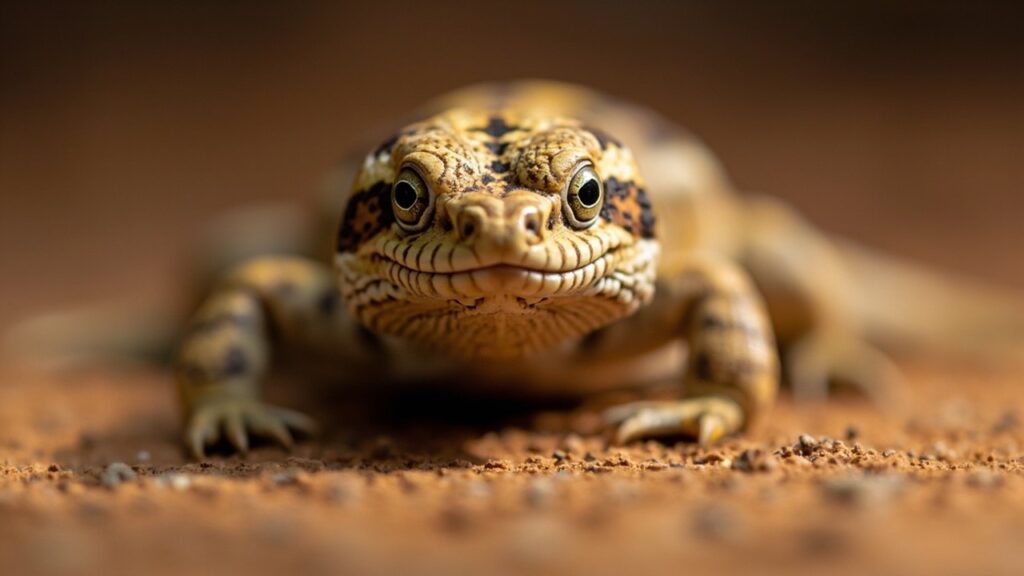
Arabian deserts support reptiles adapted to dunes, gravel plains, mountains and wadis. Species accounts must match each animal’s known range.
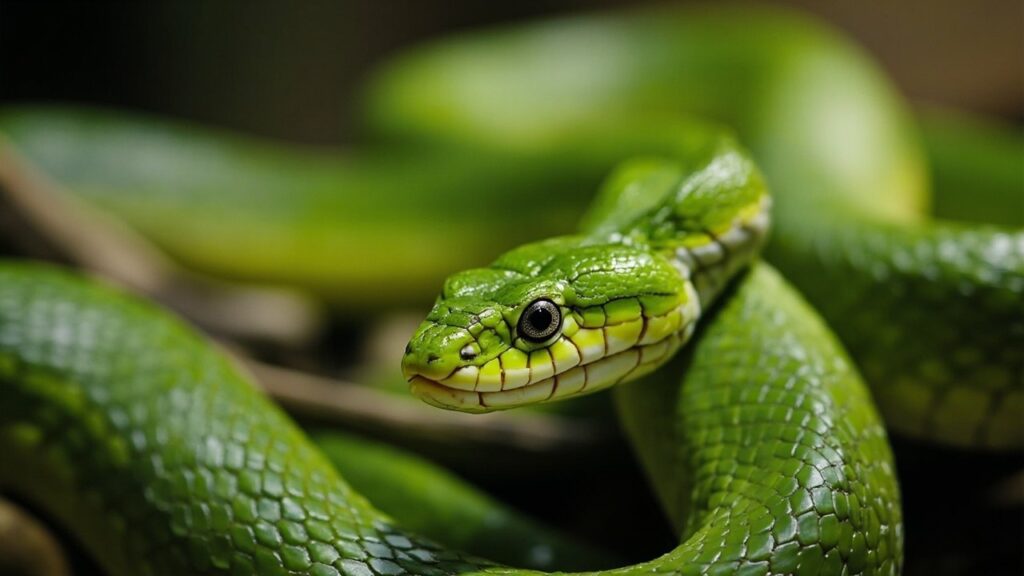
Rough green snakes are slender, nonvenomous insectivores that live among shrubs and trees, often near water. Habitat loss, pesticides and wild collection can affect local populations.
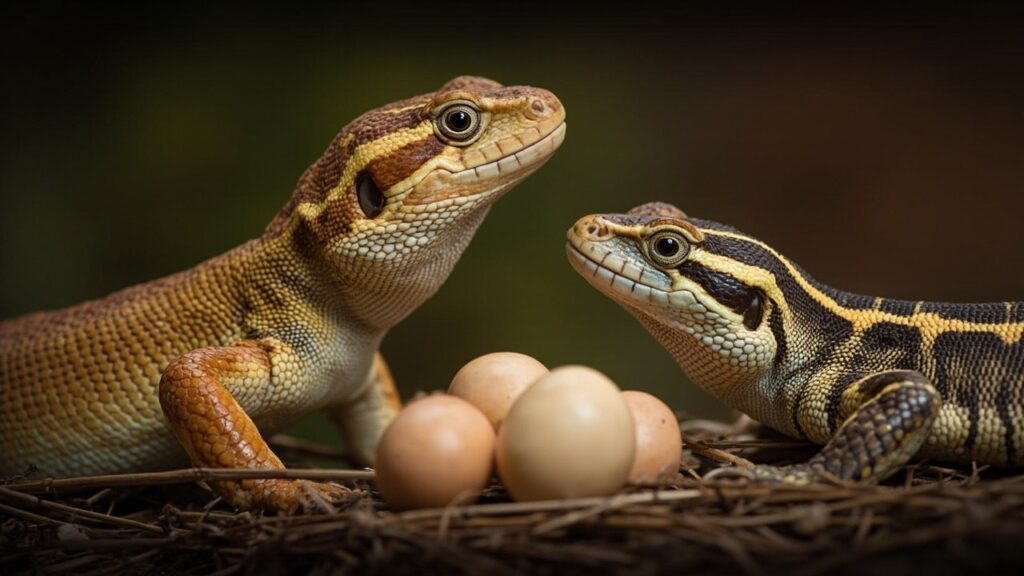
Breeding decisions should account for species, adult health, body condition, enclosure conditions, genetics, legal requirements and a responsible plan for every offspring.
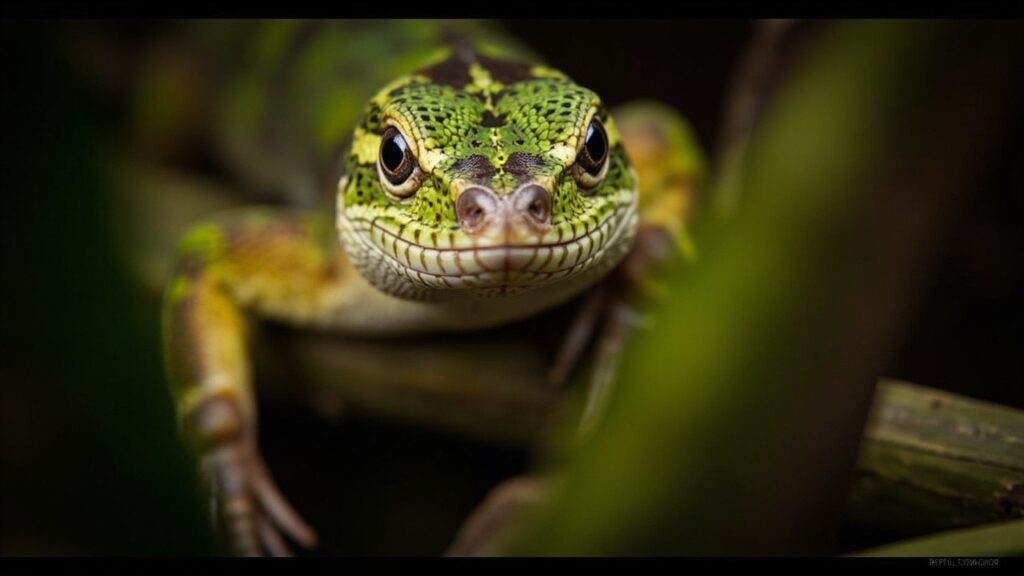
Peru’s rainforests include lowland, river-edge and foothill habitats that support varied reptile communities. Species claims need local range evidence.
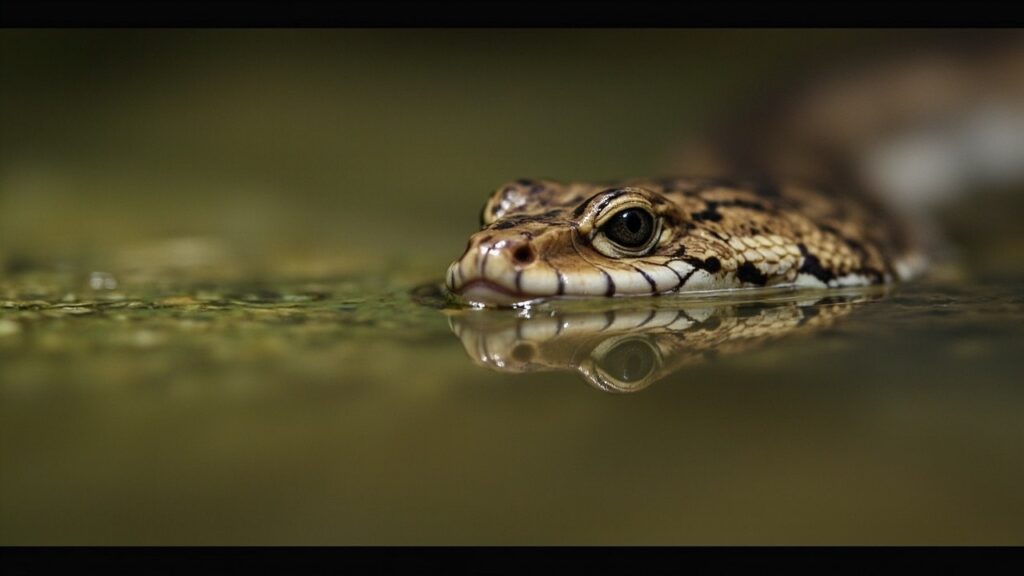
The Mekong Delta supports aquatic turtles, snakes, frogs and other herpetofauna. Seasonal floods change available habitat, food and breeding conditions.
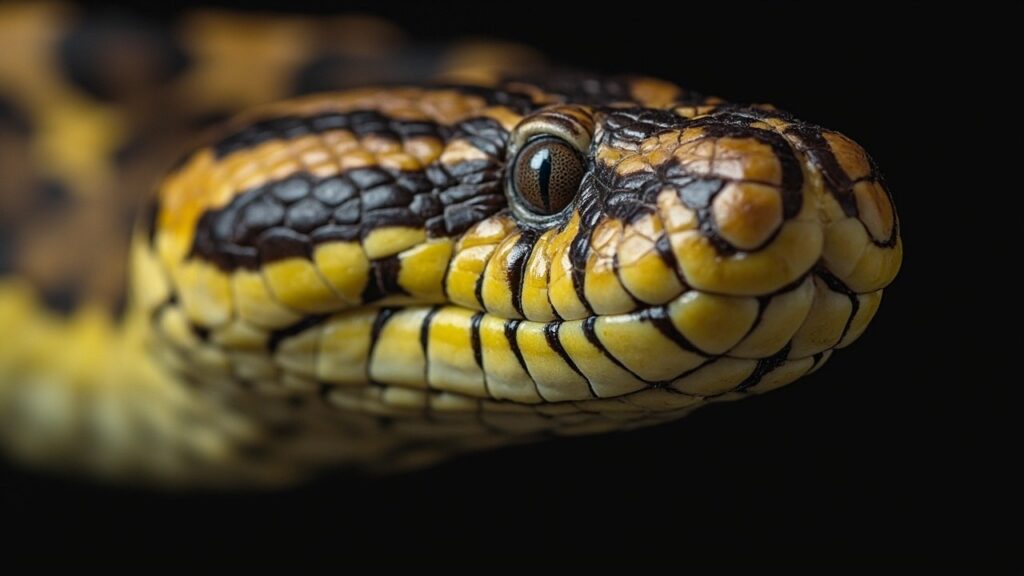
Boa constrictors detect thermal contrast with heat-sensitive receptors in their labial scales. Unlike pit vipers, they do not have external labial or loreal pit organs.