
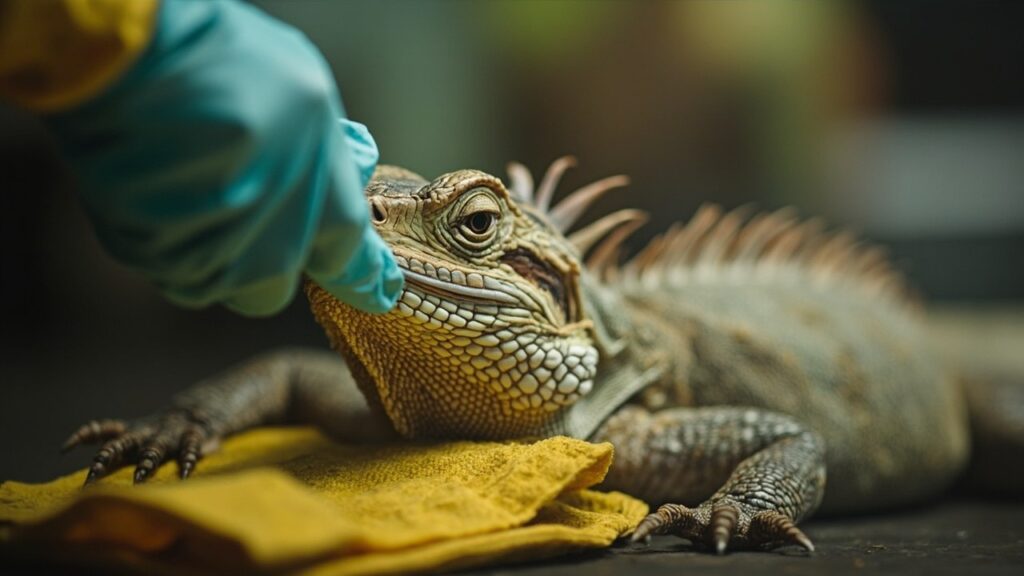
Cleaning and Disinfection for Reptile Enclosures
Clean reptile enclosures by removing waste first, then using suitable products exactly as directed. Rinsing, drying and separate tools help prevent chemical exposure and cross-contamination.

Clean reptile enclosures by removing waste first, then using suitable products exactly as directed. Rinsing, drying and separate tools help prevent chemical exposure and cross-contamination.
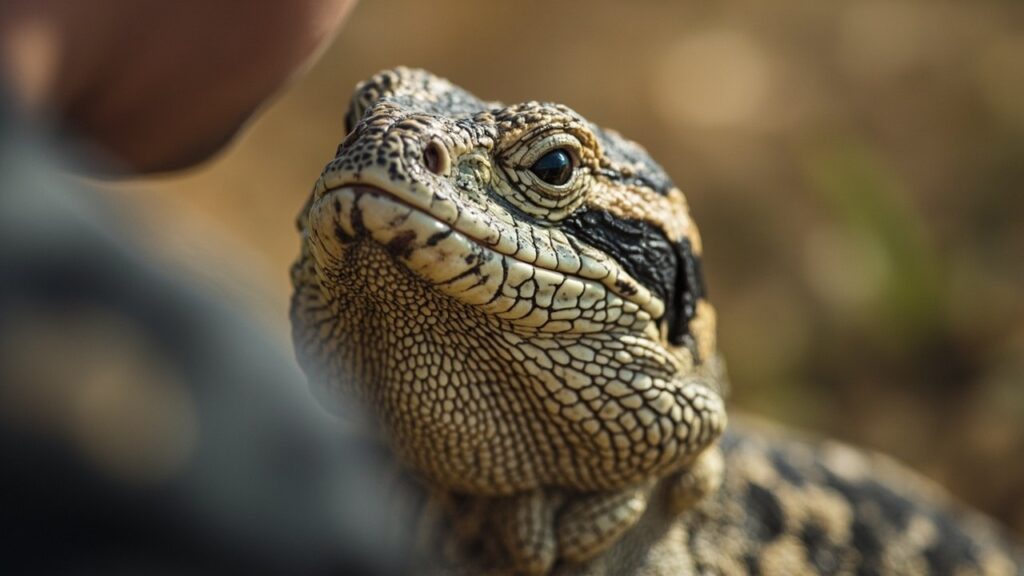
Drones, tracking devices, cameras and environmental DNA can support reptile conservation when they answer a clear question. Animal welfare, permissions, local knowledge and ground checks remain necessary.
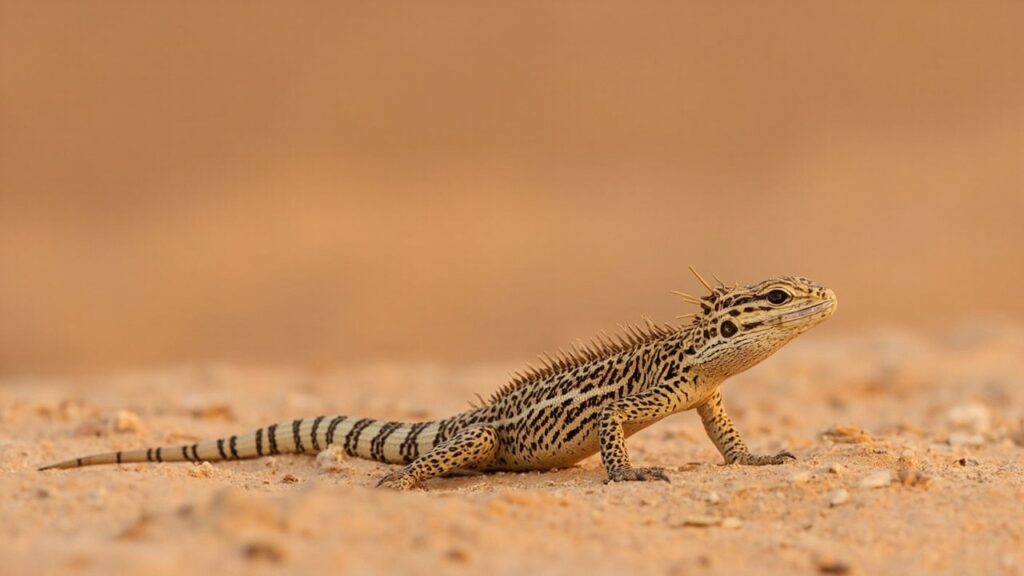
The Thar Desert supports lizards, snakes and other reptiles across dunes, scrub and rocky ground. Activity and shelter use differ by species.
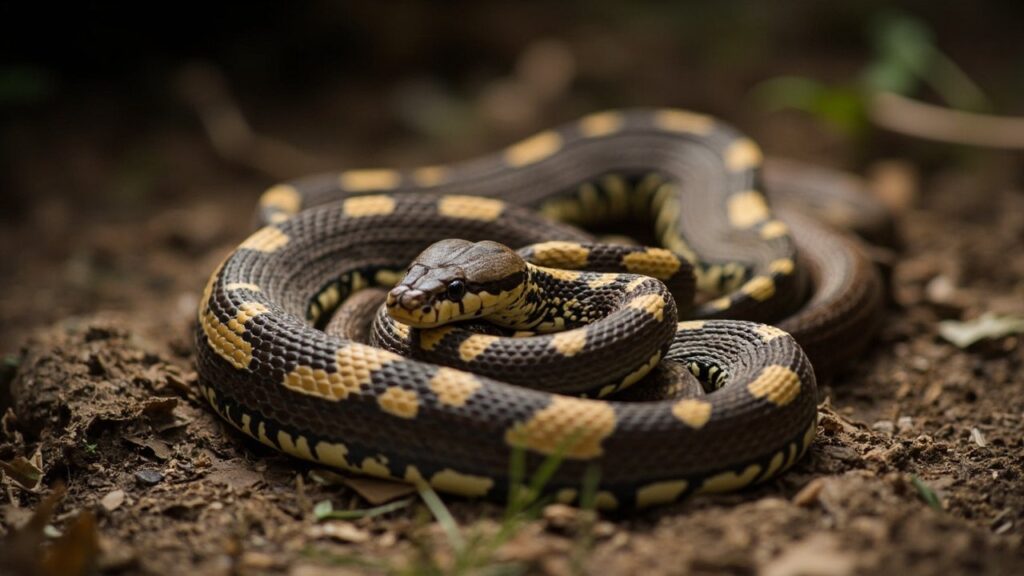
North American rat snakes are nonvenomous constrictors that hunt rodents and other prey. Several species share the common name, so identification should consider location, appearance and current regional guidance.
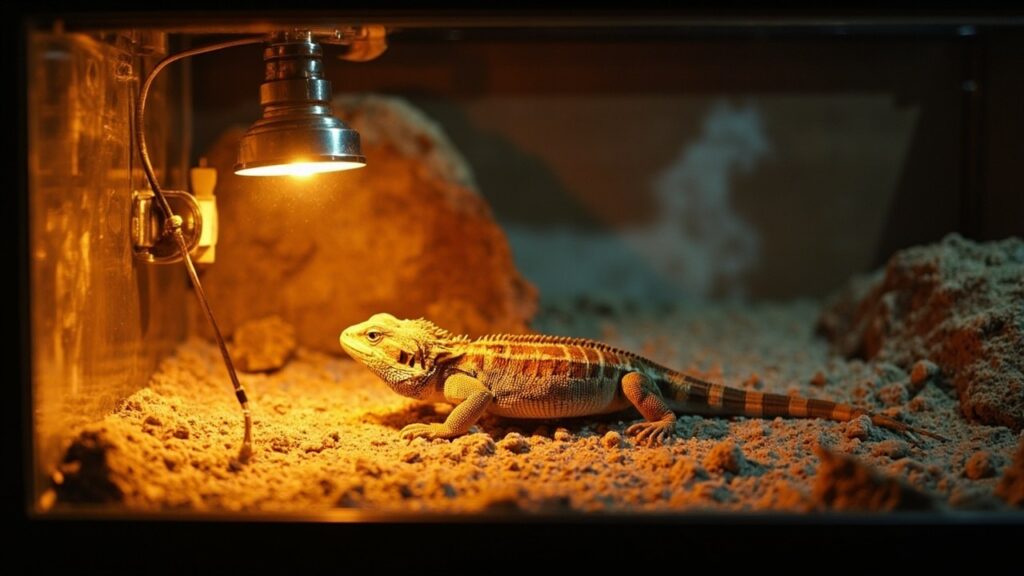
Temperature changes influence reptile activity, feeding and shelter use. Species-specific thermal gradients and reliable measurements are needed in captive care.
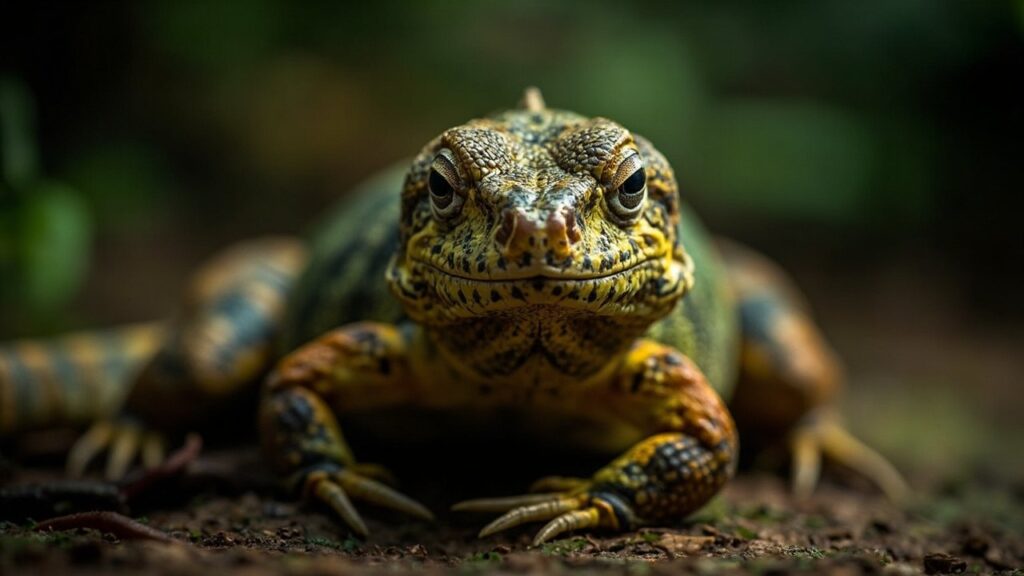
Madagascar’s rainforests support many endemic chameleons, geckos, snakes and other reptiles. Habitat needs vary by forest type and elevation.
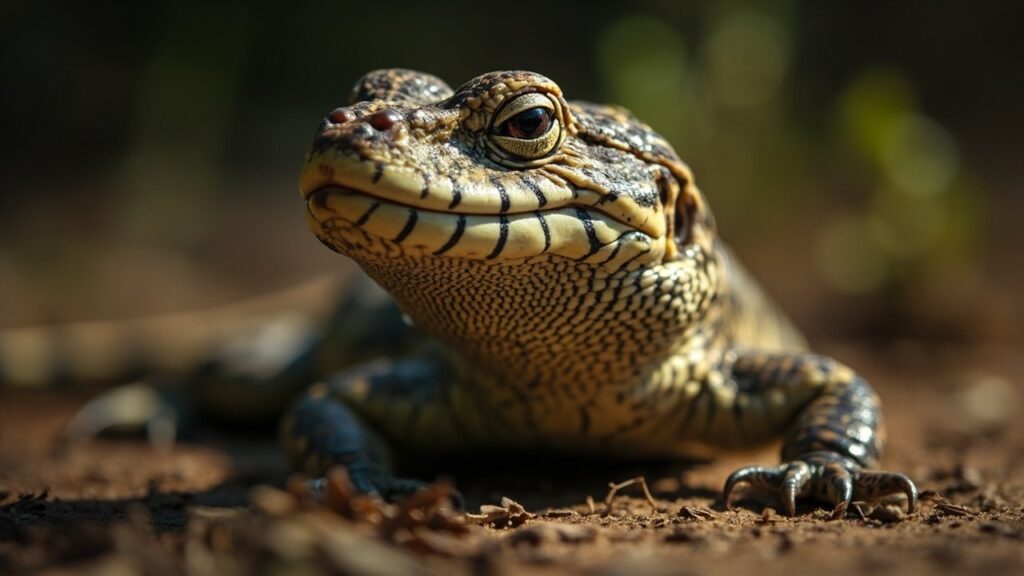
Louisiana’s bayous support alligators, turtles, snakes and lizards. Flooding, wetland loss, pollution and introduced species can change these communities.
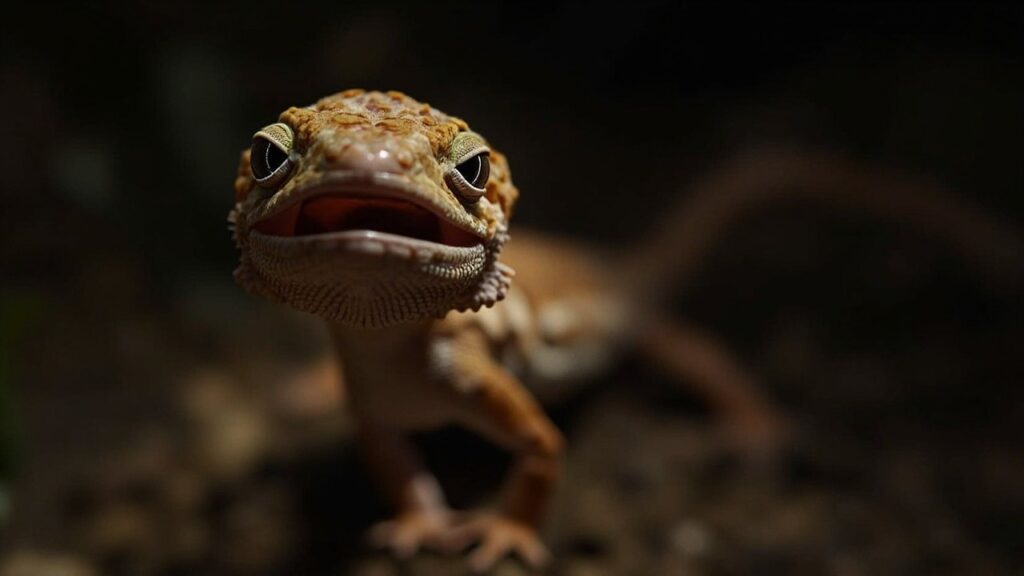
Tokay geckos are large nocturnal climbers from South and Southeast Asia. Their calls support social communication, and legal sourcing matters.
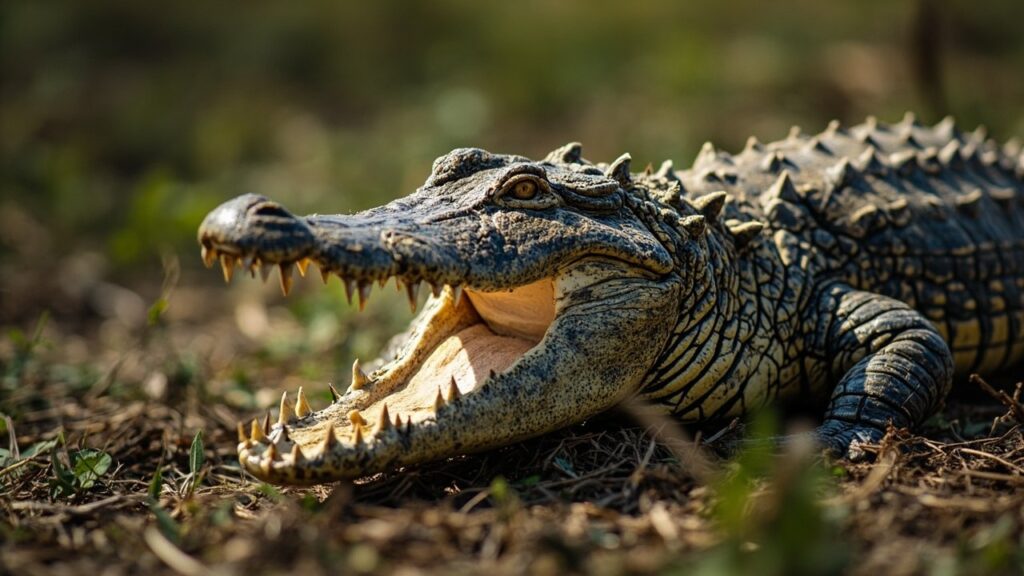
Mugger crocodiles inhabit lakes, ponds, marshes and reservoirs across parts of South Asia. Conservation depends on suitable freshwater habitat, safer fishing practices and locally appropriate conflict reduction.
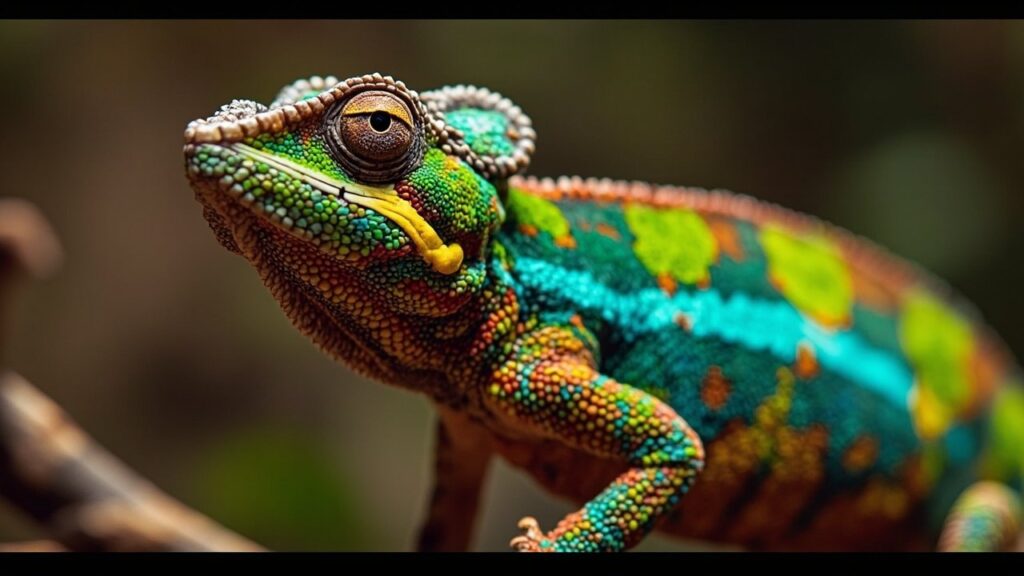
Panther chameleons change colour through skin structures that alter reflected light. Social state, temperature and lighting can affect appearance.