
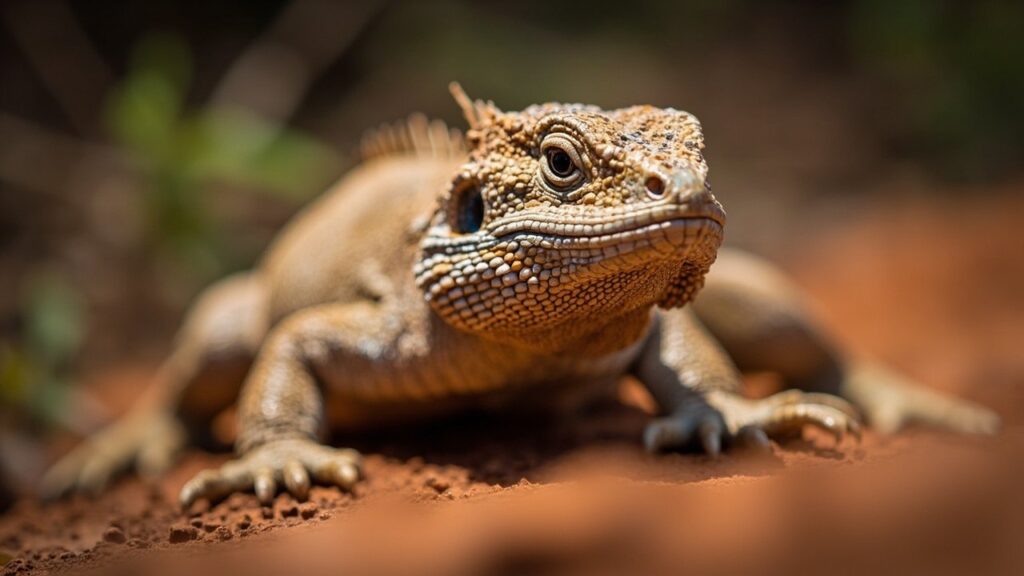
Central Bearded Dragons of Australia
Central bearded dragons use posture, beard displays and colour changes in communication. Habitat and conservation pressures vary by region.

Central bearded dragons use posture, beard displays and colour changes in communication. Habitat and conservation pressures vary by region.
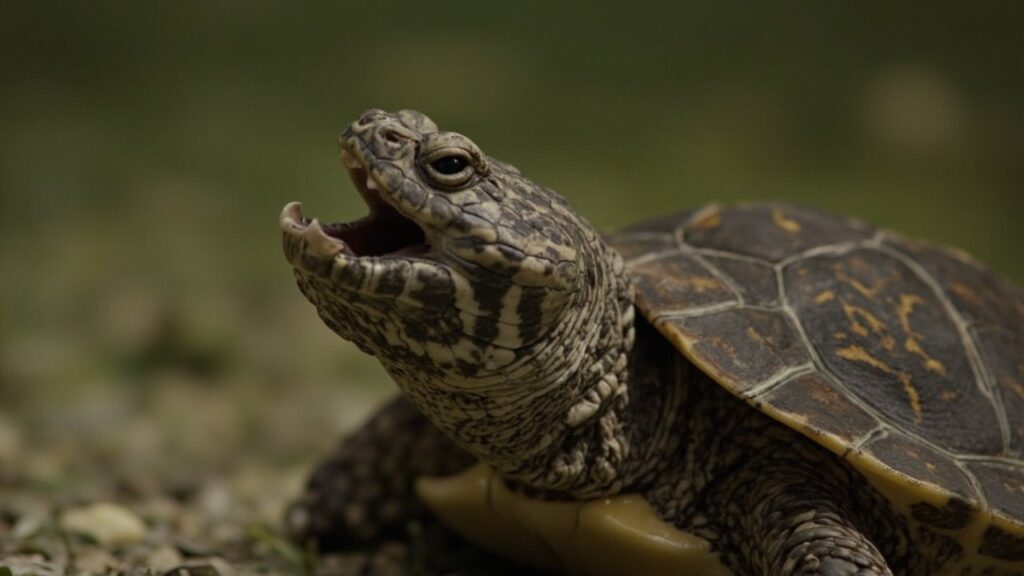
The Amazon basin supports several freshwater turtle species with different ranges, diets and conservation needs. Many depend on seasonal floodplains and exposed nesting beaches.
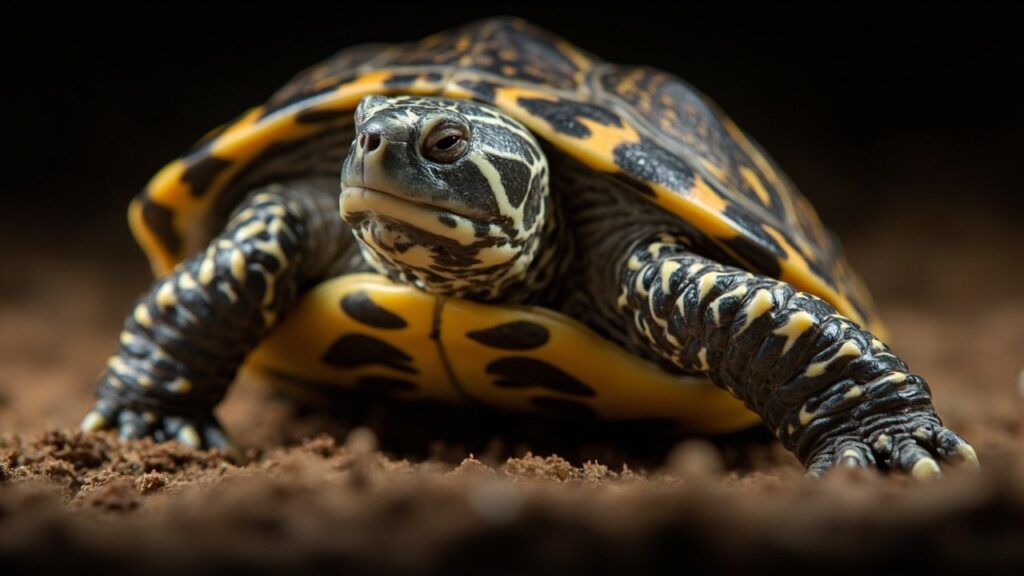
Common musk turtles are small freshwater turtles that spend much of their time in water. They may release a musky odour when threatened.
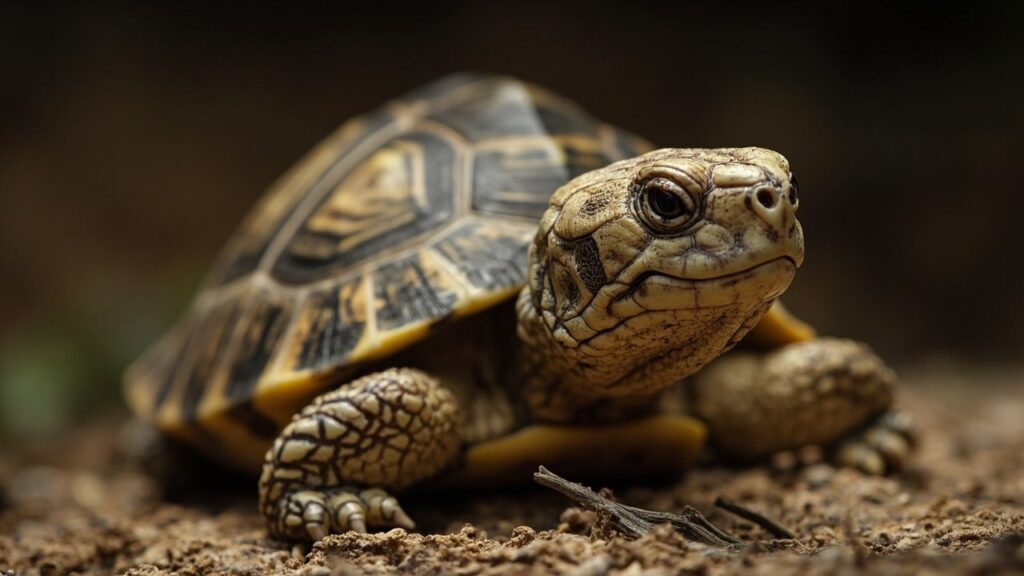
Turtle shells are integrated with the ribs and vertebrae rather than worn as external armour. Fossils and embryology show that this body plan developed through a complex evolutionary sequence.
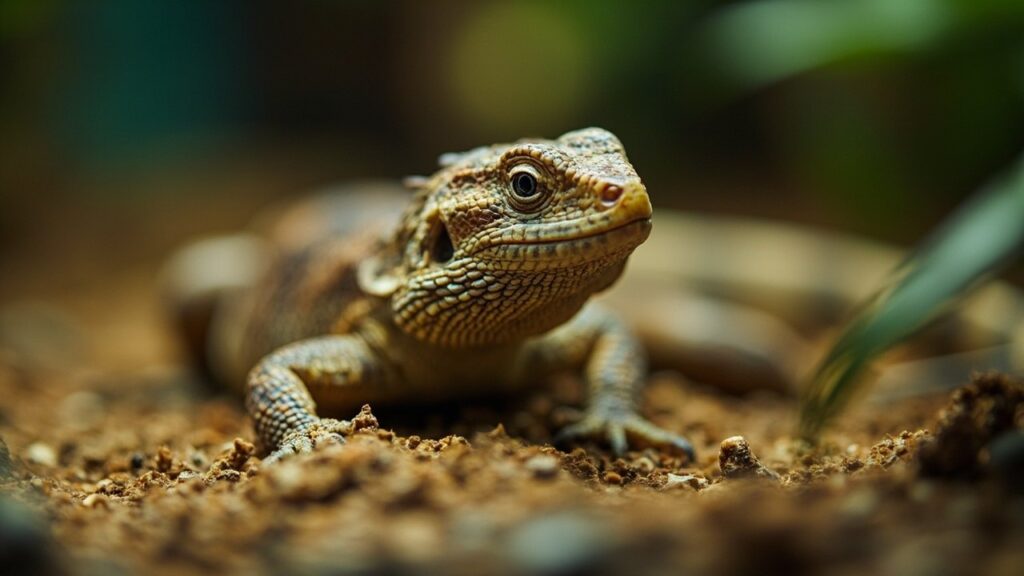
Choose reptile substrate by species suitability, moisture, cleanliness, natural behaviour and ingestion risk. Some materials, including cedar and pine shavings, should be excluded.
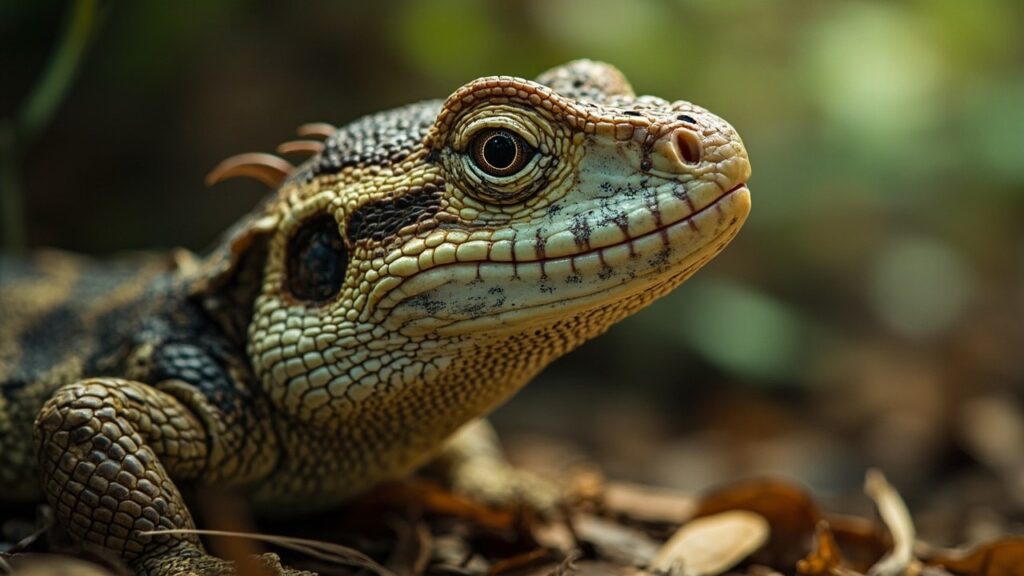
Reptile biodiversity hotspots contain many range-restricted species. Habitat protection, responsible land use and local research can reduce pressures.
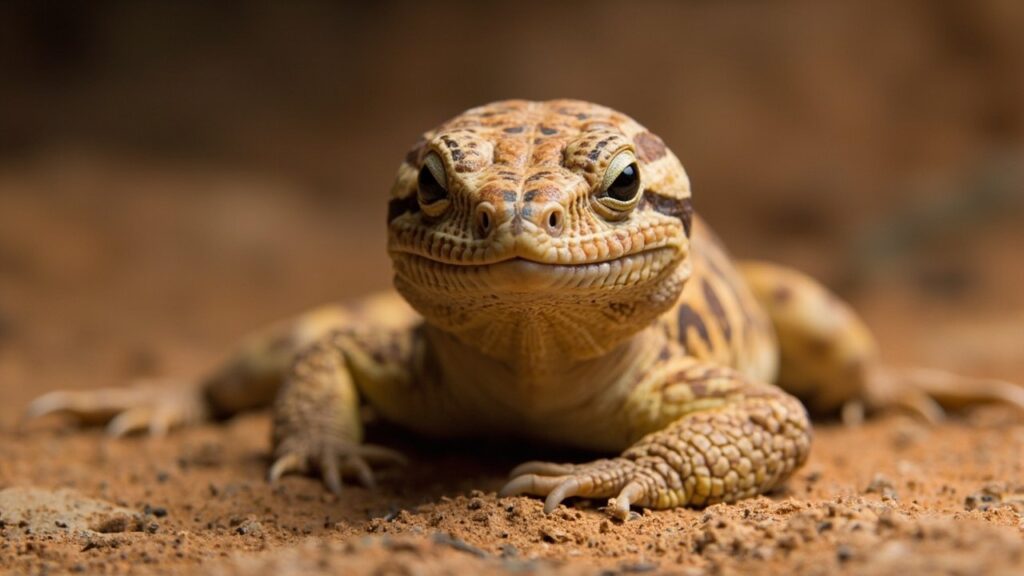
Reptiles of the Namib use shelter and carefully timed activity to manage heat. Some species also exploit moisture from coastal fog.
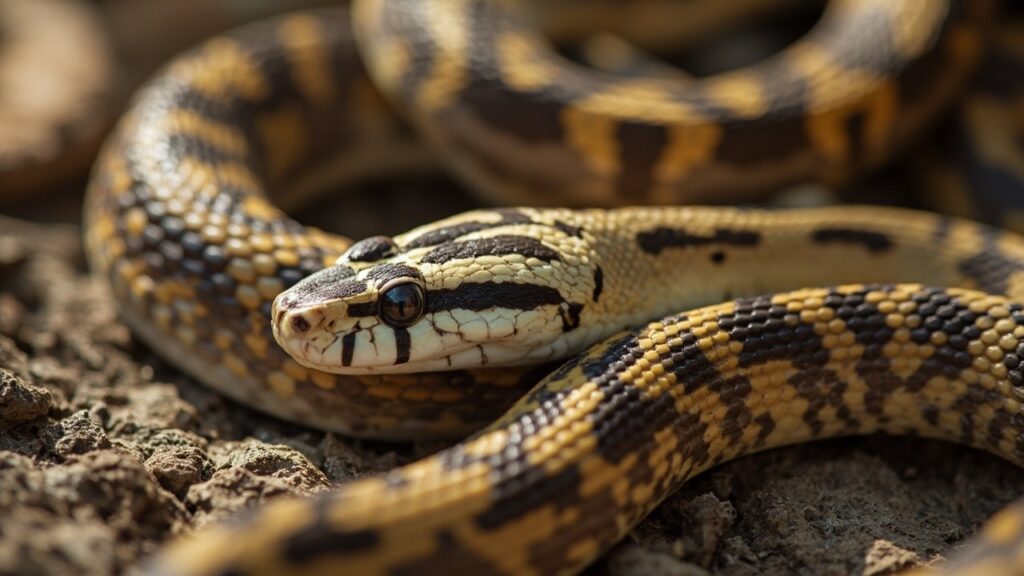
Eastern hognose snakes may hiss, flatten the neck, make bluff strikes and feign death when threatened. Their upturned snout also helps them dig through soil and leaf litter.
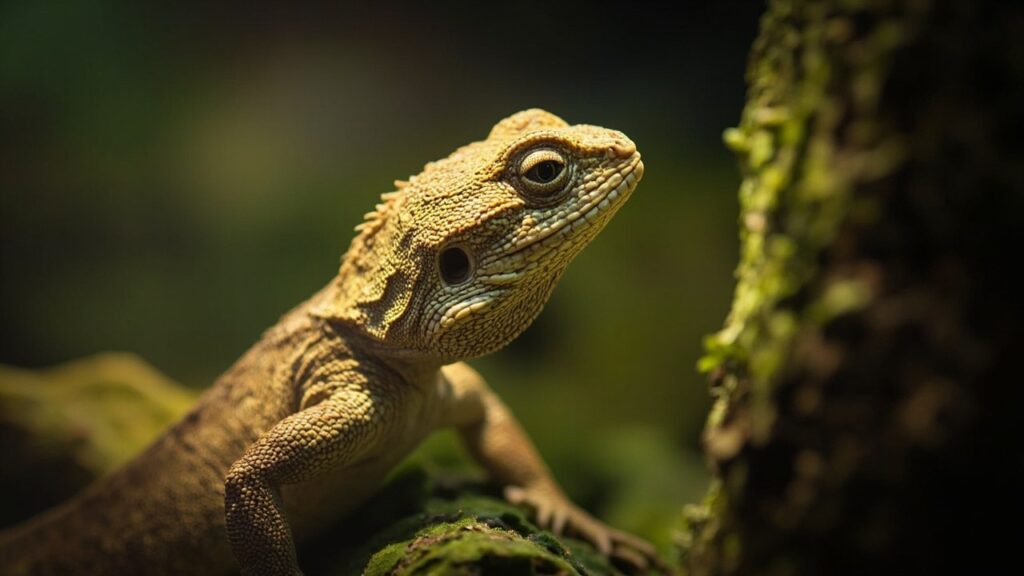
Species-appropriate light and dark cycles support reptile activity and rest. Seasonal changes should be gradual, documented and based on reliable natural-history and husbandry guidance.
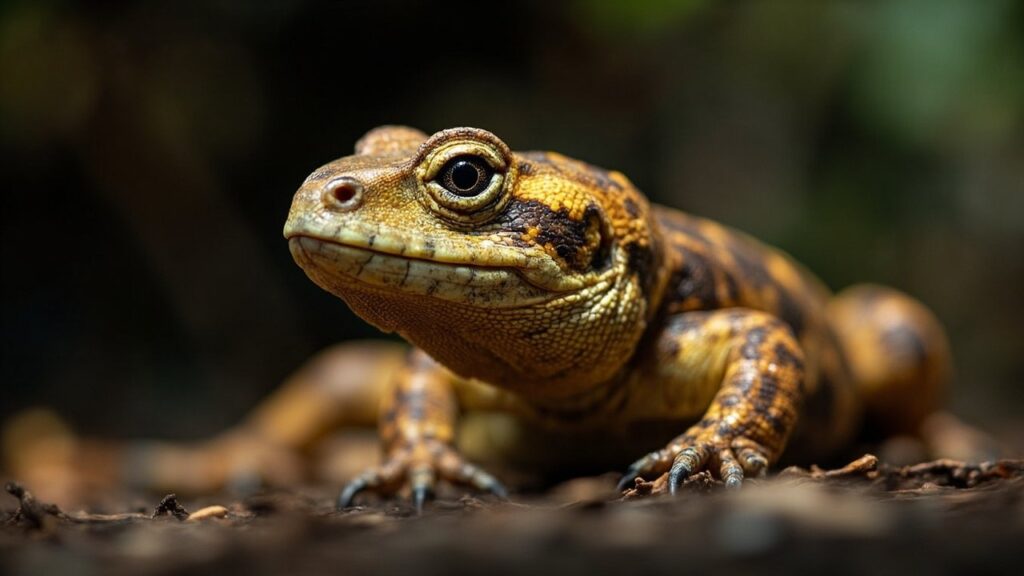
Papua New Guinea contains rainforest, mountains, rivers, swamps and coasts. Reptile ranges and conservation needs differ across these habitats.