
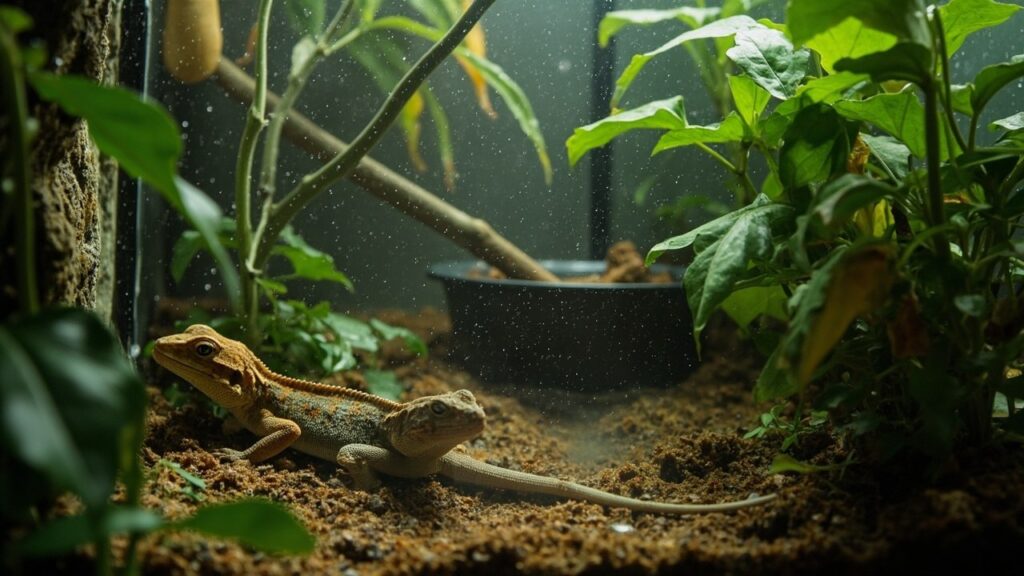
Seasonal Humidity Adjustments for Reptile Enclosures
Seasonal room conditions can alter enclosure humidity. Measure conditions inside the enclosure, adjust ventilation and moisture deliberately, and maintain the range required by the species.

Seasonal room conditions can alter enclosure humidity. Measure conditions inside the enclosure, adjust ventilation and moisture deliberately, and maintain the range required by the species.
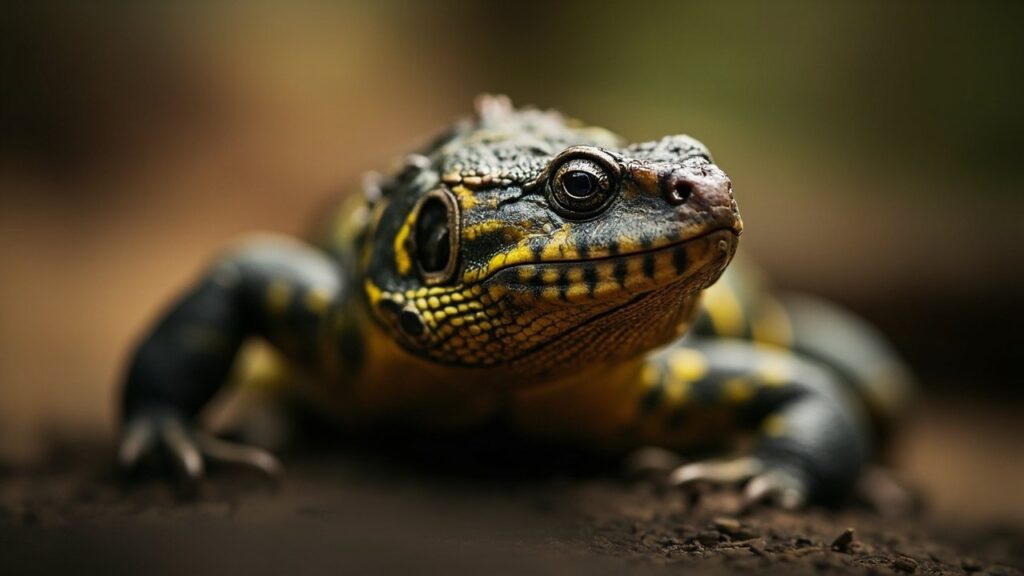
Sumatra’s forests and wetlands support cobras, lizards and other reptiles. Habitat loss, collection and road development can affect local populations.
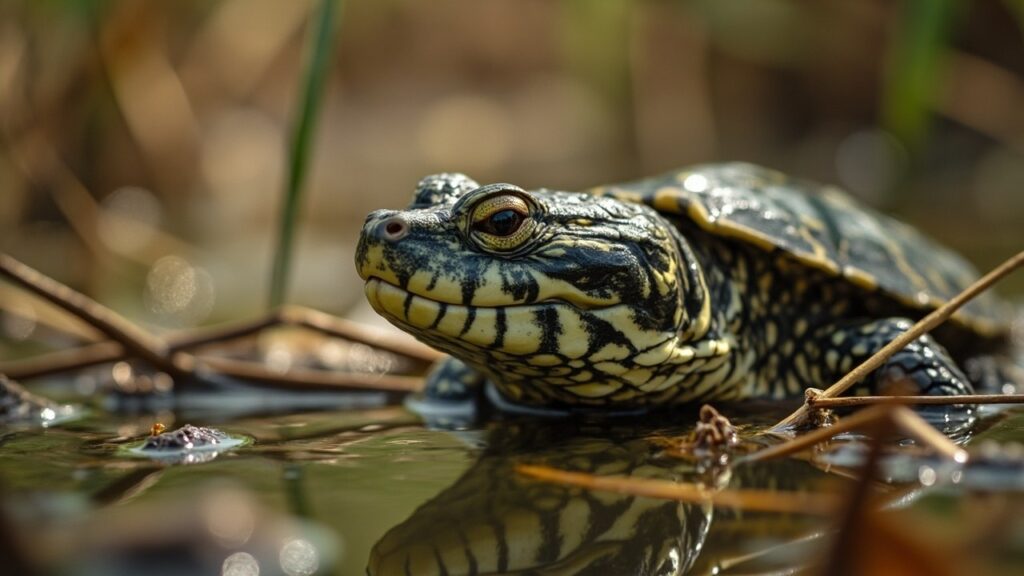
The Danube Delta’s channels, lakes, reedbeds and floodplain forests support wetland reptiles. Water quality, natural water exchange and seasonal flooding shape the available habitat.
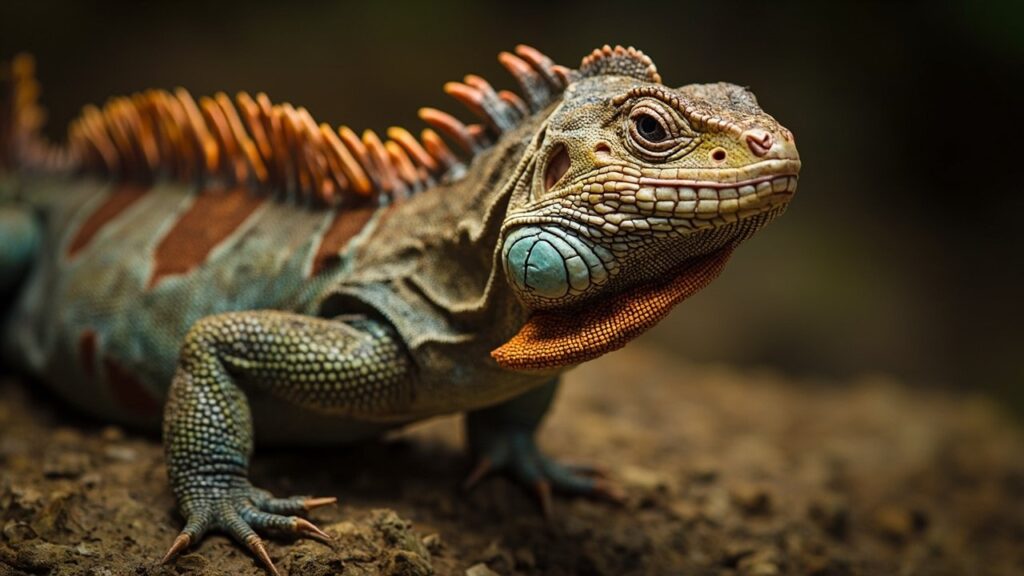
Frilled lizards use their neck frill in defensive and social displays. They live in northern woodlands and feed mainly on insects.
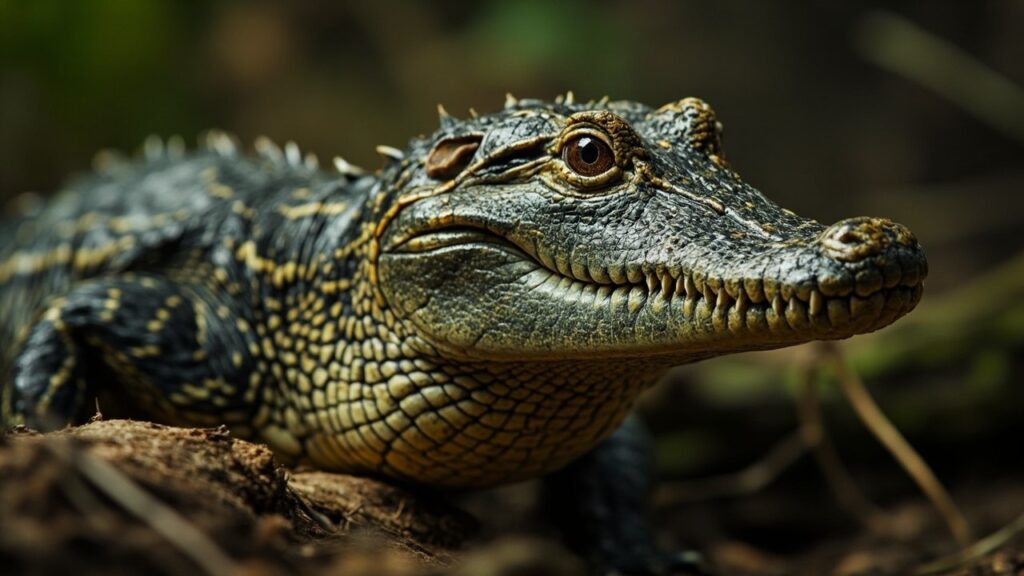
Chinese alligators survive in a small part of their former lower-Yangtze range. Captive breeding supports recovery, but secure habitat, post-release monitoring and local participation remain necessary.
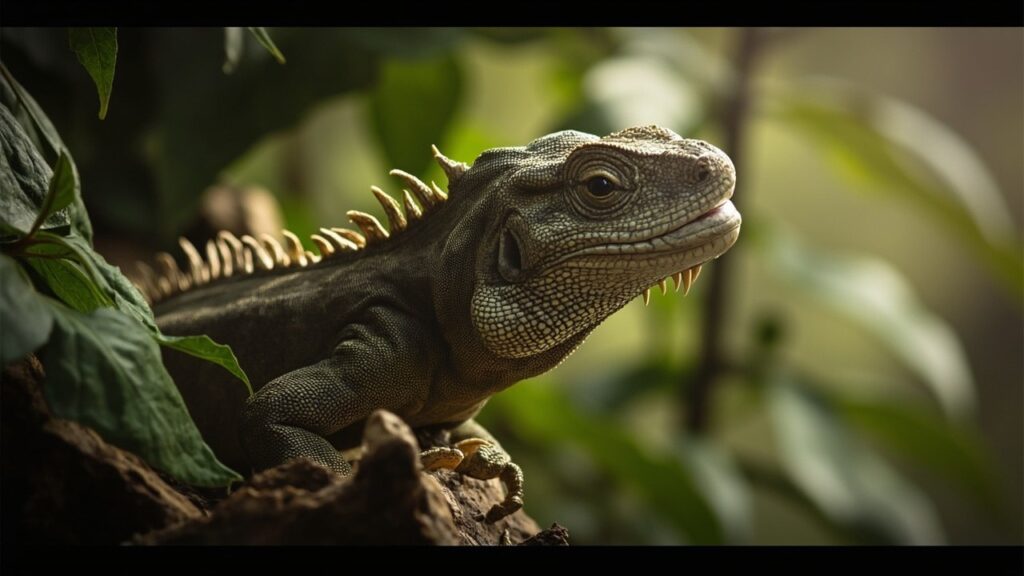
Rhinoceros iguanas have enlarged scales on the snout. Their development and function are not fully resolved and may vary among individuals.
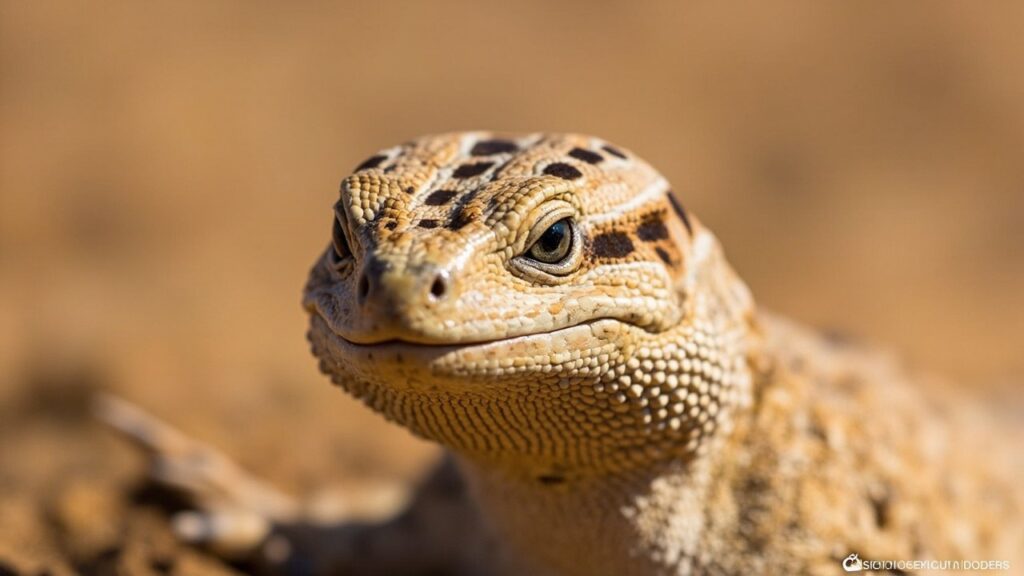
Namib web-footed geckos live on coastal dunes and dry riverbeds. Webbed feet aid movement and digging, while nocturnal activity and burrows limit exposure to daytime heat.
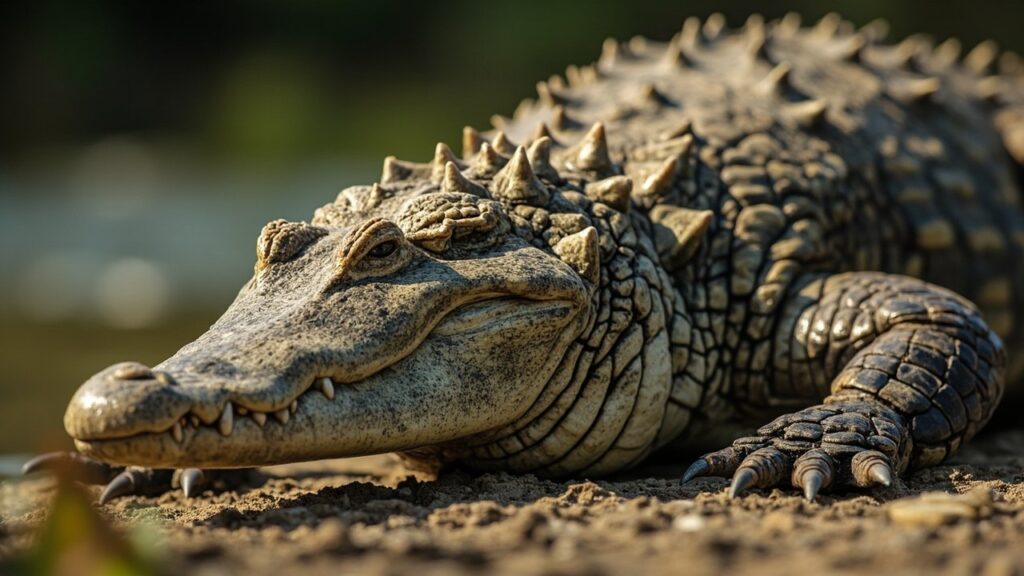
Estuarine crocodiles use rivers, deltas, mangroves and coastal waters. Habitat use, movement and diet vary with age, season and location.
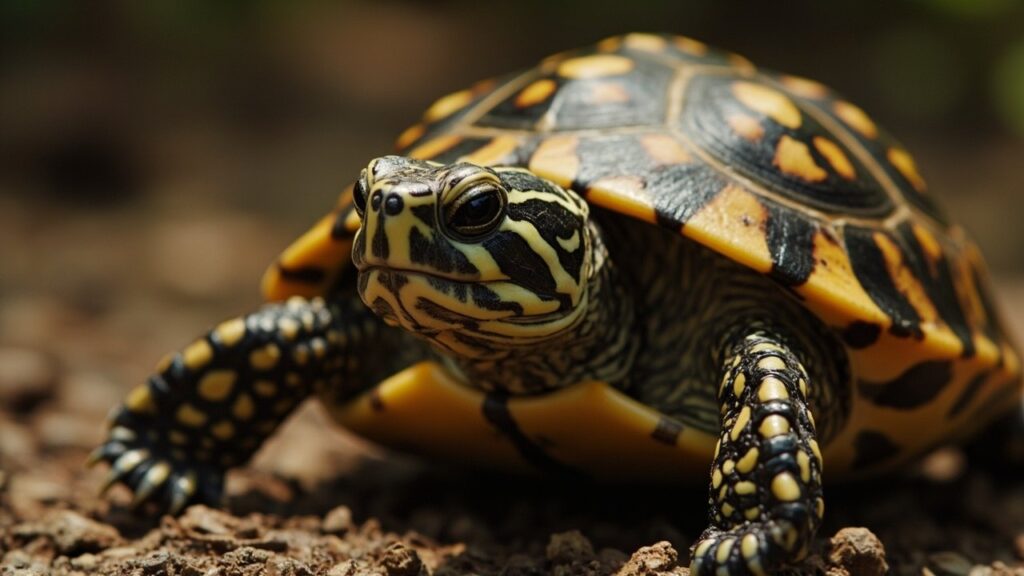
Spotted turtles use shallow wetlands and nearby uplands in eastern North America. Protecting movement routes between habitats is important.
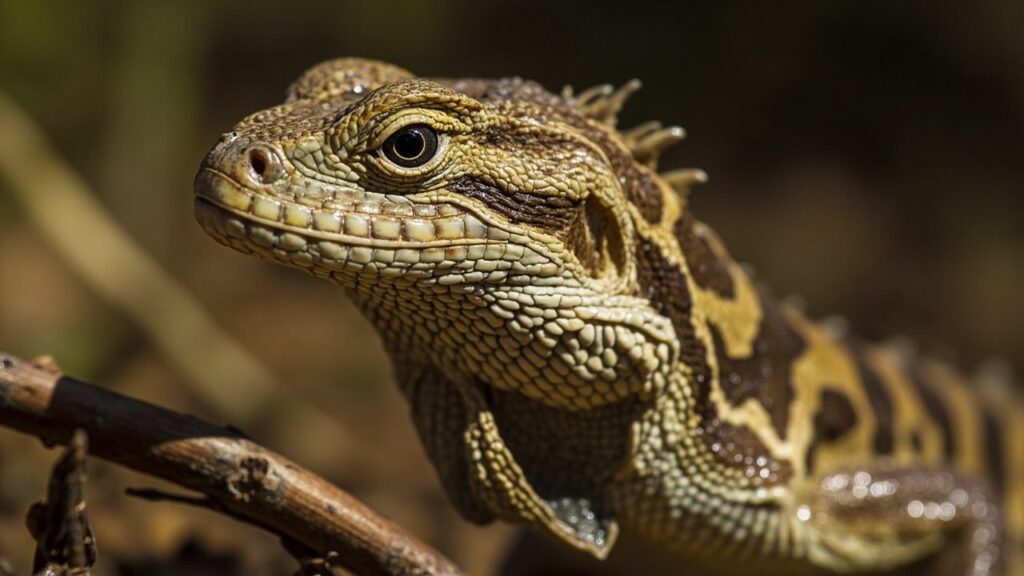
Anolis lizards repeatedly evolved different body forms as populations adapted to varied habitats. These radiations are useful tests of evolutionary theory.