
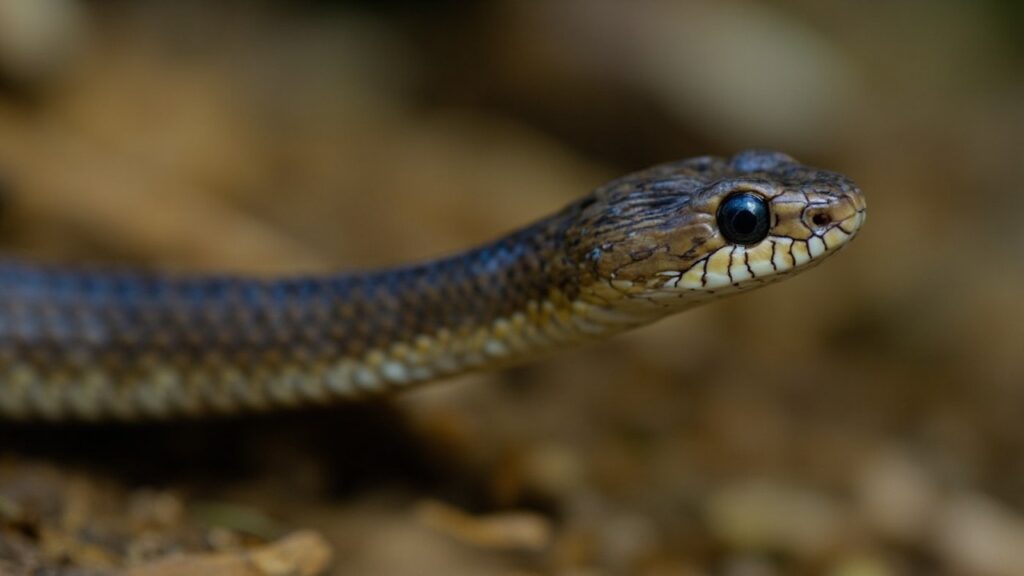
Antiguan Racer Recovery: Restoring Islands for a Rare Snake
Antiguan racer recovery has relied on invasive predator control, habitat protection and reintroduction to islands within its former range.

Antiguan racer recovery has relied on invasive predator control, habitat protection and reintroduction to islands within its former range.
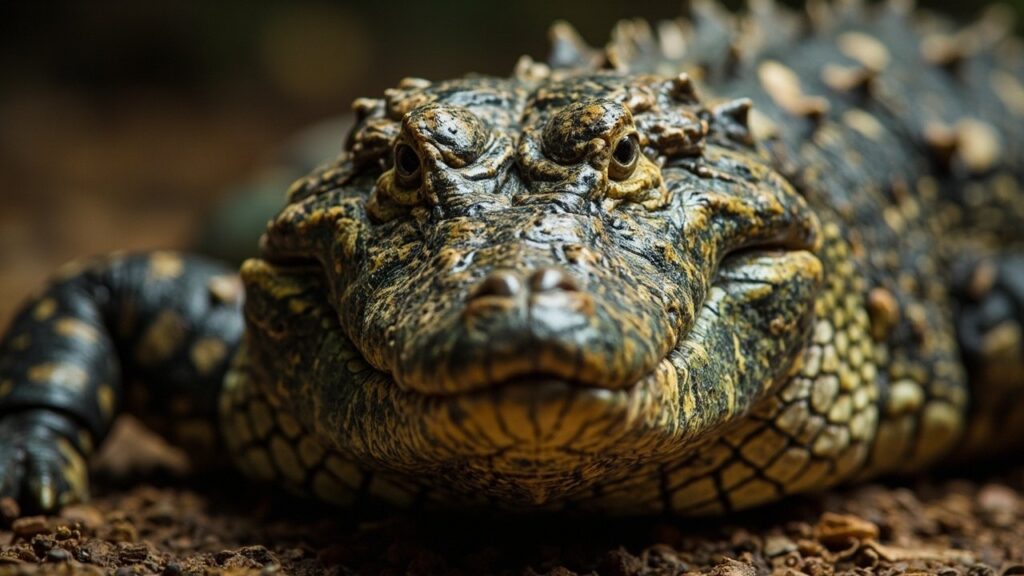
Crocodile behaviour includes hunting, basking, courtship, nesting and parental care. Aggression depends on species, season and context.
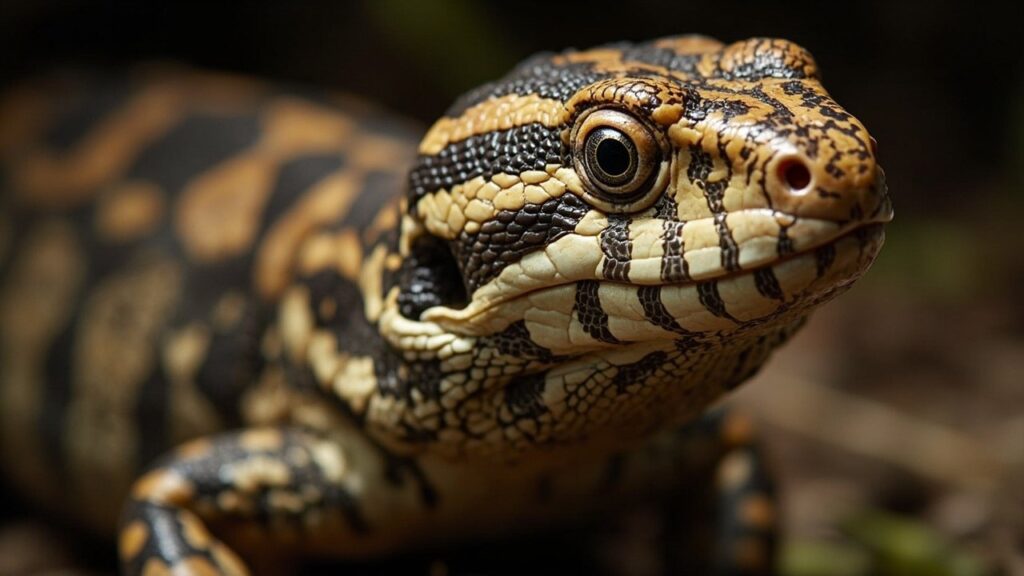
Reptile ventilation varies among lineages. Most use movements of the ribs and body wall, while some turtles and crocodilians use specialized muscles.
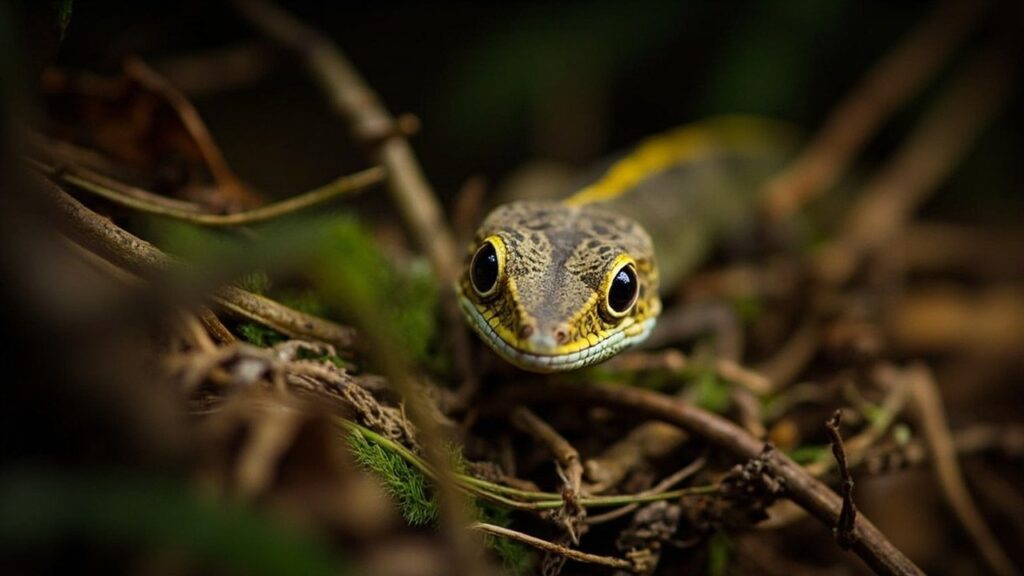
Reptile camouflage can involve colour, pattern, body shape, posture and behaviour. Its effectiveness depends on habitat and viewing conditions.
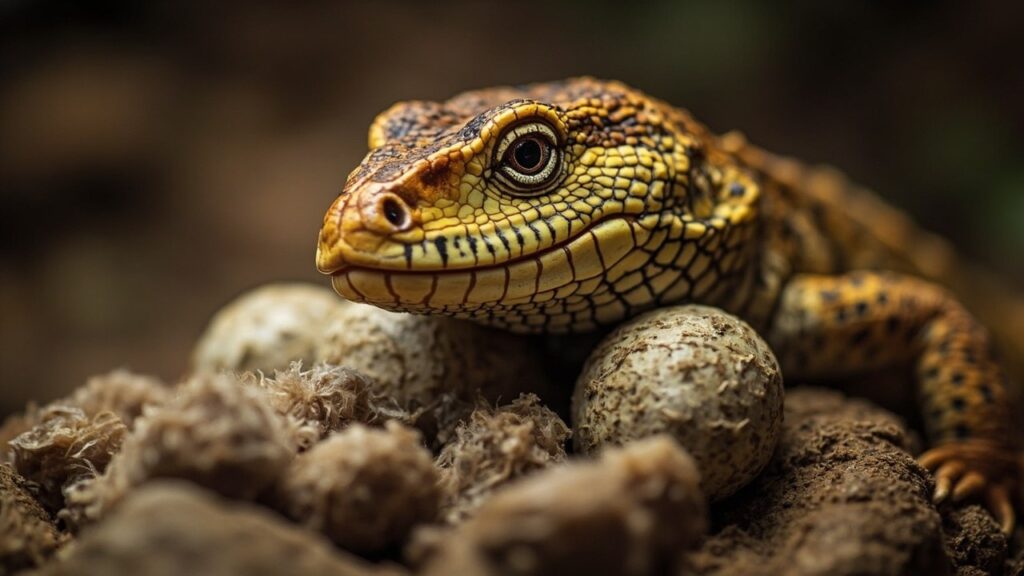
Parental care in reptiles ranges from nest-site selection to egg guarding, brooding and carrying hatchlings. These behaviours vary widely among species and lineages.
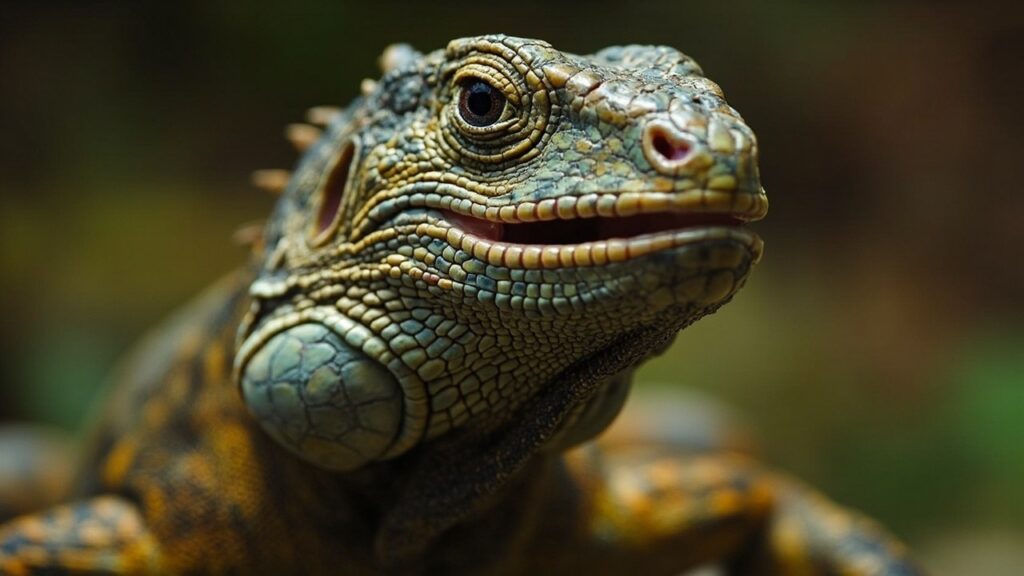
The Jamaican iguana survives in a small area of dry forest in the Hellshire Hills. Recovery work combines headstarting, releases, predator control, monitoring and habitat protection.
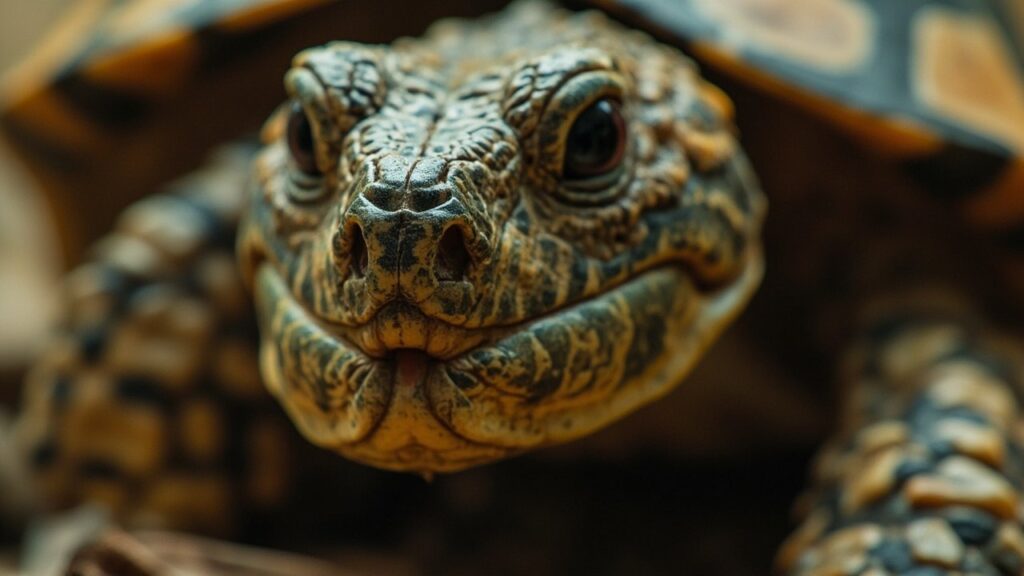
Turtle and tortoise lifespans vary widely by species and living conditions. Reliable ages come from documented records or long-term field studies, not shell rings or unsupported anecdotes.
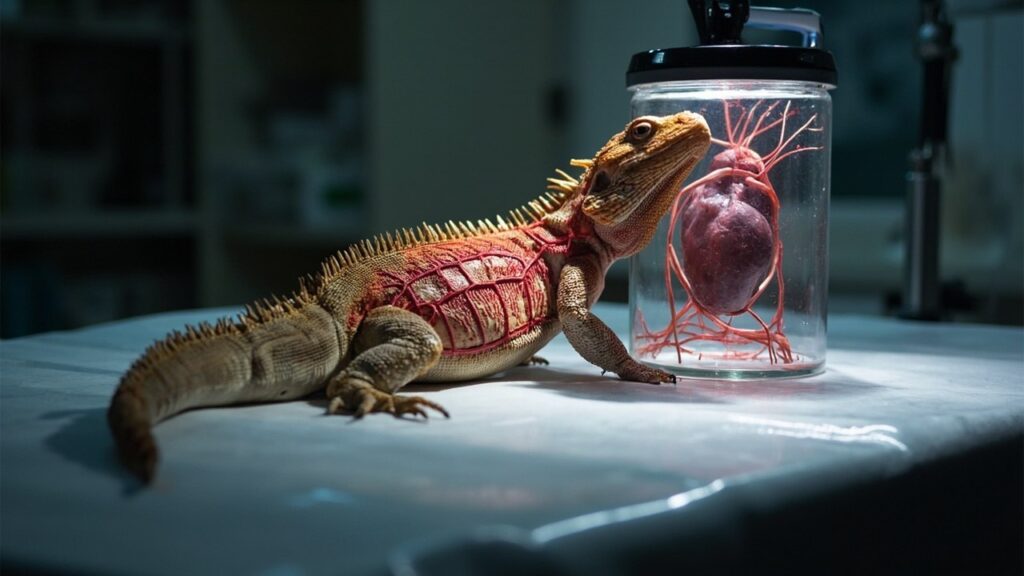
Reptile circulation varies among lineages. Heart structure and blood-flow shunts help meet demands for breathing, digestion and activity.
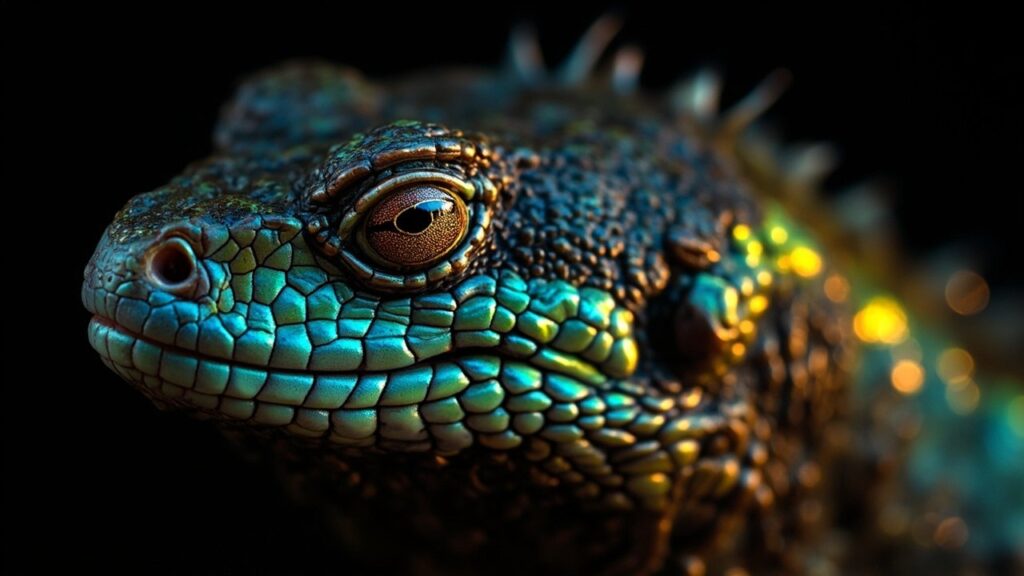
Iridescence in some reptile scales comes from microscopic structures that reflect light at different wavelengths and viewing angles.
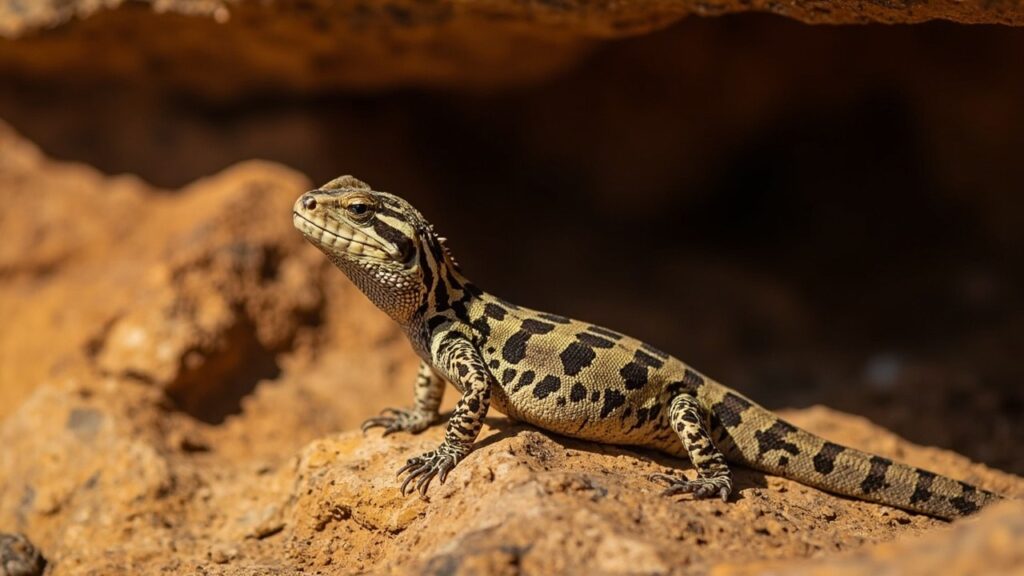
Reptiles regulate body temperature through basking, shade, posture, burrows and activity timing. Available options vary by habitat and species.