
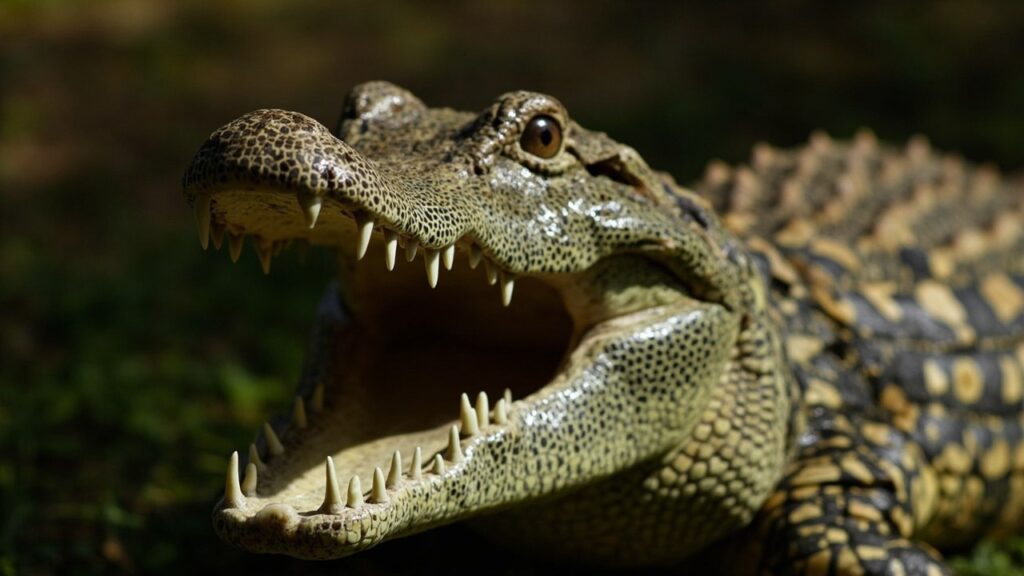
Siamese Crocodile Recovery in Southeast Asia
Siamese crocodile recovery includes habitat protection, enforcement, captive breeding and reintroduction, with results varying by site.

Siamese crocodile recovery includes habitat protection, enforcement, captive breeding and reintroduction, with results varying by site.
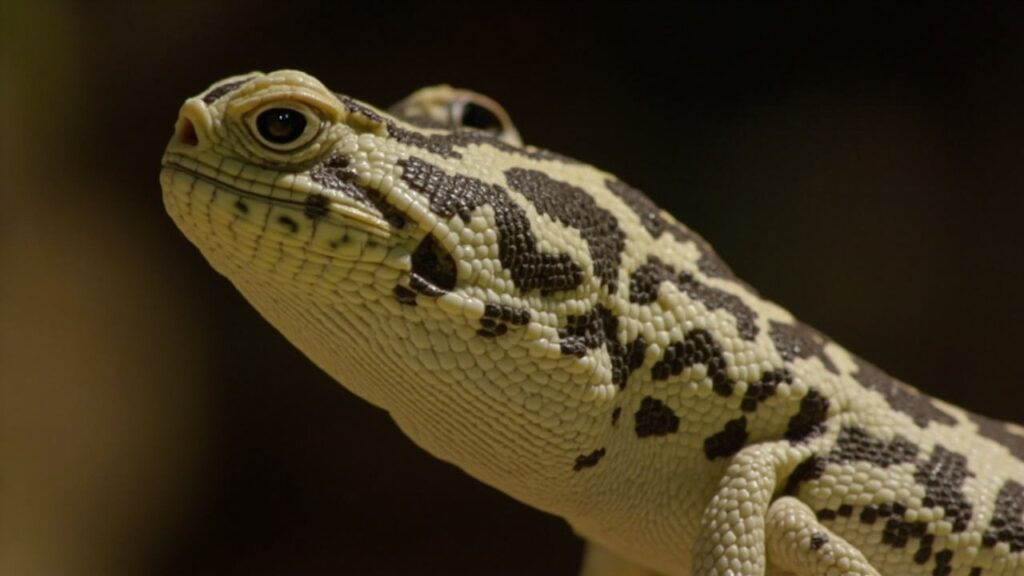
Many lizards can shed and regrow part of a tail, but the replacement is not an exact copy of the original. Regrowth changes the skeleton, muscles, scales and function.
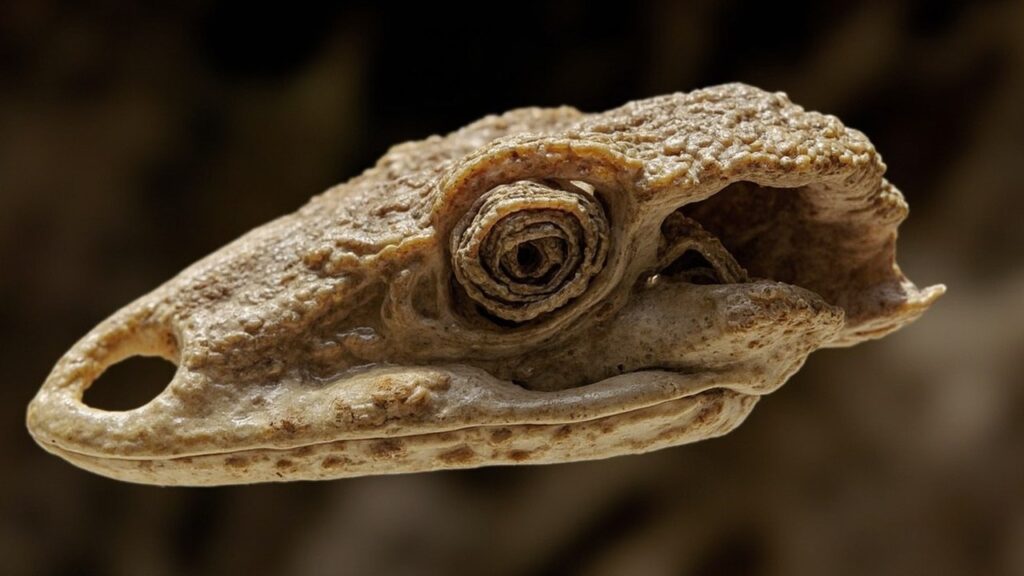
Reptile evolution spans several branches of the amniote family tree. Fossils and genetic evidence help reconstruct the history of living lineages.
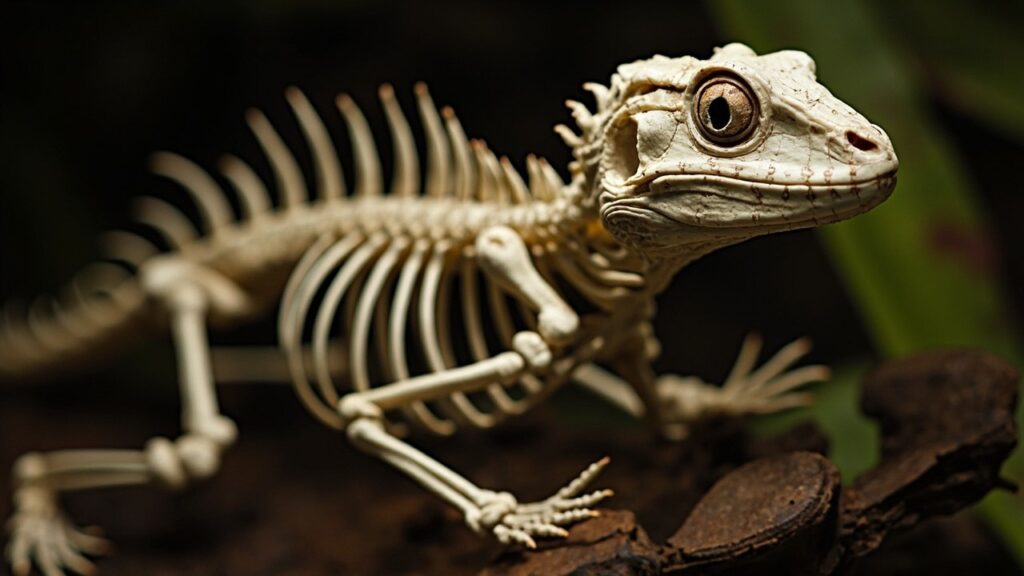
Reptile skeletons support movement, feeding and protection. Limb shape, vertebrae, skulls and shells differ by lineage and function.
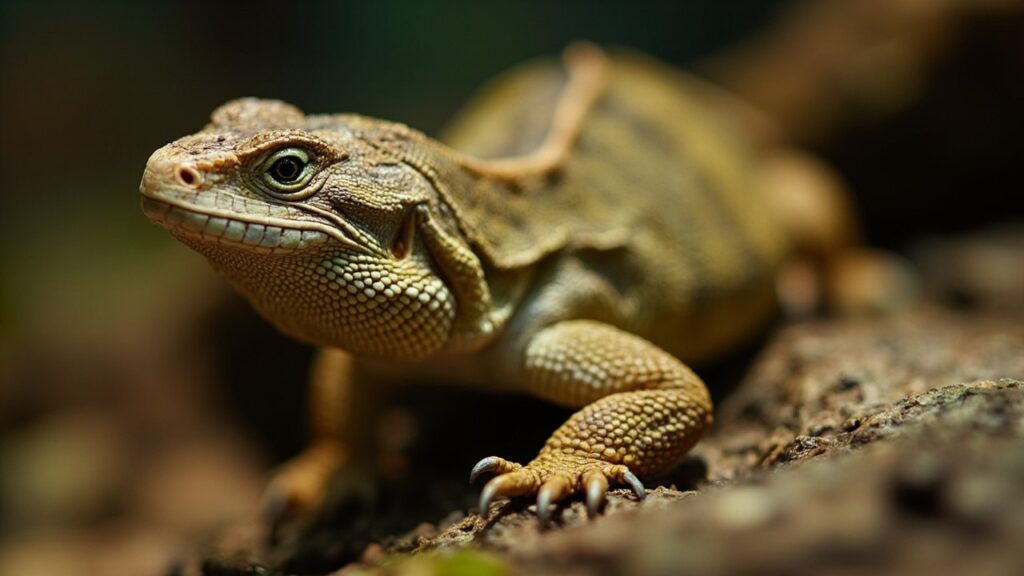
Plan a reptile enclosure around species-specific space, heat, light, humidity, shelter, ventilation, water and safe furnishings before bringing the animal home.
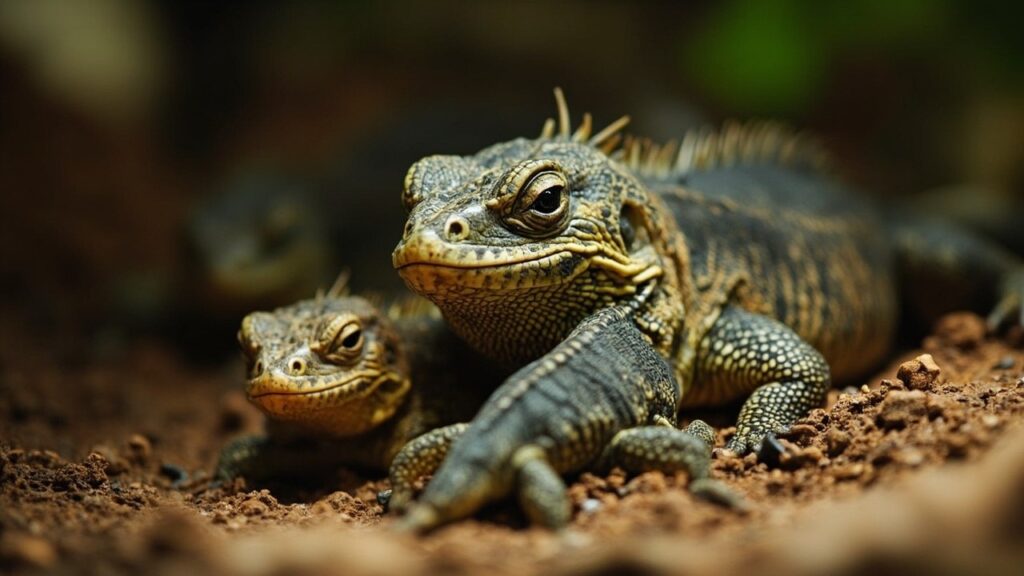
Critically Endangered reptiles need responses matched to the threats affecting each species. Habitat protection, trade enforcement, invasive-species control and carefully planned breeding or translocation can play different roles.
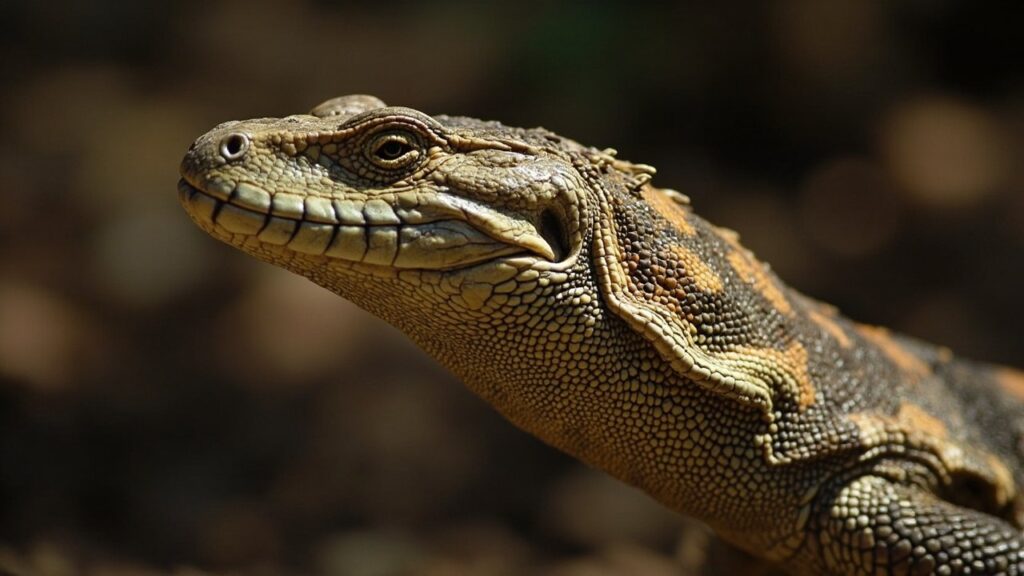
Saltwater crocodiles are the largest living reptiles, leatherbacks the largest turtles, reticulated pythons the longest snakes and green anacondas the heaviest snakes.
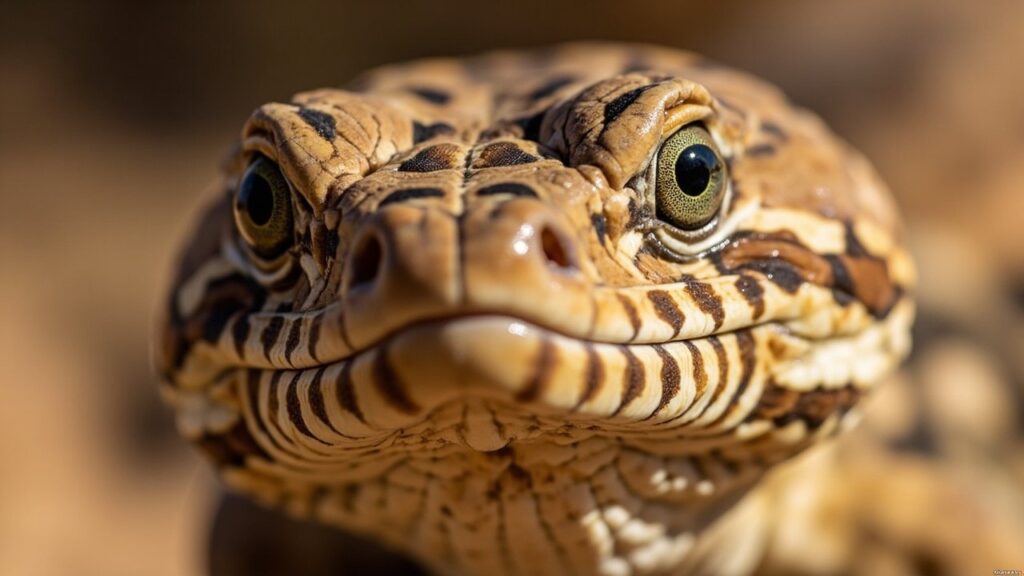
Saharan reptiles use burrows, crevices, shade and carefully timed activity to limit heat exposure. Adaptations differ among species and habitats.
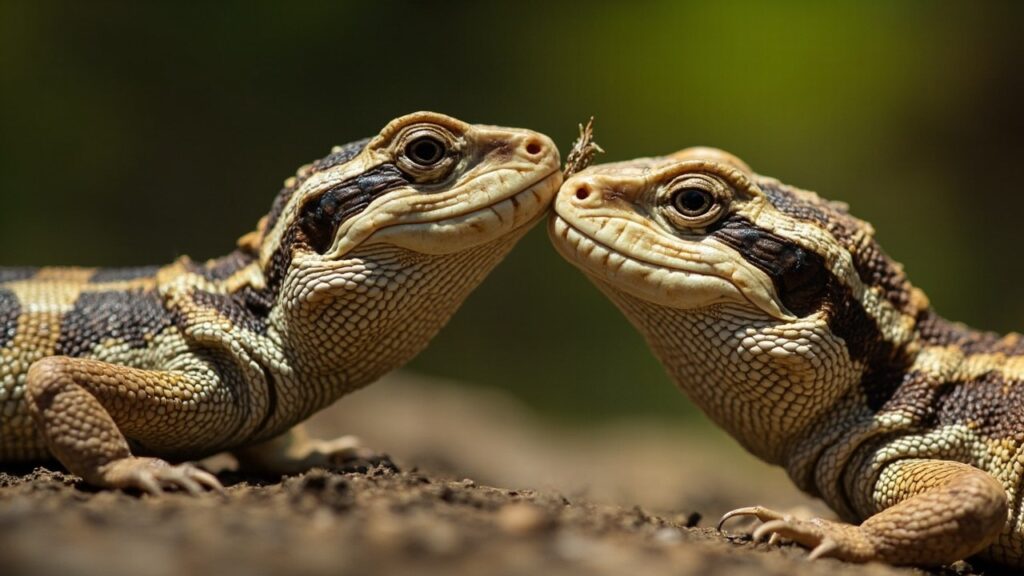
Reptiles communicate through visual displays, scent, touch, sound and vibration. The signals and their functions differ widely among species.
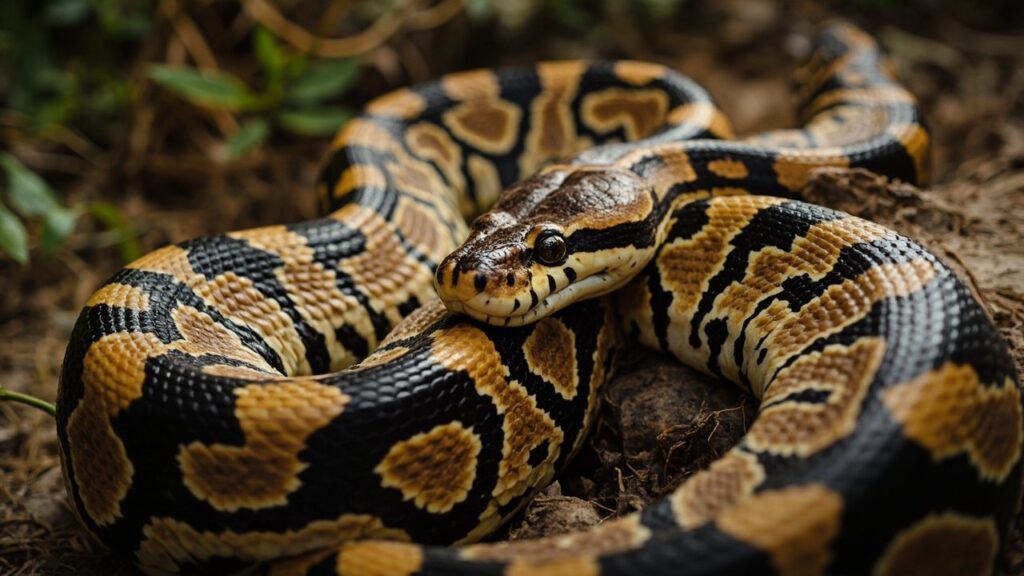
Ball pythons are nonvenomous constrictors from West and Central Africa. Responsible care requires secure housing, appropriate temperature and humidity, clean water, suitable cover and access to a reptile-experienced veterinarian.