
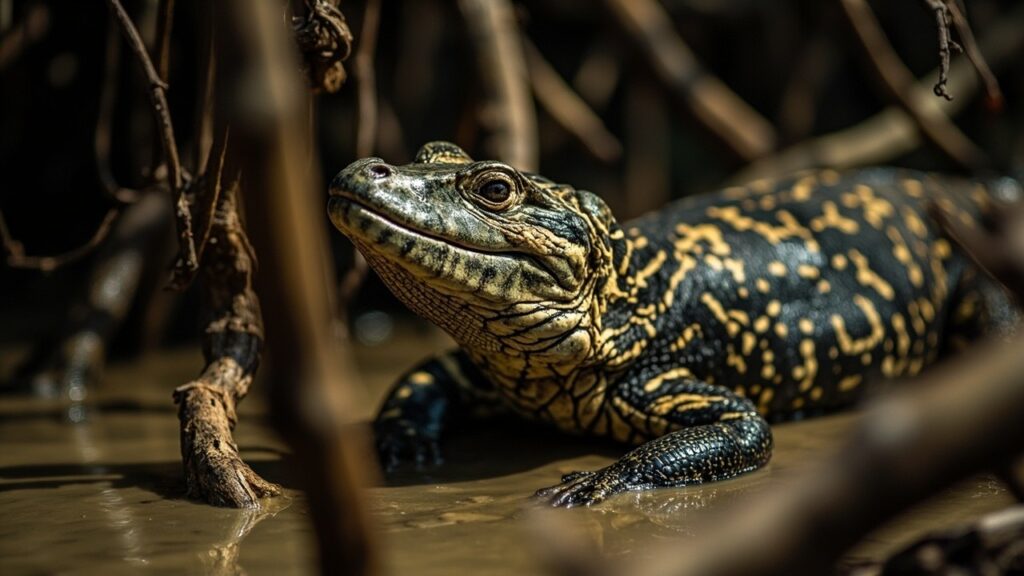
Reptiles of the Sundarbans Mangroves
The Sundarbans’ tidal rivers, mudflats and mangroves support reptiles adapted to brackish water and seasonal flooding.

The Sundarbans’ tidal rivers, mudflats and mangroves support reptiles adapted to brackish water and seasonal flooding.
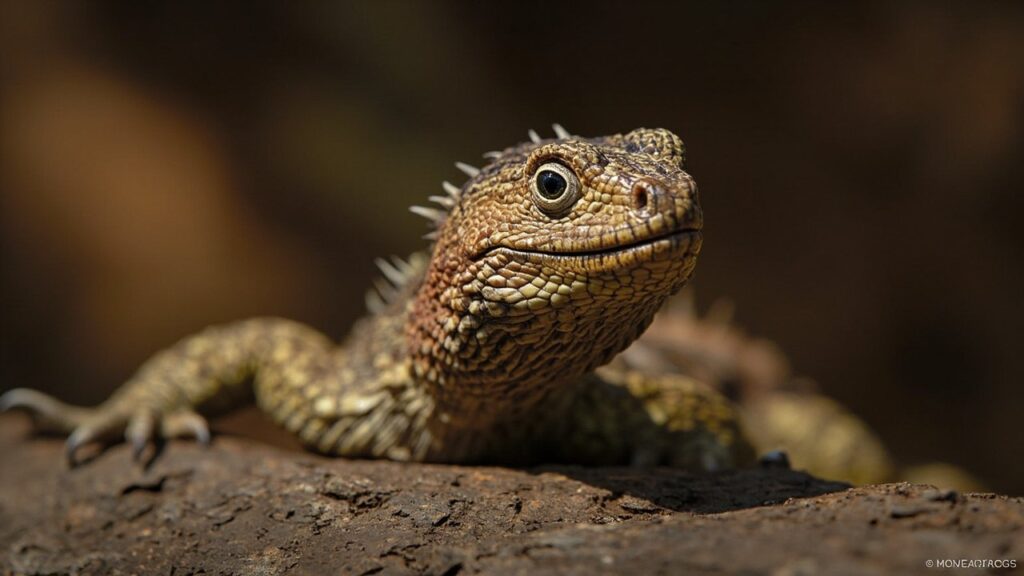
Gila monsters are venomous lizards of the southwestern United States and northwestern Mexico. They should never be handled; a suspected bite requires urgent medical assessment.
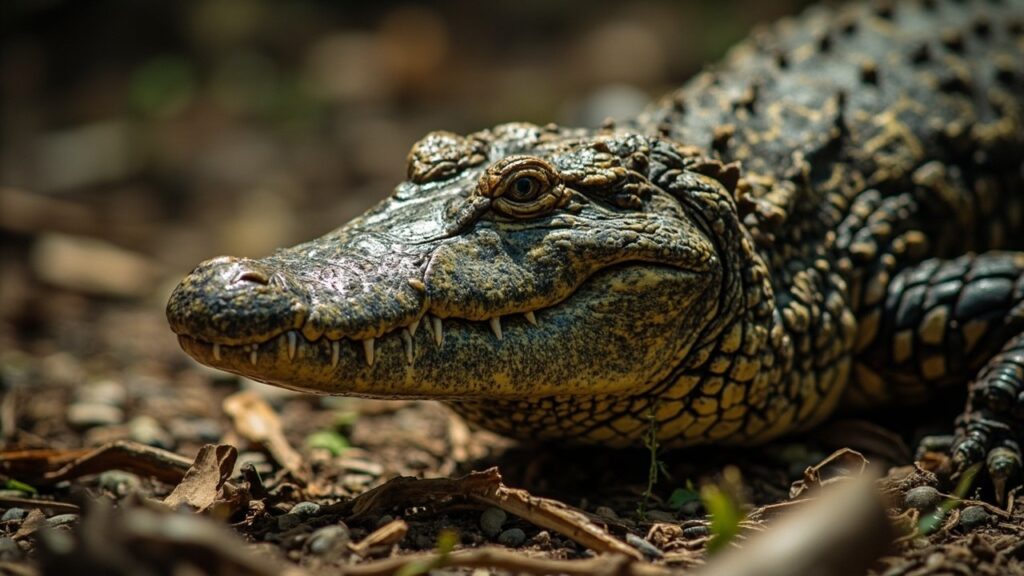
The Orinoco crocodile is native to Colombia and Venezuela and is Critically Endangered. Recovery needs habitat protection and long-term monitoring.
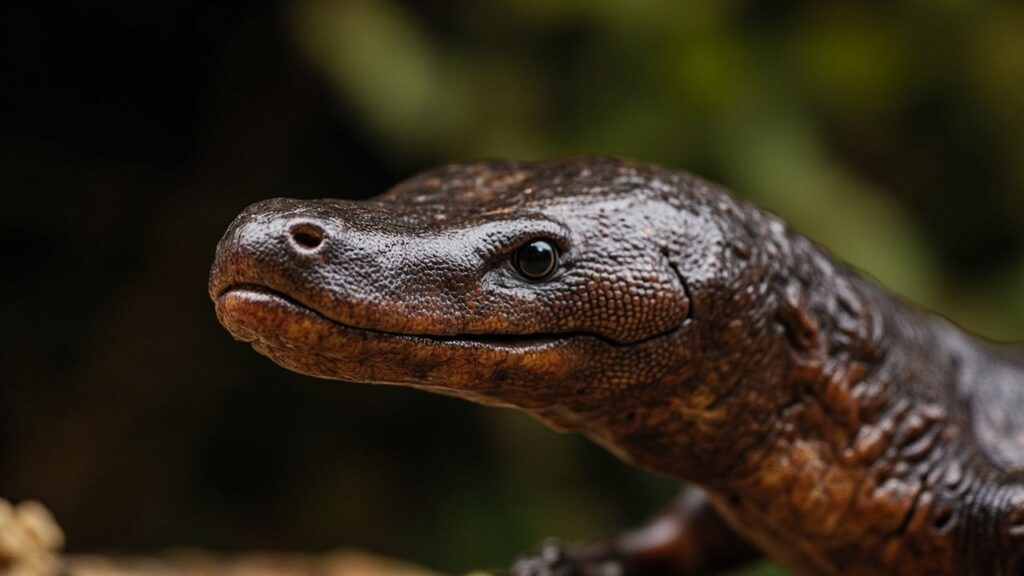
Hellbenders are fully aquatic salamanders of cool, clean rivers in eastern North America. Sedimentation, pollution and damaged streambeds reduce the habitat available to this amphibian.
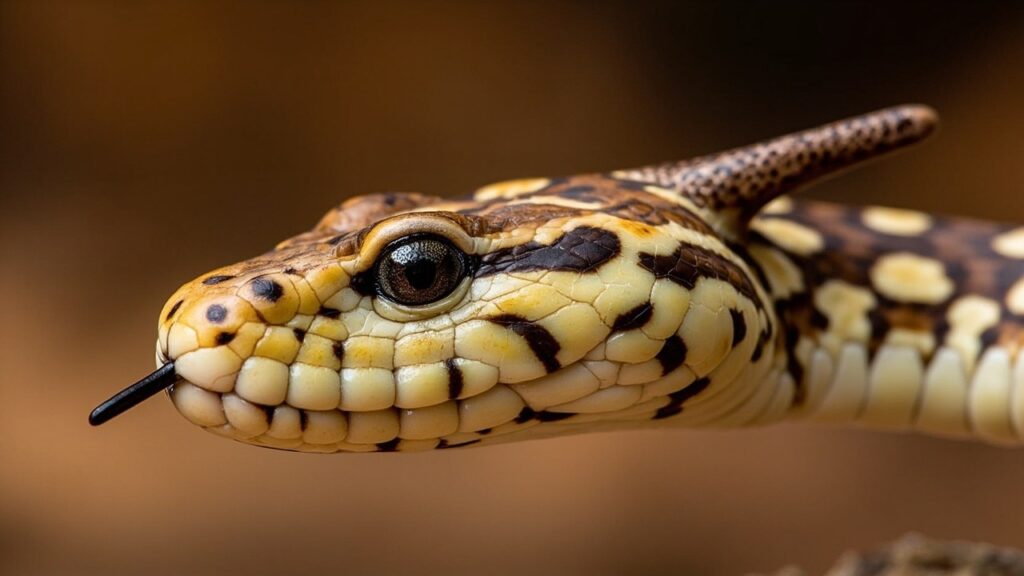
Saharan horned vipers are medically significant ambush predators of North African deserts. Horn-like scales vary among individuals, and suspected bites require urgent emergency care.
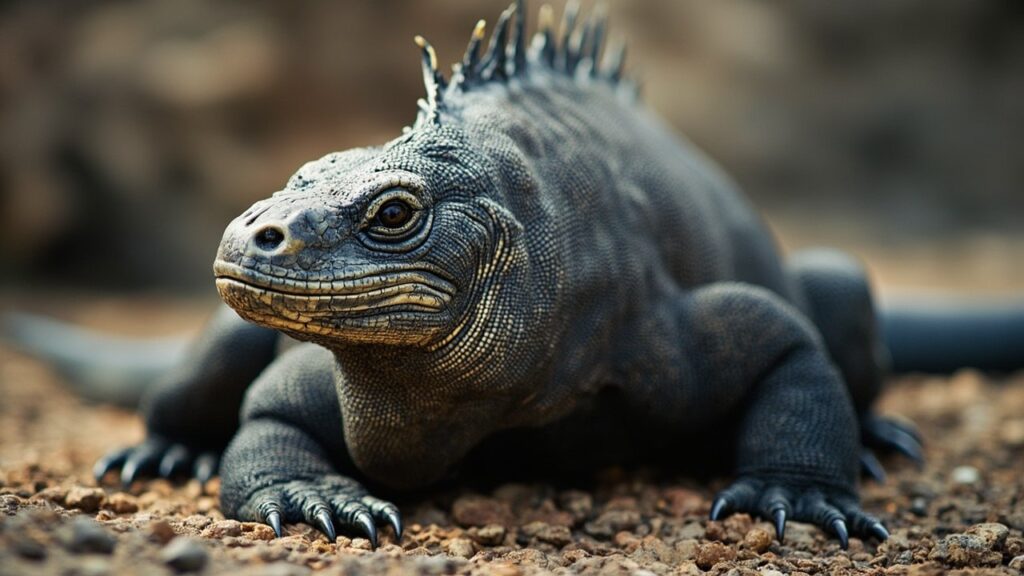
Marine iguanas are endemic to the Galapagos and feed mainly on marine algae. Salt glands, flattened tails and post-dive basking help them forage along volcanic coasts.
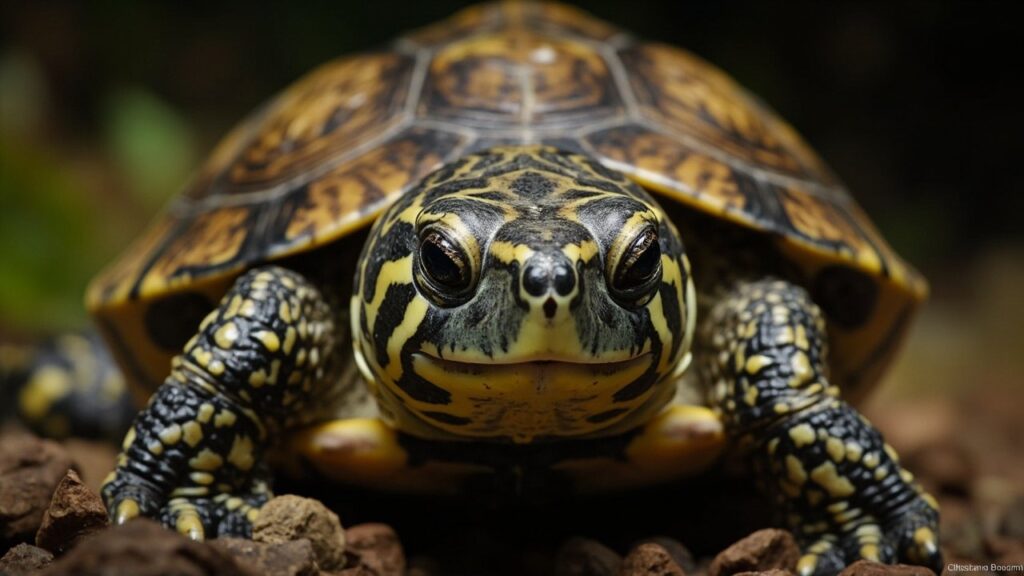
Map turtles are freshwater turtles of the genus Graptemys, with species tied to particular river systems and lakes. Clean water, natural shorelines and basking structures are central to their conservation.
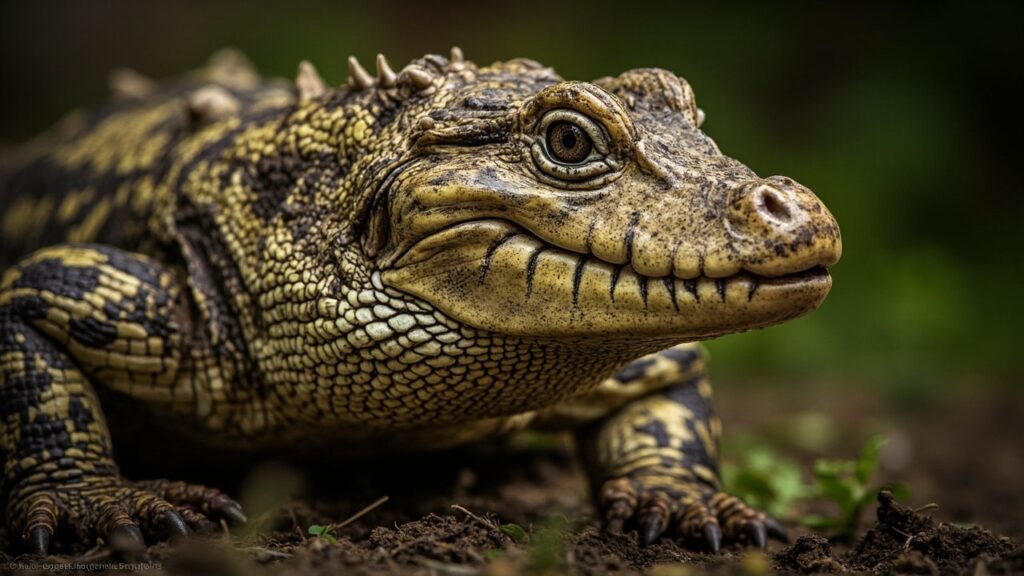
Crocodilian lineages have a long fossil history, but living species remain limited by temperature, habitat, prey and human pressures.
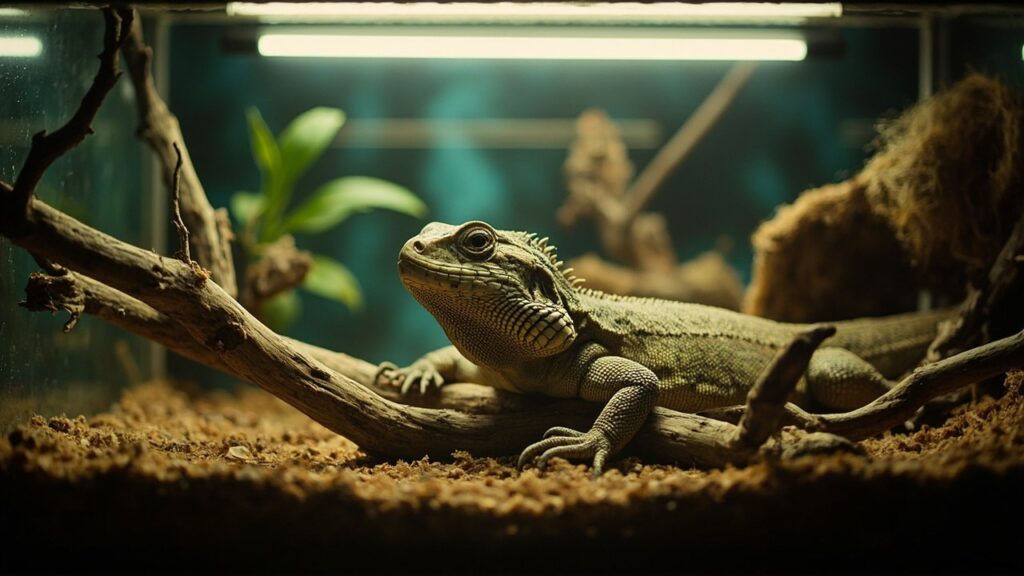
Visible light, heat and UVB serve different roles in reptile husbandry. Lamp choice, distance, shade and replacement schedules must match the species and enclosure.
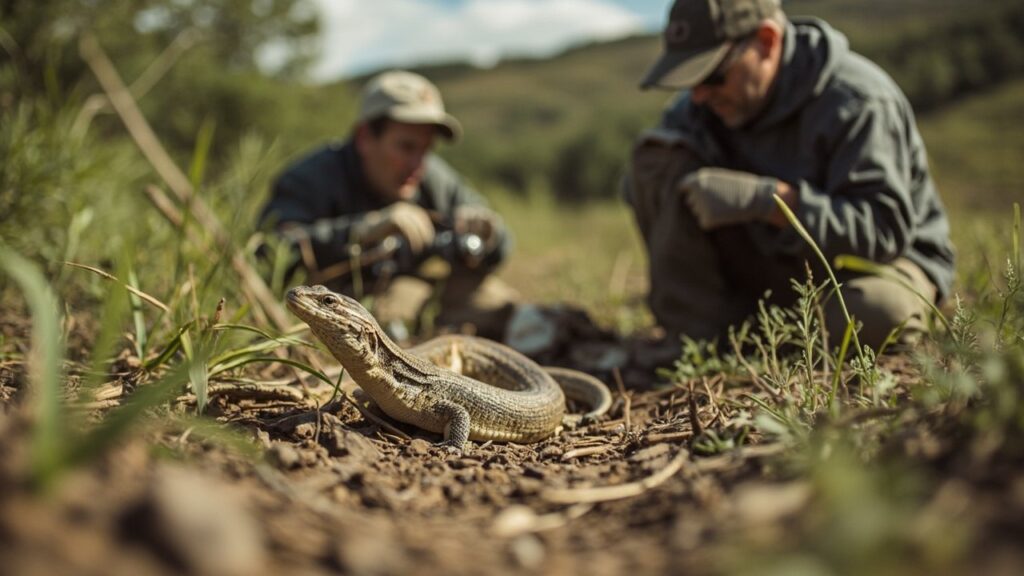
Community-led conservation centres Indigenous and local rights, shared decision-making, consent, benefit-sharing and transparent governance.