
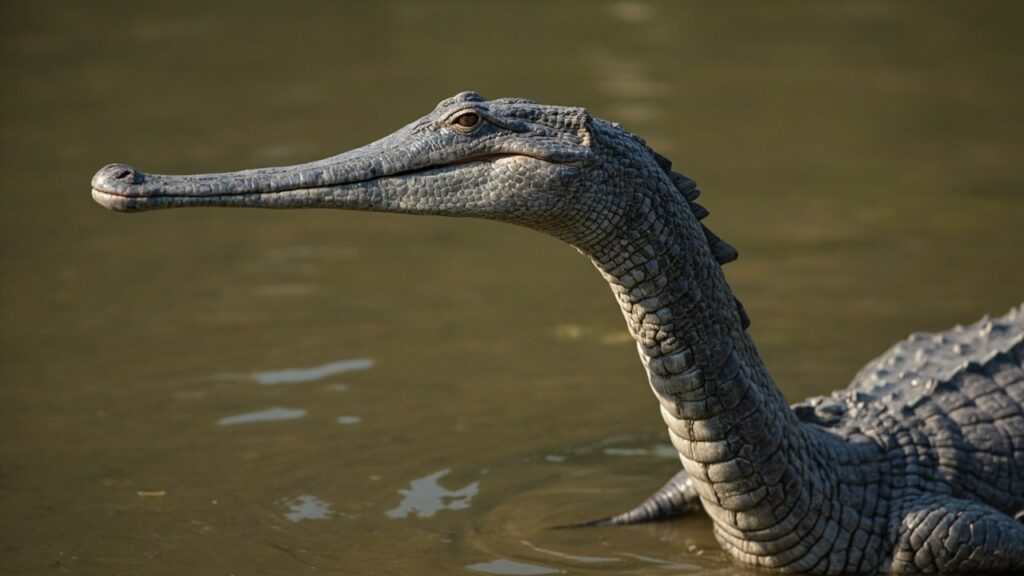
Gharials of the Ganges River
Gharials are fish-eating crocodilians of the Ganges basin. Dams, fishing nets and altered river habitat continue to threaten wild populations.

Gharials are fish-eating crocodilians of the Ganges basin. Dams, fishing nets and altered river habitat continue to threaten wild populations.
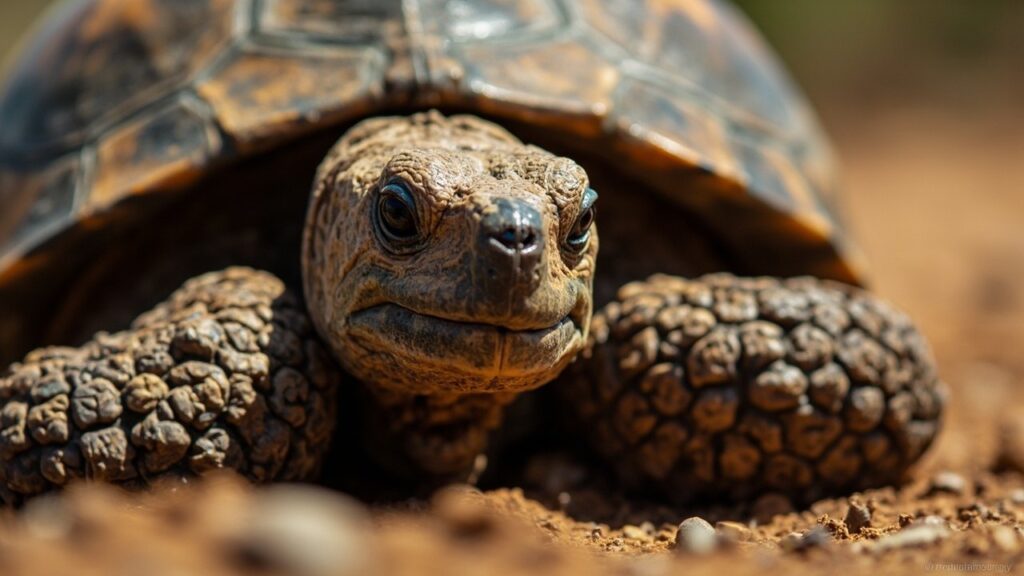
Aldabra giant tortoises are native to Seychelles’ Aldabra Atoll, where grazing, trampling and seed movement influence vegetation.
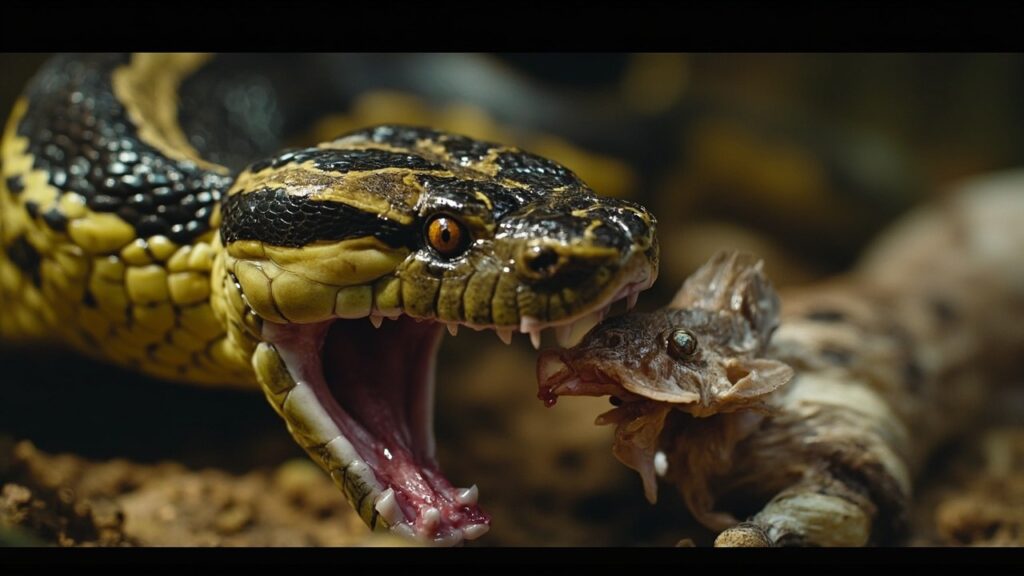
Venomous reptiles and their prey can exert reciprocal selection on toxins, resistance and behaviour. Evidence varies among species and populations.
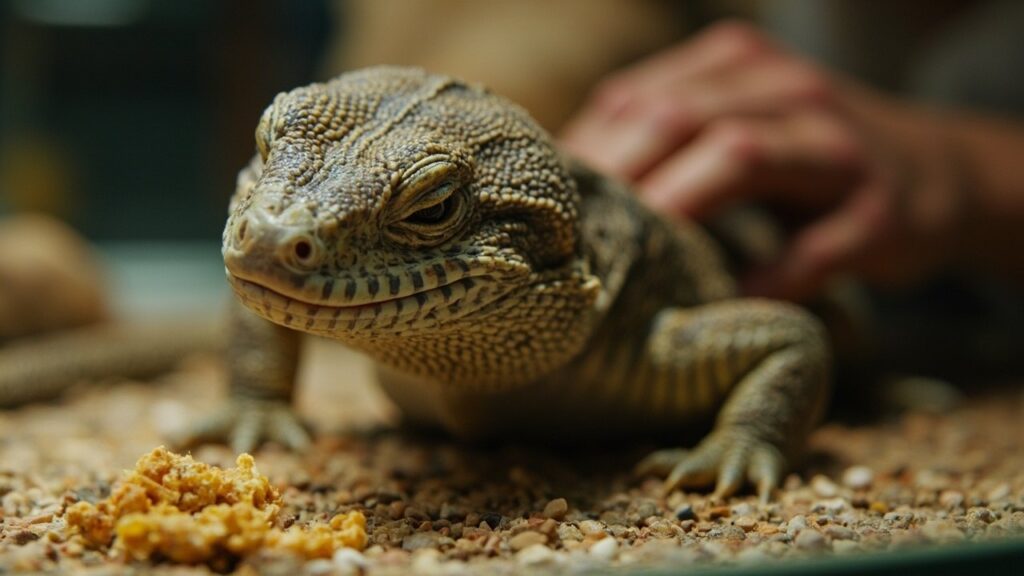
Pet reptile diets and feeding schedules vary by species, age, health and reproductive state. Species guidance and veterinary advice should guide feeding.
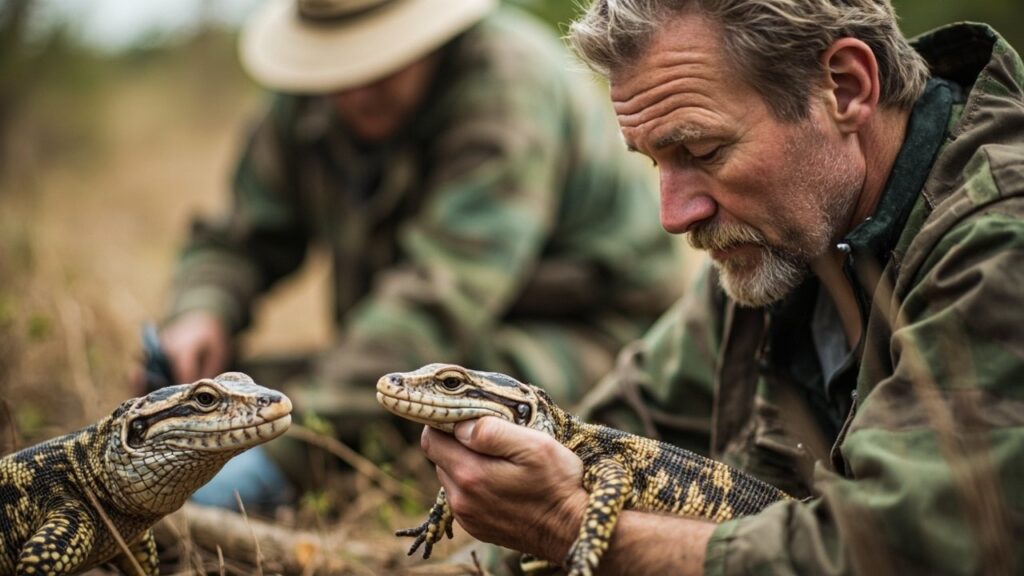
Reptile reintroductions need suitable habitat, genetic and health safeguards, community support and long-term monitoring. Release counts alone do not show whether a wild population is recovering.
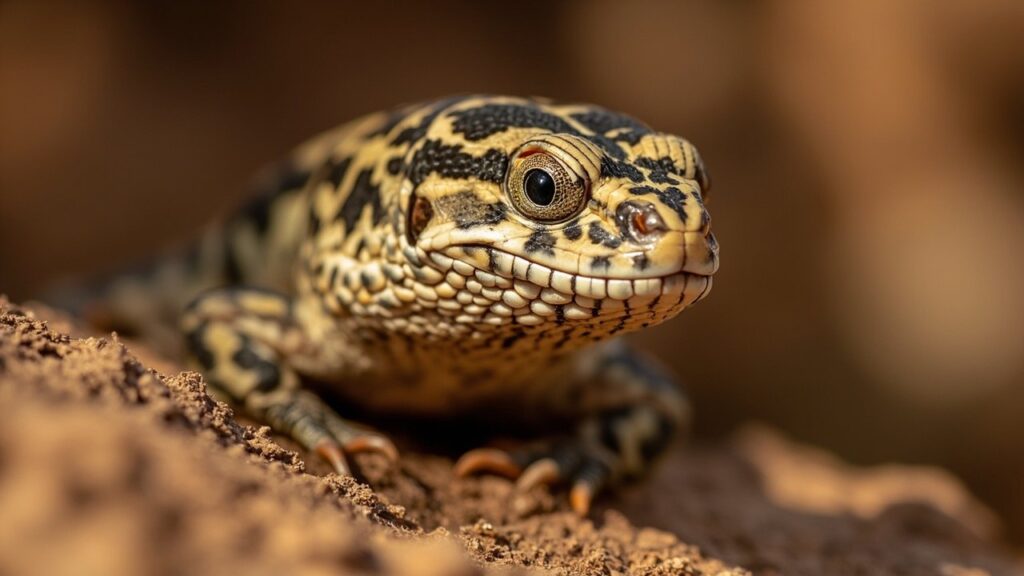
The Atacama includes coastal, interior and high-elevation habitats. Reptile diversity and survival strategies vary across this dry landscape.
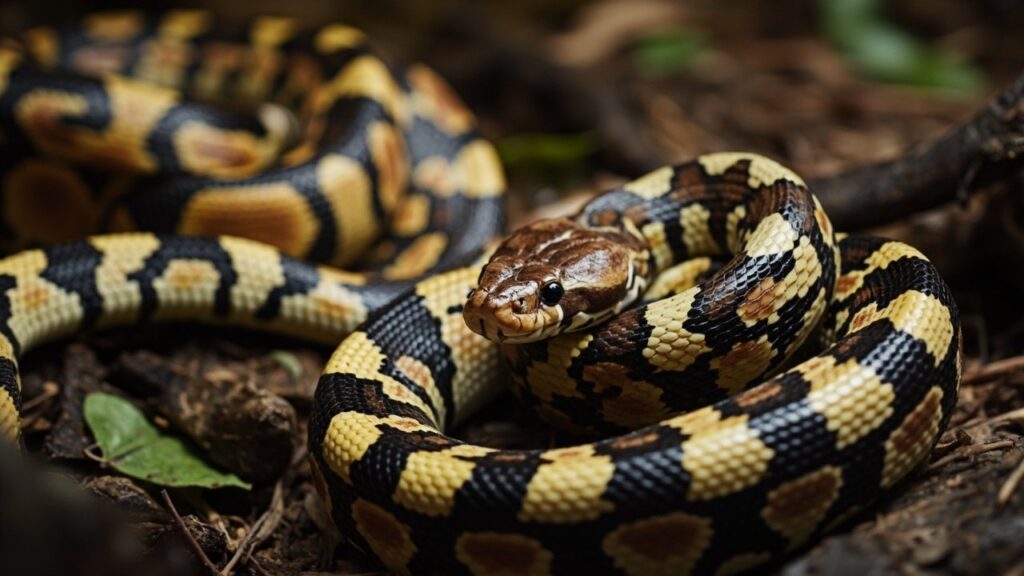
Boa constrictors are large, nonvenomous ambush hunters that subdue prey by constriction. Size, range and behaviour vary among related forms.
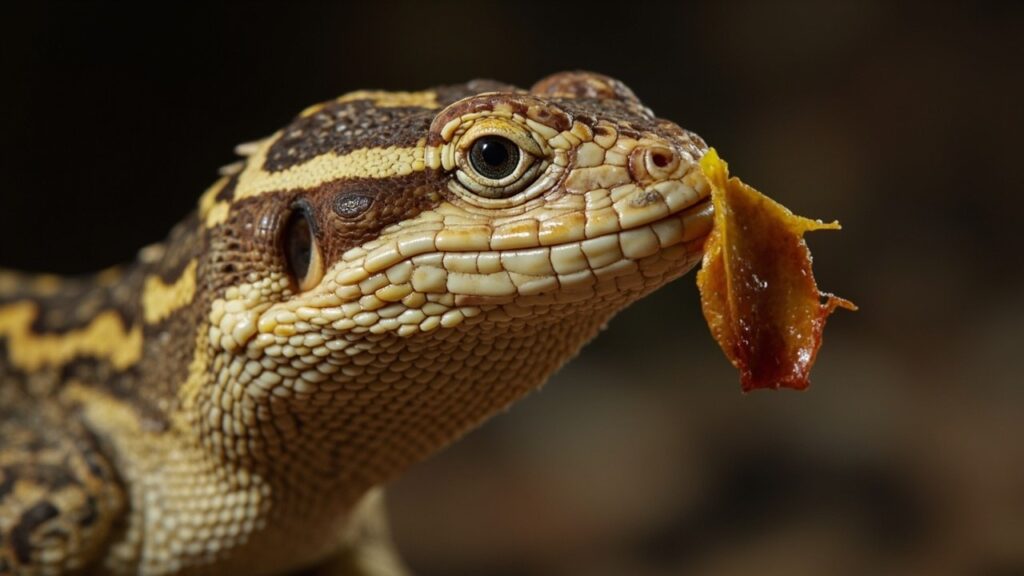
Reptile feeding patterns may change with temperature, activity and reproductive state. Captive diets should remain species-specific and be adjusted only with reliable guidance.
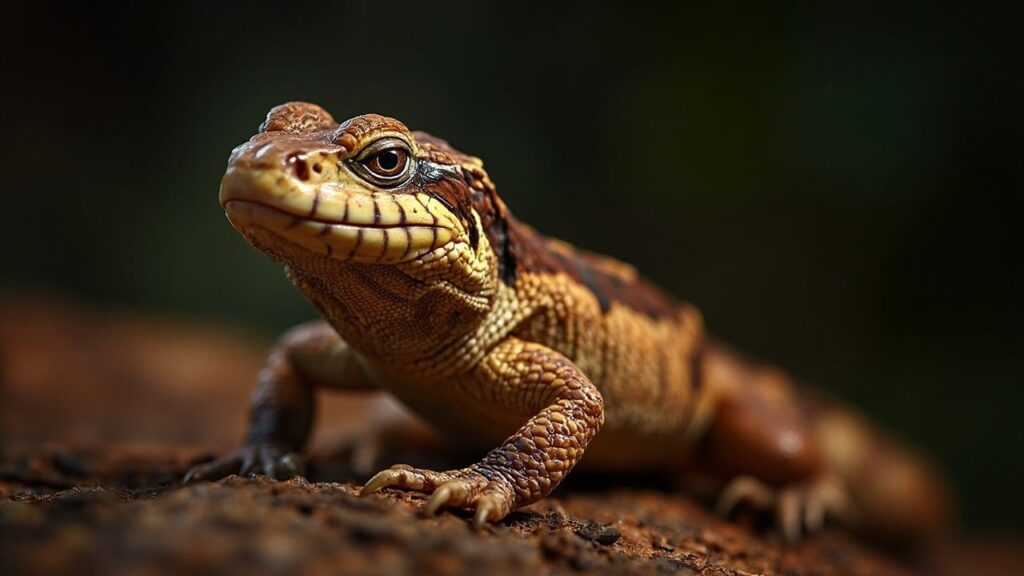
Australia’s tropical north includes rainforest, wetlands, rivers, mangroves and woodland. Each habitat supports a different reptile community.
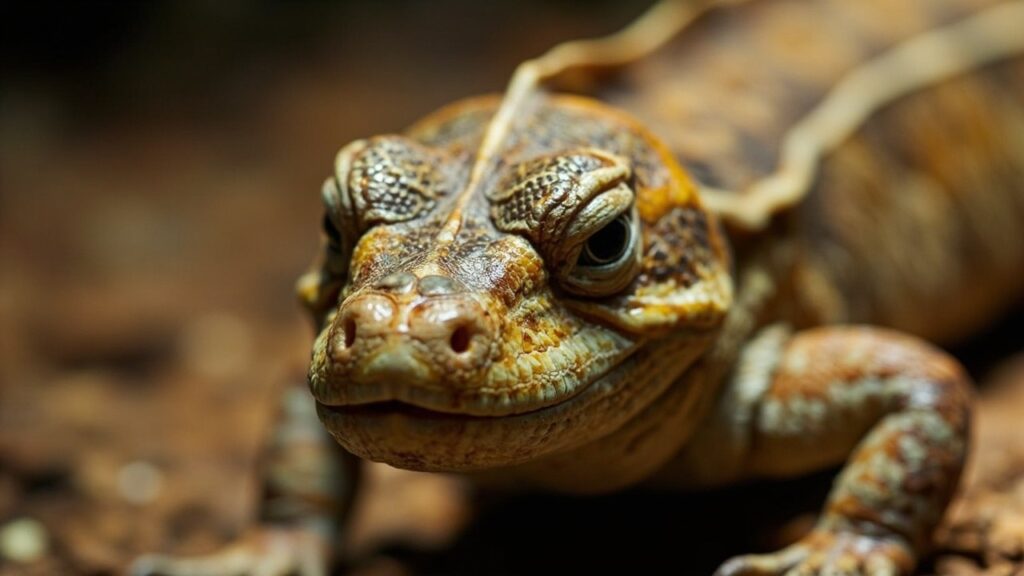
The Nile system supports crocodiles, turtles, monitors and snakes with different ranges and habitat needs. Modern distribution and safety guidance should be separated from historical stories.