
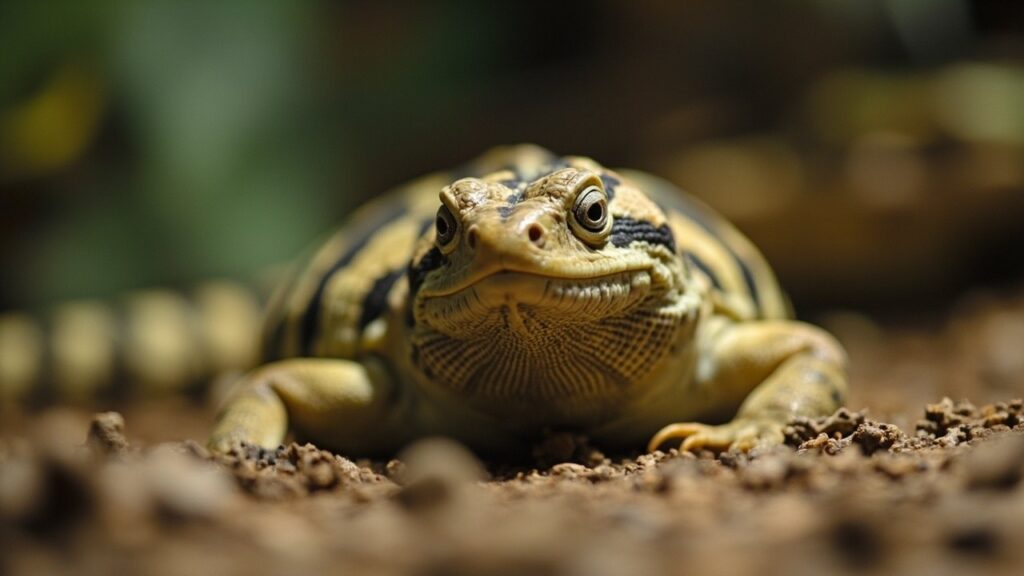
Spring Activity in Reptiles: What Changes
Rising temperatures and longer days can increase spring activity in some reptiles. Timing still depends on species, region and weather.

Rising temperatures and longer days can increase spring activity in some reptiles. Timing still depends on species, region and weather.
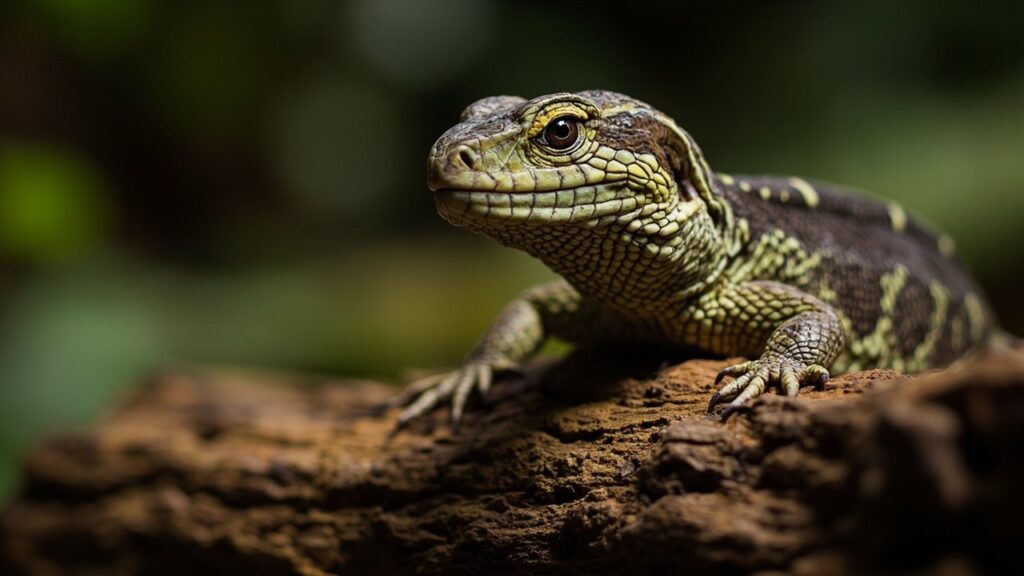
Witness the astounding diversity of Amazonian reptiles and the urgent efforts to protect them from threats like deforestation and climate change.
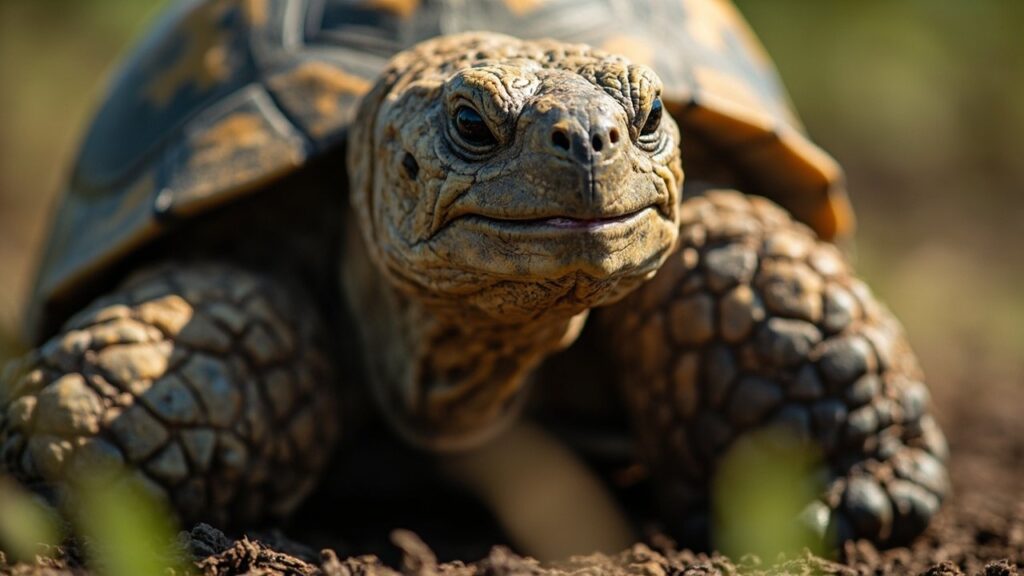
Miraculous resurgence of the Galapagos giant tortoises from near extinction to thriving populations hints at deeper conservation challenges still ahead.
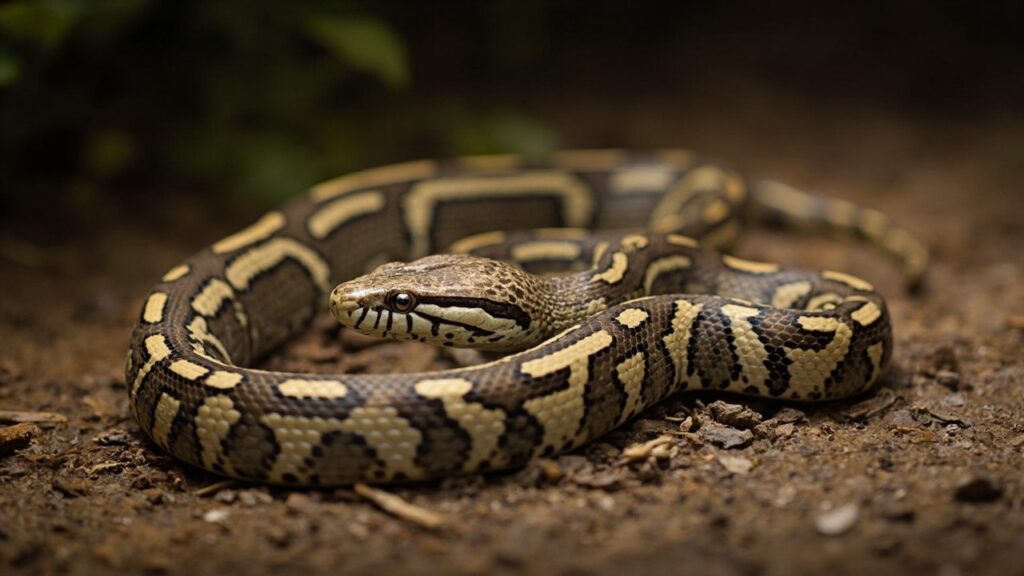
Snake behaviour and risk vary by species and situation. Identification, distance and local safety guidance are more useful than common myths.
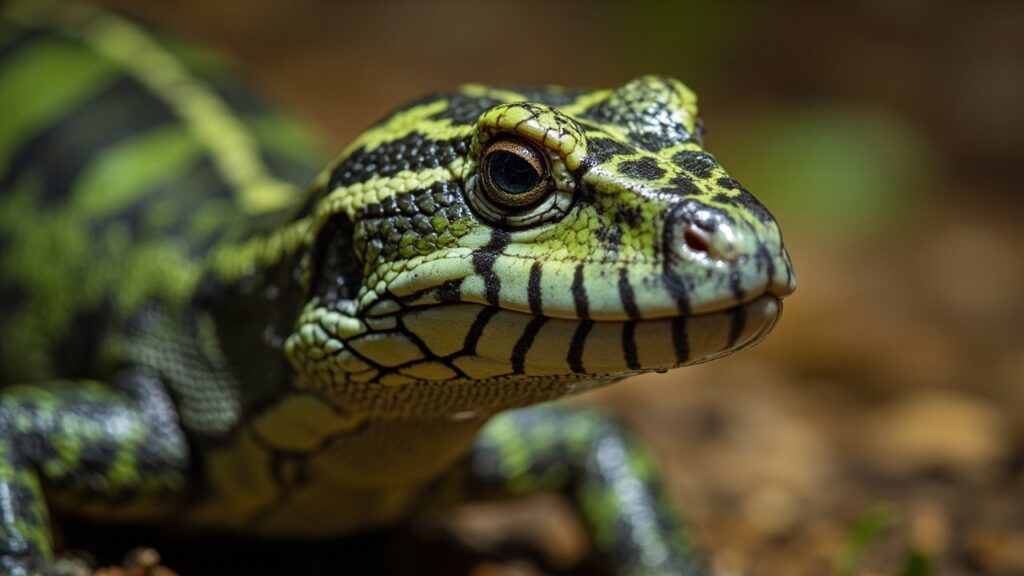
The Everglades supports alligators, crocodiles, turtles, snakes and lizards across freshwater marshes, mangroves and coastal habitats.
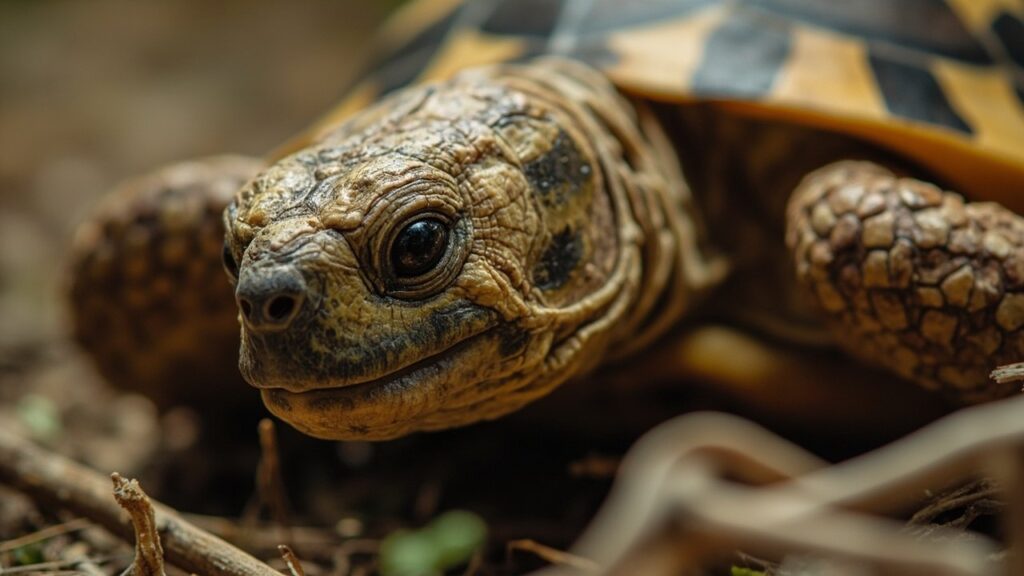
Russian tortoises come from dry Central Asian habitats and can live for decades. Responsible care requires suitable space, diet, heat and light.
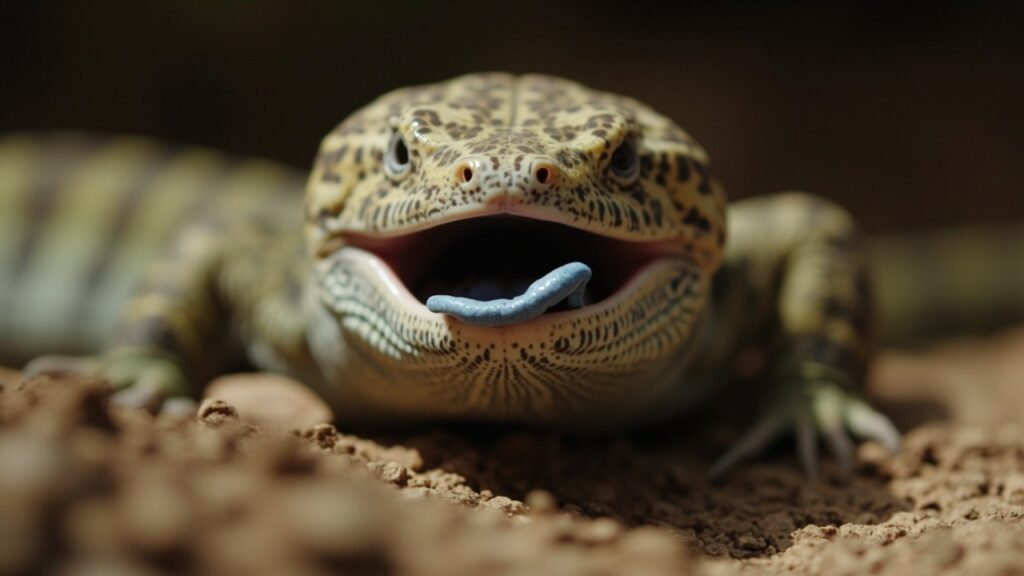
Blue-tongued skinks include several Tiliqua species with different ranges and care needs. Their blue tongue is mainly a defensive display.
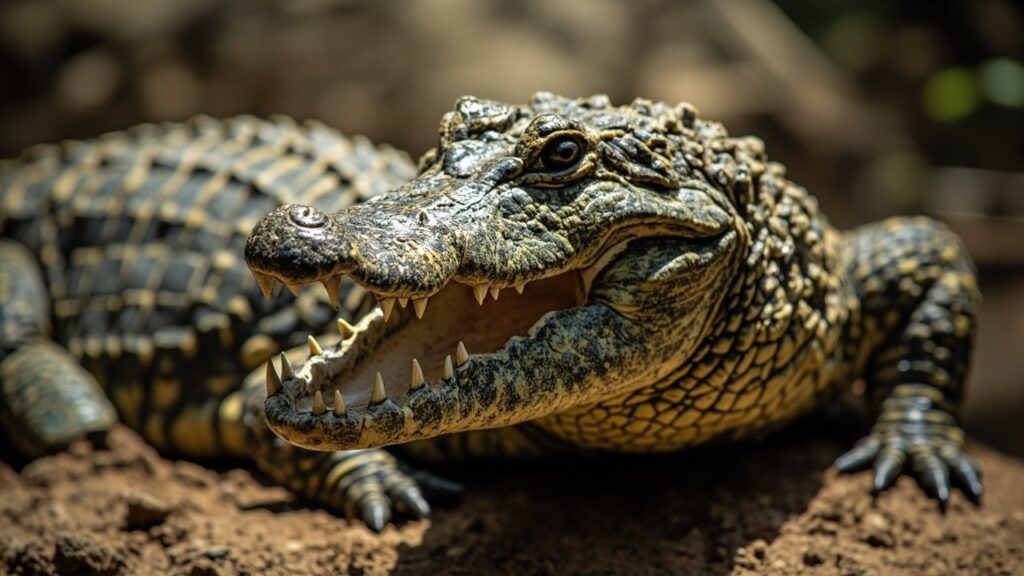
Nile crocodiles occupy rivers, lakes, marshes and other wetlands across much of sub-Saharan Africa and Madagascar. Females guard nests and can help hatchlings reach the water.
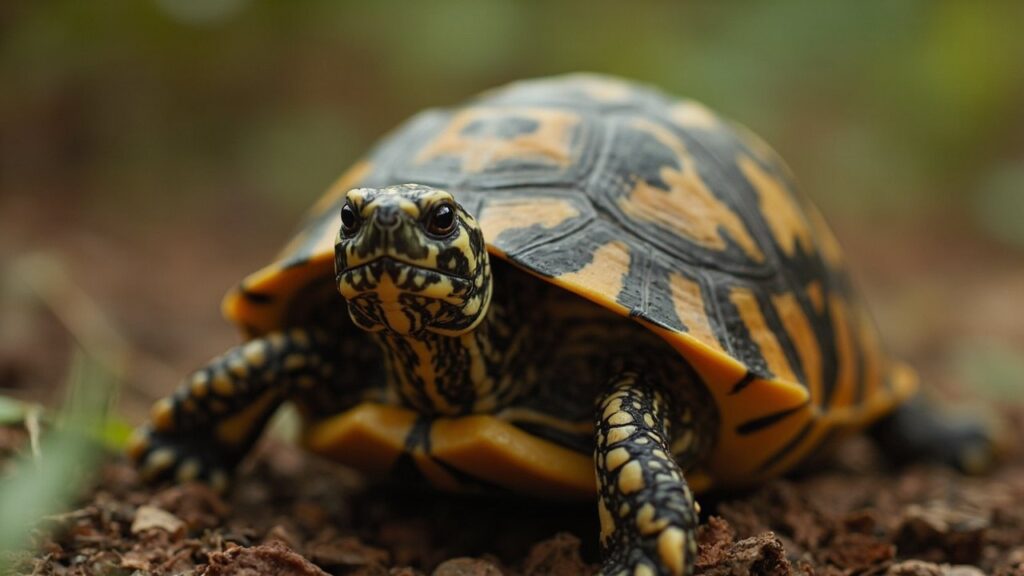
North American box turtles are mainly terrestrial turtles with hinged lower shells. Roads, habitat fragmentation and wild collection threaten populations, so wild animals should be left in their home range.
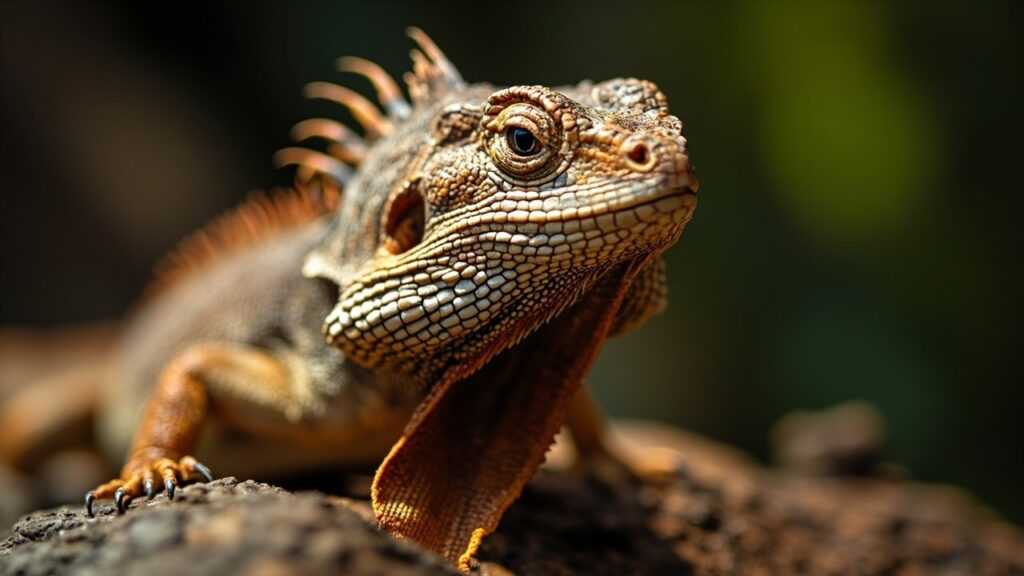
Central bearded dragons use posture, beard displays and colour changes in communication. Care must match their heat, light and dietary needs.