
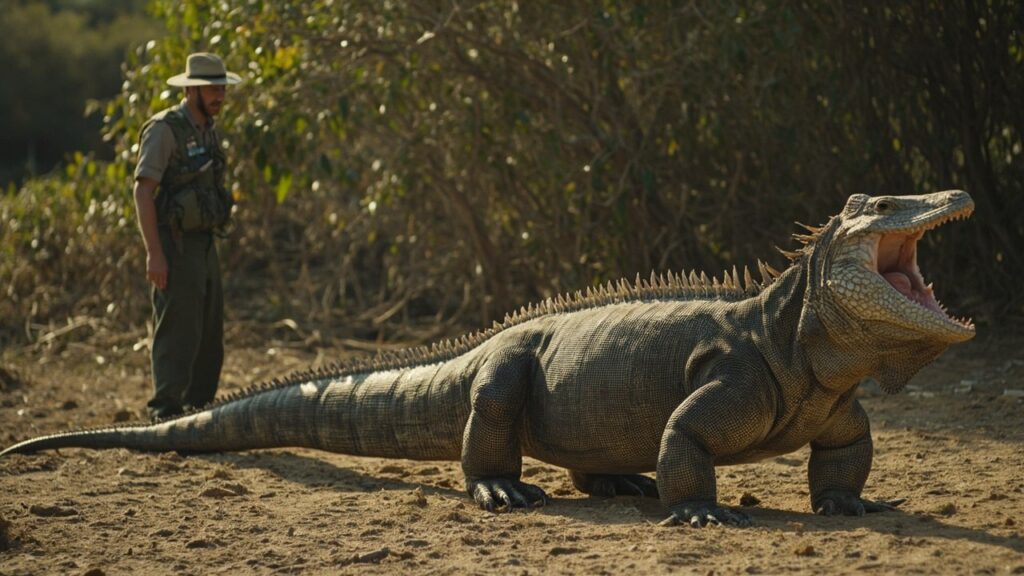
Komodo Dragons: The Largest Lizards
Komodo dragons are the largest living lizards and occur naturally on several Indonesian islands. Their bites can cause severe trauma, blood loss and venom effects.

Komodo dragons are the largest living lizards and occur naturally on several Indonesian islands. Their bites can cause severe trauma, blood loss and venom effects.
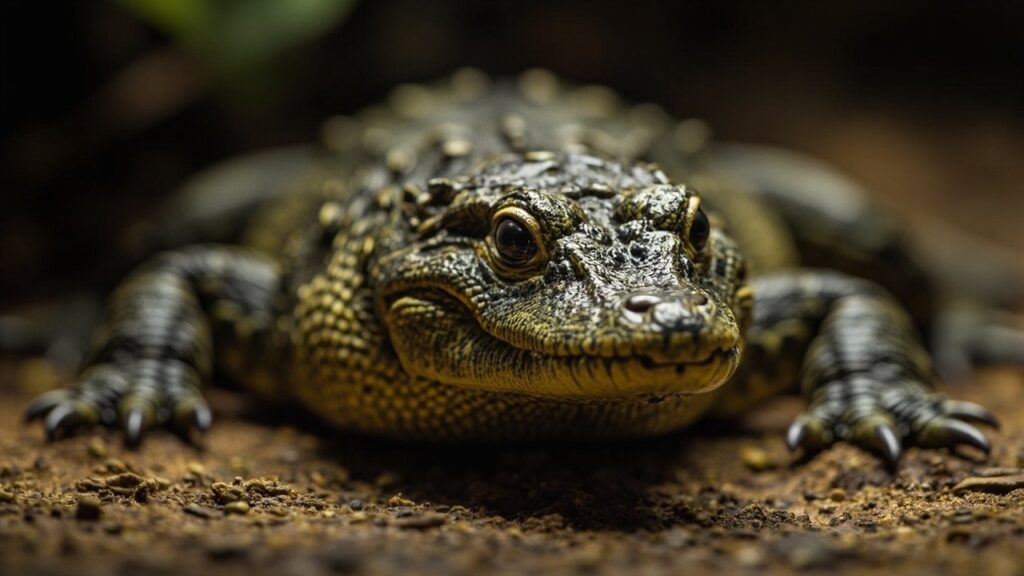
Cuvier’s dwarf caiman is a small South American crocodilian found in several river systems. Behaviour and threats vary across its range.
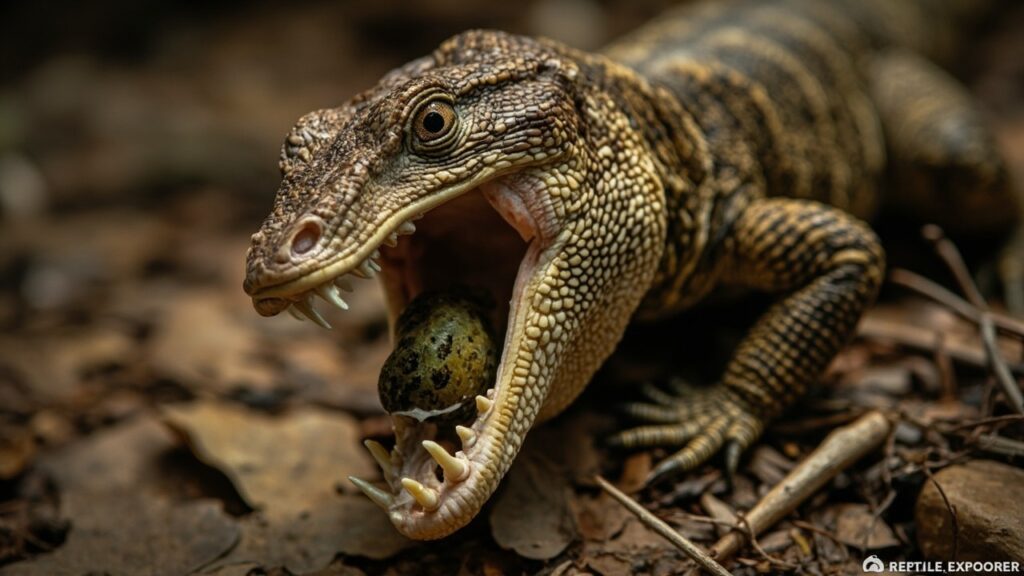
Caiman lizards use rounded rear teeth and strong jaws to crush snails and other hard-shelled prey. They are semi-aquatic lizards of northern South American wetlands.
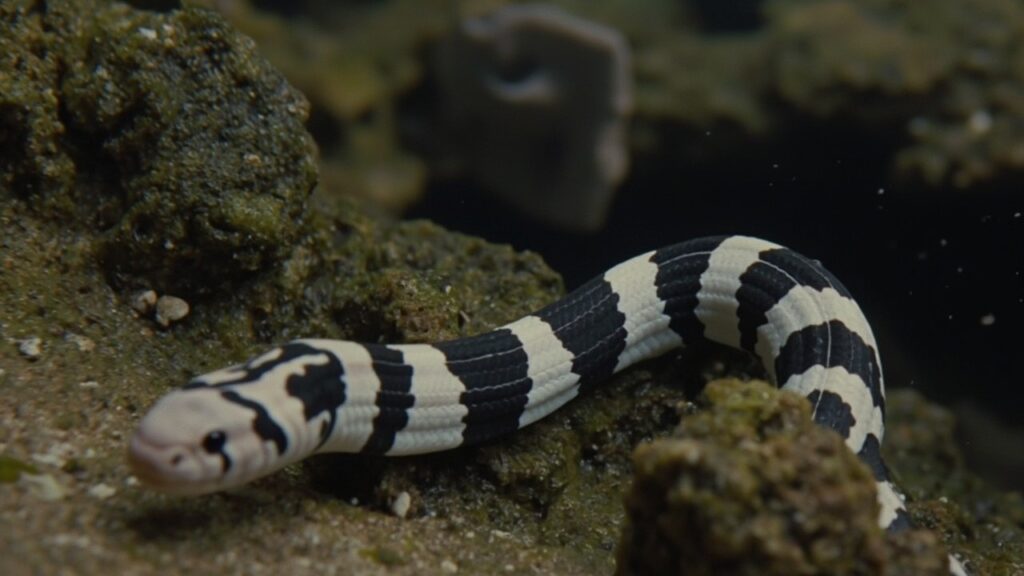
Sea kraits forage at sea and return to land to rest, digest, mate and lay eggs. Intertidal habitat supports movement between these environments.
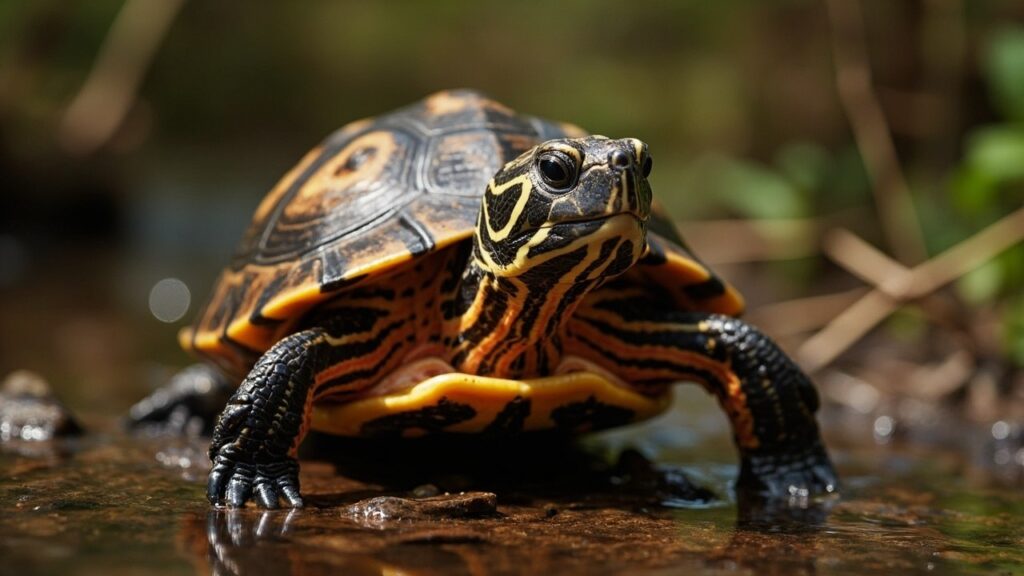
Wood turtles move between forested streams, wetlands and nearby uplands. Roads, habitat fragmentation, collection and altered stream conditions can harm local populations.
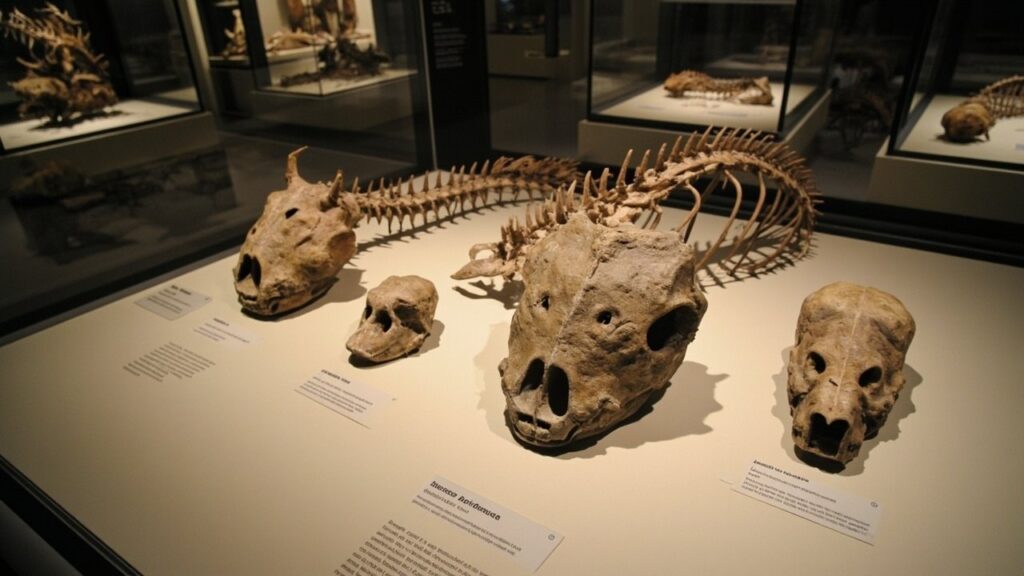
Mammals and reptiles trace back to separate synapsid and sauropsid branches of early amniotes. Fossils show how each lineage changed over time.
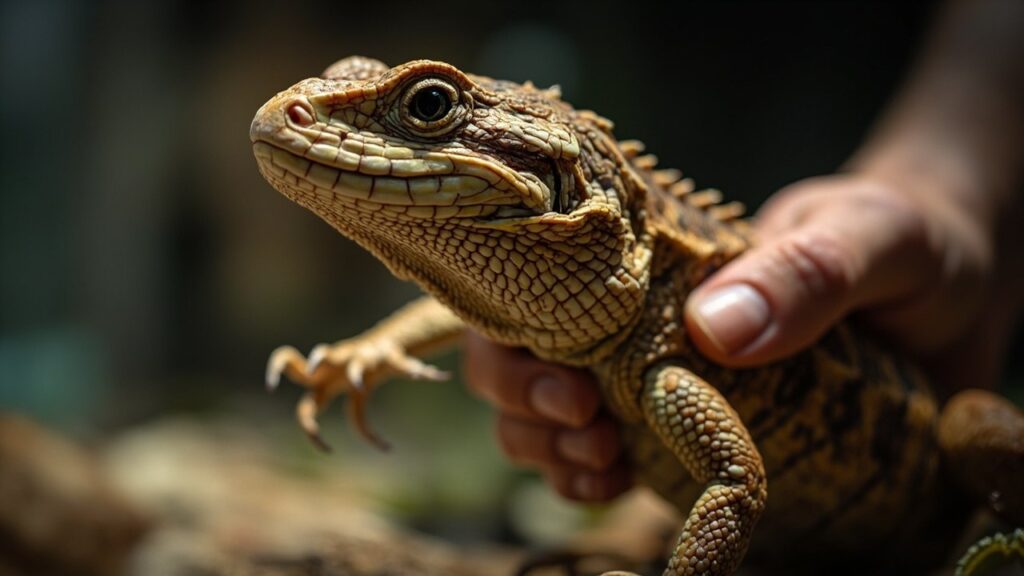
Handle reptiles only when necessary, using calm, species-specific support. Handling should stop when the animal shows stress, and unfamiliar wild or dangerous reptiles should not be touched.
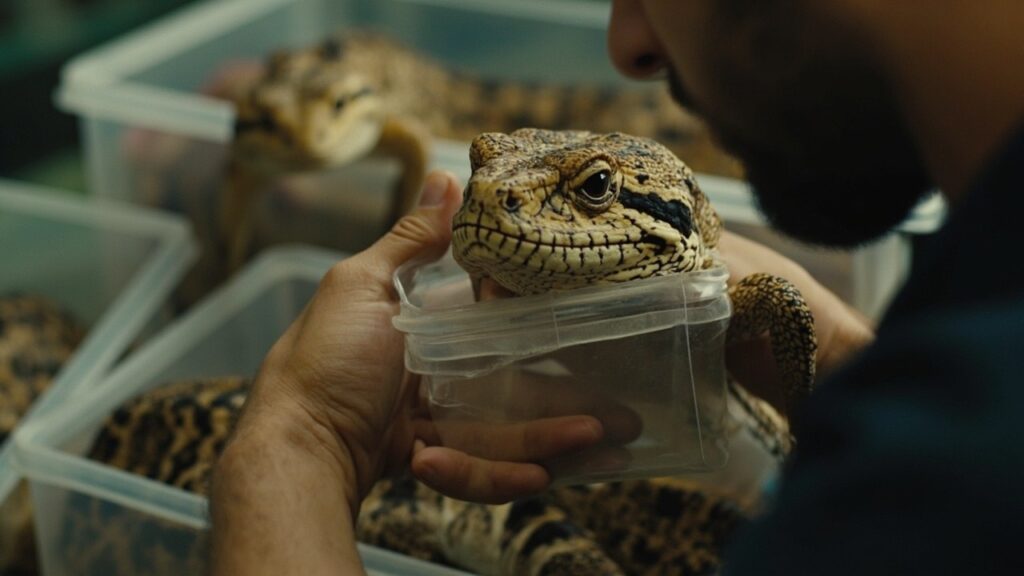
Reducing illegal reptile trade requires credible records, inspections, law enforcement and community involvement. Technology can support traceability, but cannot prove legal origin without reliable underlying evidence.
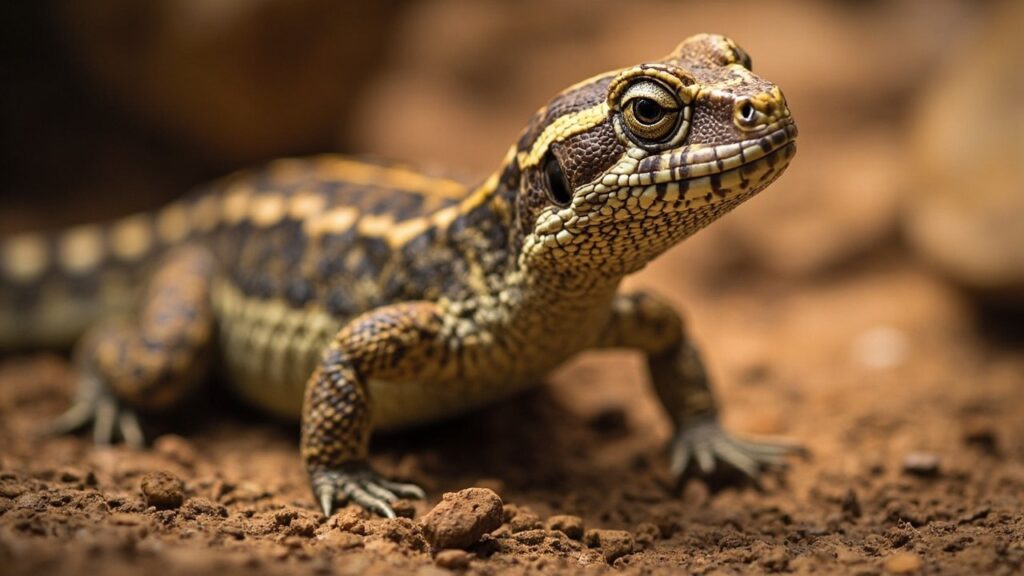
The Chihuahuan Desert includes grassland, scrub, rocky slopes and arroyos. Its reptiles use different shelters and activity patterns by species.
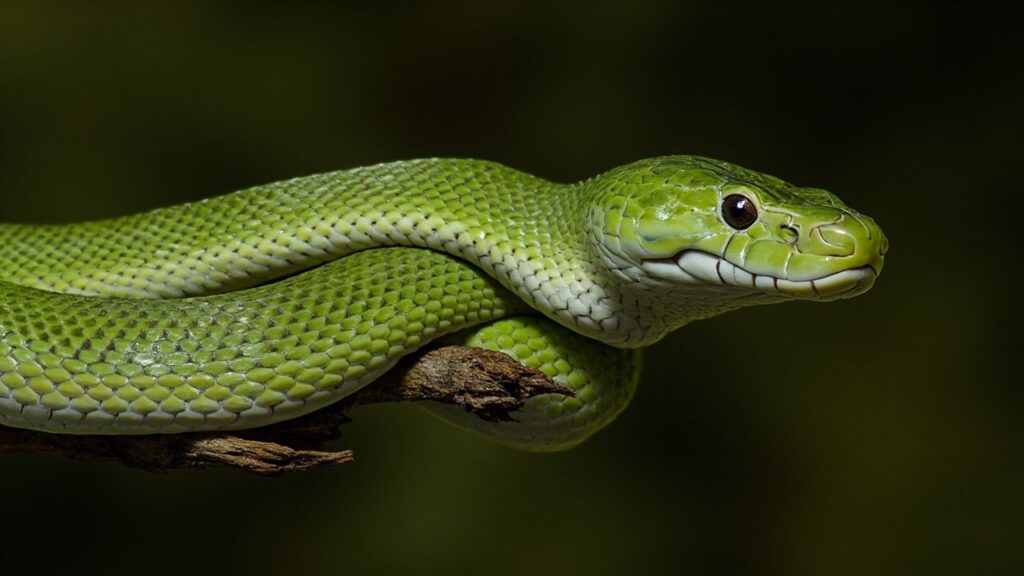
Green tree pythons are arboreal ambush hunters from New Guinea and nearby islands. Juveniles and adults can differ markedly in colour.